Breaking Free from Emotional Eating: A Comprehensive Guide for Women
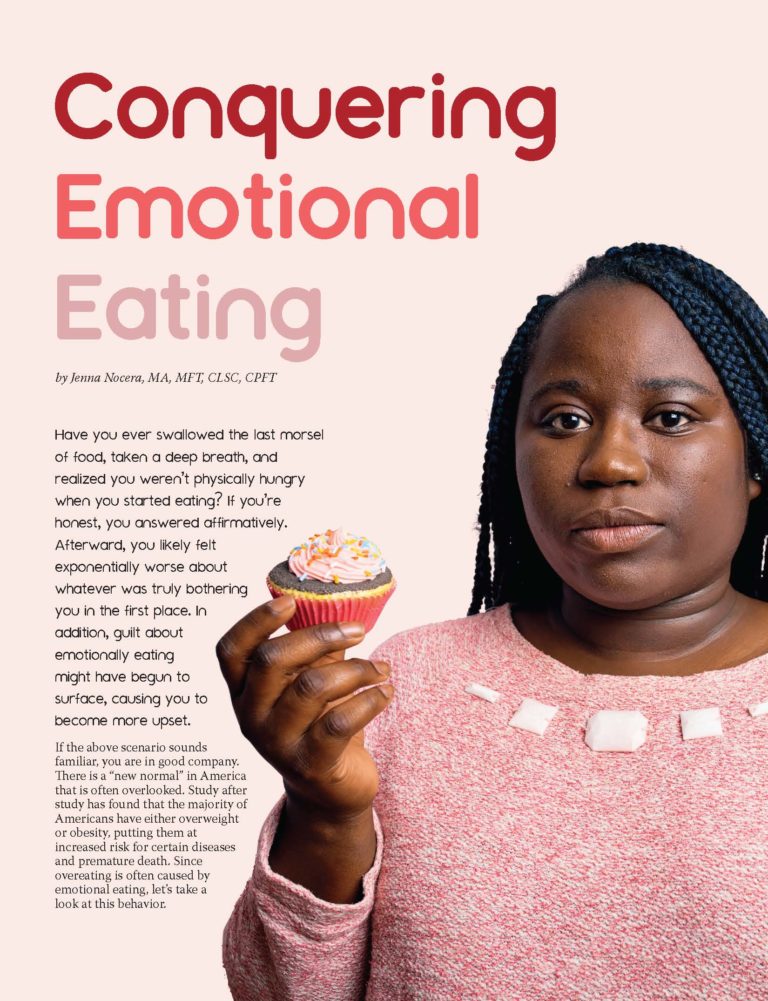
Have you ever caught yourself reaching for a bag of chips or a pint of ice cream when you're feeling stressed, sad, or bored? Do you find yourself struggling to control your food choices when emotions take over? If so, you're not alone. Emotional eating is a common phenomenon that affects many women, leading to feelings of guilt, shame, and frustration.
Understanding Emotional Eating
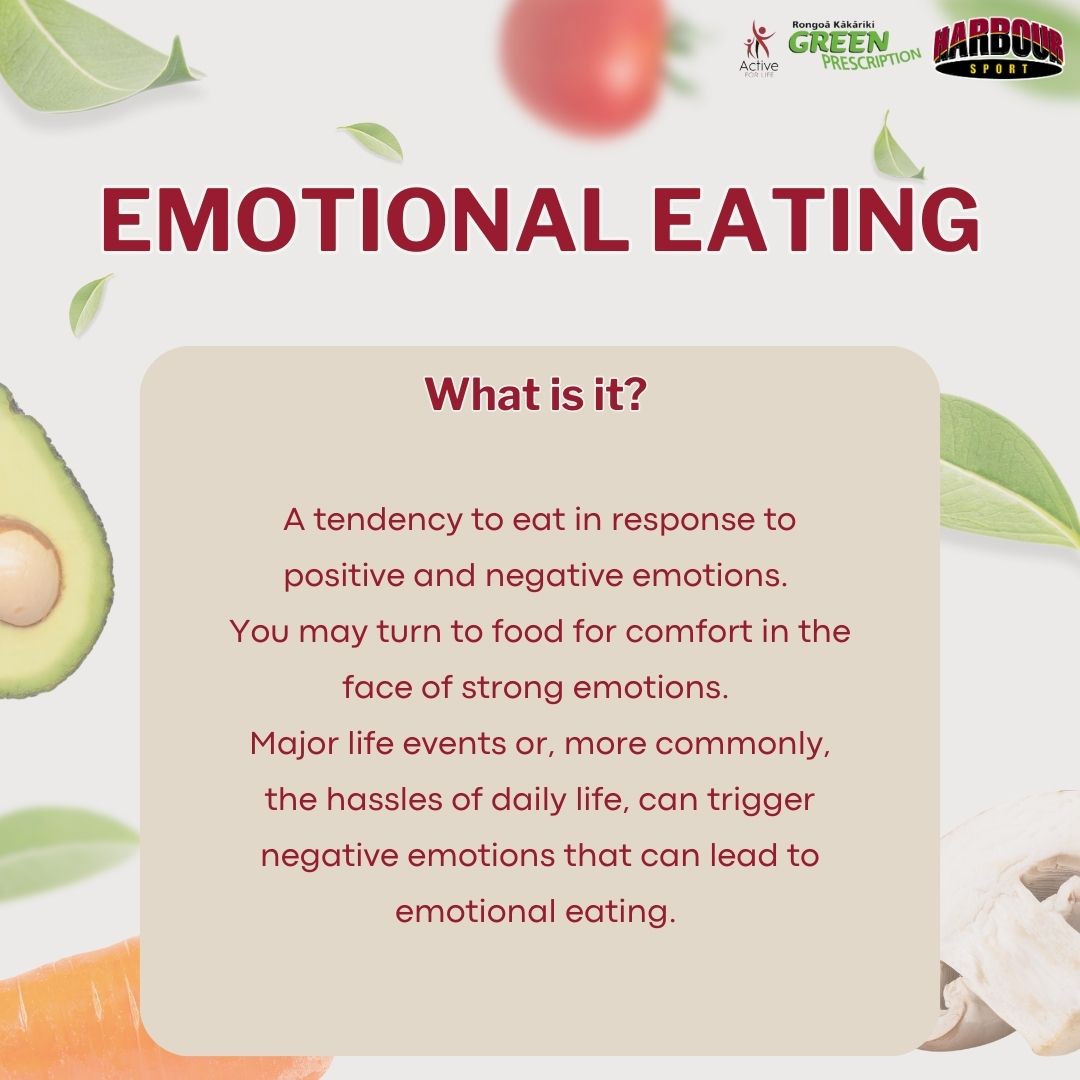
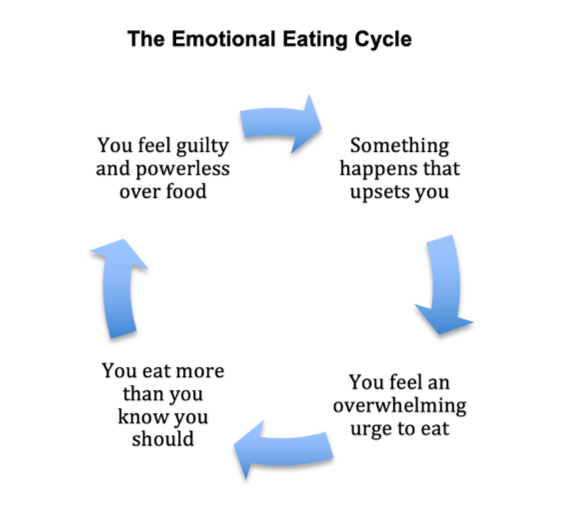
Emotional eating is the act of consuming food in response to emotions rather than physical hunger. It's a coping mechanism that can provide temporary comfort, but ultimately, it can lead to a cycle of guilt, shame, and more emotional eating. The truth is, emotional eating is a signal that something else is going on beneath the surface, and addressing the underlying issues is key to breaking free from this cycle.
The Emotional Eating Diet for Women: A Holistic Approach
A comprehensive approach to managing emotional eating involves developing self-awareness, identifying triggers, and learning healthy coping mechanisms. This article will provide you with practical tips, expert insights, and lifestyle habits to manage stress eating naturally. By the end of this guide, you'll have the tools you need to break free from emotional eating and develop a healthier relationship with food.
Recognize the Signs of Emotional Eating
- Do you often eat when you're not hungry? Or do you skip meals when you've had a hard day?
- Are you turning to food as a quick fix for stress, boredom, or emotional pain?
- Feel like food is a constant source of guilt, shame, and anxiety?
If you identify with any of these signs, it's time to re-evaluate your relationship with food.
Develop Self-Awareness
Self-awareness is the first step to breaking free from emotional eating. Take time to recognize your emotions, thoughts, and physical sensations. Ask yourself:
- What am I feeling right now?
- Is it hunger, stress, boredom, or something else?
- What triggers my emotional eating?
By acknowledging your emotions and triggers, you'll be better equipped to manage your food choices.

Identify Triggers
Triggers can be emotional, physical, or environmental. Some common triggers include:
- Stress at work or home
- Emotional pain or grief
- Memories associated with food (e.g., comfort food from childhood)
- Social pressures or expectations
Once you've identified your triggers, you can develop strategies to manage them in healthier ways.
Learn Healthy Coping Mechanisms
Coping mechanisms help you manage emotions without turning to food. Some healthy substitutes include:
- Exercise or physical activity (e.g., walking, yoga, or dancing)
- Mindfulness practices (e.g., meditation, deep breathing, or journaling)
- Creative outlets (e.g., painting, drawing, or writing)
- Connectivity with friends and family (e.g., calls, texts, or in-person interactions)
Remember, it takes time and practice to develop new habits. Be patient and compassionate with yourself as you work through this process.
Conclusion: Breaking Free from Emotional Eating
Emotional eating is a complex issue that requires a comprehensive approach. By recognizing the signs, developing self-awareness, identifying triggers, and learning healthy coping mechanisms, you can break free from the cycle of emotional eating and develop a healthier relationship with food.
Remember, you're not alone in this journey. Seek support from loved ones, friends, or mental health professionals. You deserve to feel confident, compassionate, and connected to your body and food.
With this guide, you have the tools you need to embark on a transformative journey towards a more balanced, compassionate, and loving relationship with food.