Carbon Trading Technology Innovation: A Game-Changer in the Climate Crisis
Carbon trading technology innovation has emerged as a crucial solution to mitigate the climate crisis. By creating a market-based system, carbon trading incentivizes companies and governments to reduce greenhouse gas emissions, accelerating the transition to a low-carbon economy. In this article, we'll delve into the world of carbon trading technology innovation, exploring its impact, mechanisms, and future prospects.
The Impact of Carbon Trading Technology Innovation
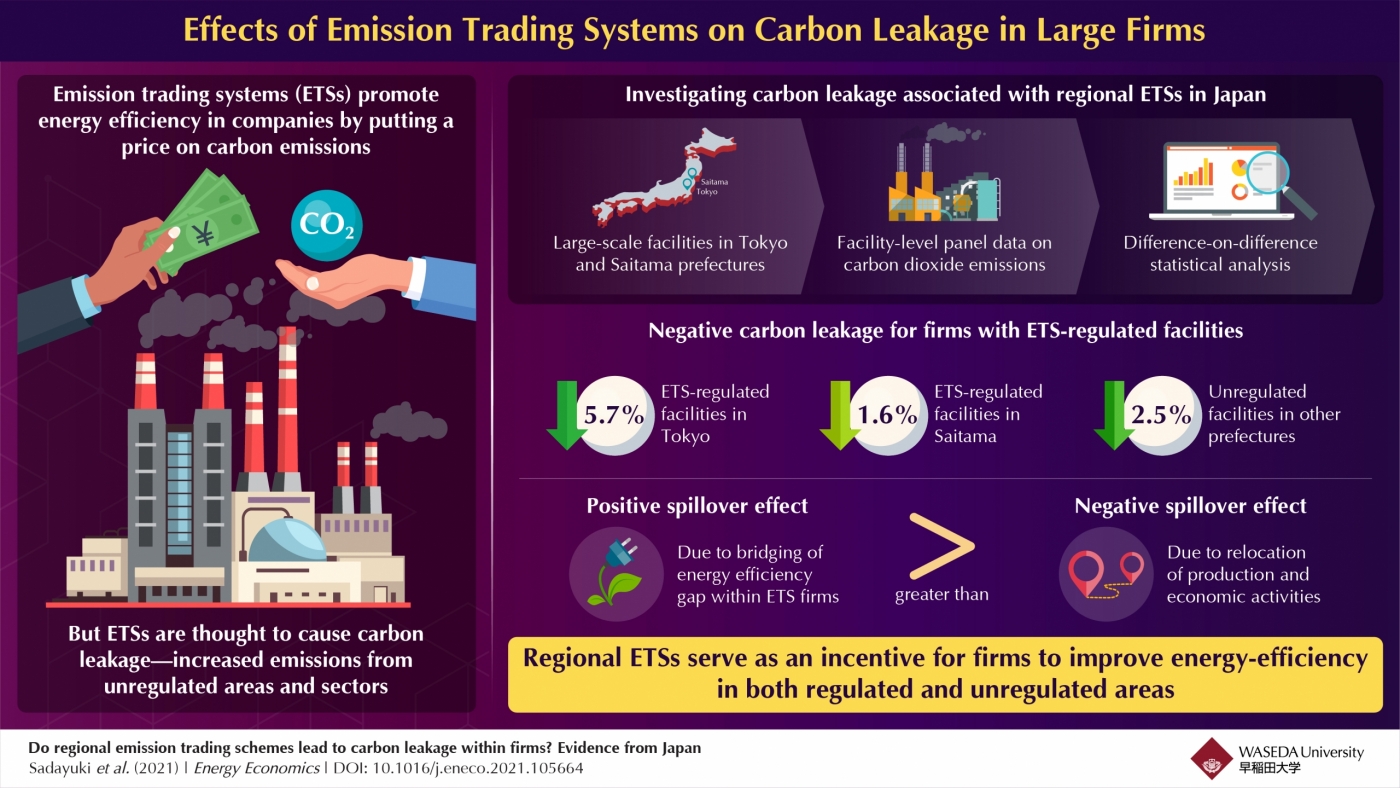
Carbon trading technology innovation has been shown to have a positive impact on green technological innovation, particularly in energy enterprises. A study found that larger enterprises are more willing to engage in green technological innovation when carbon trading is implemented. Moreover, local government competition positively moderates the green technological innovation effect of carbon emission trading.
- Carbon trading policy can indirectly affect green technological innovation by influencing research investment.
- Carbon trading technology innovation can promote green technological innovation by providing a market-based incentive for companies to reduce emissions.
- Local government competition can positively moderate the green technological innovation effect of carbon emission trading.
Carbon Trading Market Mechanisms
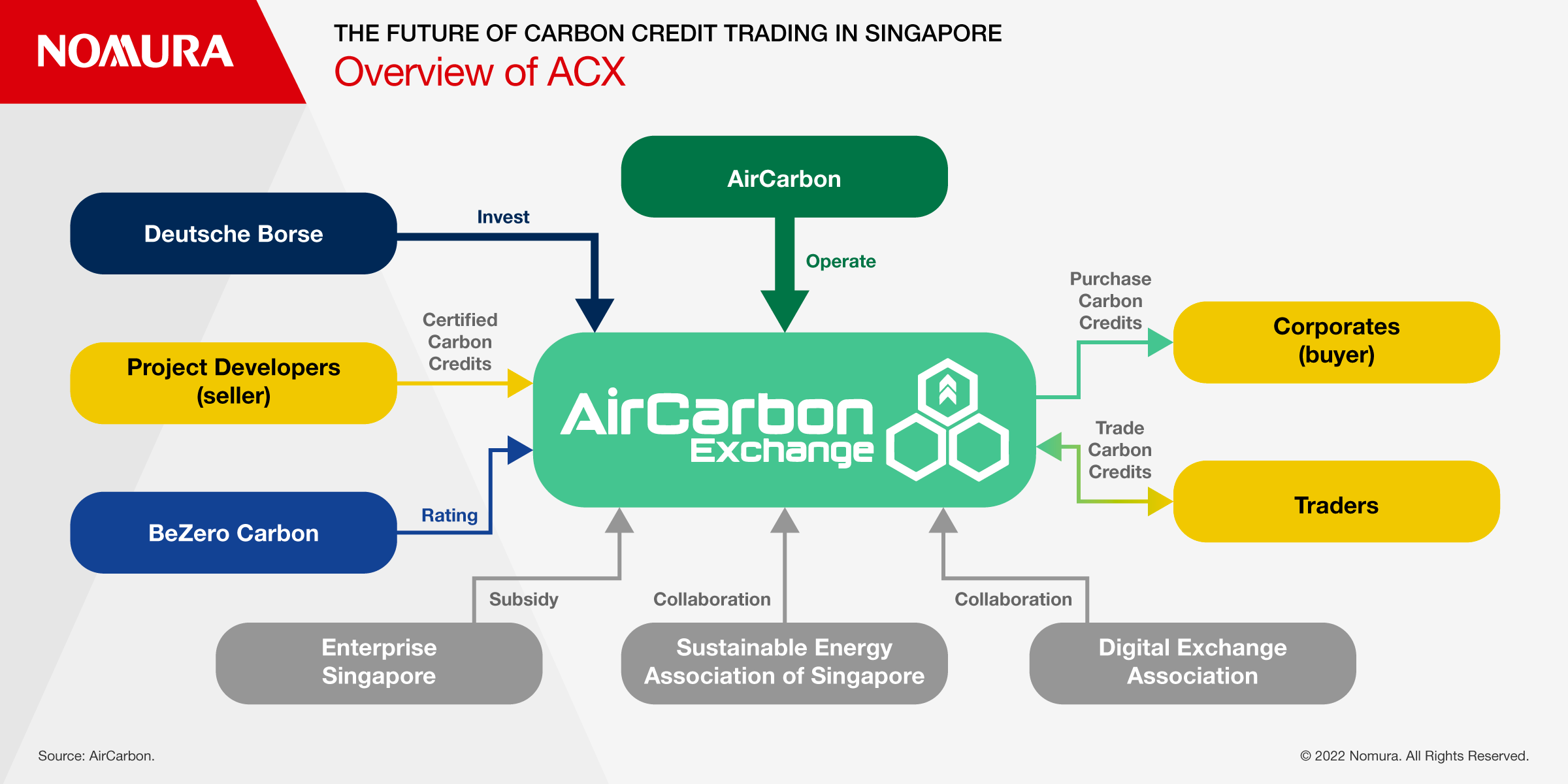
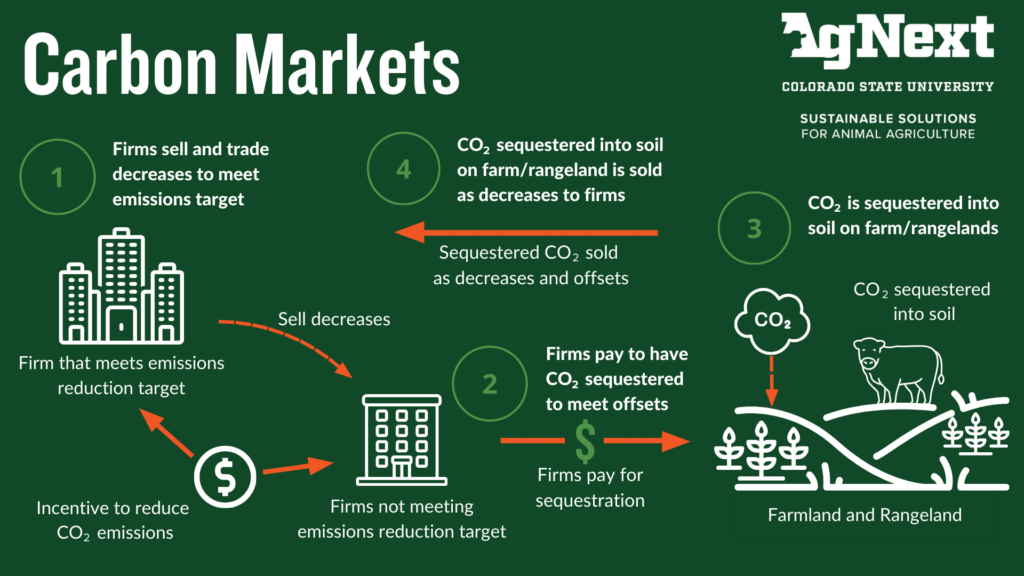
Carbon trading markets operate on the principle of supply and demand. Companies and governments can buy or sell carbon credits, representing one metric ton of carbon dioxide removed or avoided through climate projects. Carbon exchanges facilitate transparent trading, ensuring that carbon credits are genuine, verifiable, and tagged.
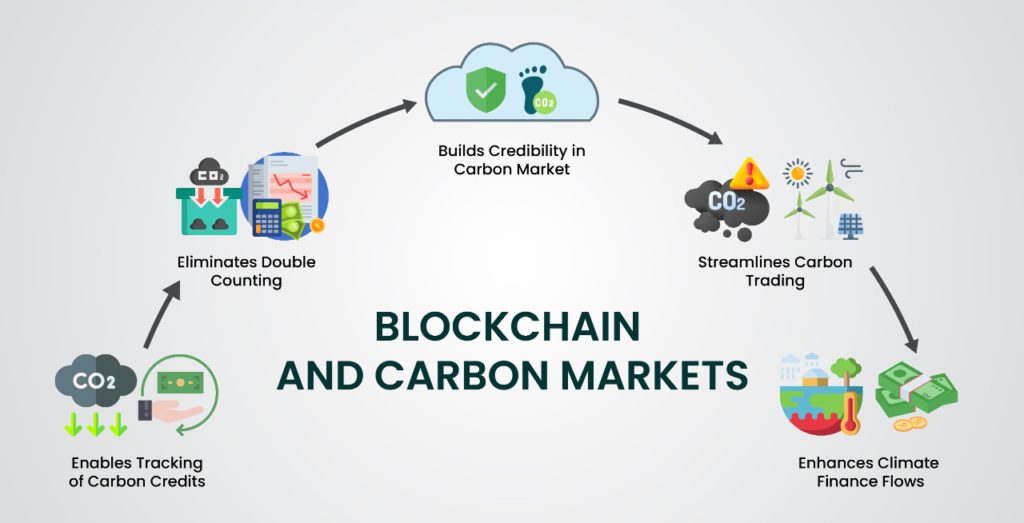
Blockchain technology has improved efficiency, transparency, and accountability in carbon credit management, renewable energy trading, and climate data verification. This innovative technology has the potential to transform how industries address climate change.
The Future of Carbon Trading Technology Innovation
As the world transitions to a low-carbon economy, carbon trading technology innovation will play a significant role in driving green technological innovation. The integration of blockchain technology, advanced data analytics, and artificial intelligence will enhance the efficiency and effectiveness of carbon trading markets.
Moreover, the rise of voluntary carbon markets will provide new opportunities for businesses to engage in carbon trading, promoting green technological innovation and reducing emissions. The future of the Singapore Voluntary Carbon Credit Trading market remains optimistic, driven by continuous technological innovation and increased automation.

Country-Specific Initiatives
China's carbon trading scheme is essential to achieving the country's carbon dioxide emissions reduction goal by 2030 and carbon neutrality by 2060. The pilot carbon emission trading policy introduced in China in 2011 has induced green technological innovation in the energy sector.
Canada's national carbon pricing system has seen companies leveraging innovative technologies, such as carbon capture and storage, to reduce emissions and stay competitive in the market.
Conclusion
Carbon trading technology innovation has emerged as a crucial solution to mitigate the climate crisis. By creating a market-based system, carbon trading incentivizes companies and governments to reduce greenhouse gas emissions, accelerating the transition to a low-carbon economy. As technology continues to evolve, the potential for carbon trading technology innovation to promote green technological innovation and reduce emissions is vast.
Businesses and governments must work together to harness the power of carbon trading technology innovation to achieve a sustainable future.
Recommendations
Establish a robust carbon trading framework that encourages innovation and provides a level playing field for companies.
Invest in research and development of emerging technologies, such as carbon capture and storage, to reduce emissions and improve efficiency.
Encourage collaboration between business, government, and civil society to promote green technological innovation and reduce emissions.