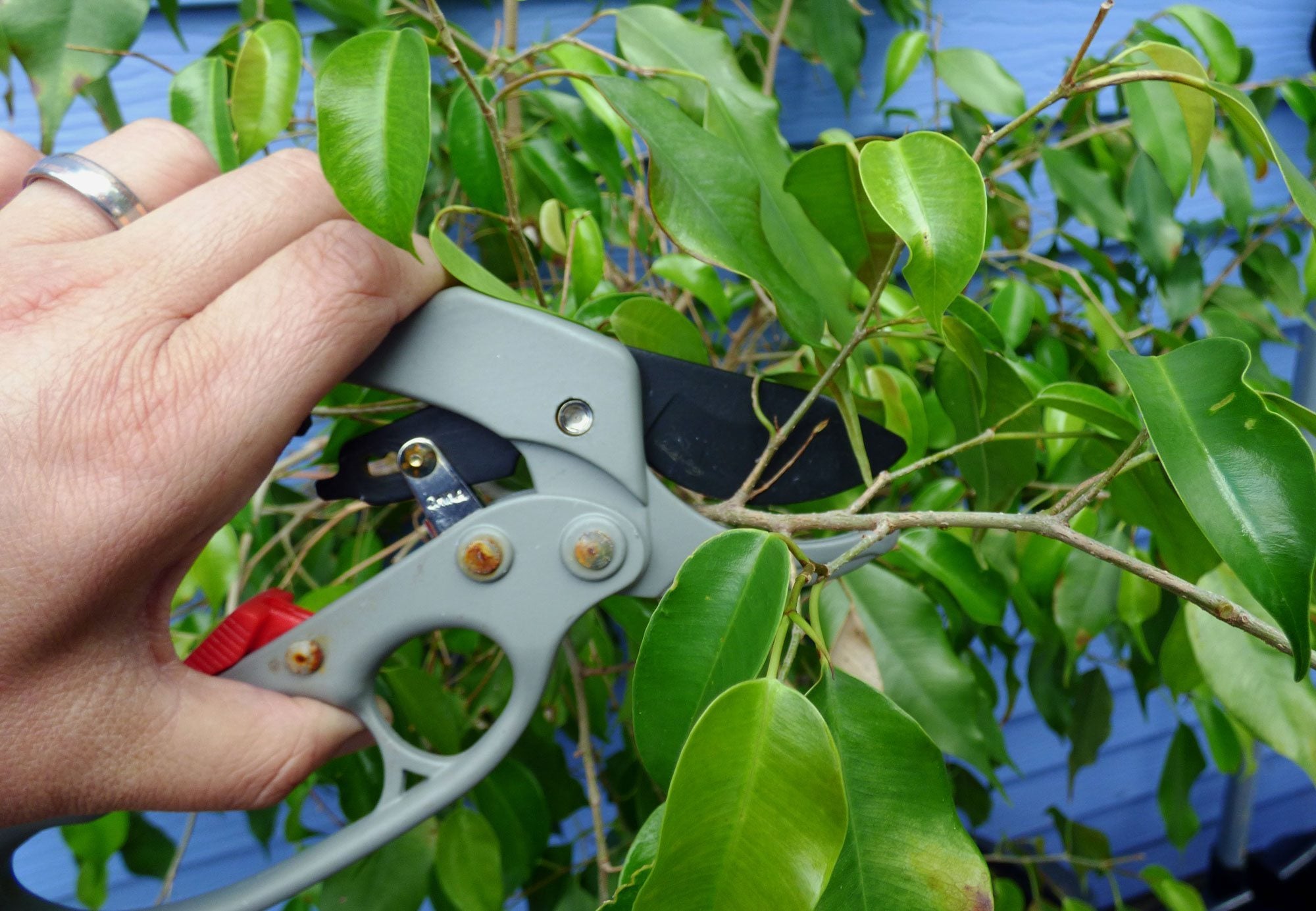
Tree Pruning Guide: Learn the Art of Pruning Trees for Healthy Growth and Safety
Pruning trees is an essential gardening practice that not only helps to maintain the health and safety of your trees but also enhances their aesthetic appeal. Proper pruning techniques can stimulate healthy growth, encourage better fruit production, and even prevent diseases. However, pruning mistakes can cause severe damage or even death to your trees. In this comprehensive tree pruning guide, we will walk you through the essential steps, timing, and techniques for pruning trees.
Why Prune Trees?
Pruning trees is crucial for several reasons, including:
- Safety: Pruning trees helps remove branches that could fall and cause injury or property damage.
- Health: Pruning trees helps remove diseased or damaged branches that can spread disease and attract pests.
- Aesthetics: Pruning trees helps maintain their shape, promote healthy growth, and encourages better flowering and fruit production.
When to Prune Trees?
The timing of tree pruning depends on the type of tree and its growth cycle. Here are some general guidelines:
- Deciduous trees: Prune deciduous trees in late winter or early spring, before new growth begins.
- Evergreen trees: Prune evergreen trees in late spring or early summer, after new growth has begun.
- Trees that bloom in spring: Prune these trees after they finish blooming.
- Trees that bloom in mid-to-late summer: Prune these trees in winter or early spring.
How to Prune Trees?
Pruning trees requires some knowledge and technique. Here are some essential steps to follow:
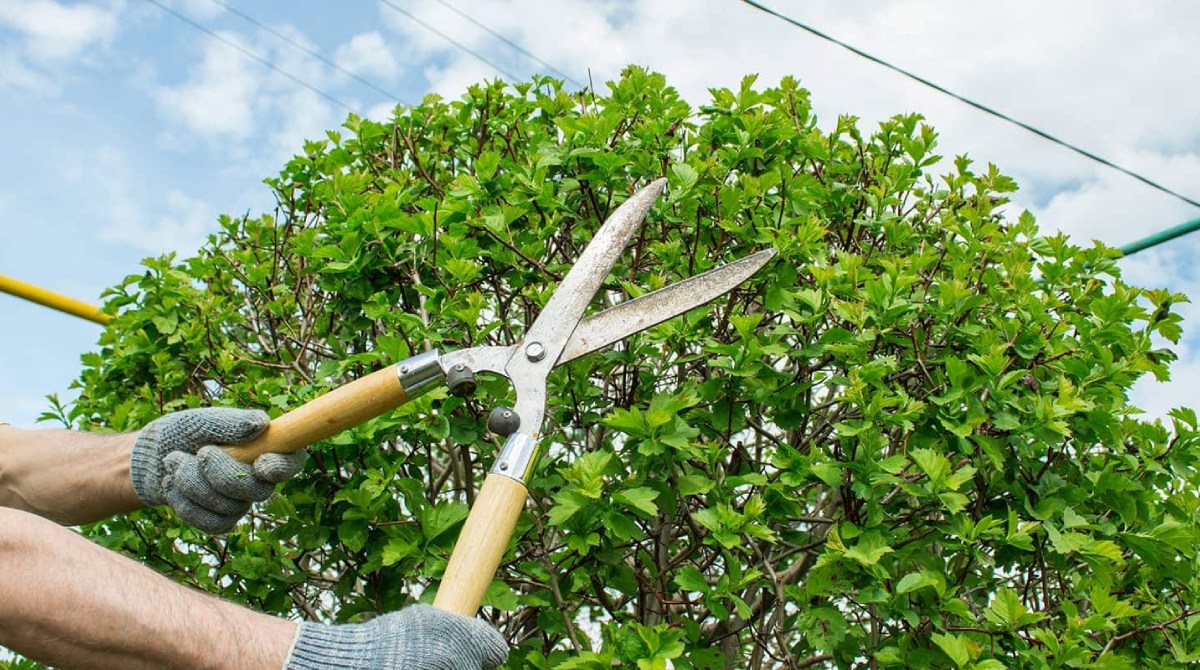
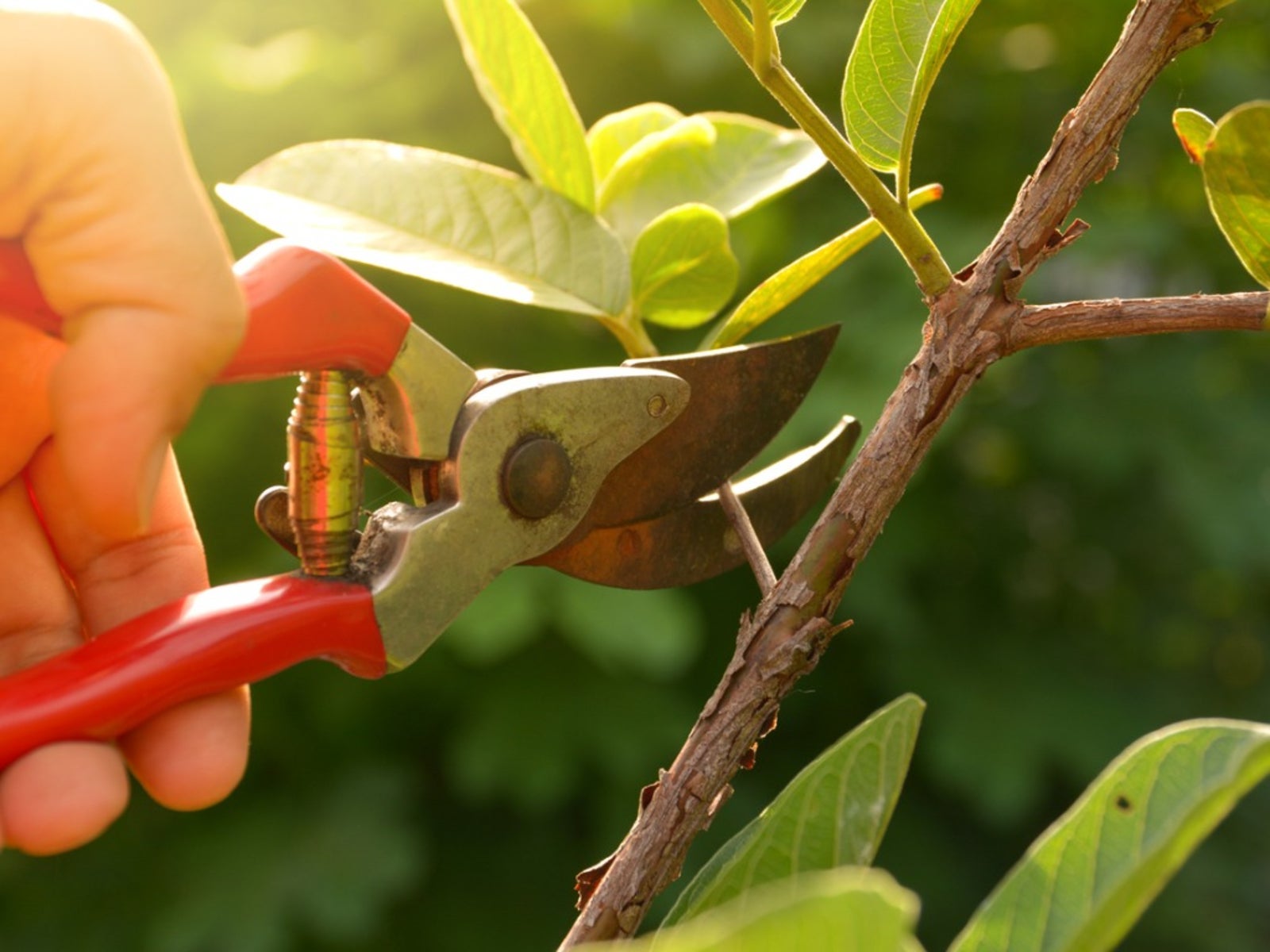
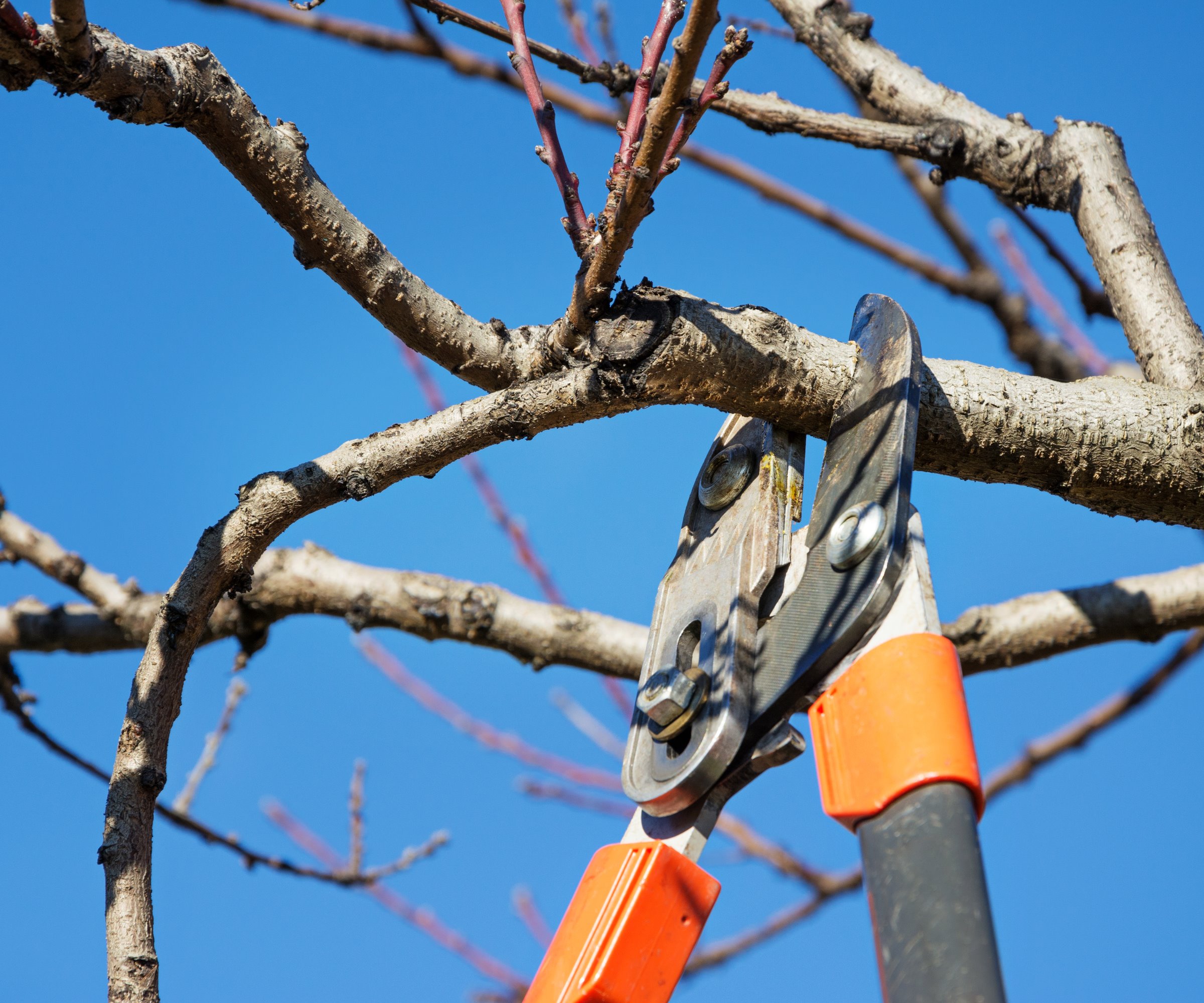
- Use the right pruning tools: Use sharp, clean pruning tools to avoid spreading disease and making clean cuts.
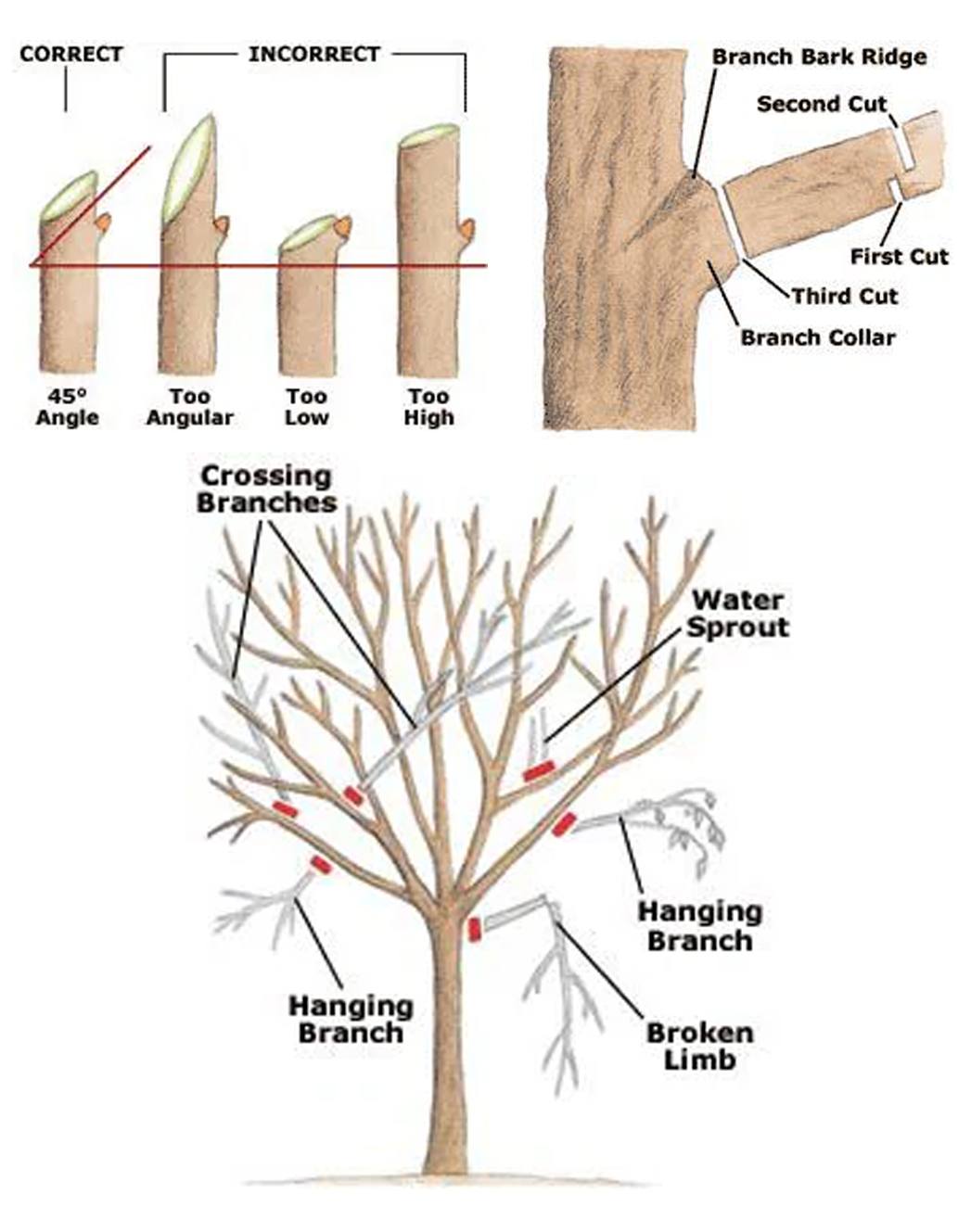
- Identify the type of cut: There are three types of cuts: thinning cuts, reduction cuts, and shaping cuts. Use the right type of cut for the job.
- Make clean cuts: Make cuts at a 45-degree angle, just above a bud or a lateral branch.
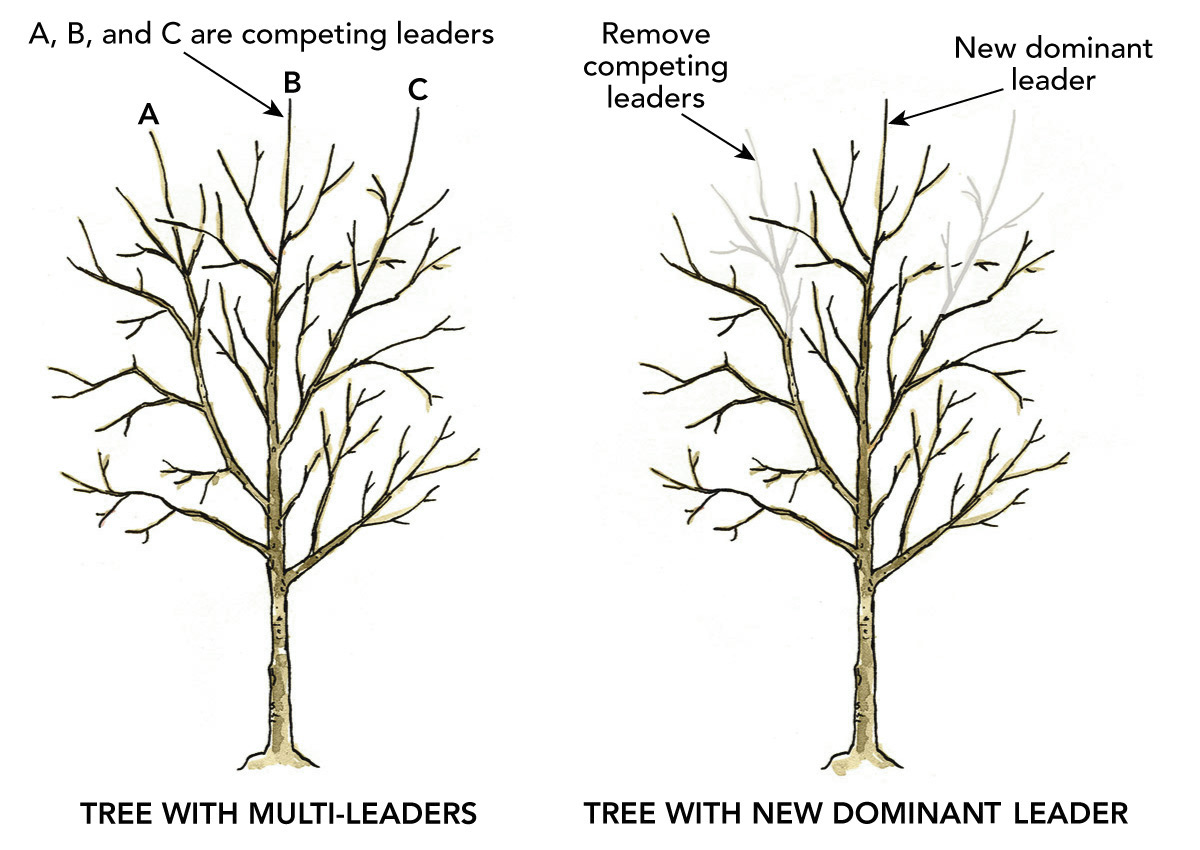
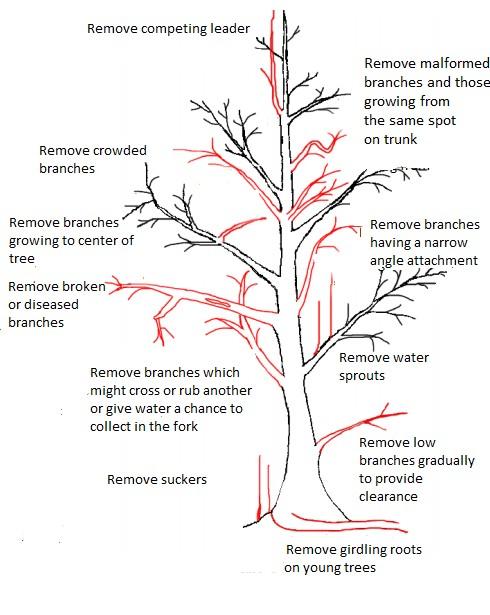
- Remove diseased or damaged branches: Remove any branches that are diseased, damaged, or dead.
- Thin out branches: Thin out branches to allow for good air circulation and sunlight penetration.
Common Pruning Mistakes to Avoid
Pruning mistakes can cause severe damage or even death to your trees. Here are some common mistakes to avoid:
- Pruning too much: Pruning too much can stress the tree and cause disease or pest problems.
- Pruning at the wrong time: Pruning at the wrong time can cause stress to the tree and lead to disease or pest problems.
- Not using the right pruning tools: Not using the right pruning tools can spread disease and make clean cuts difficult.
Conclusion
Pruning trees is an essential gardening practice that requires some knowledge and technique. By following the essential steps, timing, and techniques outlined in this tree pruning guide, you can prune your trees safely and effectively, promoting healthy growth, better flowering and fruit production, and even preventing diseases. Remember to always use the right pruning tools, identify the type of cut, make clean cuts, remove diseased or damaged branches, and thin out branches to achieve the best results.
Additional Tips and Resources
For more information on pruning trees, check out the following resources:
- Tree Pruning Guide - A comprehensive guide to pruning trees, including tips, techniques, and resources.
- Tree Pruning Guide - A guide to pruning trees, including tips, techniques, and resources from the Arbor Day Foundation.
- Tree Pruning Guide - A comprehensive guide to pruning trees, including tips, techniques, and resources from various online sources.
Get Started with Pruning Trees Today!
With the right knowledge and technique, you can prune your trees safely and effectively, promoting healthy growth, better flowering and fruit production, and even preventing diseases. Start pruning your trees today and enjoy the many benefits of proper tree care!



:max_bytes(150000):strip_icc()/Maintenance-pruning-an-overgrown-apple-tree-4070267_v5-beb94d56c5ab4312ac617b514a4bff53.jpg "PDFTree Pruning Essentials - Purdue University")


:max_bytes(150000):strip_icc()/how-and-when-to-prune-plants-1403009_v4-34653a77929249f48dc96cd971af7411.png "Pruning - Landscape plants - Edward F. Gilman - UF/IFAS")