Unlocking the Potential of Corporate AI Adoption Strategies
As artificial intelligence (AI) continues to transform businesses and industries, the question on every executive's mind is: how can we effectively integrate AI into our corporate strategy? The answer lies in adopting a well-planned and executed AI adoption strategy.
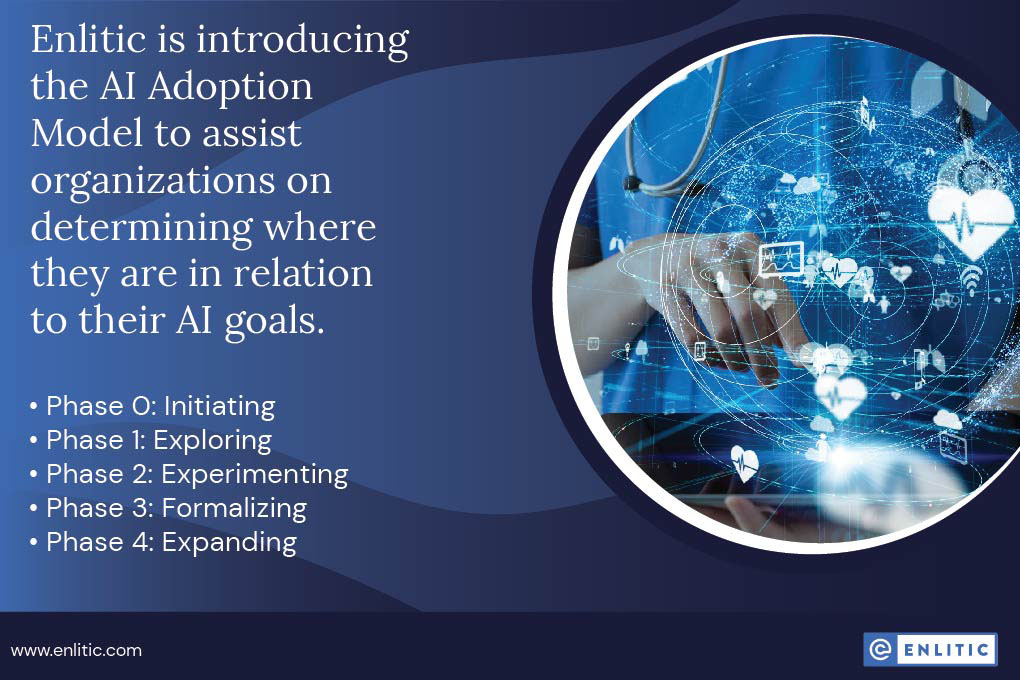
The 4 Stages of AI Adoption
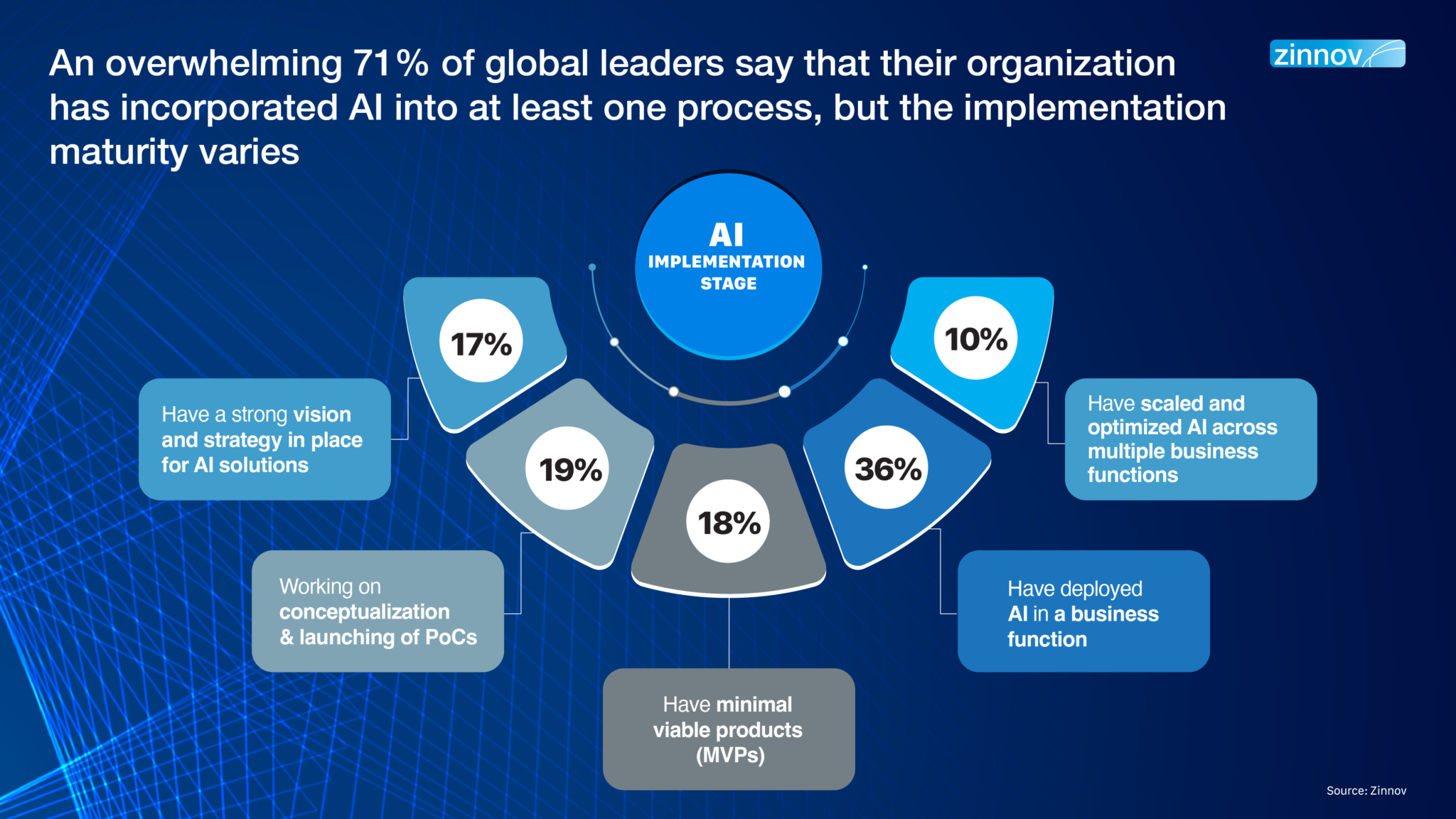
Recent studies suggest that most small and mid-sized businesses are still stuck at level 1 of AI adoption, where they are simply experimenting with AI tools. To truly unlock the potential of AI, businesses need to move beyond this stage and adopt a more advanced AI adoption strategy. This involves understanding the different stages of AI adoption, including experimentation, pilot projects, scaled adoption, and full-scale transformation.
Key Components of a Successful AI Adoption Strategy
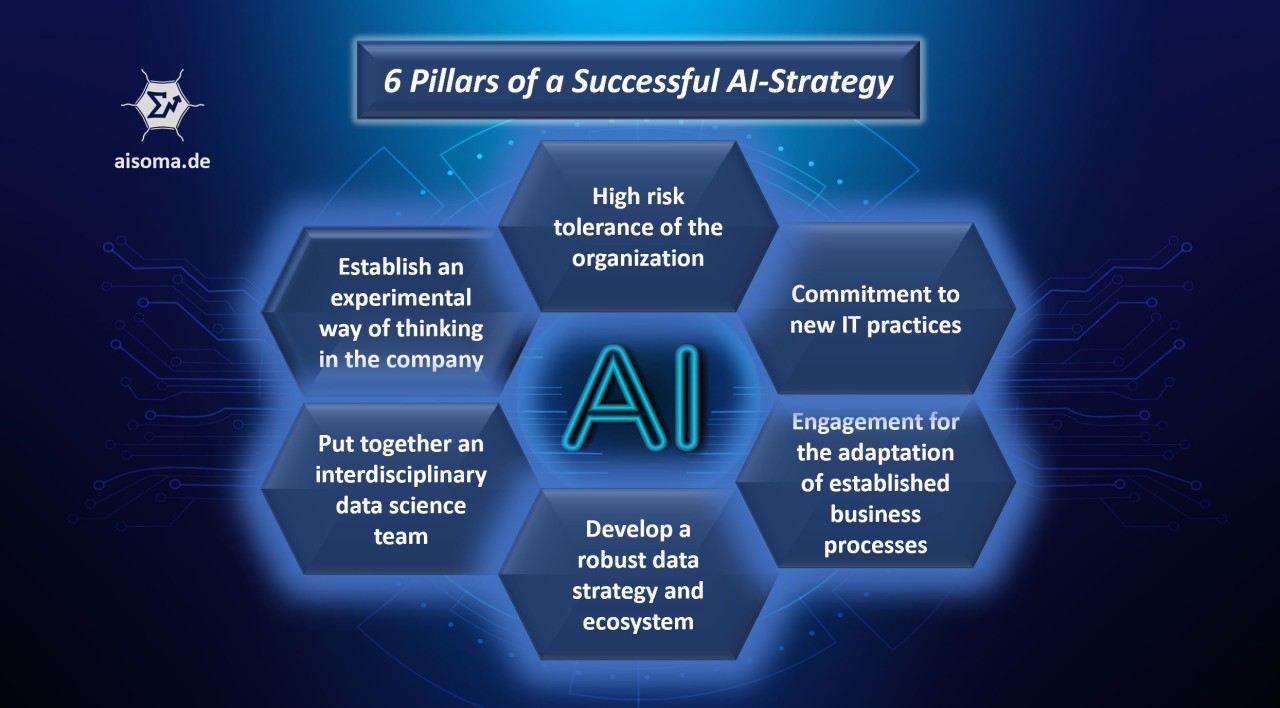
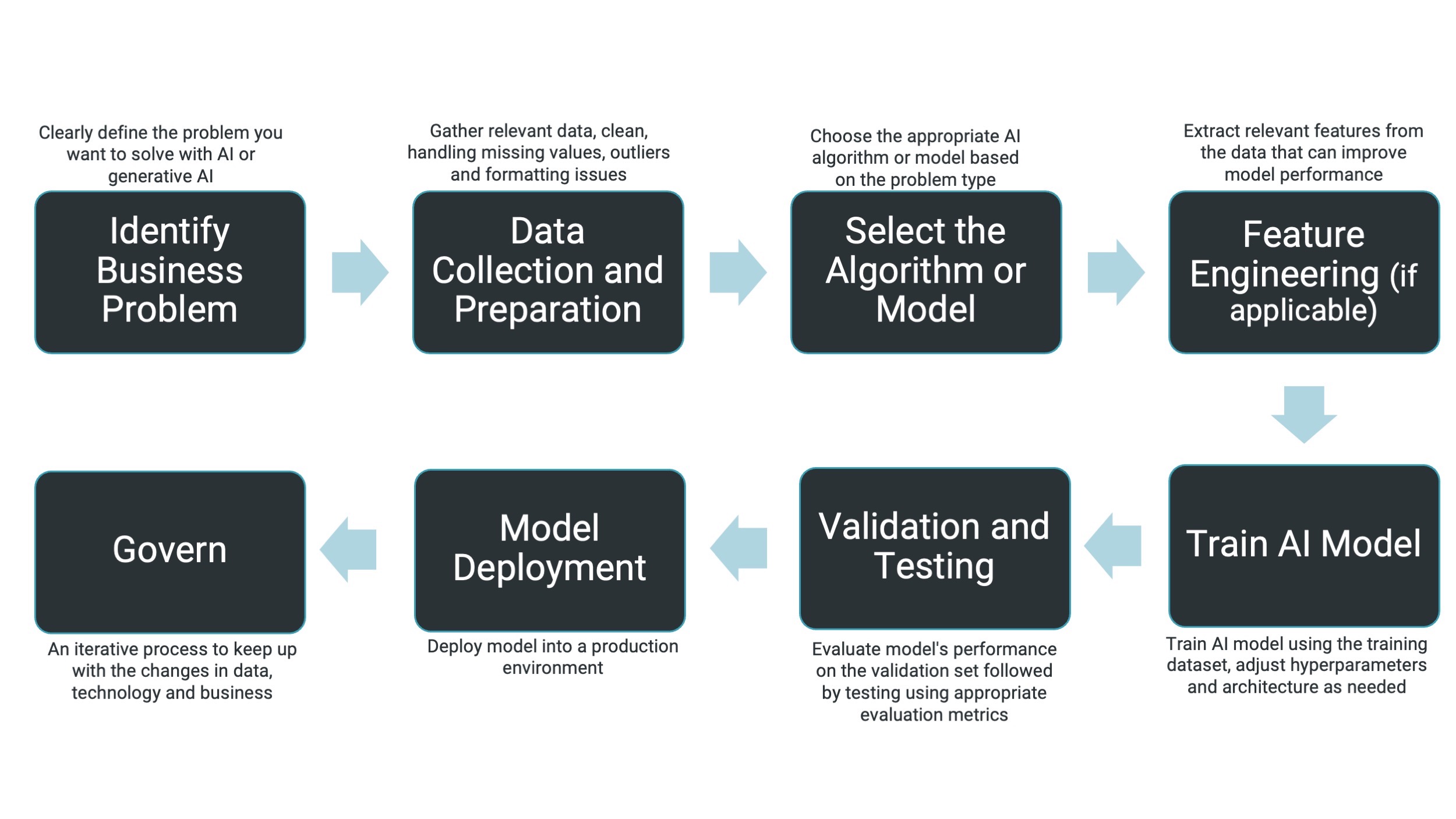
Developing a strong AI adoption strategy is essential for any organization committed to an AI-first approach. A successful AI adoption strategy should include the following key components:
- Clear Business Goals**: Establishing a clear understanding of the business goals and objectives that AI can help achieve.
- ID of AI Use Cases**: Identifying specific use cases where AI can add value to the business.
- Evaluation of Costs**: Assessing the costs and benefits of AI adoption, including the cost of AI tools, training, and maintenance.
- Organizational Readiness**: Ensuring that the organization is ready for AI adoption, including having the necessary skills, culture, and infrastructure.
- Risk Management**: Developing strategies to manage the risks associated with AI adoption, including data quality, bias, and security.
- Continuous Learning**: Embracing a culture of continuous learning and improvement, where AI adoption is ongoing and evolving.
Challenges in AI Adoption
Despite the potential benefits of AI adoption, many organizations face significant challenges in implementing AI. These challenges include:
- Aligning Leadership**: Ensuring that leaders are aligned and committed to AI adoption.
- Addressing Cost Uncertainty**: Managing the uncertainty and complexity of AI costs.
- Workforce Planning**: Ensuring that the workforce has the necessary skills and training to work with AI.
- Managing Supply Chain Dependencies**: Ensuring that AI adoption does not create supply chain dependencies.
- Meeting Demand for Explainability**: Ensuring that AI models are transparent and explainable.
Strategies for Successful AI Adoption

So, what can organizations do to overcome these challenges and achieve successful AI adoption? Here are some strategies that can help:
- Develop a Clear AI Roadmap**: Establishing a clear AI roadmap that outlines the business goals, use cases, costs, and benefits of AI adoption.
- Invest in AI Training and Education**: Investing in AI training and education for employees to ensure they have the necessary skills to work with AI.
- Develop a Culture of Continuous Learning**: Embracing a culture of continuous learning and improvement, where AI adoption is ongoing and evolving.
- Partner with AI Experts**: Partnering with AI experts to help develop and implement AI adoption strategies.
- Monitor and Evaluate AI Adoption**: Regularly monitoring and evaluating AI adoption to ensure it is meeting business goals and objectives.
Conclusion
AI adoption is a journey, not a destination. It requires a well-planned and executed strategy that takes into account the unique needs and challenges of the organization. By understanding the key components of a successful AI adoption strategy, overcoming common challenges, and implementing effective strategies, organizations can unlock the potential of AI and achieve significant business benefits.
References
Fortune Business Insights. (2025). AI Adoption in Corporates.
McKinsey. (2025). The State of AI Adoption.
Palantir. (2025). AI Adoption in the Enterprise.
Forbes. (2025). The Future of AI Adoption.
Fast Company. (2025). The Business Benefits of AI Adoption.