Field Irrigation Sprinkler System Installation: A Comprehensive Guide
Installing a field irrigation sprinkler system is a complex process that requires careful planning, execution, and maintenance. In this article, we will walk you through the entire process of installing a field irrigation sprinkler system, from designing the system to installing the sprinklers and ensuring proper performance.
What is a Field Irrigation Sprinkler System?
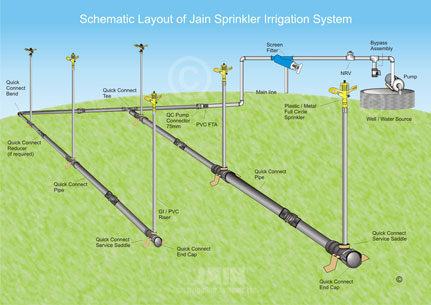
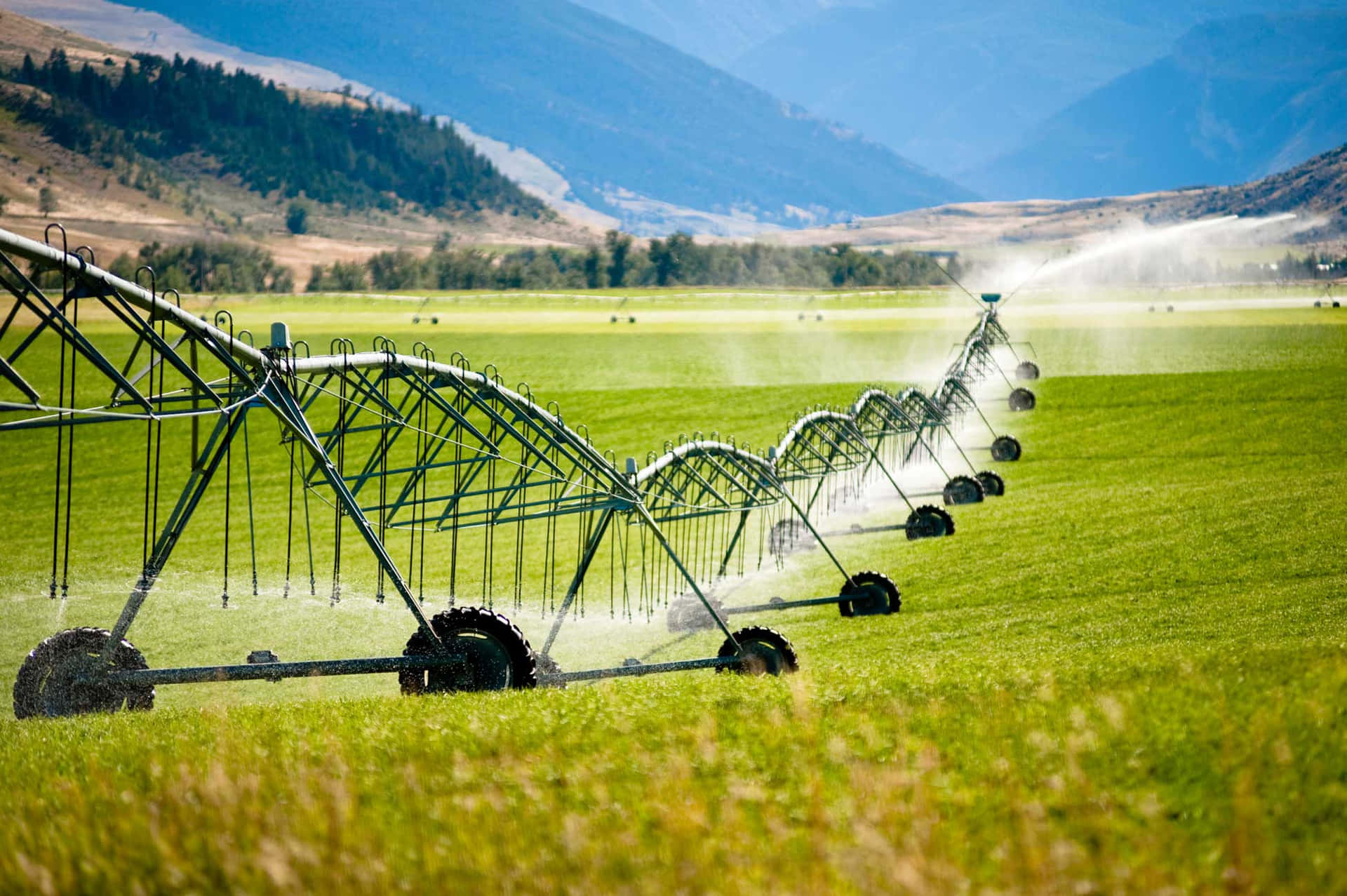
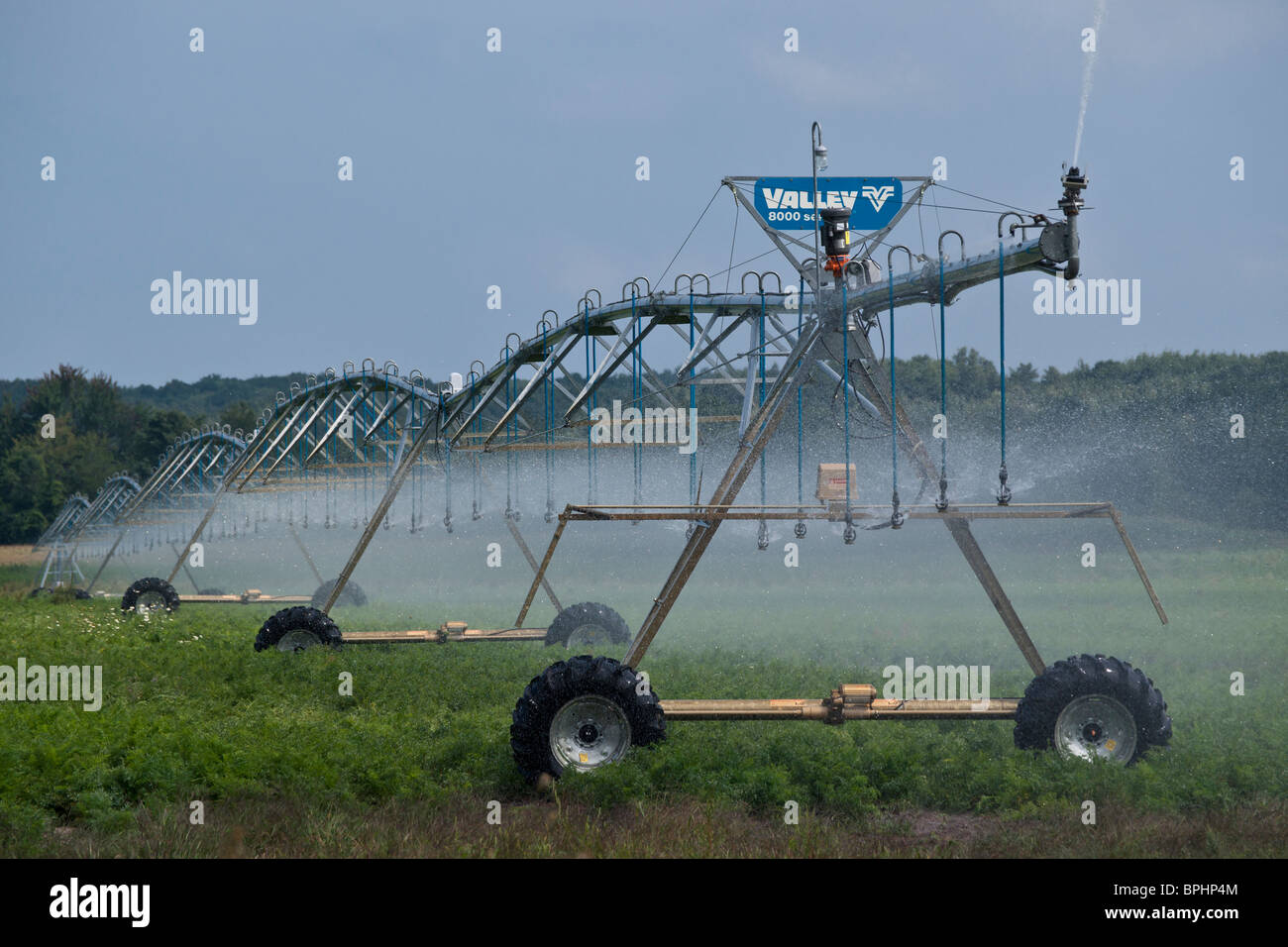
A field irrigation sprinkler system is a method of watering lawns, gardens, landscapes, or agricultural fields by distributing water through a network of pipes and sprinklers, replicating rainfall. The system consists of a water source, a pump, pipes, sprinklers, and a control system. The sprinklers are designed to distribute water evenly across the field, ensuring that every area receives the right amount of water.
Components of a Field Irrigation Sprinkler System
- Water Source: This can be a municipal line, well, or pump.
- Pump: This is responsible for pressurizing the water in the system.
- Pipes: These are the tubes that carry water from the pump to the sprinklers.
- Sprinklers: These are the devices that distribute water evenly across the field.
- Control System: This is the brain of the system, responsible for controlling the flow of water to the sprinklers.
Designing the Field Irrigation Sprinkler System
Before installing the sprinkler system, it's essential to design the system carefully. This involves determining the size and layout of the field, the type of crops being grown, and the amount of water required. The design should also take into account the topography of the field, the soil type, and the climate.
Installing the Field Irrigation Sprinkler System
Once the design is complete, the installation process can begin. This involves digging trenches for the pipes, laying the pipes, and installing the sprinklers. The sprinklers should be spaced evenly apart to ensure that every area of the field receives the right amount of water.
Types of Sprinklers
There are several types of sprinklers available, including:
- Impact Sprinklers: These are the most common type of sprinkler and are suitable for most fields.
- Pop-up Sprinklers: These are designed for residential use and are easy to install and maintain.
- Micro-Sprinklers: These are designed for small areas and are ideal for gardens and small fields.
- Drip Irrigation: This type of irrigation delivers water directly to the roots of the plants, reducing evaporation and runoff.
Benefits of a Field Irrigation Sprinkler System
A field irrigation sprinkler system offers several benefits, including:
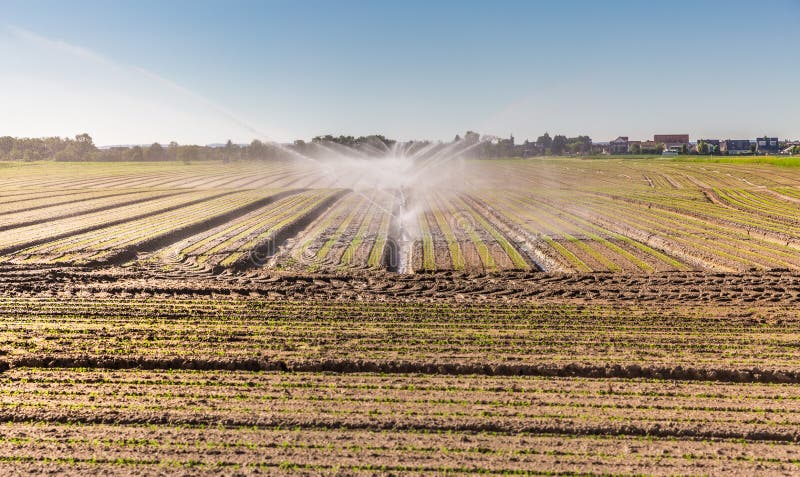
- Water Conservation: By distributing water evenly across the field, the system reduces water waste and conserves water.
- Increased Crop Yield: By providing the right amount of water to the crops, the system can increase crop yield and improve crop quality.
- Reduced Labor: The system automates the watering process, reducing the need for manual watering.
- Improved Soil Health: By delivering water directly to the roots of the plants, the system reduces soil erosion and improves soil health.
Conclusion
Installing a field irrigation sprinkler system is a complex process that requires careful planning, execution, and maintenance. By following the steps outlined in this article, you can design and install a field irrigation sprinkler system that meets your needs and provides several benefits, including water conservation, increased crop yield, reduced labor, and improved soil health.
Additional Resources
For more information on field irrigation sprinkler systems, including installation, maintenance, and repair, contact a professional irrigation company or visit the following websites:
- Summer Rain Sprinkler Systems, Inc.
- American Irrigation Repair
- U.S. Lawns of Bowling Green
FAQs
Q: What is the best type of sprinkler for my field?
A: The best type of sprinkler for your field depends on the size and layout of the field, the type of crops being grown, and the amount of water required.