Setting up Home Wi-Fi Network Tips: A Comprehensive Guide
In today's digital age, a reliable home Wi-Fi network is no longer a luxury, but a necessity. With so many devices connected to the internet at any given time, it's essential to set up a strong and secure network that can handle the demands of your devices. In this article, we'll walk you through the process of setting up a home Wi-Fi network, from connecting your modem and router to securing your network.
Step 1: Gather Your Equipment
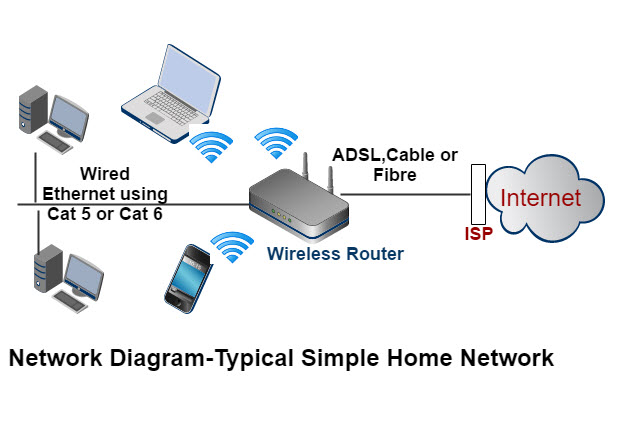
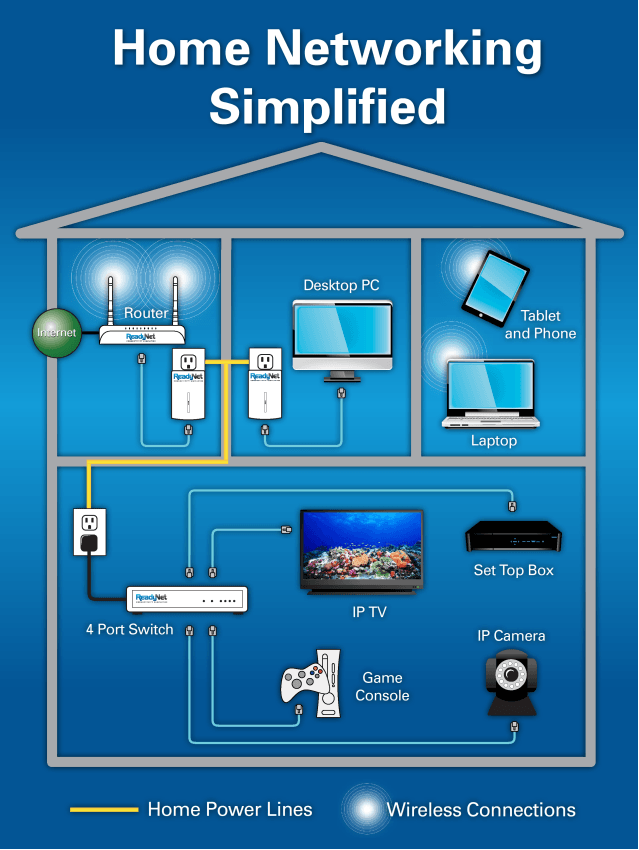
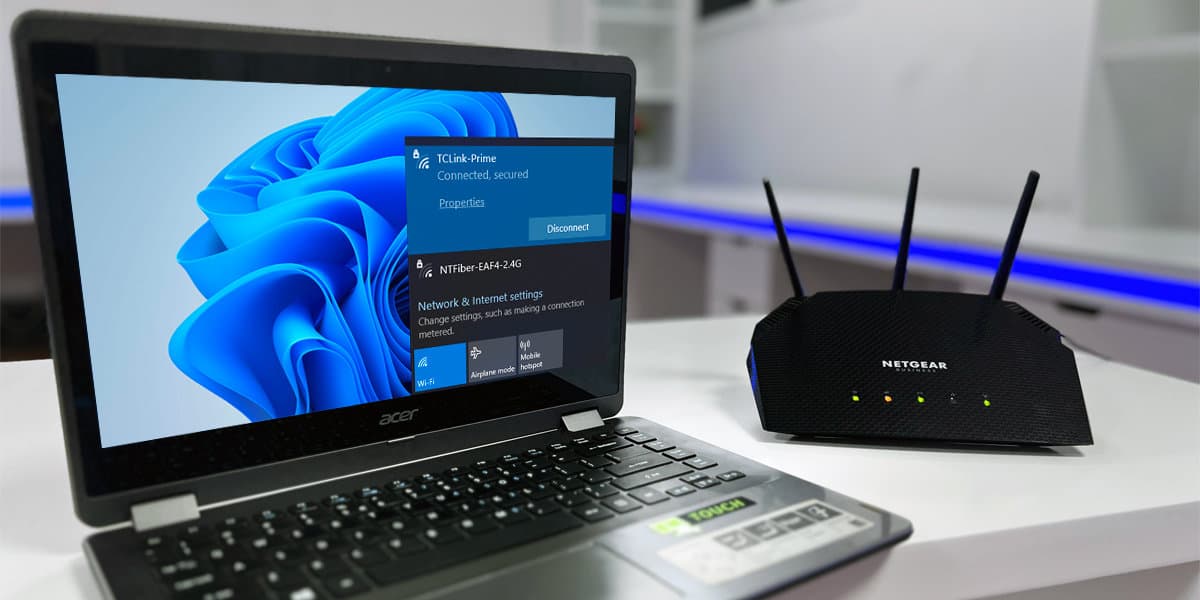
Before we dive into the setup process, make sure you have all the necessary equipment. This includes a modem, a Wi-Fi router, Ethernet cables, a computer or mobile device, and a strong and stable power source. A Wi-Fi router is the central component of your home network, responsible for transmitting and receiving data between devices.
Step 2: Physical Installation
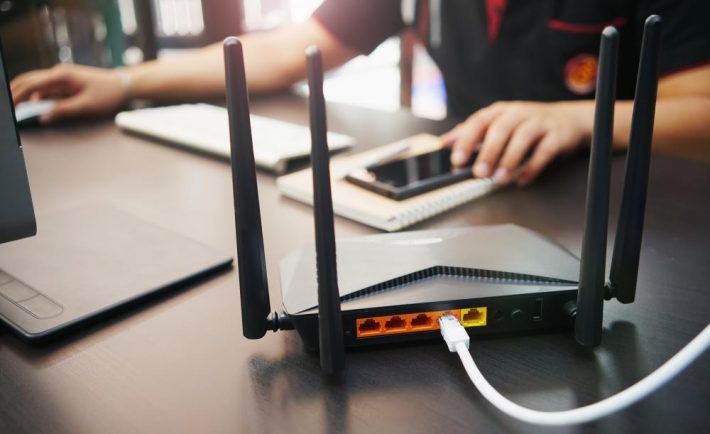
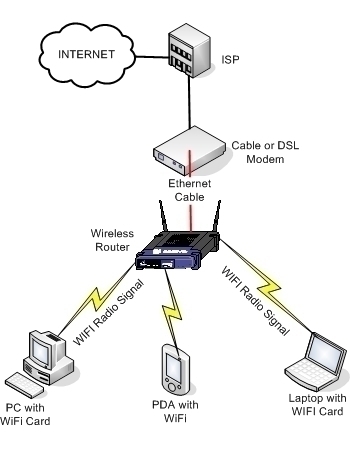
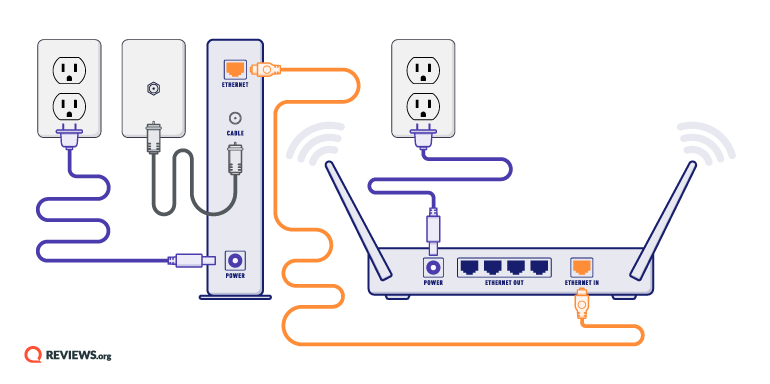
Place your modem in a convenient location, ideally close to your router, to minimize signal loss. Connect the modem to your router using an Ethernet cable. Plug in your router and modem, and turn them on. Wait for a few minutes for the devices to boot up and establish a stable connection.
Step 3: Set Up Your Wi-Fi Network
- Choose a Network Name (SSID): Set up a unique and memorable name for your network. This will help you identify your network on other devices.
- Set Up a Strong Password: Create a strong and unique password that's difficult to guess. This will prevent unauthorized access to your network.
- Set Up a Guest Network (Optional): If you want to provide internet access to guests, set up a separate guest network with a different password.
Step 4: Configure Your Router Settings
Access your router's dashboard by typing its IP address in a web browser. You can usually find the IP address on your router's packaging or in the user manual. Update the router's settings to your liking, including the SSID, password, and guest network settings.
Step 5: Secure Your Network

An unprotected network is susceptible to security breaches and hackers. Take the following steps to secure your network:
- Enable WPA2 encryption: This is the most secure encryption protocol for Wi-Fi.
- Set up a guest network: Provide a separate network for guests with its own password.
- Set up a firewall: Enable the firewall on your router to block incoming and outgoing network traffic.
- Regularly update your router's firmware: Keep your router's firmware up to date to fix security vulnerabilities.
Step 6: Test Your Network
Once you've completed the setup process, test your network by connecting multiple devices to it. Check for any dropped connections, slow speeds, or other issues. Make any necessary adjustments to your router settings or configuration.
Additional Tips and Tricks
- Use Quality of Service (QoS) settings: Prioritize critical applications, such as video streaming, by setting QoS settings on your router.
- Use a Wi-Fi range extender: If you have a large home or poor Wi-Fi signal strength, consider using a Wi-Fi range extender to boost your network's coverage.
- Keep your devices up to date: Regularly update your devices' firmware and software to ensure they're compatible with the latest security protocols.
- Use a password manager: Secure your network's password and other sensitive information by using a password manager.
Conclusion
Setting up a home Wi-Fi network can seem daunting, but with these steps and tips, you'll be able to create a strong and secure network that can meet the demands of your devices. Remember to regularly update your router's firmware, keep your devices up to date, and use quality of service settings to prioritize critical applications.
Final Checklists
- Modem and router: Connected to a power source and a stable power supply.
- Router settings: Confirmed your network name, password, and guest network settings.
- Security: Enabled WPA2 encryption, set up a firewall, and regularly updating your router's firmware.