How to Manage Hunger on a GLP-1 Diet
GLP-1 (Glucagon-like peptide-1) medications are designed to help individuals with obesity and metabolic health issues manage their hunger, weight, and blood sugar levels. However, combining these medications with a mindful and balanced diet is crucial to maximize their effectiveness and minimize potential side effects. In this article, we will explore how to effectively manage hunger on a GLP-1 diet, including the importance of protein, meal timing, and fiber, as well as strategies for preventing weight regain.
Understanding the Role of GLP-1 in Hunger Regulation
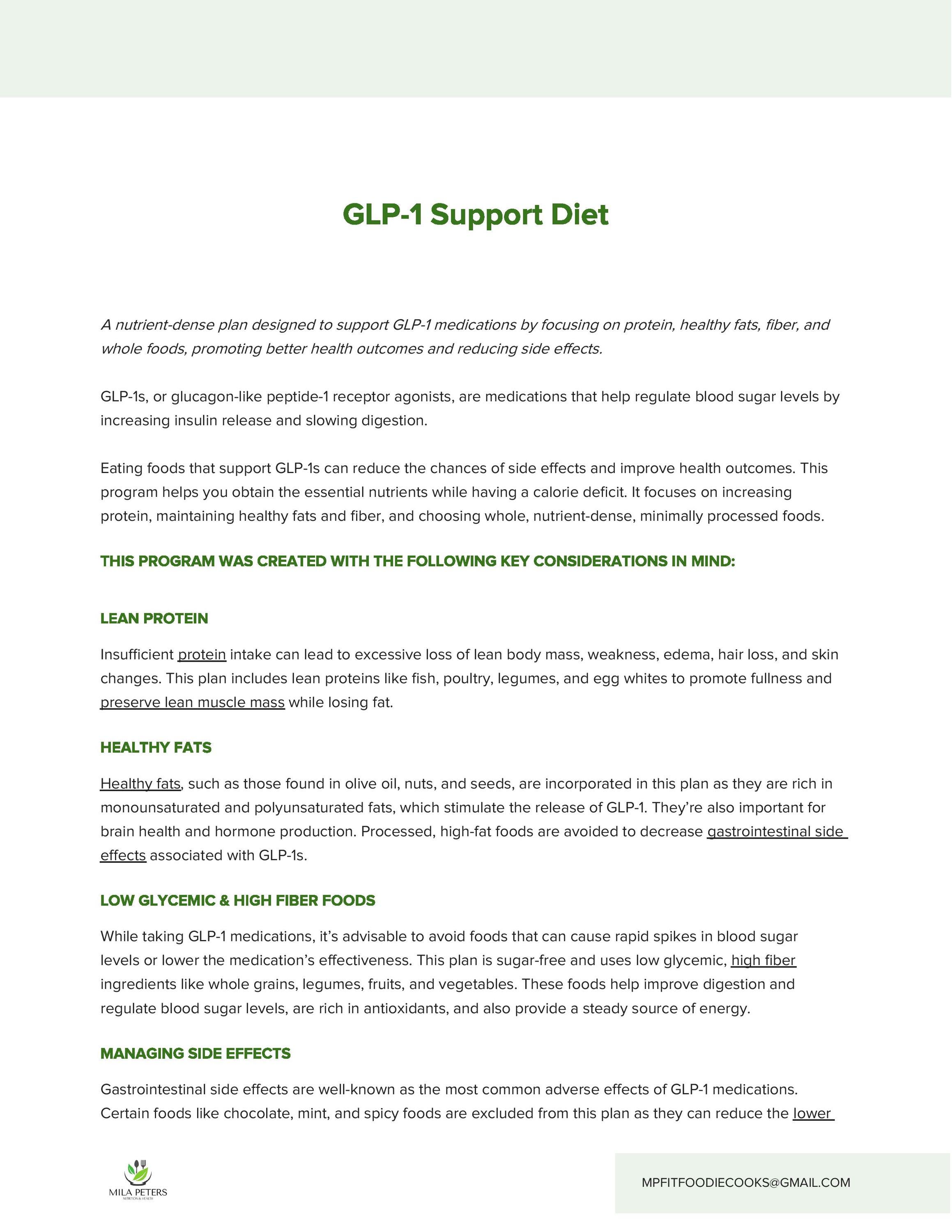
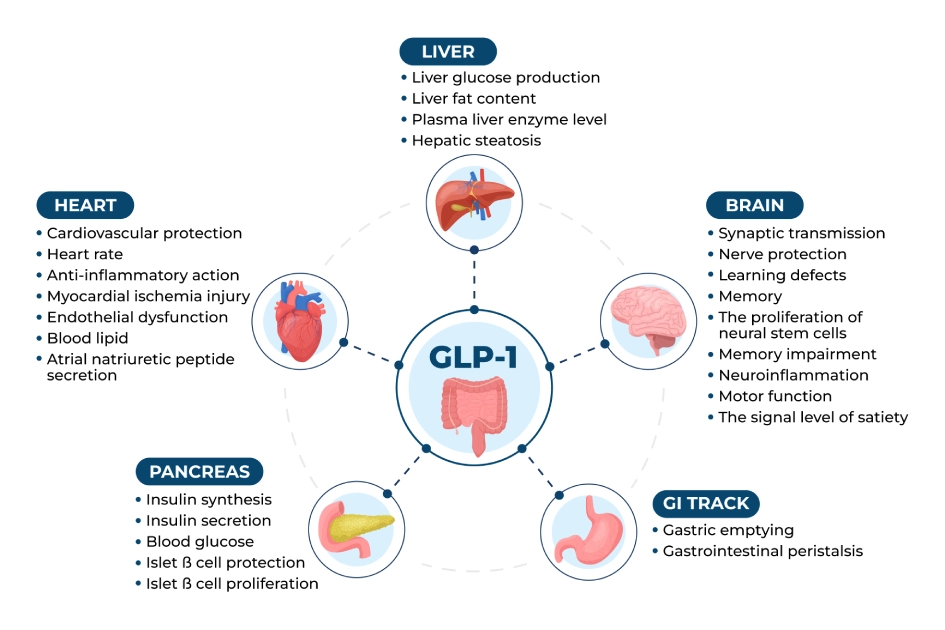
GLP-1 is a hormone produced in the gut that plays a significant role in regulating appetite and blood sugar levels. It signals the brain to feel full and tells the pancreas to release insulin, which helps to manage body weight. Foods high in protein are particularly effective at increasing GLP-1 levels, which can help individuals feel full and satisfied for longer periods.
How to Increase GLP-1 Levels through Diet
-
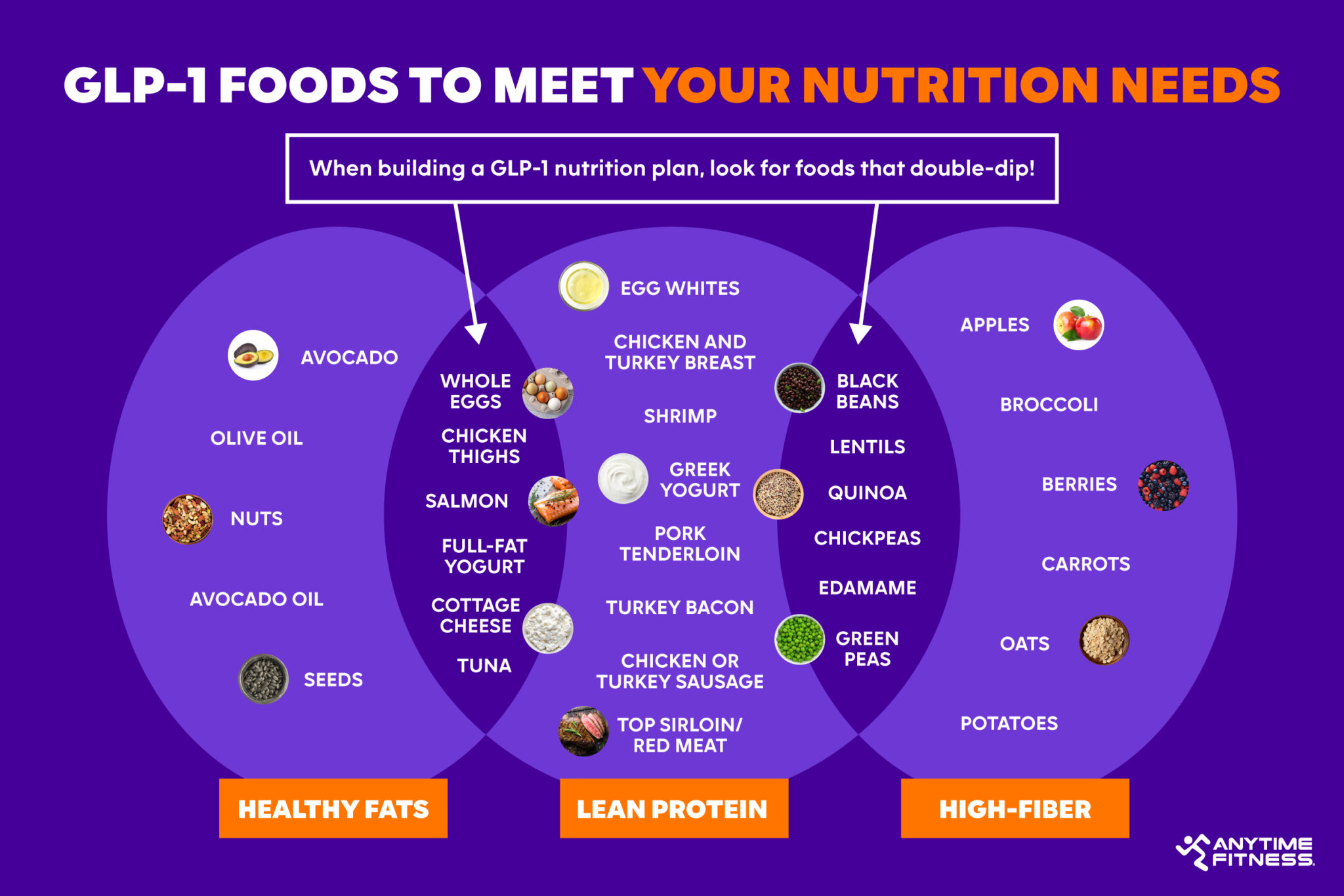
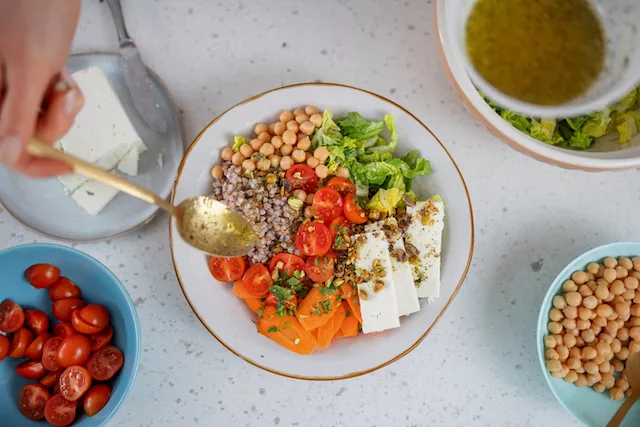
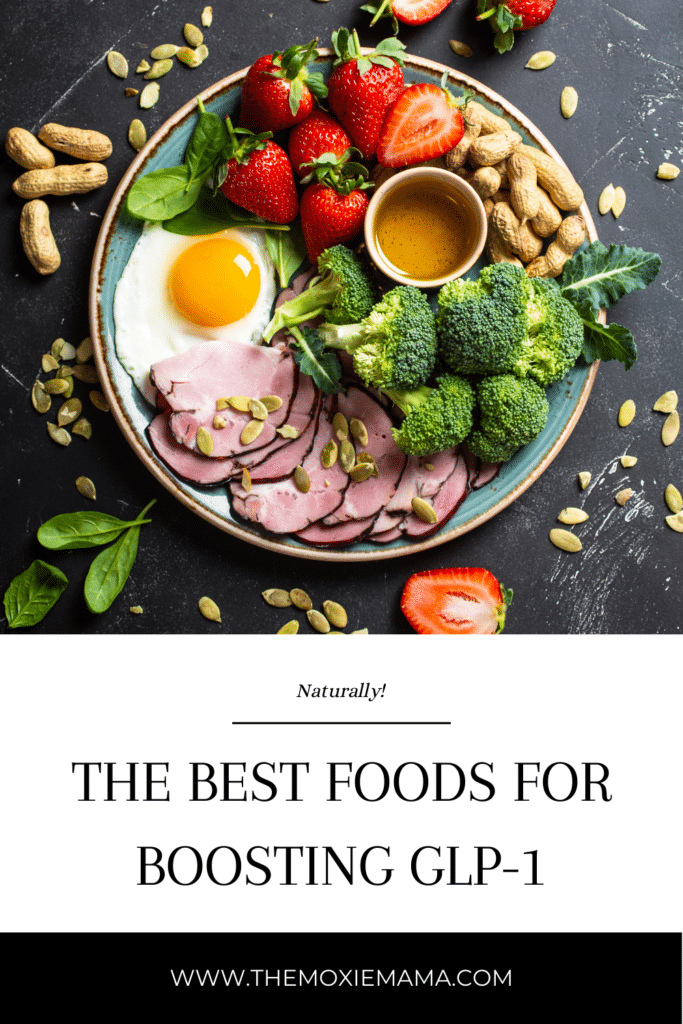
Protein-rich foods: Incorporate high-protein foods like lean meats, fish, eggs, tofu, and legumes into your diet to increase GLP-1 levels. Aim for 0.8-1 gram of protein per pound of body weight per day.
-
High-fiber foods: Include high-fiber foods like fruits, vegetables, whole grains, and legumes in your diet to slow digestion and keep you feeling full for longer.
-
Healthy fats: Incorporate healthy fats like avocados, nuts, and olive oil into your diet to provide a feeling of fullness and satisfaction.
-
Low glycemic index foods: Choose low glycemic index foods like whole grains, fruits, and vegetables to help regulate blood sugar levels and manage hunger.
Strategies for Preventing Weight Regain

Preventing weight regain requires a long-term commitment to healthy eating habits and regular physical activity. Here are some strategies to help you maintain your weight loss:
-
Regular exercise: Engage in regular physical activity, such as cardio, strength training, and high-intensity interval training, to maintain muscle mass and boost metabolism.
-
Strength training: Incorporate strength training exercises into your routine to build muscle mass and increase metabolism.
-
Progressive overload: Gradually increase the weight or resistance you're lifting to continue challenging your muscles and preventing muscle atrophy.
-
Realistic expectations: Understand that weight loss and weight maintenance are long-term processes. Set realistic expectations and celebrate small victories along the way.
Conclusion
Managing hunger on a GLP-1 diet requires a comprehensive approach that incorporates protein-rich foods, high-fiber foods, healthy fats, and low glycemic index foods. By combining these dietary strategies with regular physical activity and strength training, you can effectively manage hunger, prevent weight regain, and maintain a healthy weight for the long term.
Additional Tips for GLP-1 Diet
-
Monitor your medication regimen and adjust as needed to minimize side effects and maximize weight loss.
-
Keep a food diary to track your eating habits, hunger levels, and energy expenditure to identify patterns and areas for improvement.
-
Consult with a registered dietitian or a healthcare professional to develop a personalized weight loss plan that suits your needs and goals.