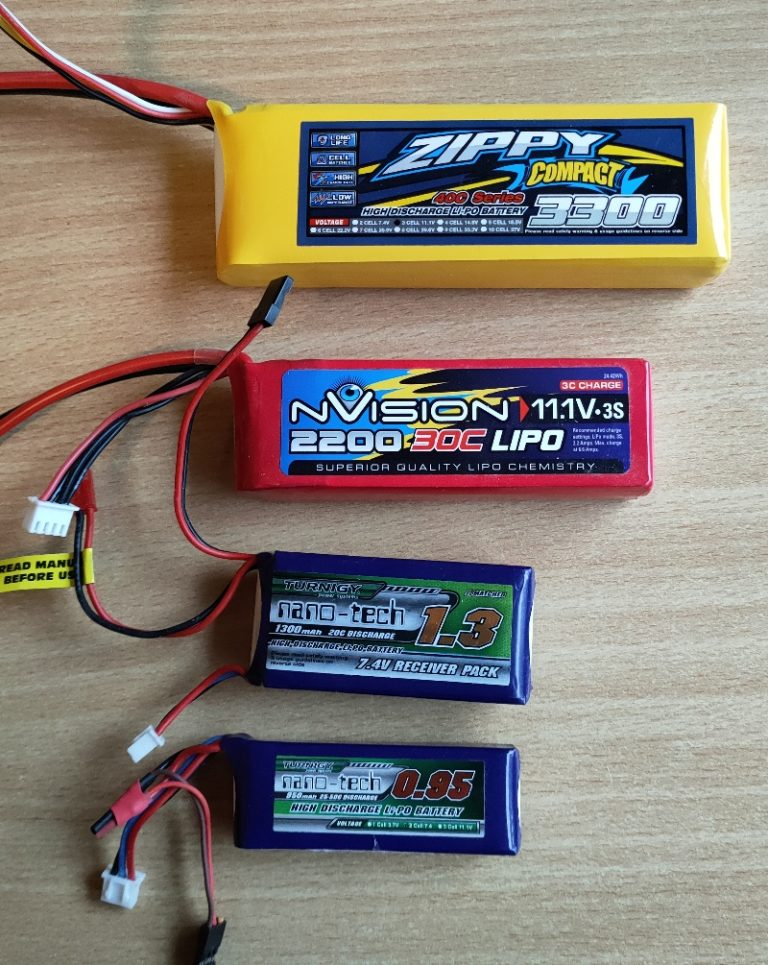
Caring for Lipo Batteries: Essential Tips and Best Practices
When it comes to caring for Lipo batteries, there are several essential tips and best practices that you should be aware of to ensure their performance and lifespan. Lipo batteries, short for Lithium Polymer batteries, are a type of rechargeable battery that has taken the electric RC world by storm, especially for planes, helicopters, and multi-rotor/drone applications.
Why is Proper Lipo Battery Care Important?
Proper Lipo battery care is crucial to maintain their performance, safety, and lifespan. Improper handling, storage, and charging practices can lead to battery damage, fire hazards, and even explosions. With the increasing popularity of drones and other RC toys, it's essential to understand the best practices for caring for Lipo batteries.
Understanding Lipo Battery Chemistry
Lipo batteries are made up of lithium polymer cells, which are sensitive to temperature, charge level, and charging currents. Understanding the chemistry behind Lipo batteries is crucial to providing the best care. Lipo batteries have a limited number of charge cycles, and excessive discharging can lead to permanent damage.
How to Store Lipo Batteries
When storing Lipo batteries, it's essential to follow the manufacturer's instructions and guidelines. Always store Lipo batteries in a cool, dry place, away from heat sources and direct sunlight. A default storage charge of 3.8 volts per cell is recommended, as discharging them too much can cause serious damage.
Best Practices for Charging Lipo Batteries
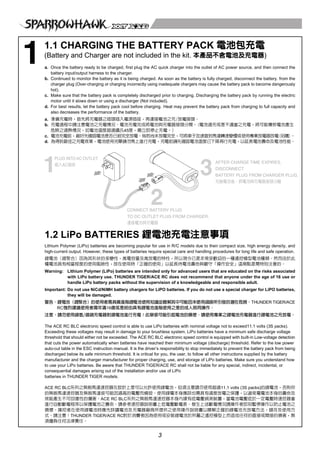
Charging Lipo batteries requires precision and attention to detail. Always follow the manufacturer's charging instructions, and never leave a Lipo battery charging unattended. A Lipo battery charger with precision balancing and customizable charge rates (0.1-8A) is ideal for safe and efficient charging practices.
Signs of a Damaged Lipo Battery

Regularly inspect your Lipo batteries for signs of damage, leakage, or swelling. If you notice any of these signs, immediately discontinue use and follow proper disposal protocols. Never charge, discharge, or store a damaged or puffy Lipo battery.
Preventing LiPo Fires and Explosions
LiPo fires and explosions are a potential hazard if not handled properly. Never leave a Lipo battery charging or discharging while unattended, and never store them near heat sources or flammable materials. Regularly inspect your Lipo batteries for signs of damage or wear, and follow proper storage and charging practices to prevent LiPo fires and explosions.
Maintenance and Storage Products for Lipo Batteries
To ensure the longevity of your Lipo batteries, it's essential to invest in high-quality maintenance and storage products. A high-quality Lipo battery charger, storage case, and balancing board can help prevent over-discharge, over-charge, and balance-related issues.
Conclusion
Proper Lipo battery care requires attention to detail and a thorough understanding of their chemistry and charging requirements. By following these essential tips and best practices, you can extend the lifespan of your Lipo batteries, maintain their performance, and prevent potential hazards and fire risks.
Related Guides:
- Complete LiPo Battery Charging Guide - Learn how to safely charge LiPo batteries, balance charging explained, optimal charge rates for maximum lifespan, and troubleshooting common charging issues.
- LiPo Battery Safety and Care Guide - A comprehensive guide to working with LiPo batteries, including lithium polymer battery etiquette, charging, discharging, handling, usage, storage, and care.
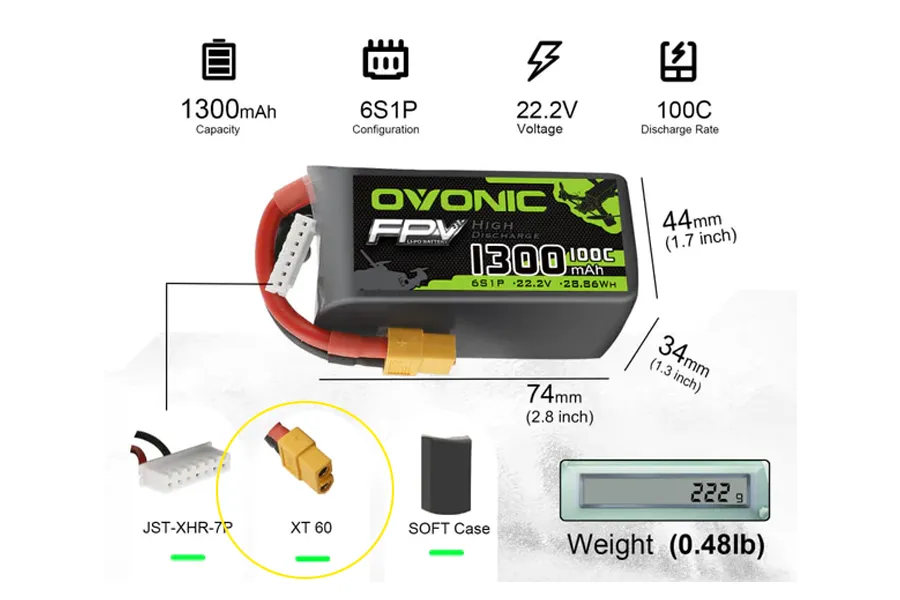
- LiPo Battery Schematics - A guide to different types of battery connectors used by different manufacturers on different batteries and battery accessories, such as chargers and speed controllers.
![How to Care for LiPo Batteries? - Ufine Battery [Official]](https://www.usafireprotectioninc.com/wp-content/uploads/2023/11/Lithium-ion-Battery-Dos-and-Donts-2.png "How to Care for LiPo Batteries? - Ufine Battery [Official]")