Understanding Pool Construction Permit Laws: A Comprehensive Guide
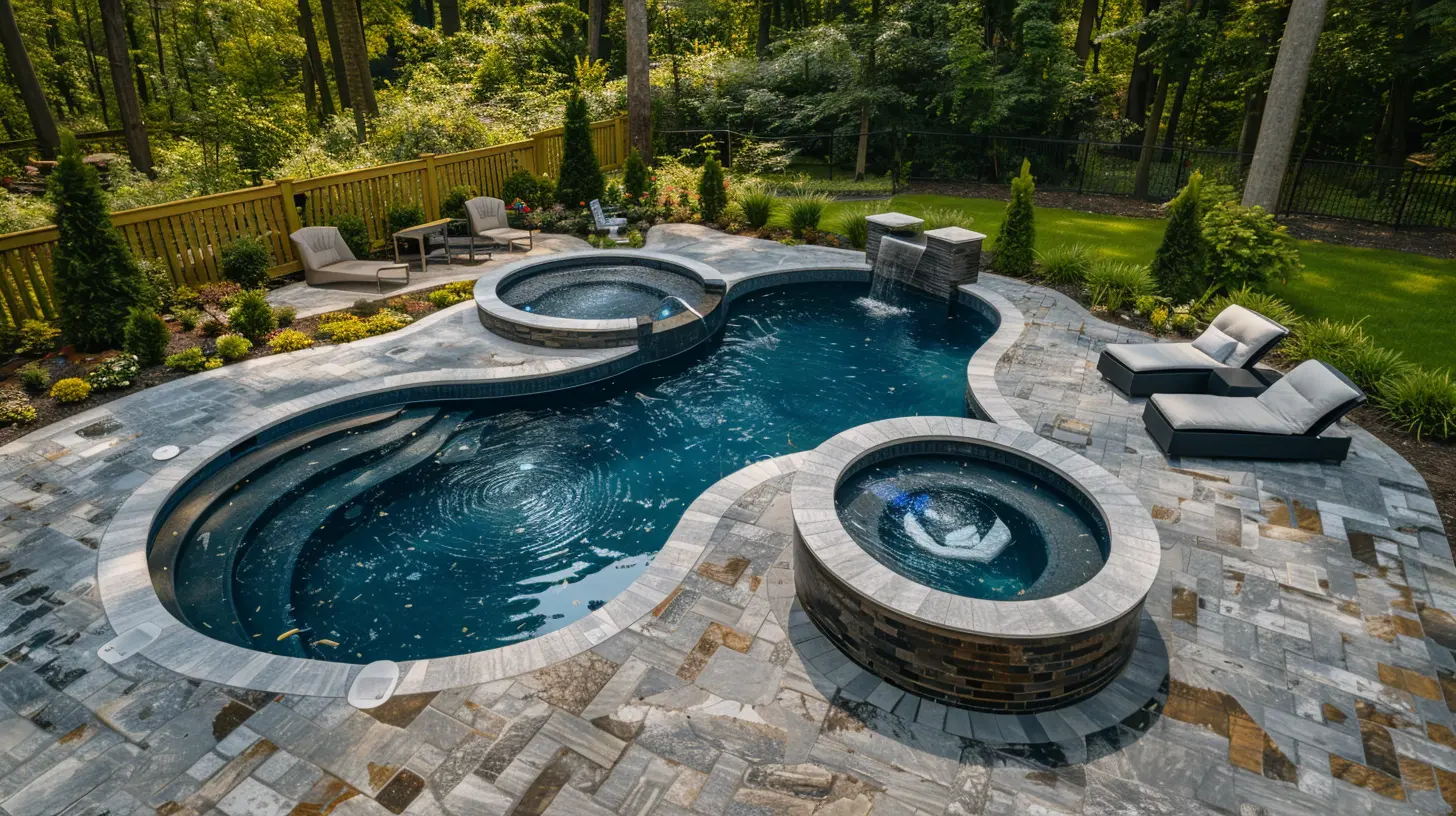
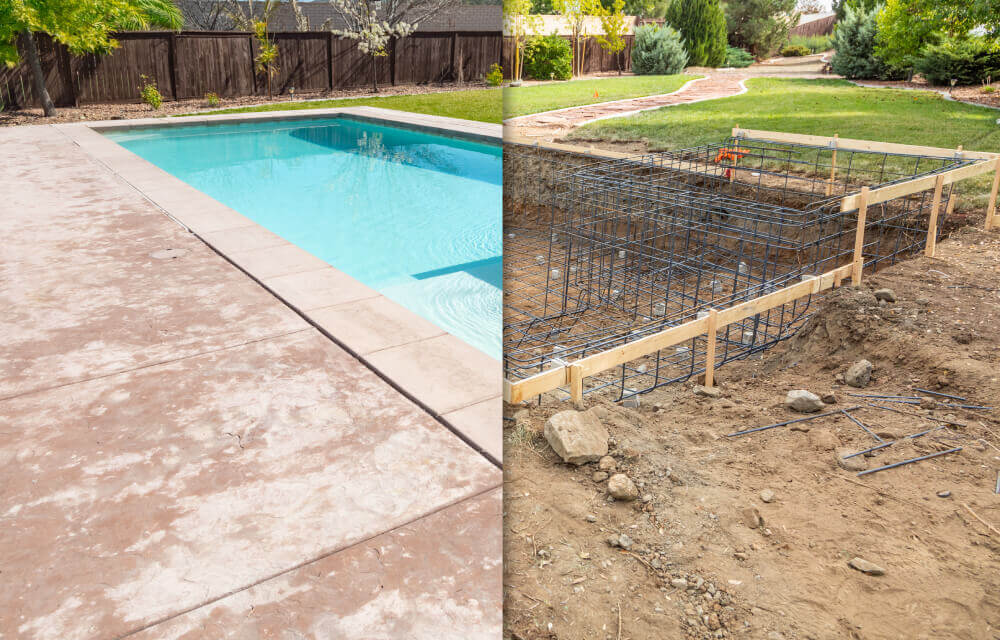
Building a swimming pool is a significant investment for any homeowner, and while it can be a thrilling project, navigating the pool construction permit laws can be a daunting task. In this article, we will delve into the world of pool construction permit laws, providing you with the essential information you need to ensure your pool building project is successful and legally compliant.
Why Pool Construction Permits are Necessary
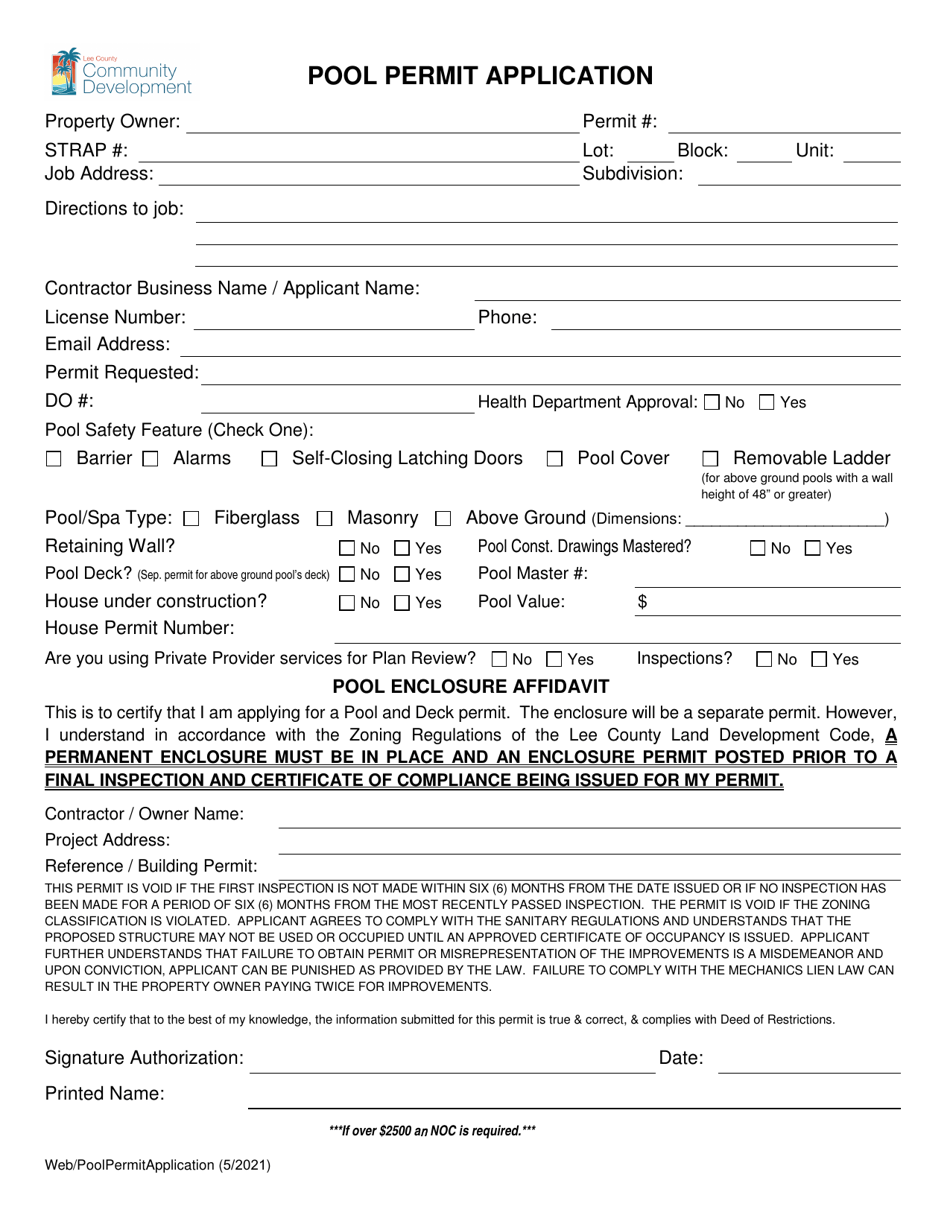
Local authorities require pool construction permits to ensure safety standards are met. By obtaining a permit, you're ensuring the pool complies with regulations regarding depth, fencing, and placement. Skipping this step can lead to safety hazards and penalties. Additionally, building a pool without a permit can interfere with property zoning laws and make it difficult to sell the property in the future.
Types of Permits Required for Pool Construction
- Building permit: This permit is necessary for the physical construction of the pool, including the excavation, installation of the pool shell, and placement of the pump, filter, and other equipment.
- Electrical permit: This permit is required for the electrical work associated with the pool, such as the installation of GFCI outlets, lighting, and pumps.
- Plumbing permit: This permit is necessary for the plumbing work associated with the pool, including the installation of the skimmer, return lines, and plumbing for the filter and equipment.
- Zoning permit: This permit is required to ensure that the pool is built in compliance with local zoning laws and regulations.
The Permit Process: A Step-by-Step Guide
The permit process for pool construction can be complex and time-consuming. Here's a step-by-step guide to help you navigate the process:
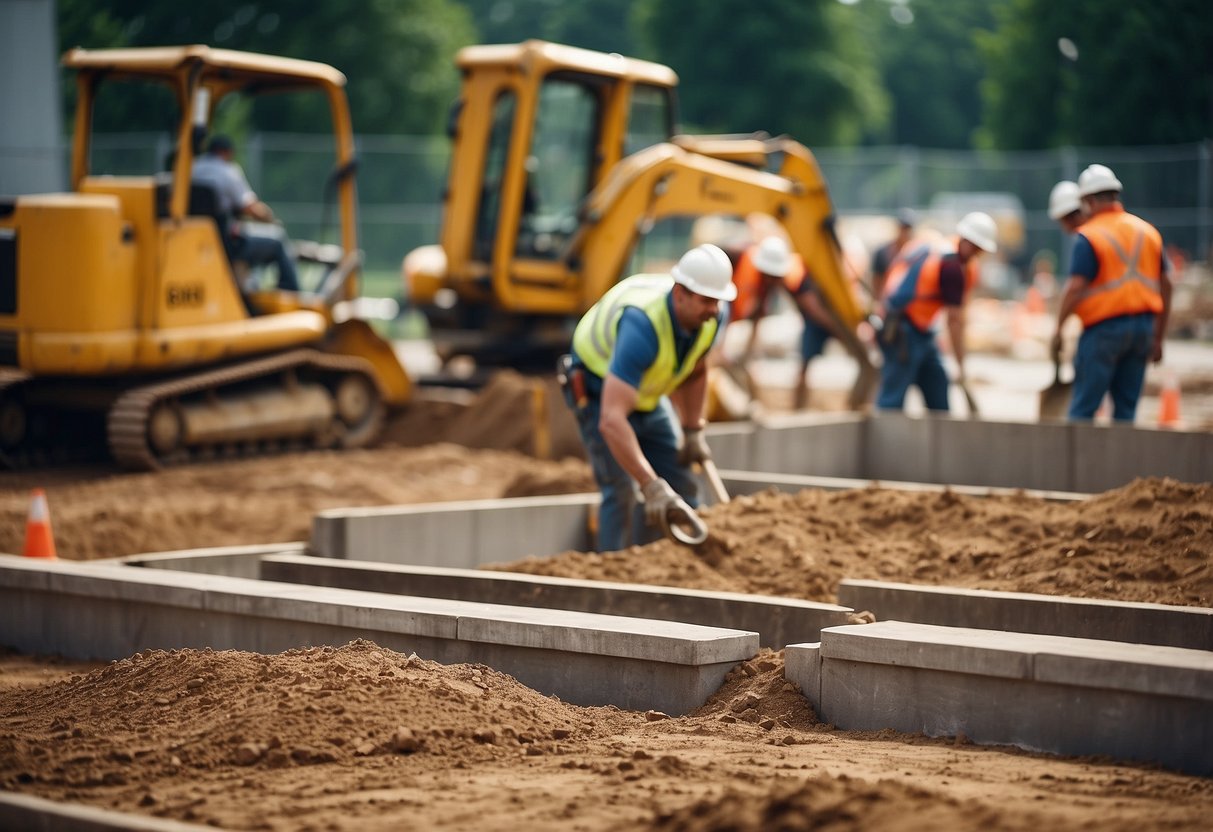
- Step 1: Plan and design your pool: Create detailed plans and designs for your pool, including the location, shape, size, and features.
- Step 2: Submit plans for approval: Submit your plans to the local building department for review and approval. This may involve providing additional information or modifying your plans based on the department's comments.
- Step 3: Obtain necessary permits: Once your plans are approved, you'll need to obtain the necessary permits, including building, electrical, plumbing, and zoning permits.
- Step 4: Schedule inspections: Schedule inspections with the building department to ensure that your pool is built in compliance with local regulations and codes.
- Step 5: Final inspection and approval: Once your pool is complete, schedule a final inspection with the building department to ensure that it meets all local regulations and codes.
Tips for a Smooth Permit Process
Navigating the permit process can be challenging, but there are several tips to help you achieve a smooth and successful experience:
- Research local regulations and codes: Make sure you understand the local regulations and codes that govern pool construction in your area.
- Work with a licensed contractor: Hiring a licensed contractor can ensure that your pool is built in compliance with local regulations and codes.
- Plan ahead: Allow plenty of time for the permit process, and plan ahead to avoid delays and costly revisions.
- Stay organized: Keep track of deadlines, inspections, and other important documents to ensure that your project stays on track.
Conclusion
The process of obtaining a pool construction permit can be complex, but it's an essential step in ensuring that your pool is built safely and in compliance with local regulations. By understanding the permit process, working with a licensed contractor, and following local regulations, you can ensure that your pool construction project is successful and legally compliant. Whether you're building a small pool or a large one, taking the time to understand pool construction permit laws will save you time, money, and headaches in the long run.