Setting Up a Secure and Reliable Network Configuration for Your Home Network
As remote work becomes the norm, a reliable and secure home network is more crucial than ever. A well-configured network ensures your devices stay connected and your online experience runs smoothly. In this article, we will walk you through the steps to set up a secure and reliable network configuration for your home network.
Understanding the Basics of Home Networking
A home network links your devices, such as laptops, phones, smart TVs, and consoles, so they can share data and access the internet. It usually includes a combination of wired (Ethernet) and wireless (Wi-Fi) connections, all managed by a central router. This setup supports streaming, gaming, video calls, and controlling smart devices around the house.
Key Components of a Home Network
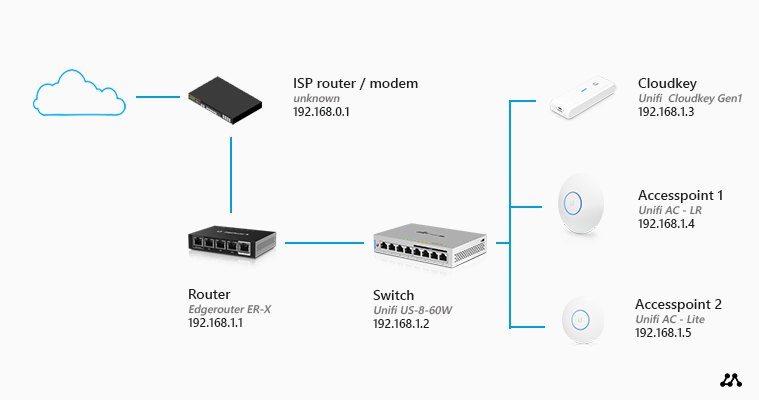
- Router: The control centre of your network that manages all the devices and connections.
- Switch: A device that connects multiple devices together using Ethernet cables.
- Wireless Access Point (WAP): Allows wireless devices to connect to the network.
- Modem: Connects your network to the internet.
- Devices: Laptops, phones, smart TVs, consoles, and other devices that connect to the network.
Network Configuration for Home Network
When setting up your home network, you need to consider the following steps:
Step 1: Plan Your Network
Before setting up your network, plan the layout and decide which devices will be connected to the network. Consider the number of devices, their locations, and the types of connections required.
Step 2: Choose Your Equipment
Select a router, modem, switch, and other equipment that suits your needs. Make sure they are compatible with each other and your devices.
Step 3: Configure Your Network
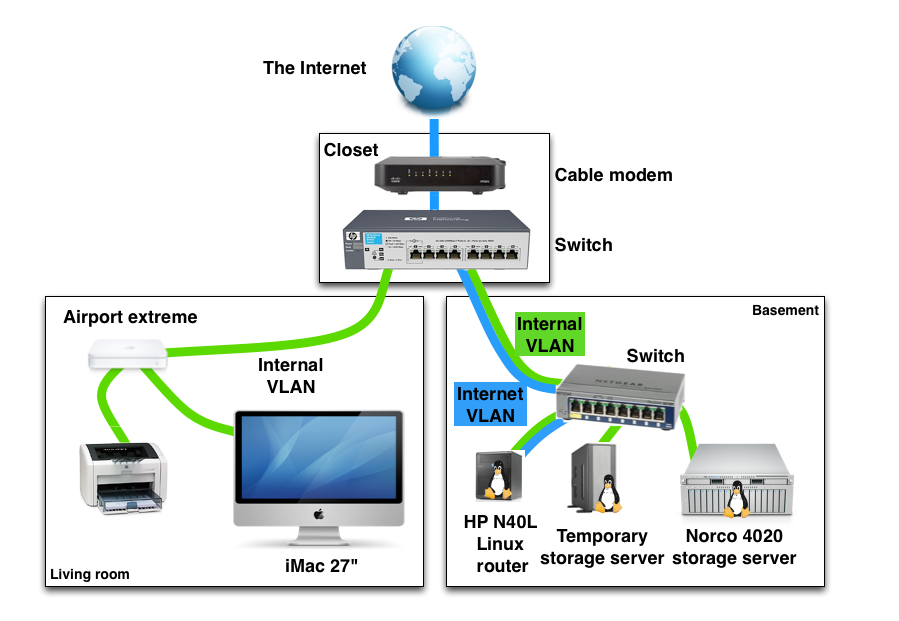
Configure your network by setting up the router, modem, and other devices. Make sure to set a strong password and enable WPA2 encryption for wireless connections.
Step 4: Connect Your Devices
Connect your devices to the network using Ethernet cables or Wi-Fi. Make sure they are configured to connect to the correct network.
Network Security for Home Network
Network security is crucial for protecting your devices and data from unauthorized access. Here are some tips to secure your home network:
- Use a strong password and enable WPA2 encryption for wireless connections.
- Set up a guest network for visitors.
- Use a firewall to block unauthorized incoming and outgoing traffic.
- Regularly update your router and device firmware.
- Use antivirus software and a VPN to protect your devices and data.
Network Optimization for Home Network
Optimizing your network can improve its performance and ensure that all devices can access the internet smoothly. Here are some tips to optimize your home network:
- Use Quality of Service (QoS) settings to prioritize critical applications.
- Set up a content filtering system to block unwanted websites and content.
- Use a network analyzer to monitor network traffic and identify bottlenecks.
- Regularly update your router and device firmware.
Conclusion
Setting up a secure and reliable network configuration for your home network requires careful planning and configuration. By following these steps and tips, you can ensure that your devices stay connected and your online experience runs smoothly. Remember to regularly update your router and device firmware, use strong passwords, and enable network security features to protect your devices and data from unauthorized access.