Are GLP-1 Injections More Effective Than Oral Meds?
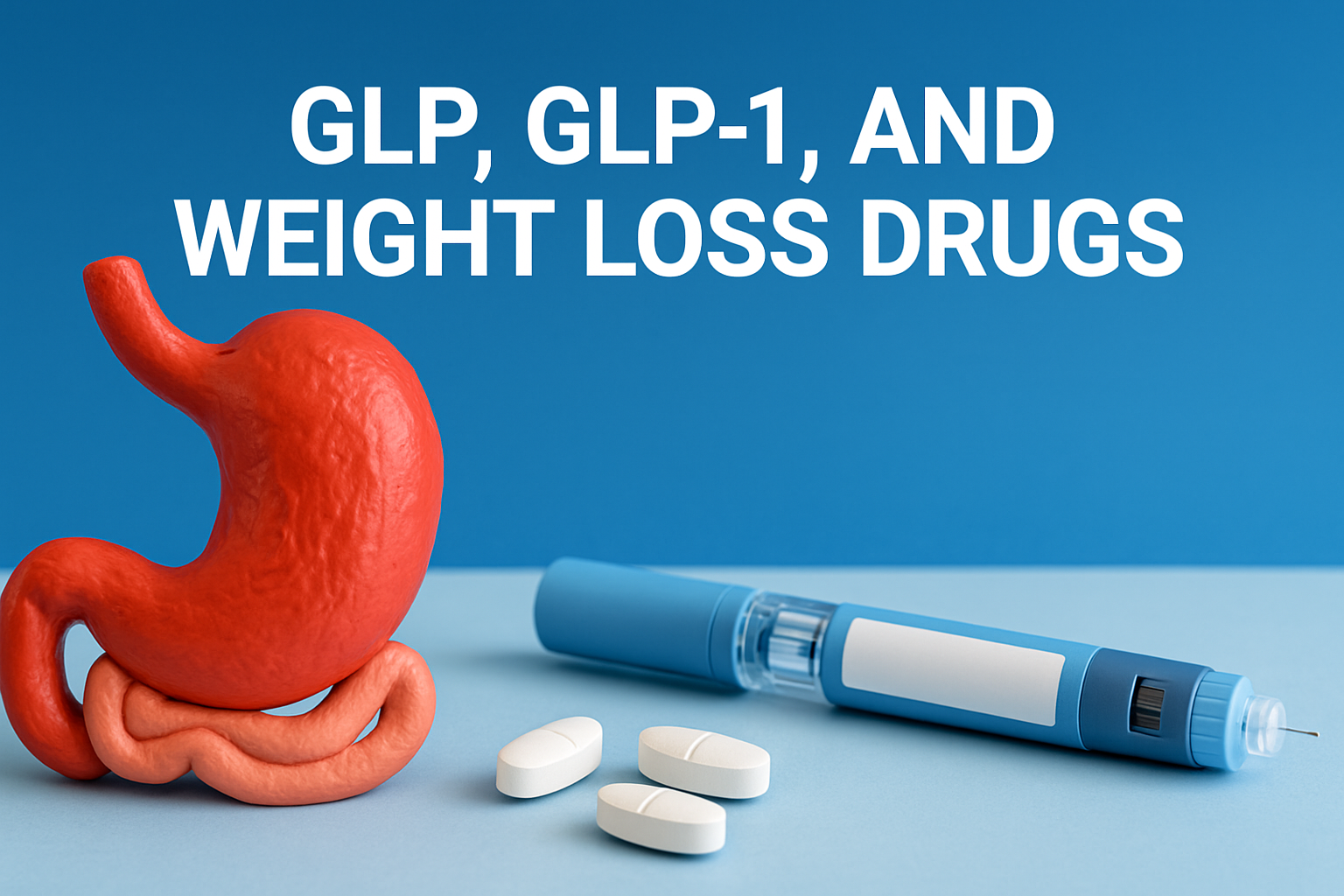
Glucagon-like peptide-1 (GLP-1) receptor agonists have revolutionized the treatment of type 2 diabetes and obesity. These medications work by mimicking the action of the naturally occurring hormone GLP-1, which regulates blood sugar, digestion, and hunger. With the recent approval of oral GLP-1 medications like semaglutide, the question of whether GLP-1 injections are more effective than oral meds is becoming increasingly relevant.
Understanding GLP-1 Injections and Oral Meds
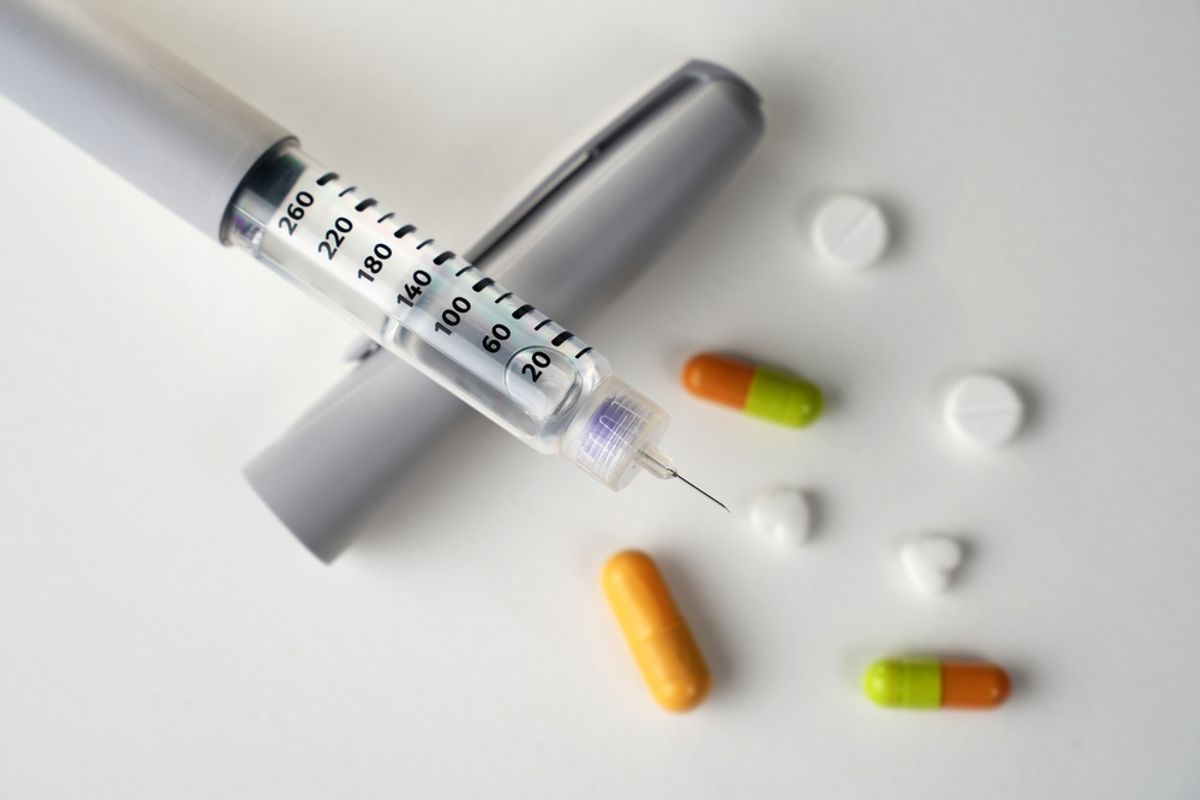
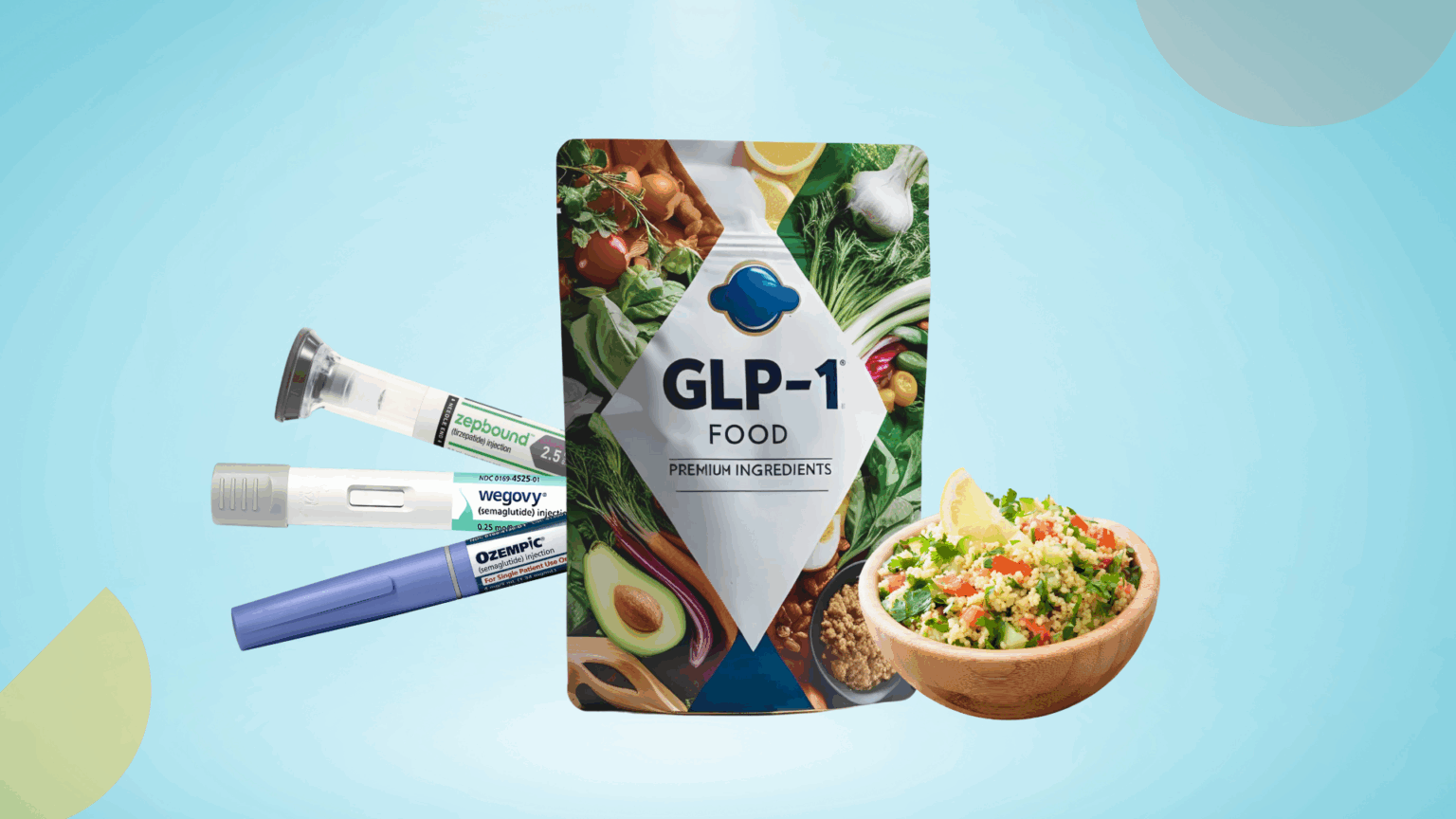
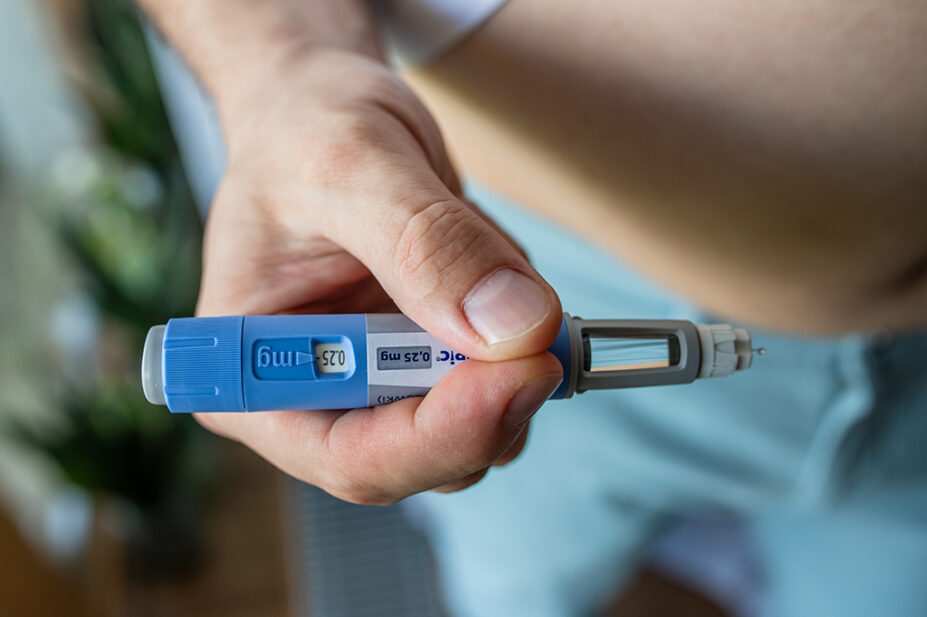
GLP-1 injections, such as Wegovy and Ozempic, have been shown to be highly effective in promoting weight loss and improving glycemic control in patients with type 2 diabetes. These medications work by stimulating the release of insulin, suppressing appetite, and slowing down gastric emptying, leading to a reduction in blood sugar levels and weight loss. On the other hand, oral GLP-1 medications like semaglutide work by activating GLP-1 receptors, leading to better glycemic control and reduced hunger signals.
Comparing Efficacy: Injections vs Oral Meds
Studies have shown that GLP-1 injections are generally more effective than oral meds in promoting weight loss and improving glycemic control. For example, a study published in the New England Journal of Medicine showed that patients who received GLP-1 injections lost an average of 15-16% of their body weight, compared to 13% for patients who received oral semaglutide. However, it's essential to note that individual results may vary, and the effectiveness of both GLP-1 injections and oral meds depends on various factors, including the patient's starting weight, body mass index (BMI), and overall health.
Pros and Cons: GLP-1 Injections vs Oral Meds
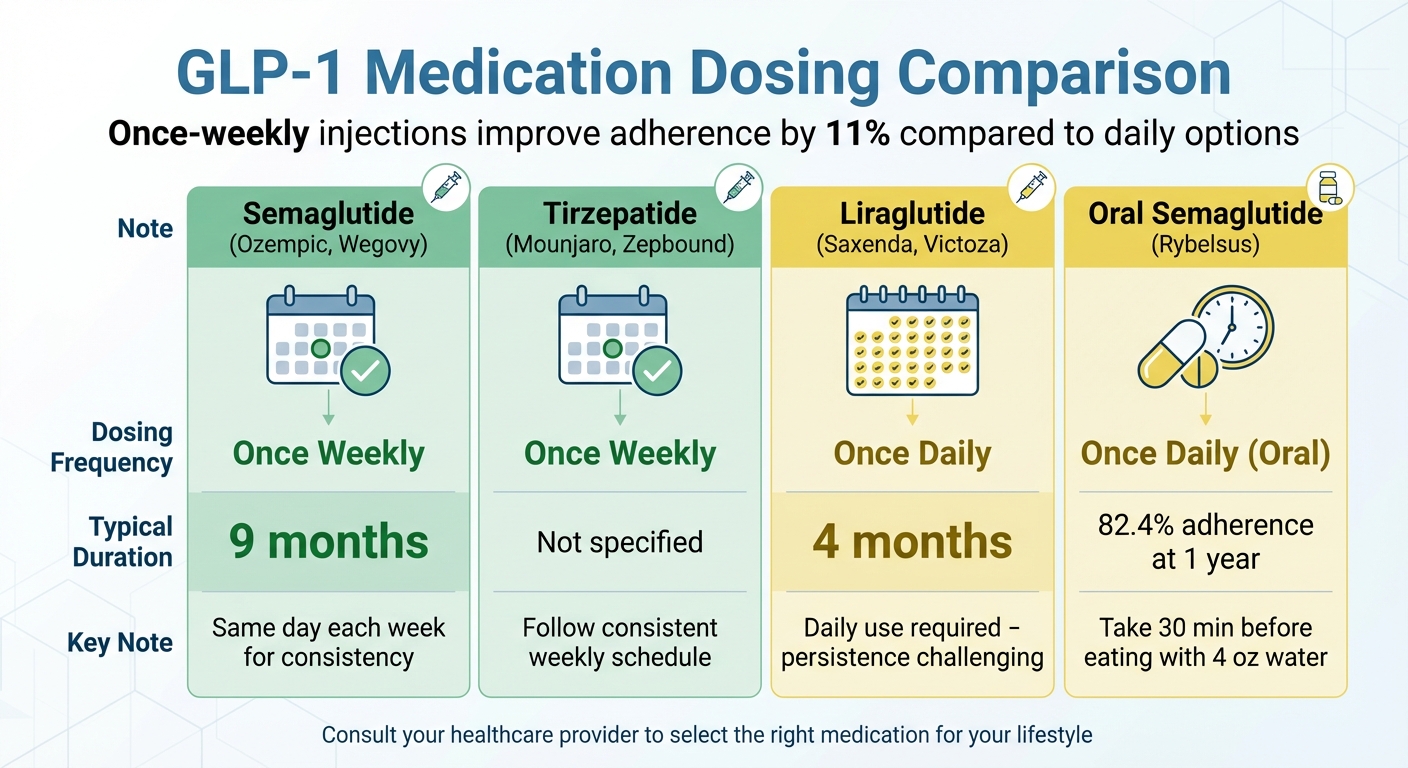
GLP-1 injections offer several benefits, including higher bioavailability and effectiveness, convenient once-weekly dosing, and a proven track record for significant weight loss. However, they may be associated with some side effects, such as injection site reactions, nausea, and diarrhea. On the other hand, oral GLP-1 medications are more accessible and convenient, but may require strict dosing and timing restrictions.
Conclusion: Are GLP-1 Injections More Effective Than Oral Meds?
While both GLP-1 injections and oral meds have shown promise in promoting weight loss and improving glycemic control, the evidence suggests that GLP-1 injections are generally more effective. However, individual results may vary, and the choice between GLP-1 injections and oral meds ultimately depends on a patient's unique needs, preferences, and lifestyle. It's essential for patients to consult with their healthcare provider to determine the best treatment option for their specific situation.
Table of Contents
- Understanding GLP-1 Injections and Oral Meds
- Comparing Efficacy: Injections vs Oral Meds
- Pros and Cons: GLP-1 Injections vs Oral Meds
- Conclusion: Are GLP-1 Injections More Effective Than Oral Meds?
Further Reading on GLP-1 Therapies:
For more information on GLP-1 therapies and their role in diabetes treatment, please refer to the following resources:
- "GLP-1 Medications: A Novel Approach to Diabetes Treatment" (American Diabetes Association)
- "GLP-1 Receptor Agonists: A Review of the Literature" (Journal of Clinical Endocrinology and Metabolism)
- "Semaglutide for Obesity Treatment: A Systematic Review and Meta-Analysis" (International Journal of Obesity)