Wireless Router Setup for Network Security: A Comprehensive Guide
As our reliance on the internet grows, ensuring the security of our wireless networks has become more crucial than ever. A wireless router setup for network security is the first line of defense against unauthorized access, data breaches, and other cyber threats. In this article, we'll delve into the world of wireless router setup and explore the steps you can take to safeguard your network.
The Foundation of a Secure Wireless Network
Your wireless router is the hub of your home network, connecting multiple devices and providing internet access. To ensure the security of your network, it's essential to choose a suitable wireless router that offers robust security features. Look for a router that supports the latest security protocols, such as WPA3, and has a reliable firmware that can be regularly updated.
Step 1: Set Up Your Wireless Router
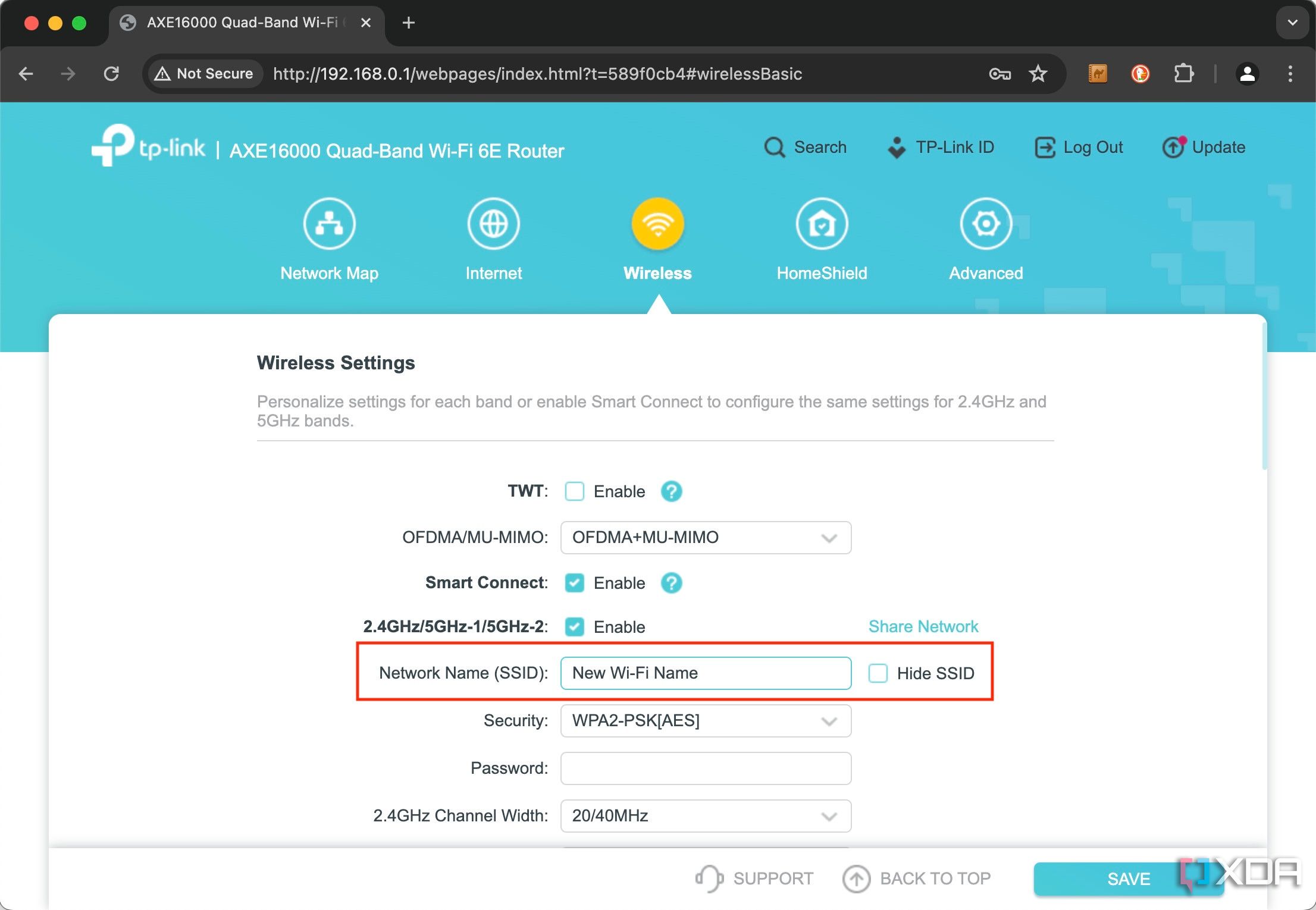
The first step in setting up your wireless router is to configure the basic settings. This includes:
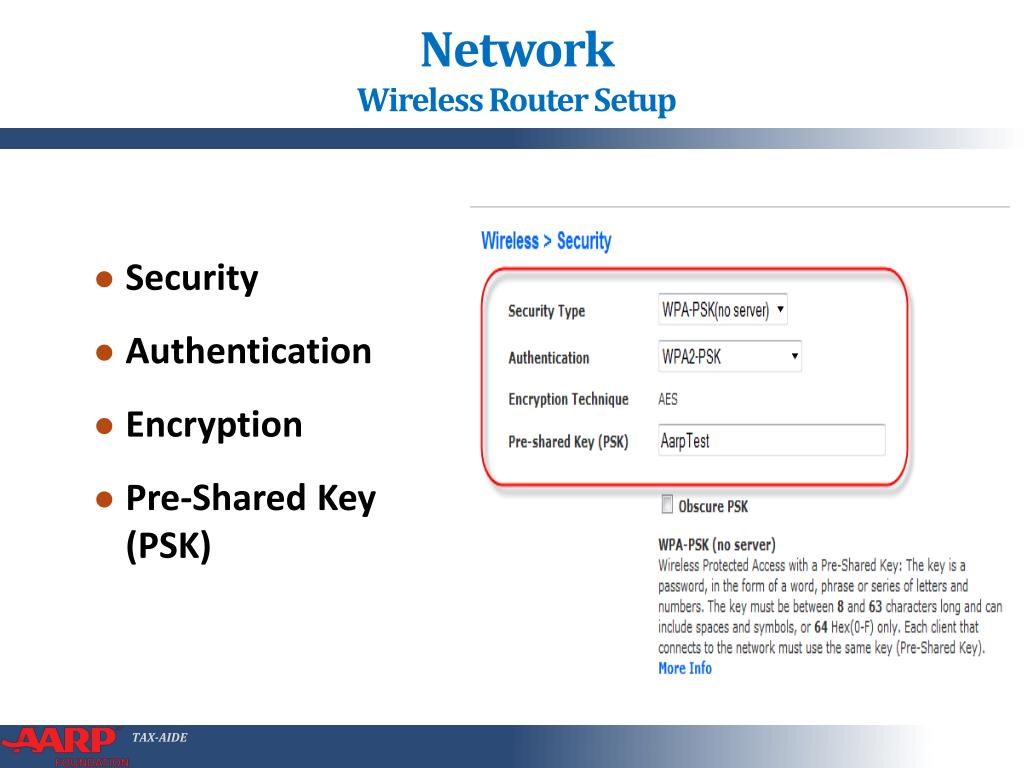
- Setting up the router's SSID (network name)
- Configuring the router's password (preferably a strong and unique one)
- Enabling WPA3 encryption (the latest security protocol)
Make sure to change the default router username and password to prevent unauthorized access.
Step 2: Update Your Router's Firmware
Regularly updating your router's firmware is crucial for maintaining network security. This ensures that any security vulnerabilities are patched, and your router remains up-to-date with the latest security features.
- Check your router's manufacturer website for firmware updates
- Follow the manufacturer's instructions to update the firmware
Also, enable automatic updates if possible, to ensure your router stays up-to-date.
Step 3: Secure Your Network with Additional Measures
While setting up the wireless router, you should also implement additional security measures:
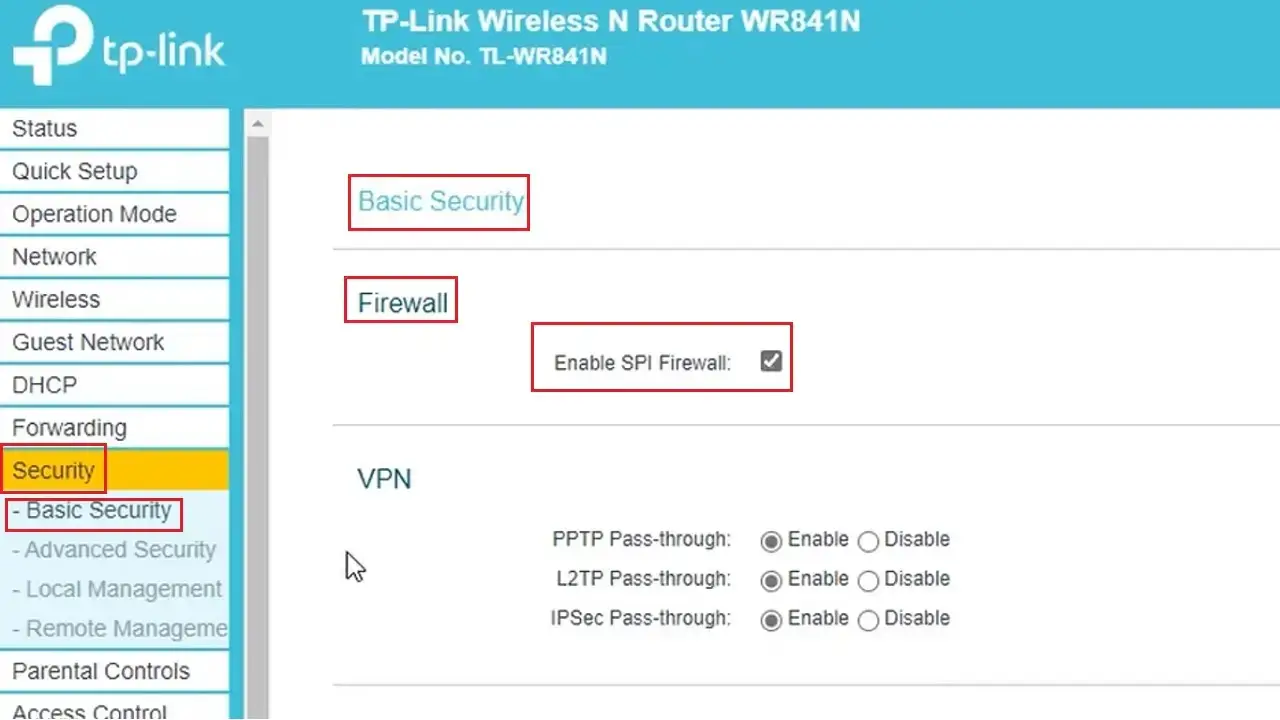
- Enable MAC address filtering (to limit access to specific devices)
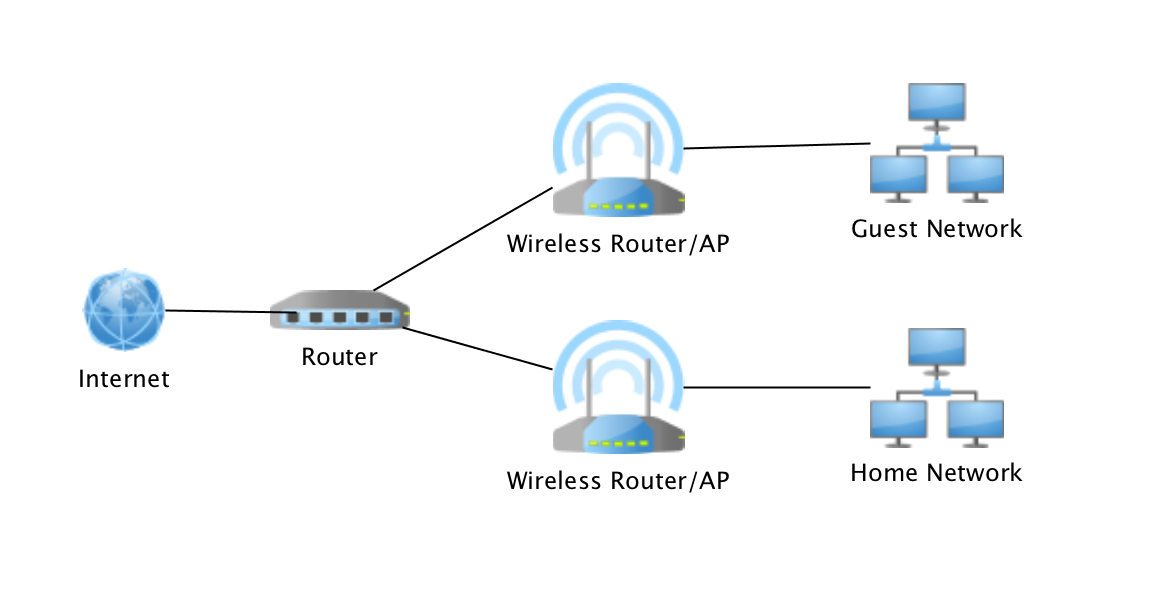
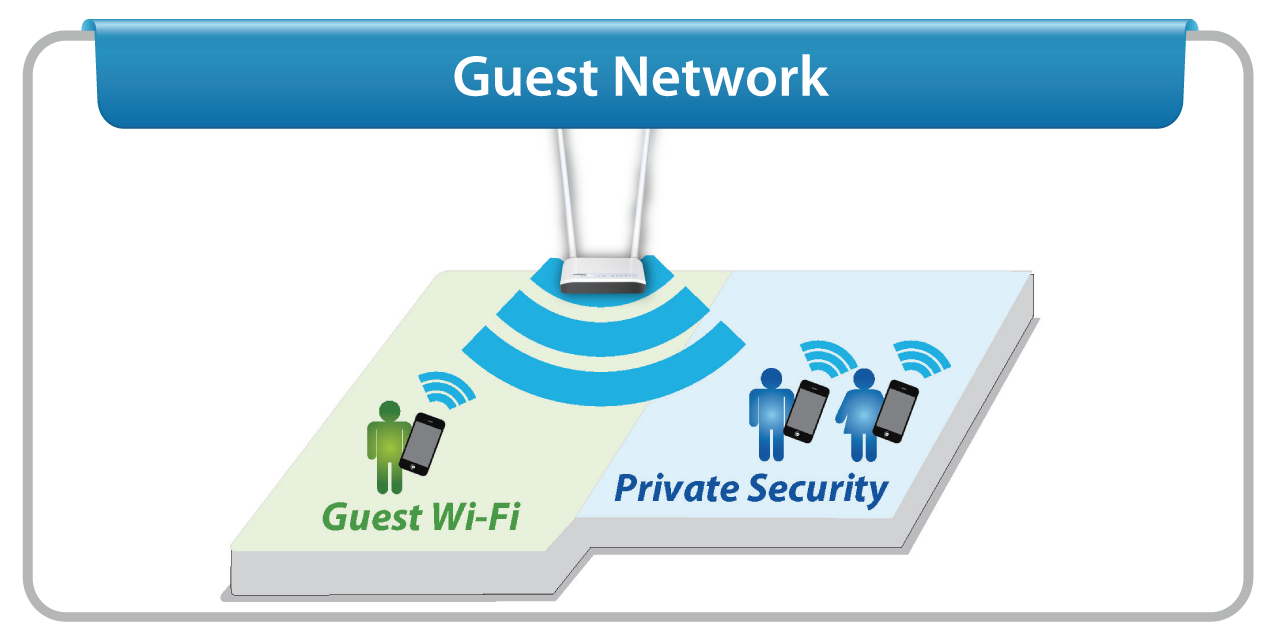
- Set up a guest network (to keep visitors separate from your main network)
- Limit Wi-Fi access to devices with a strong password (to prevent unauthorized access)
Additionally, consider implementing a Virtual Private Network (VPN) to encrypt data and protect your internet activities.
Step 4: Monitor Your Network Activity
To ensure the security of your network, monitor your network activity regularly:
- Use a network scanner to identify devices connected to your network
- Check for any unusual or unauthorized devices
- Keep an eye out for suspicious network activity, such as unexpected login attempts
Regularly inspect your router's logs to identify potential security threats.
Conclusion:
In conclusion, setting up a wireless router for network security requires attention to detail and regular maintenance. By following these steps, you can create a secure and reliable network that protects your devices and prevents cyber threats. Remember to stay vigilant, monitor your network activity regularly, and take proactive measures to ensure the security of your wireless network.


![[Wireless] How to make my router more secure? - ASUS](https://appliancejournal.com/wp-content/uploads/2024/01/tracybeard_a_wireless_router_sitting_on_a_computer_desk_89b18e92-43f8-4d60-b860-0a2045de5e8d-1024x574.png "[Wireless] How to make my router more secure? - ASUS")