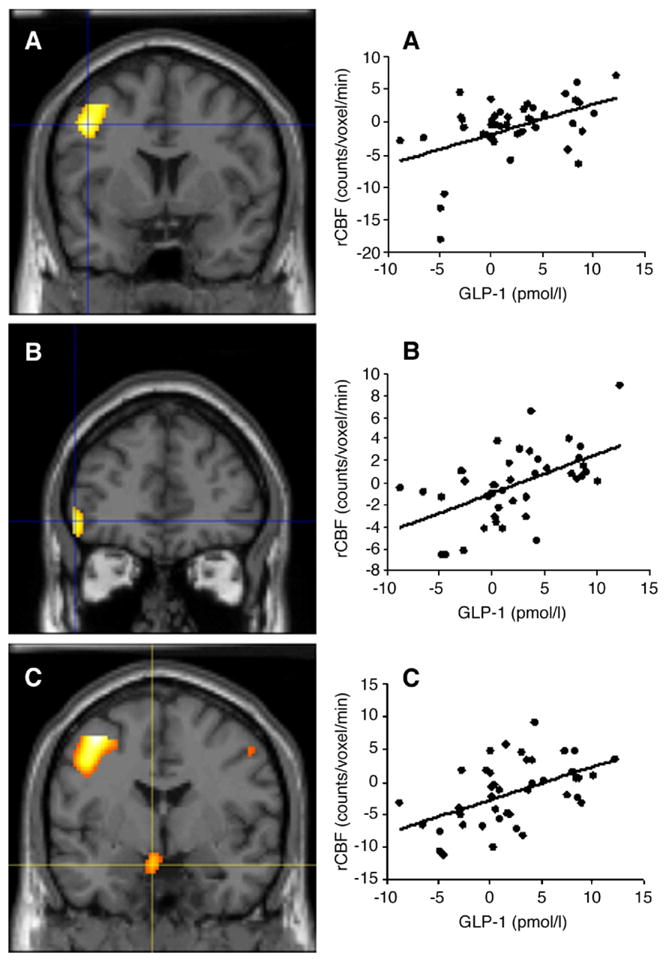
Understanding the Role of GLP-1 in Postprandial Satiety
The discovery of glucagon-like peptide-1 (GLP-1) has revolutionized our understanding of postprandial satiety and metabolic regulation. GLP-1 is a gut hormone released in response to food intake, and its mechanisms have been extensively studied in humans and animal models. In this article, we will delve into the science behind GLP-1 and postprandial satiety, exploring the hormone's effects on appetite, digestion, and glucose metabolism.
GLP-1: A Hormone with Multifaceted Effects
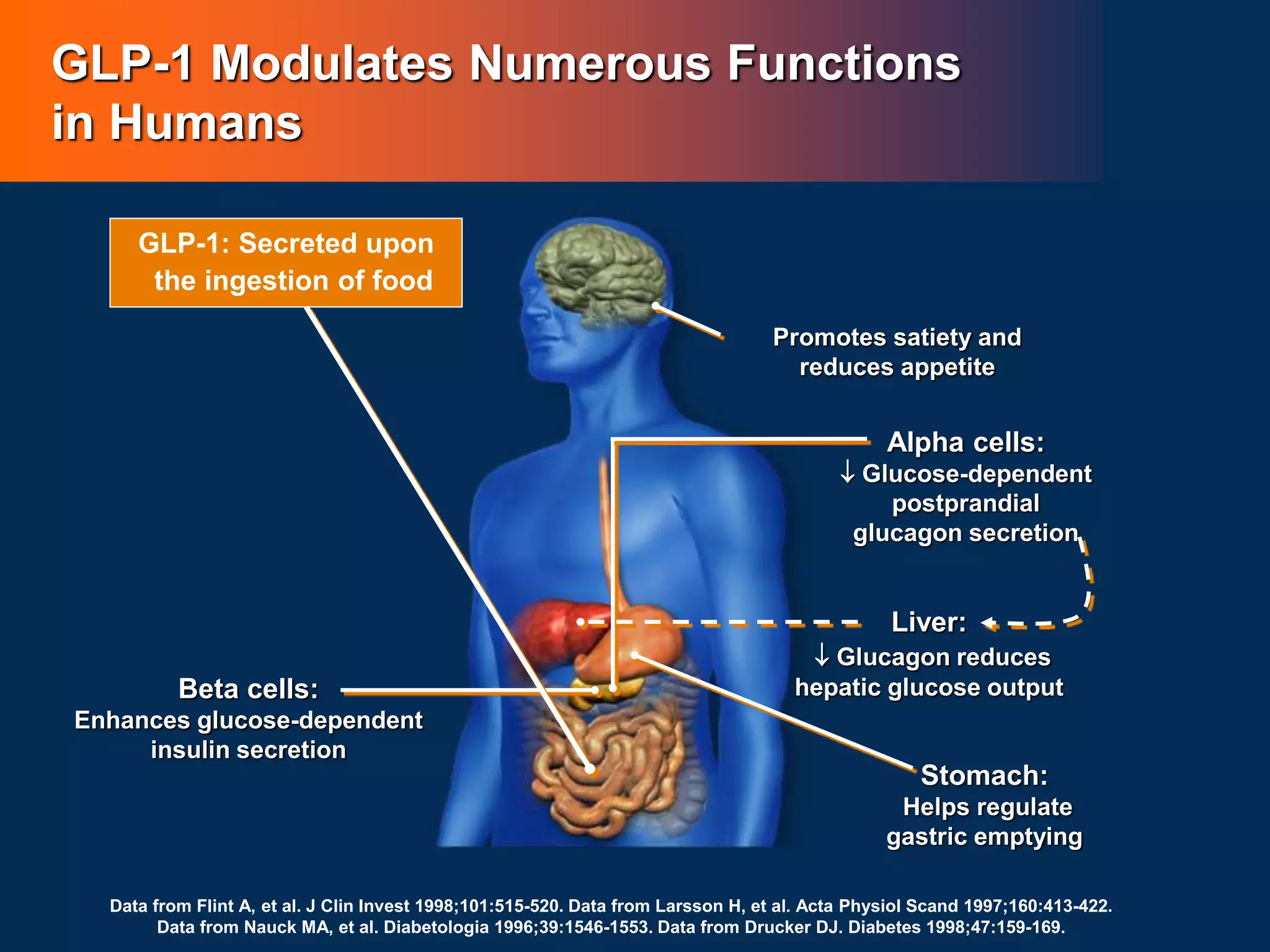
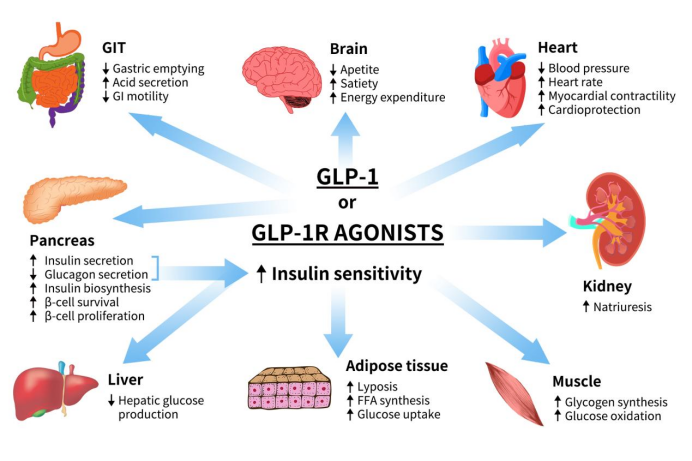
GLP-1 is a complex hormone with multiple functions, including the regulation of appetite, glucose metabolism, and digestion. Studies have shown that GLP-1 has a pronounced satiety effect, slowing down gastric emptying and reducing postprandial insulin response. These mechanisms are the basis for the development of GLP-1 receptor agonists, a class of medications used to treat obesity and type 2 diabetes.
Research has also uncovered the importance of GLP-1 in modulating eating behavior and food intake. For instance, GLP-1 administered intracerebrally in rats reduces food intake, highlighting the hormone's anorexigenic properties. Conversely, obese humans have been found to have an attenuated plasma GLP-1 response to a mixed meal, suggesting a link between GLP-1 signaling and impaired satiety.
GLP-1 and Central Satiety Signaling
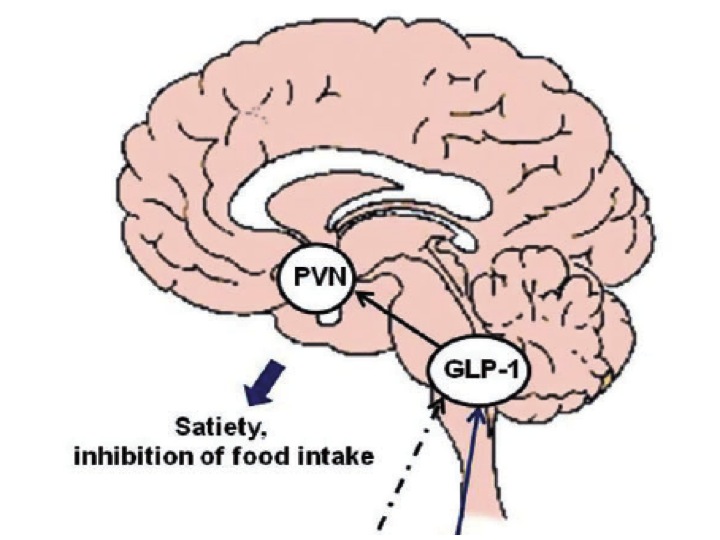
Recent studies have shed light on the complex mechanisms underlying GLP-1's satiety effects. GLP-1's action on central satiety signaling involves the reduction of appetite and the enhancement of feeling fullness. This is achieved through the stimulation of GLP-1 receptors in the hypothalamus and brainstem nuclei, which play a crucial role in regulating energy homeostasis and appetite.
Furthermore, research has shown that GLP-1 receptor agonists, such as liraglutide and semaglutide, can modulate brain reward pathways, reducing food noise and promoting satiety. This highlights the potential of GLP-1 agonists as therapeutic agents for weight management and diabetes treatment.
Postprandial Satiety and Weight Management
Postprandial satiety is a critical component of weight management, as it influences food intake and energy balance. Studies have demonstrated that GLP-1 and other satiety hormones, such as peptide YY and cholecystokinin, are elevated in response to high-protein meals, which induce greater postprandial satiety compared to high-fat and high-carbohydrate meals.
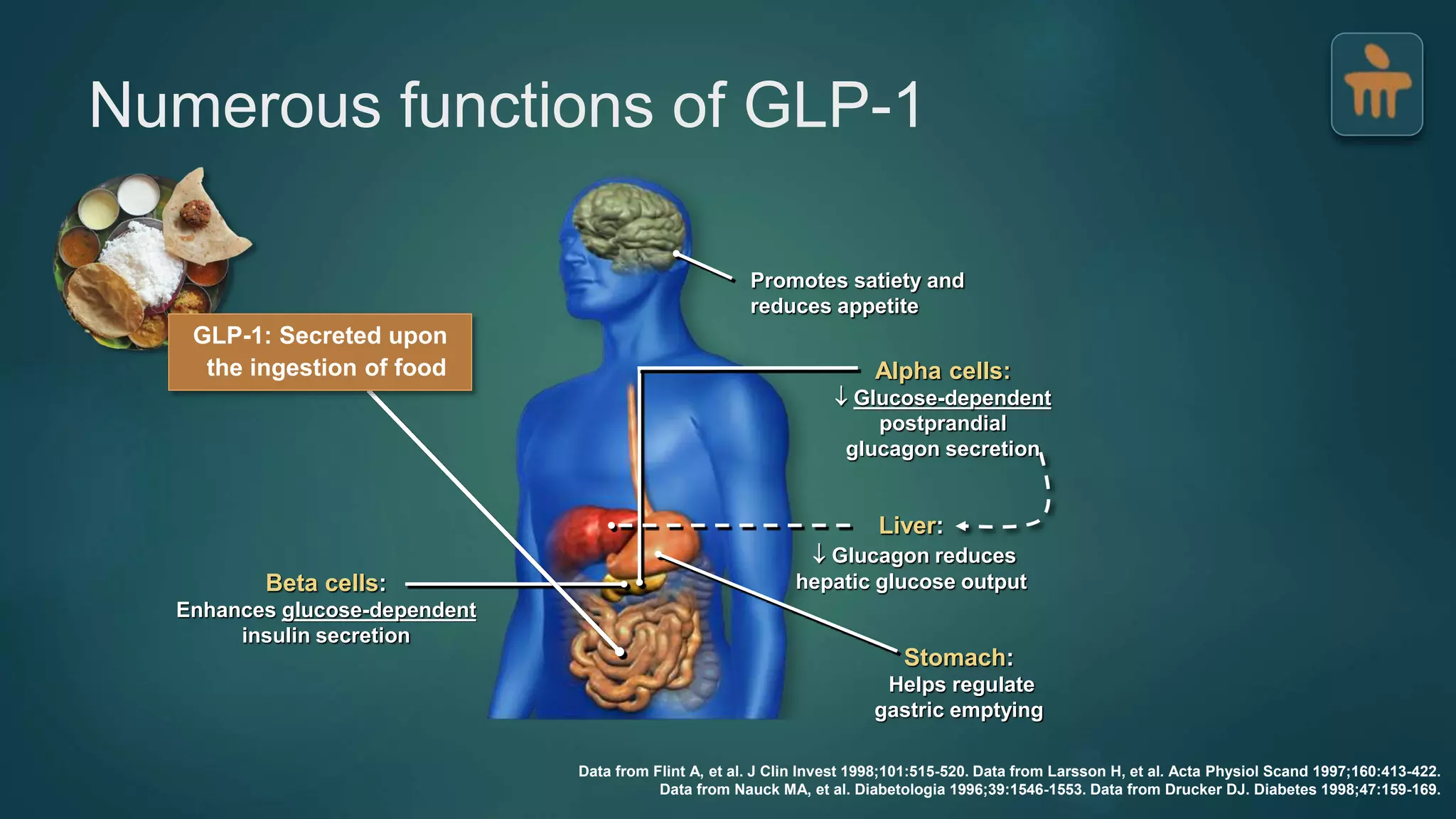
The role of fiber in modulating postprandial satiety and glucose metabolism has also been extensively studied. Viscous soluble fiber types, such as beta-glucan and psyllium, have been shown to slow glucose absorption and reduce postprandial spikes, which may contribute to improved glycemic control and weight management.
Natural Strategies to Boost GLP-1 Levels
While GLP-1 receptor agonists have revolutionized the treatment of obesity and type 2 diabetes, researchers have also sought to identify natural strategies to boost GLP-1 levels. Emerging evidence suggests that dietary protein, particularly high-quality protein found in meat, fish, and eggs, can stimulate the release of GLP-1 and enhance satiety.
Furthermore, soluble fiber, such as inulin and beta-glucan, has been shown to enhance GLP-1 release and hunger suppression. Probiotics and certain nutrients, such as chromium and vitamin D, may also support GLP-1 secretion and modulate postprandial satiety.
Conclusion
In conclusion, GLP-1 plays a critical role in regulating postprandial satiety and metabolic balance. The hormone's mechanisms, including the reduction of appetite and enhancement of central satiety signaling, have been extensively studied. While GLP-1 receptor agonists have been developed for therapeutic use, researchers continue to explore natural strategies to boost GLP-1 levels, including dietary protein, soluble fiber, and certain nutrients. By understanding the complex relationships between GLP-1, postprandial satiety, and metabolic regulation, we can develop novel therapeutic approaches for the prevention and treatment of obesity and type 2 diabetes.
References
- Scarpace PJ, Joyner J, Holiday K, et al. (2006). GLP-1 and postprandial satiety: a review. In Diabetes and Metabolic Syndrome: Clinical Research and Reviews, 1(1), 5–12.
- Abdulbaki S. Barakat (2018). The glucagon-like peptide-1 receptor. In Endocrinological Research and Education for Doctors, 24, 105–116.
- Teuling E, B.D. White, et al. (2020). The role of GLP-1 in regulating gut and central brain circuits. In Nature Communications, 11(1), 1–11.