Understanding the Effects of GLP-1 on Glucose-Stimulated Insulin Secretion
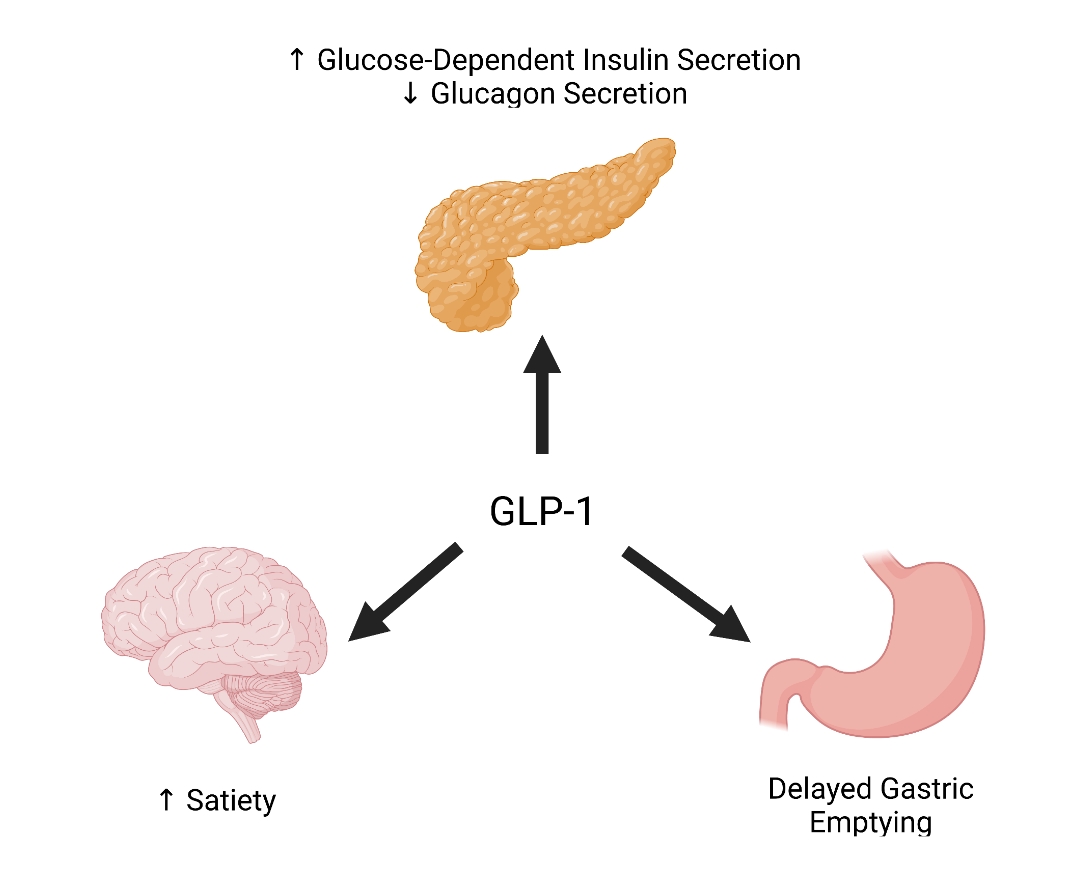
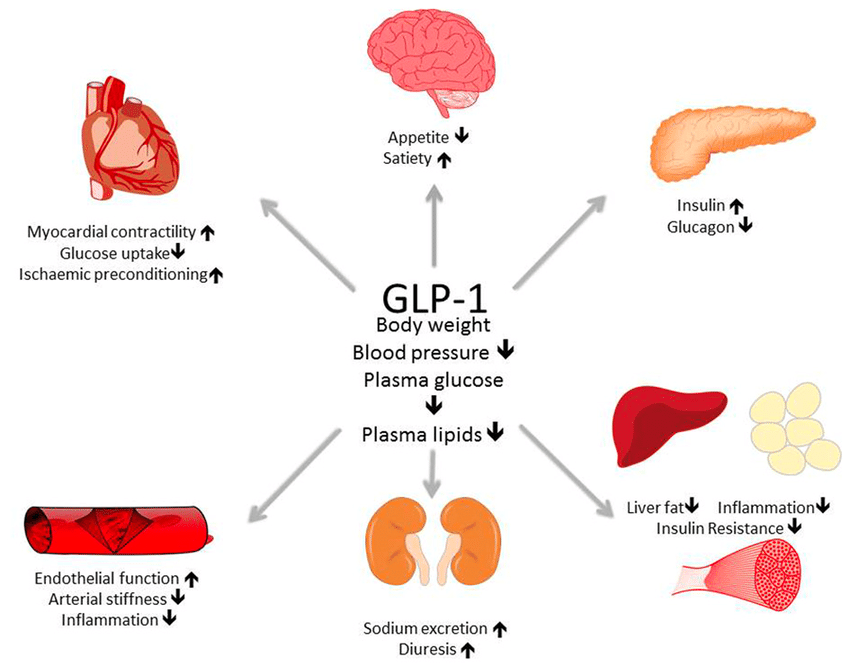
The intestinally derived hormone glucagon-like peptide-1 (GLP-1) plays a significant role in glucose-mediated insulin secretion, insulin gene expression, and β-cell growth and differentiation. Its ability to stimulate glucose-stimulated insulin secretion has led to its consideration as a potential therapeutic agent for the treatment of type 2 diabetes.The Incretine Effect
The incretine effect, which is the increased insulin response after oral ingestion of glucose compared to intravenous glucose, is mediated by GLP-1. This effect is crucial in regulating glucose homeostasis and is characterized by a synergistic action between GLP-1 and glucose on insulin secretion. The incretine effect has been observed in both mice and humans, highlighting its importance in glucose-mediated insulin secretion.GLP-1 Effects on Glucose-Stimulated Insulin Secretion
The effects of GLP-1 on glucose-stimulated insulin secretion have been extensively studied in both humans and animals. Picomolar concentrations of GLP-1 have been shown to stimulate insulin secretion, electrical activity, and calcium (Ca2+) oscillations in mouse islets. Additionally, GLP-1 potentiated glucose-induced insulin secretion in a dose-dependent manner at concentrations between 0.1 pM and 10 pM.GLP-1 Receptor Agonists and Glucose-Stimulated Insulin Secretion
GLP-1 receptor agonists, such as exendin-4, have been shown to enhance glucose-stimulated insulin secretion (GSIS) in both animal models and humans. These agonists work by binding to the GLP-1 receptor, which is expressed on beta cells in the pancreas. By activating this receptor, GLP-1 agonists stimulate insulin secretion, improve insulin expression, and prevent beta-cell apoptosis.The Role of PPARδ in GLP-1 Effects