The Ketogenic Diet for Diabetics: What You Need to Know
The ketogenic diet has been gaining popularity in recent years, and for good reason. It has been shown to be effective in managing blood sugar levels and reducing the need for insulin medication in people with diabetes. However, it's essential to approach this diet with caution and consult with a healthcare professional before making any significant changes to your diet.
What is the Ketogenic Diet?
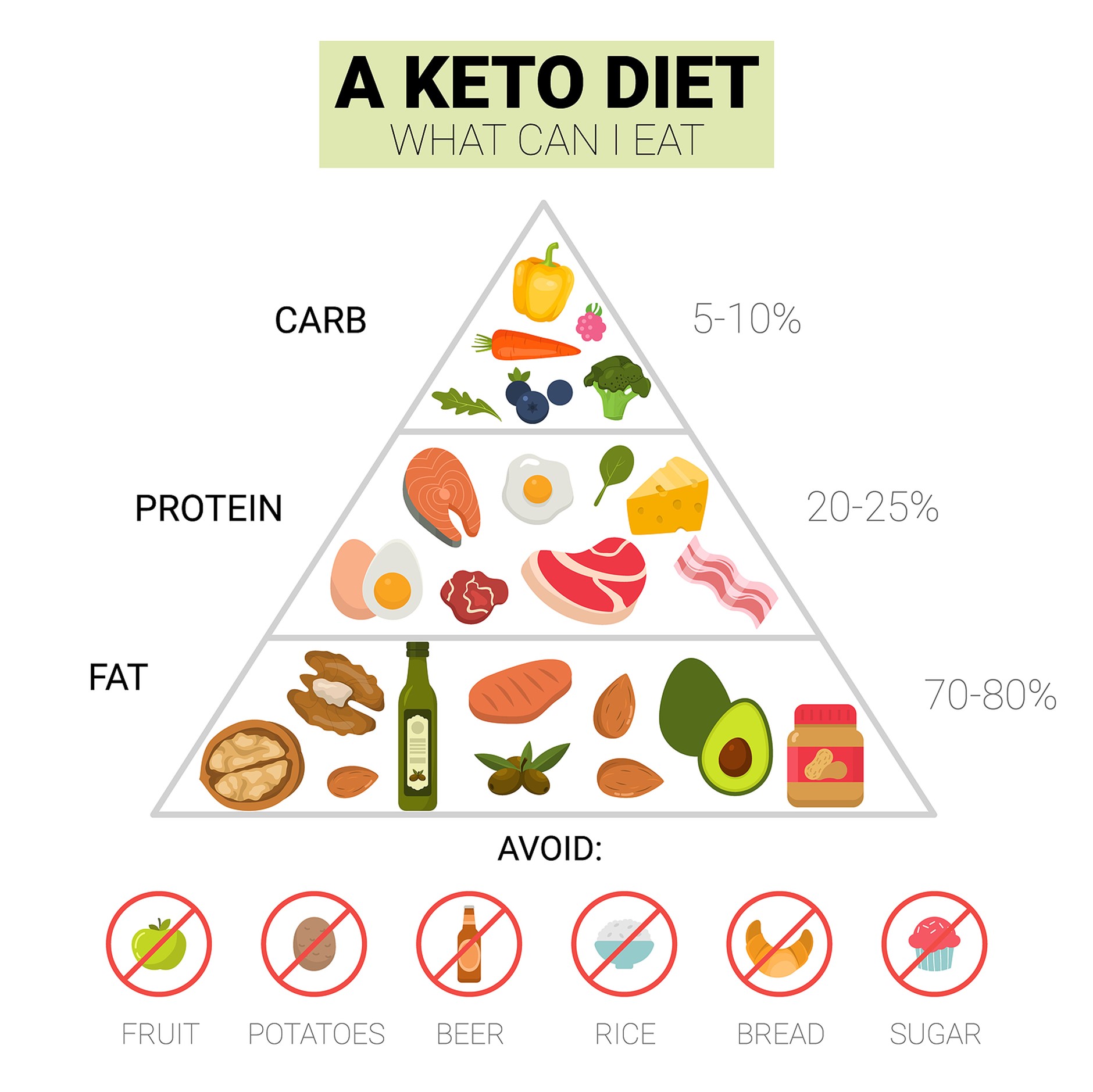
The ketogenic diet, also known as the "keto diet," is a high-fat, moderate-protein, low-carbohydrate eating plan. It was originally developed in the 1920s as a treatment for epilepsy, but has since been shown to have benefits for people with diabetes as well. The diet works by drastically reducing carbohydrate intake, causing the body to shift from relying on glucose for energy to relying on fat.
Benefits of the Ketogenic Diet for Diabetics
- Improved blood sugar control: By reducing carbohydrate intake, the keto diet can help regulate blood sugar levels and improve insulin sensitivity.
- Weight loss: The keto diet is often used for weight loss, as it can lead to a significant reduction in body fat.
- Increased energy: The high-fat diet can provide a sustained energy source, reducing the need for carbohydrates and sugar.
Risks and Considerations
While the keto diet can be beneficial for people with diabetes, it's essential to consider the potential risks and side effects. These may include:
- Ketoacidosis: A potentially life-threatening condition that occurs when the body produces high levels of ketones.
- Nutrient deficiencies: The keto diet can be low in certain nutrients, such as fiber, vitamins, and minerals.
- Increased risk of kidney stones: The high fat intake may increase the risk of kidney stones.

Who Should Not Follow the Ketogenic Diet
While the keto diet can be beneficial for some people with diabetes, it may not be suitable for everyone. Certain individuals may need to avoid this diet, including:
- Those with type 1 diabetes: People with type 1 diabetes may need to monitor their blood sugar levels closely when following the keto diet.
- Those with kidney disease: The keto diet may not be suitable for people with kidney disease, as it can put additional strain on the kidneys.
Conclusion
The ketogenic diet can be a valuable tool for managing blood sugar levels and reducing the need for insulin medication in people with diabetes. However, it's essential to approach this diet with caution and consult with a healthcare professional before making any significant changes to your diet. By weighing the pros and cons and considering individual factors, people with diabetes can determine whether the keto diet is right for them.
Recommended Resources
For those interested in learning more about the keto diet and its benefits for diabetics, the following resources may be helpful:
- Book: "KetoDiet for Women" by Dr. Eric Berg
- Online course: "Keto Diet for Diabetics" by Diet Doctor
- App: "KetoDiet" by KetoDiet Inc.