Sitting Posture Exercises for Back Pain: Improving Your Work Habits
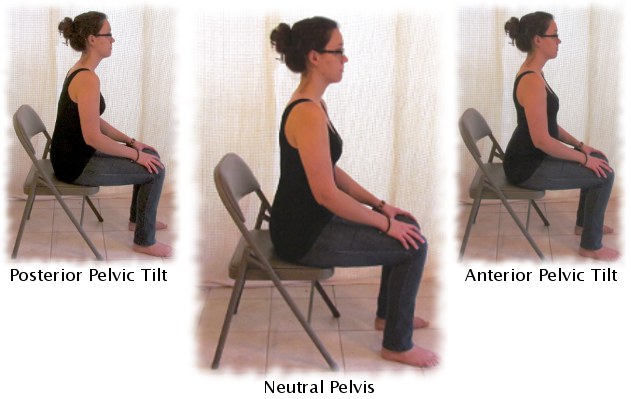
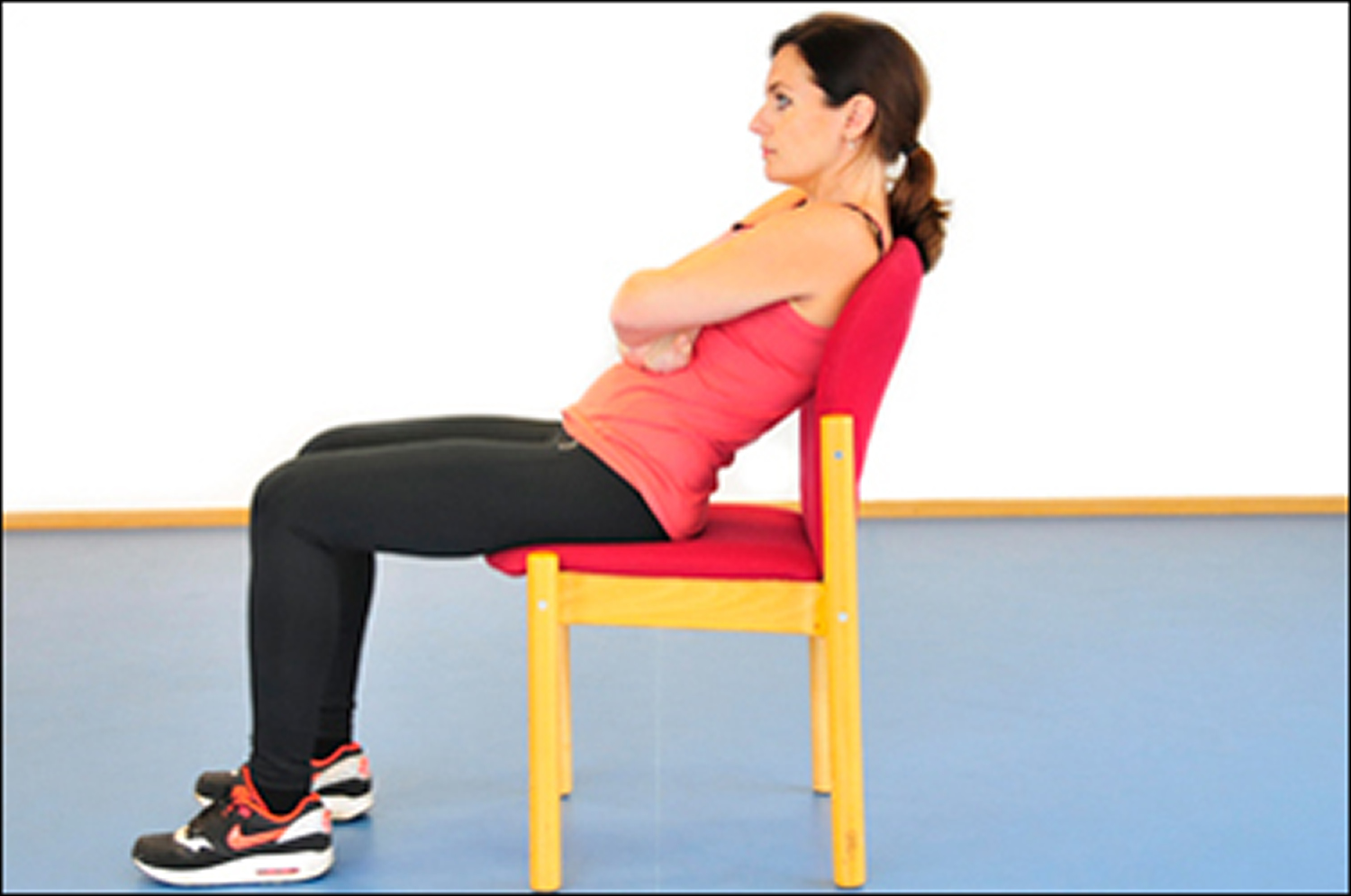
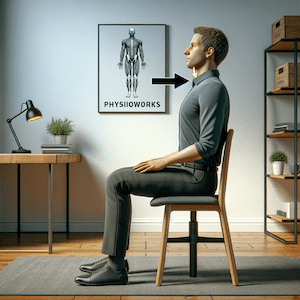
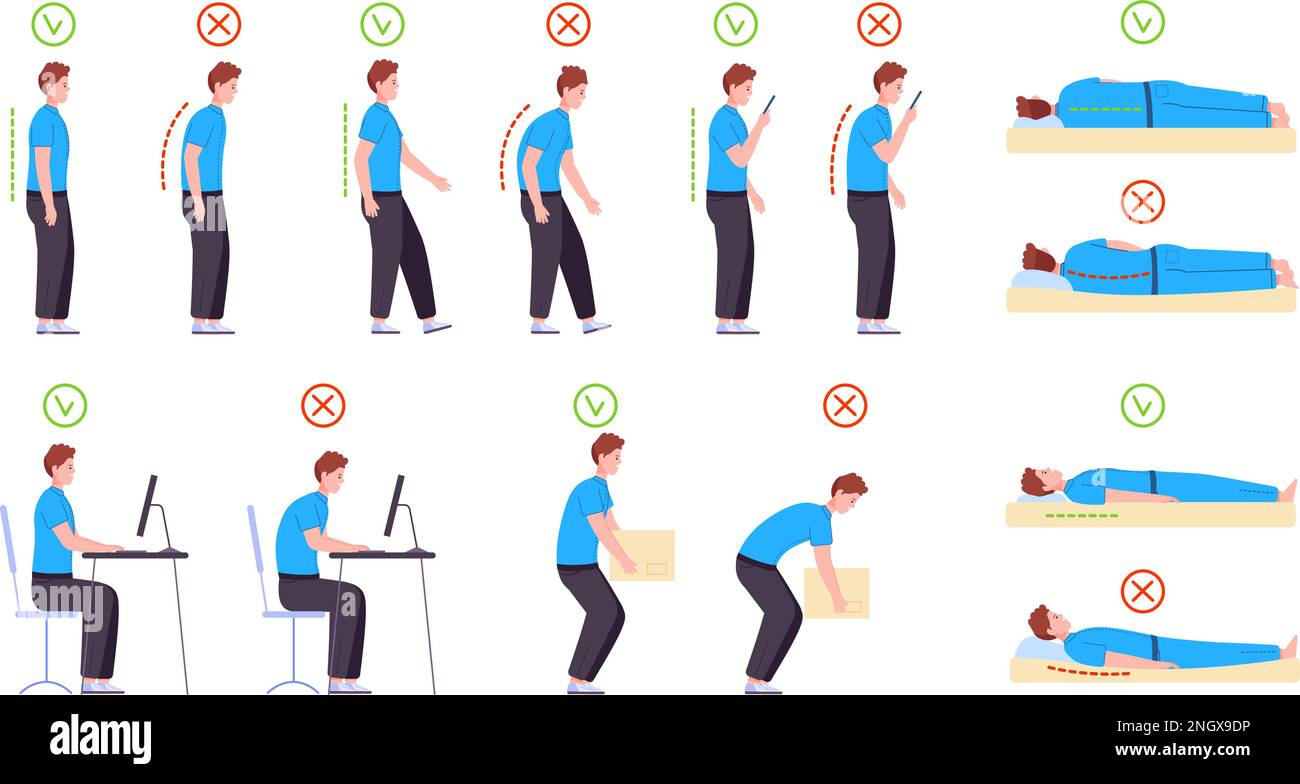
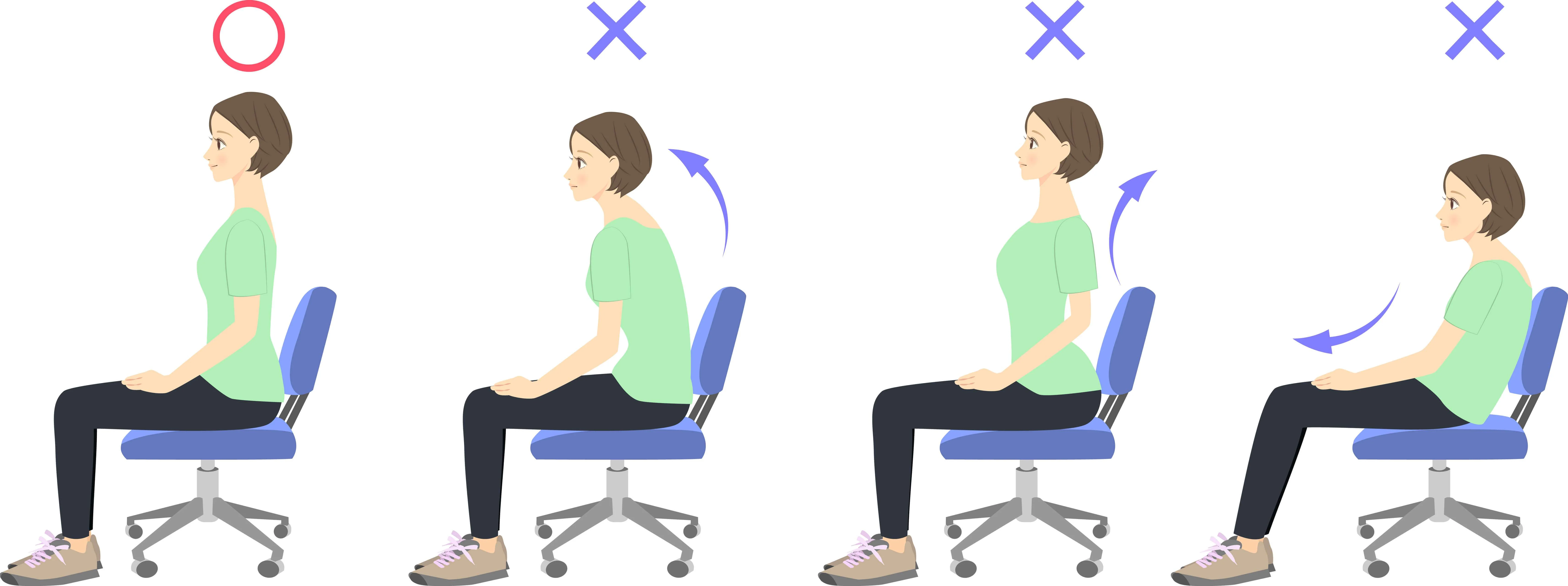
If you're slouching all day at your desk, you're probably experiencing some back pain. Poor posture is one of the most common (and often overlooked) causes of chronic back pain. Over time, slouching, forward head posture, and improper sitting or standing habits can stress your muscles, ligaments, and spinal discs.
What Causes Back Pain from Sitting?
Sitting for long hours at work, study, or using mobile/laptop can lead to neck hump, back pain, and shoulder stiffness. When you sit for an extended period, your body weight is concentrated on your lower back, which can cause strain on your muscles and joints. This can lead to discomfort and pain in your lower back, hips, and legs.
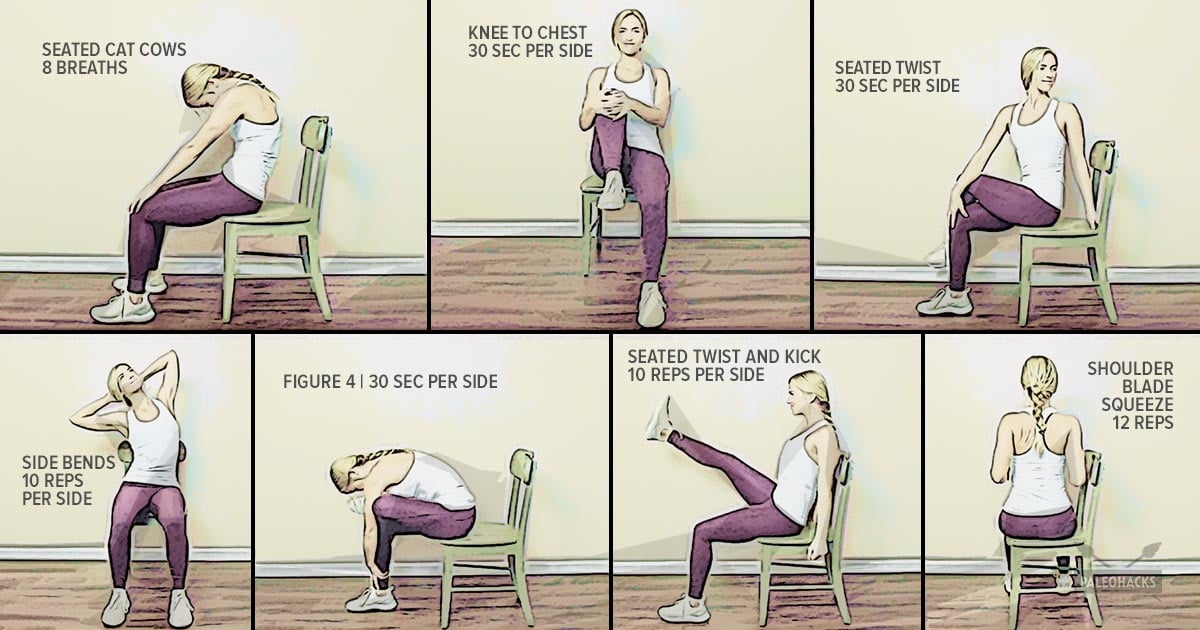
5 Sitting Posture Exercises for Back Pain Relief
- Abdominal Bracing: 10 x 10 seconds. Sit in a comfortable position with hands on your lower abs. Draw your navel to your spine, bracing your abdominal muscles. Hold, then relax.
- Doorway Stretches: Stand in a doorway with your hands on the doorframe at shoulder height. Lean forward until you feel a stretch in your chest and shoulders.
- Bent-Over Rows: Hold a light weight or resistance band and stand with your feet shoulder-width apart. Bend your knees slightly and lean forward, keeping your back straight. Lift the weight or resistance band to your side, keeping your elbow close to your body.
- Seated Pigeon Stretch: Sit on the floor with your legs straight out in front of you. Bring one knee towards your chest and place your foot on the opposite knee. Lean forward, stretching your hip and lower back muscles.
- Resistance Band Exercises: Use a resistance band to strengthen your back muscles. Perform exercises like rows, shoulder rotations, and shoulder blade squeezes.
Prevention is Key
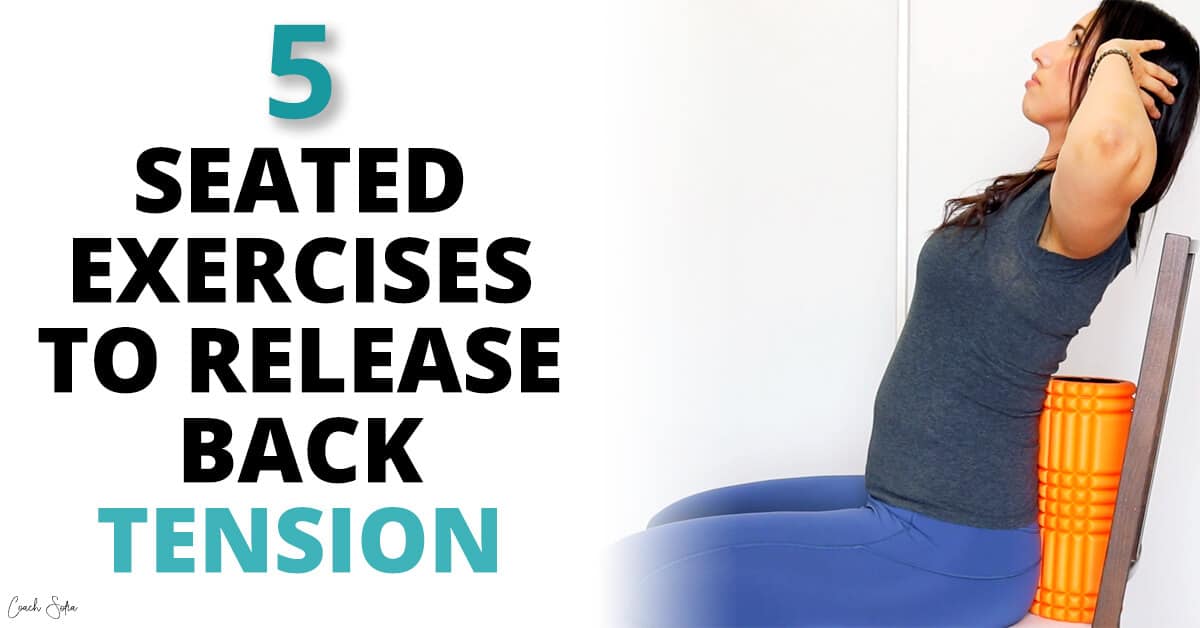
Preventing back pain from sitting is easier than treating it. By incorporating these exercises into your daily routine, you can strengthen your back muscles and improve your posture. Additionally, maintaining good posture, taking regular breaks, and using ergonomic equipment can help reduce the risk of back pain.
When to See a Doctor
If your back pain persists or worsens, it's essential to consult a healthcare professional. They can diagnose the underlying cause of your back pain and recommend treatment options. In some cases, back pain can be a symptom of a more serious underlying condition, such as a herniated disk or spinal stenosis.
Conclusion
Improving your sitting posture and reducing back pain requires a combination of exercises, good posture, and a healthy lifestyle. By incorporating these exercises into your daily routine and maintaining good posture, you can reduce the risk of back pain and improve your overall well-being. Remember to consult a healthcare professional if your back pain persists or worsens.