Understanding Anti-Obesity Medications: A Comprehensive Guide
Introduction
Obesity is a chronic disease that affects millions of people around the world. It is a leading cause of various health problems, including diabetes, heart disease, and certain types of cancer. Anti-obesity medications have emerged as a promising solution for individuals struggling with weight management, but it is essential to understand their safety, efficacy, and potential risks. In this article, we will explore the world of anti-obesity medications, discussing their types, mechanisms of action, common side effects, and recent developments in the field.What are Anti-Obesity Medications?
Anti-obesity medications, also known as anti-obesity drugs or anti-obesity treatments, are prescription medications aimed at helping individuals lose weight and maintain weight loss. These medications work by reducing hunger, increasing feelings of fullness, or altering the body's metabolism. They are often used in conjunction with lifestyle changes, such as dietary modifications and increased physical activity.Types of Anti-Obesity Medications
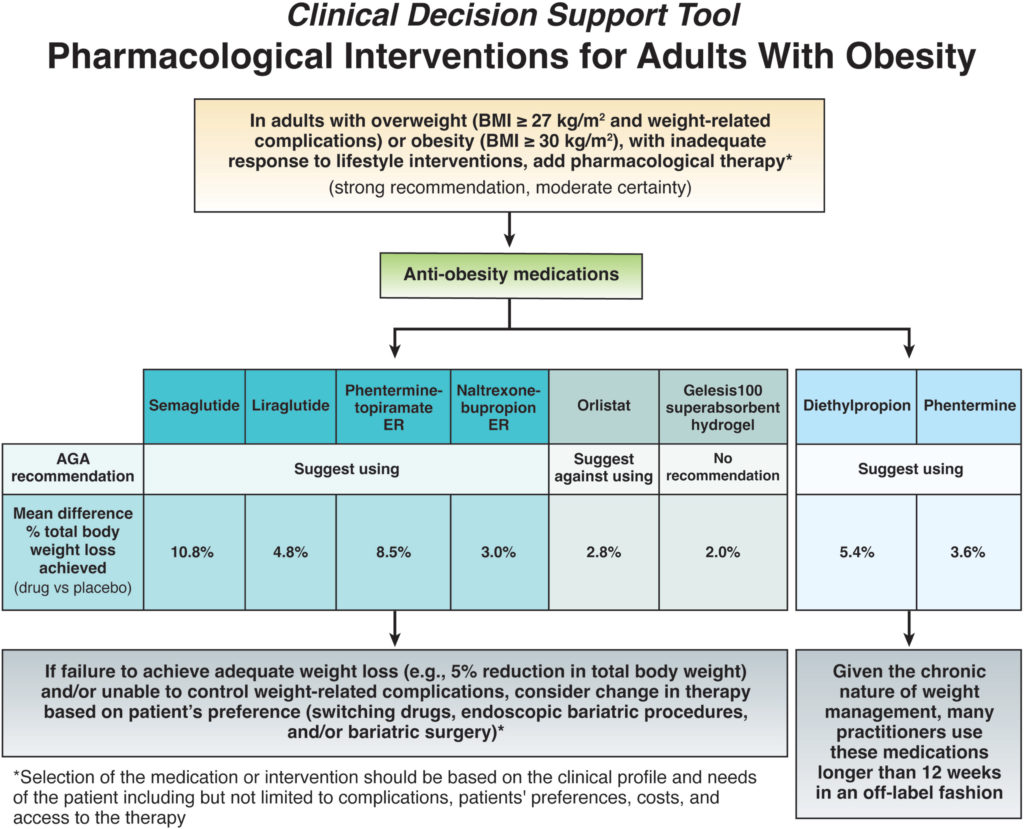
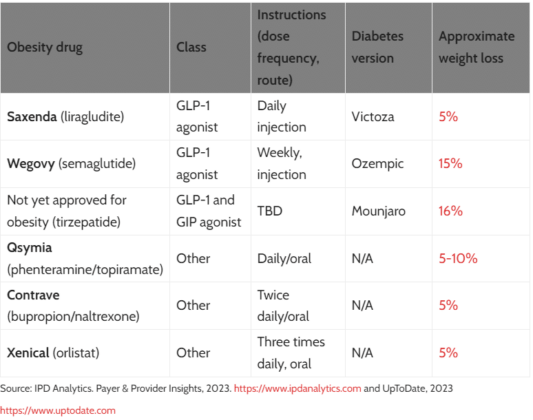
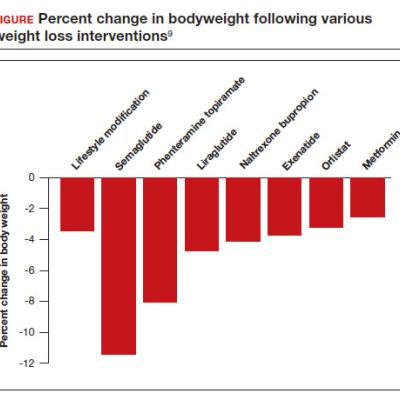
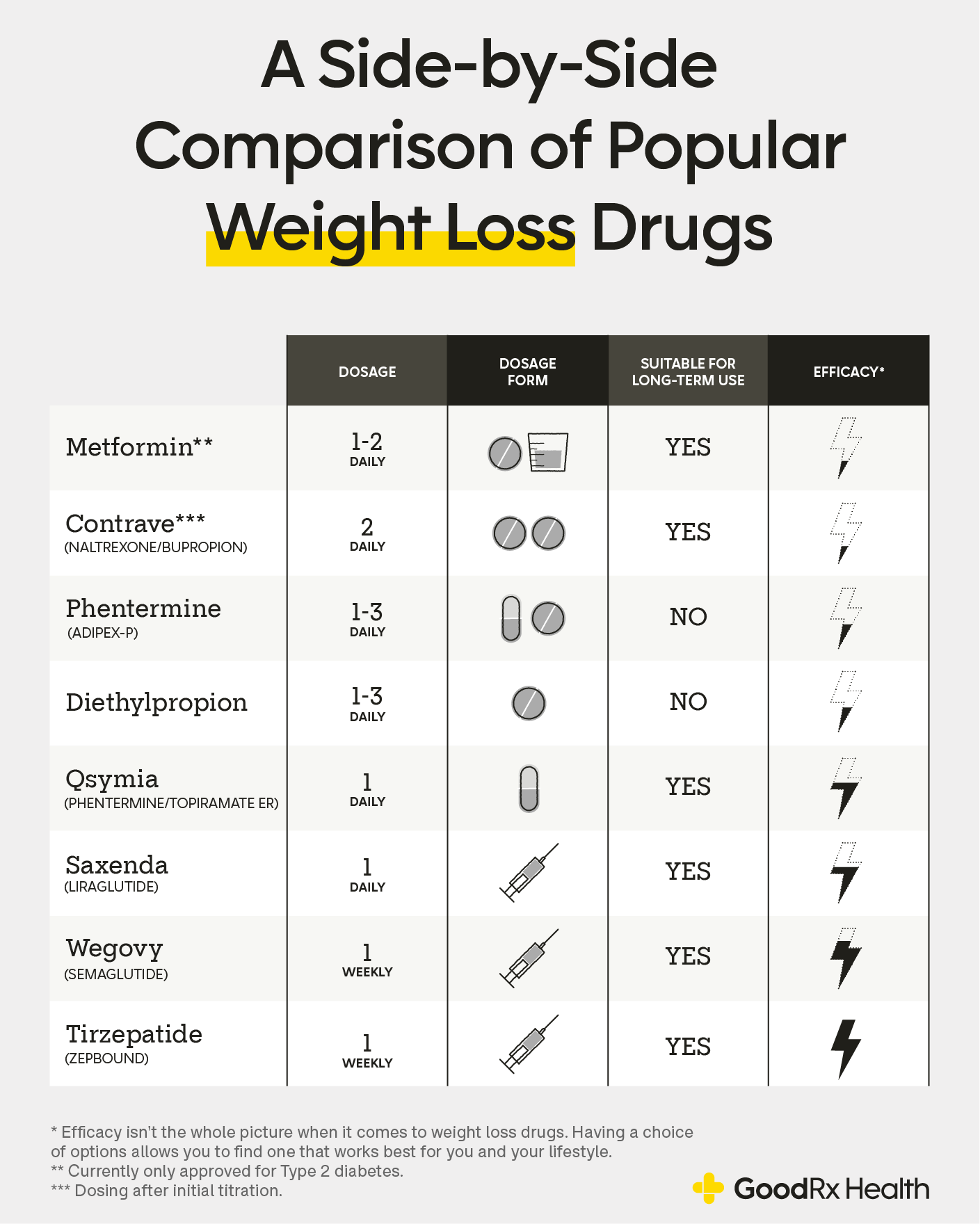
There are several types of anti-obesity medications available, each with its unique mechanism of action. Some of the most commonly prescribed anti-obesity medications include:- Incretin mimetics: These medications, such as semaglutide and liraglutide, mimic the action of hormones that help regulate blood sugar levels and appetite.
- Appetite suppressants: These medications, such as phentermine and topiramate, work by reducing hunger and increasing feelings of fullness.
- Antiemetics: These medications, such as naltrexone, work by reducing nausea and promoting weight loss.
How Do Anti-Obesity Medications Work?
Anti-obesity medications work by:- Reducing hunger: By mimicking hormones that help regulate appetite, these medications can help reduce hunger and increase feelings of fullness.
- Increasing satiety: By slowing down digestion and increasing feelings of fullness, these medications can help individuals feel satisfied and eat less.
- Altering metabolism: By altering the body's metabolism, these medications can help increase the amount of energy expended by the body, leading to weight loss.

Common Side Effects of Anti-Obesity Medications
While anti-obesity medications can be effective, they can also cause various side effects, including:- Nausea and vomiting
- Diarrhea
- Headache
- Dizziness
Recent Developments in Anti-Obesity Medications
The anti-obesity medication market is rapidly changing, with new medications being approved and existing ones being modified. Recent developments include:- Semaglutide: This medication has been shown to be effective in promoting significant weight loss and improving cardiovascular health.
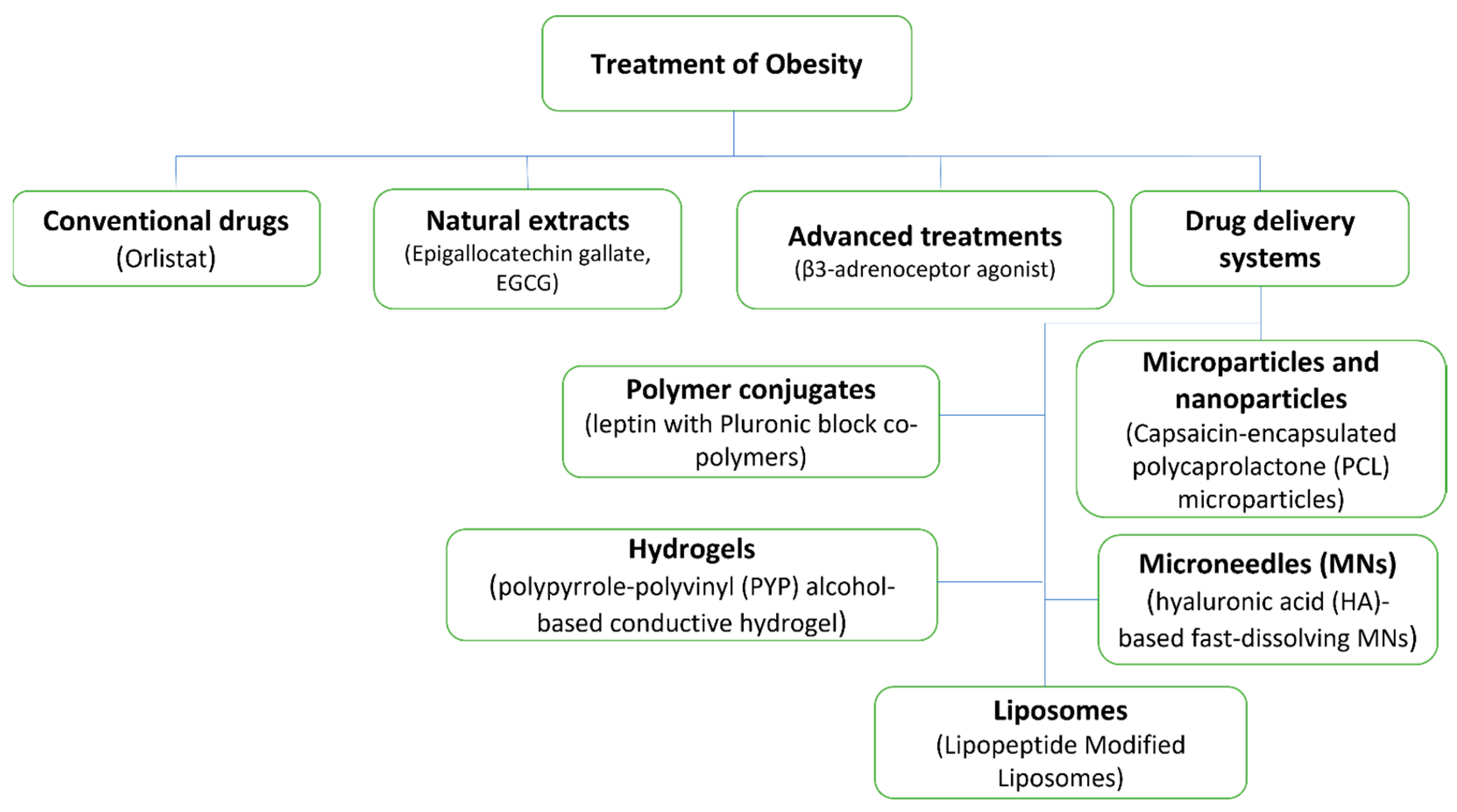
- Novel delivery systems: New delivery systems, such as oral formulations and implantable devices, are being developed to make anti-obesity medications more convenient and effective.