Revisiting the Impact of GLP-1 and Very Low Carbohydrate Weight Loss
The quest for sustainable weight loss has led healthcare professionals and researchers to explore innovative approaches, including the combination of GLP-1 (Glucagon-Like Peptide-1) receptor agonist medications and very low carbohydrate diets. GLP-1 medications, such as Ozempic and Wegovy, have gained popularity for their effectiveness in weight loss and diabetes management. However, navigating the intricacies of low-carb diets with GLP-1 therapy requires a nuanced understanding of their interplay.
Understanding GLP-1 Receptor Agonists
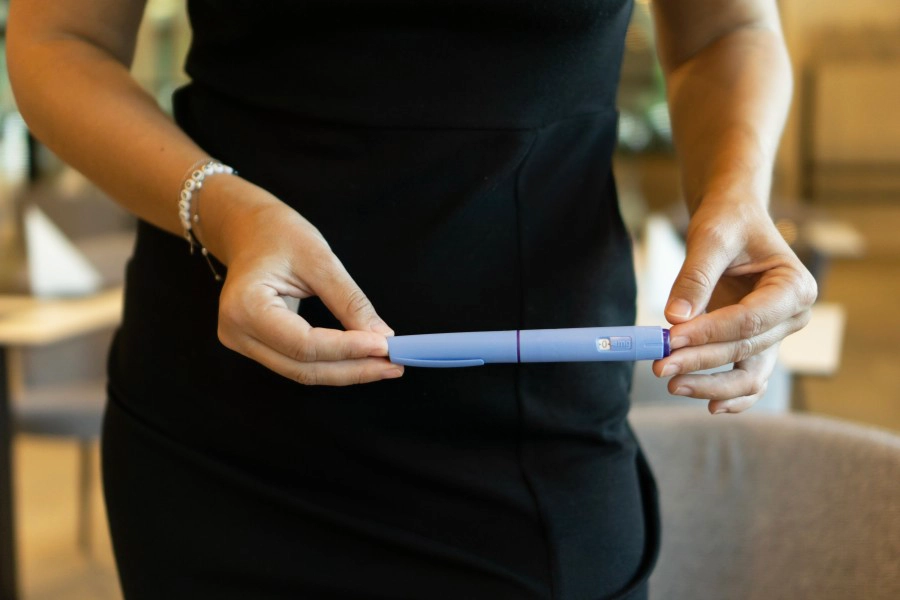
GLP-1 receptor agonists are designed to mimic the body's natural GLP-1 hormone, which plays a crucial role in regulating blood sugar levels, appetite, and satiety. By activating GLP-1 receptors, these medications enhance insulin secretion, slow gastric emptying, and promote feelings of fullness, leading to improved metabolic outcomes and weight loss.
Low-Carb Diets and GLP-1 Therapy: A Powerful Combination
When combined with a low-carb diet, GLP-1 medications can amplify weight loss benefits. Low-carb diets have been shown to reduce insulin levels, increase satiety, and promote fat loss. GLP-1 medications, in turn, enhance appetite control, improve insulin sensitivity, and stabilize blood sugar levels. This synergistic effect makes low-carb and GLP-1 therapy a potent weight loss amplifier.
Key Takeaways on GLP-1 and Very Low Carbohydrate Weight Loss
- GLP-1 medications suppress appetite and slow gastric emptying, leading to sustained satiety and decreased calorie consumption.
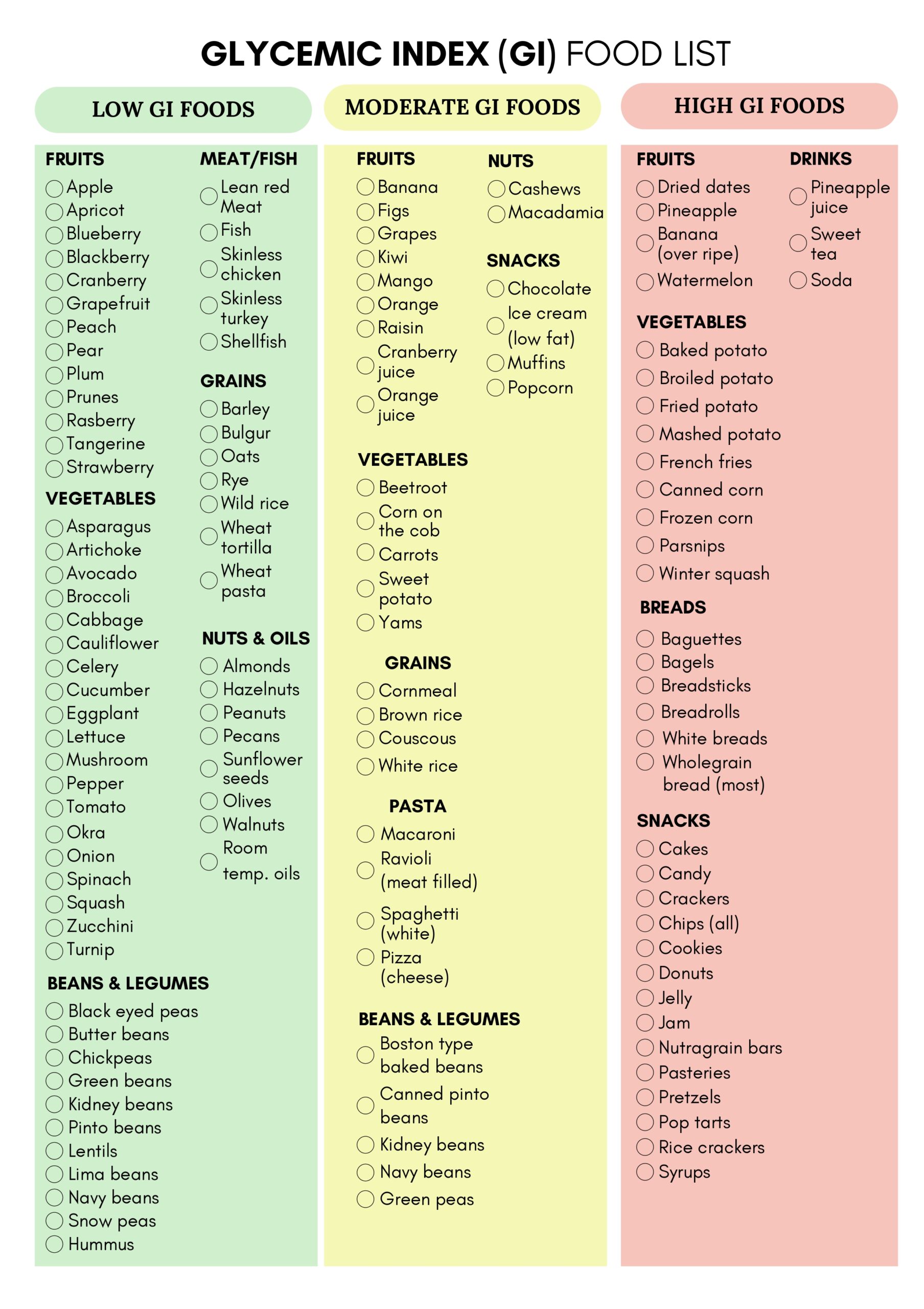
- Low-carb diets reduce insulin spikes, improve insulin sensitivity, and stabilize blood sugar levels, making them a natural complement to GLP-1 therapy.
- Combining GLP-1 medications with a low-carb diet can amplify weight loss benefits, improving metabolic outcomes and reducing the risk of weight regain.
The Importance of Macronutrient Balance on GLP-1 Medications

While GLP-1 medications have shown promise in weight loss, it's essential to note that there is no one-size-fits-all approach to macronutrient balance. NICE recommends individualized guidance on calorie control, nutrition, and sustainability. A registered dietitian can help create a personalized meal plan that balances protein, fat, and carbohydrates, ensuring adequate nutrition and minimizing side effects.
Preserving Lean Mass with GLP-1 Therapy
It's essential to maintain lean muscle mass while on GLP-1 medications. Adequate protein intake, particularly in the form of high-protein diets, can help preserve muscle mass. Additionally, resistance training and regular exercise can aid in maintaining muscle mass and promoting overall metabolic health.
GLP-1 and Very Low Carbohydrate Weight Loss: A Guide for Clinicians and Patients
As the popularity of GLP-1 medications continues to grow, it's crucial for clinicians and patients to understand the intricacies of low-carb diets and GLP-1 therapy. By working together, individuals can develop personalized meal plans that balance macronutrients, optimize weight loss, and minimize side effects. A healthcare professional can guide the process, ensuring a successful and sustainable weight loss journey.
Conclusion
The combination of GLP-1 receptor agonist medications and very low carbohydrate diets represents a powerful approach to weight loss and metabolic management. By understanding the mechanisms of action, interplay, and potential benefits and limitations, individuals can make informed decisions about their weight loss journey. With careful planning and personalized guidance, clinicians and patients can harness the potential of this synergistic combination to achieve sustainable weight loss and improve overall health outcomes.