Vegetation Control for Foundation: A Comprehensive Guide
As a homeowner, you understand the importance of maintaining a healthy and beautiful landscape around your home. However, unchecked vegetation growth near your foundation can lead to a host of problems, from structural damage to pest infestations. In this article, we will explore the crucial aspects of managing vegetation near foundations, offering practical advice for homeowners and professionals alike.
Why Vegetation Control is Essential for Foundations
Vegetation control for foundation refers to the process of managing and regulating plant growth near the base of a building. This is crucial because plants can cause damage to a foundation in several ways:
- Moisture accumulation: Plants can absorb and retain water, leading to moisture accumulation near the foundation. This can cause damage to the foundation, walls, and surrounding soil.
- Root growth: Plant roots can grow and spread, causing pressure on the foundation and surrounding soil. This can lead to cracks, settlement, and other structural issues.
- Pest and rodent infestations: Vegetation can attract pests and rodents, which can burrow into the foundation, walls, and surrounding soil, causing damage and compromising the structural integrity of the building.
Strategies for Effective Vegetation Control
To maintain a healthy and safe landscape around your home, follow these strategies for effective vegetation control:
- Irrigate wisely: Establish new plants with adequate watering but avoid oversaturation that causes runoff or water pooling near your foundation walls.
- Choose the right plants: Select plants that are drought-resistant and have a shallow root system to prevent root growth near the foundation.
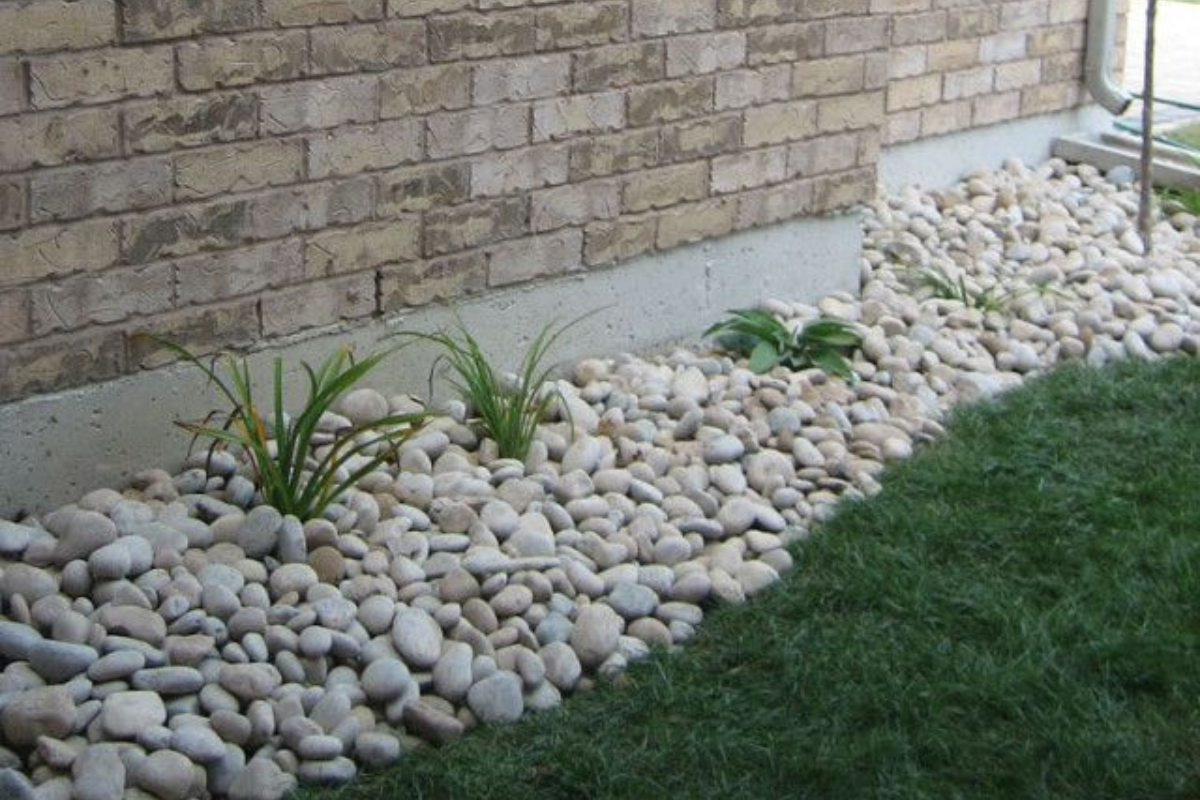
- Use edging materials: Install edging materials such as stone, wood, or plastic to create a barrier between the plants and the foundation.
- Regular maintenance: Inspect periodically after heavy rains for signs of erosion or bare spots. Replace dying plants promptly.
Best Plants for Foundation Stability
When choosing plants for your landscape, consider the following options that are known for their stability and ability to thrive near foundations:
- Creeping Thyme: A low-growing, drought-resistant groundcover that can help absorb excess moisture.
- Boxwood: A compact, evergreen shrub that can be used for edging and provides a visually appealing barrier between the plants and the foundation.
- Sedum: A succulent that can tolerate drought and can help absorb excess moisture.
- English Ivy: A versatile, evergreen climber that can be used for edging and provides a visually appealing barrier between the plants and the foundation.
Prevention is Key
The best way to manage vegetation near your foundation is to prevent problems from arising in the first place. This can be achieved by:
- Slope the ground: Slope the ground away from the building's perimeter on all sides to prevent water accumulation.
- Direct rainwater: Direct rainwater from gutters and downspouts away from the building.
- Provide drought-resistant plants: Plant drought-resistant plants that can thrive in your local climate.
- Avoid over-irrigation: Avoid over-irrigation, which can lead to moisture accumulation and root growth.
Conclusion
Vegetation control for foundation is a critical aspect of maintaining a healthy and safe landscape around your home. By understanding the importance of vegetation control and implementing effective strategies, you can prevent damage to your foundation, walls, and surrounding soil. Remember to choose the right plants, irrigate wisely, and maintain a regular maintenance schedule to ensure a beautiful and stable landscape.