Glucose Regulation and GLP-1: Understanding the Critical Role of This Hormone in Metabolism
Glucagon-Like Peptide-1 (GLP-1) is a hormone that plays a vital role in regulating glucose levels, insulin secretion, and appetite. In recent years, research has highlighted the significance of GLP-1 in the context of glucose regulation, weight management, and metabolic health. This article will delve into the physiological roles of GLP-1, its impact on glucose homeostasis, insulin secretion, and satiety.Physiological Roles of GLP-1
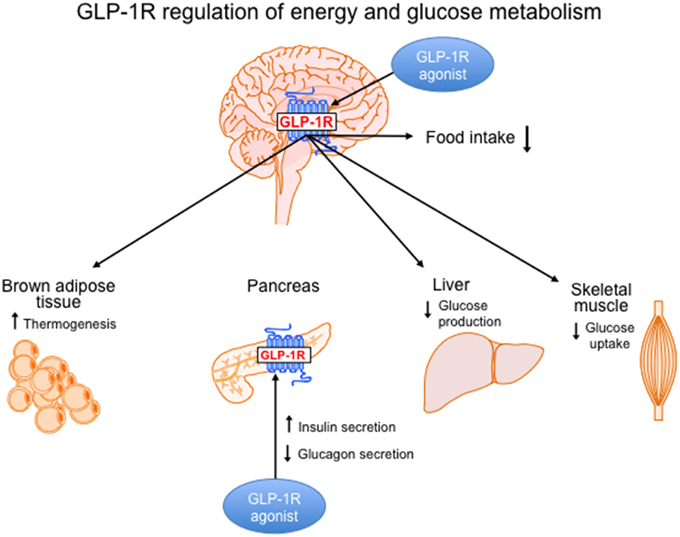
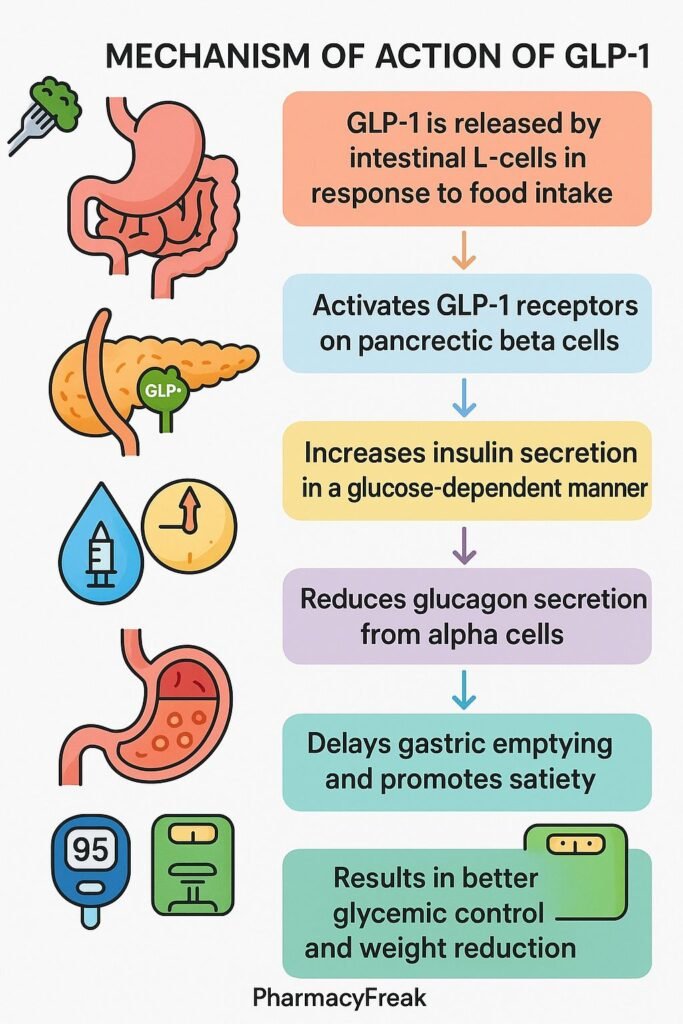
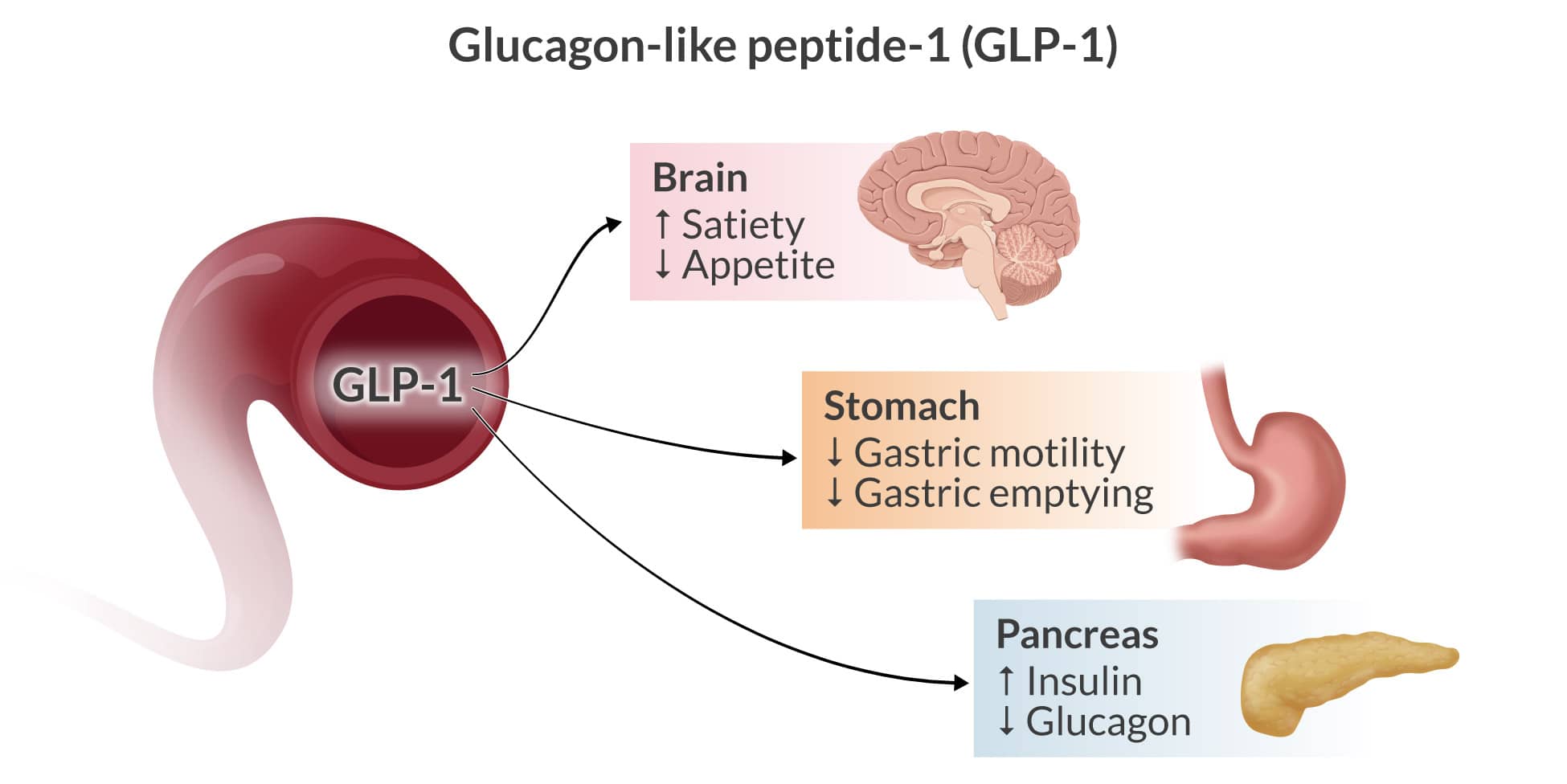
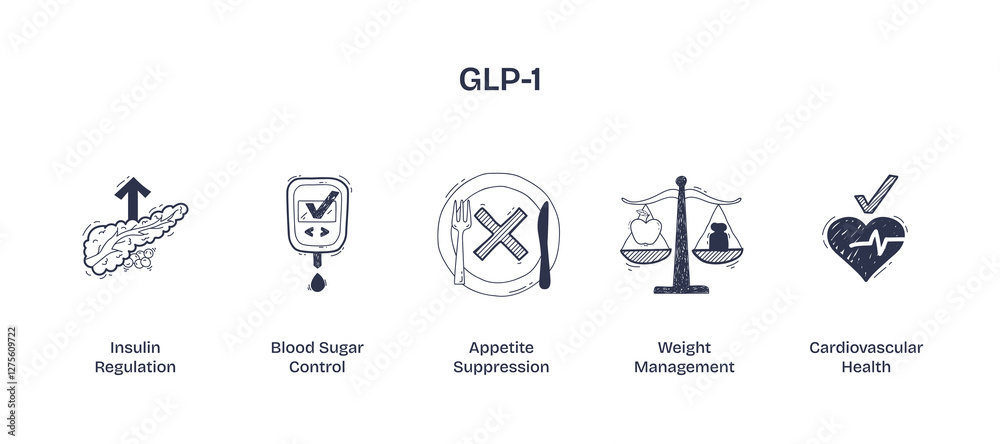
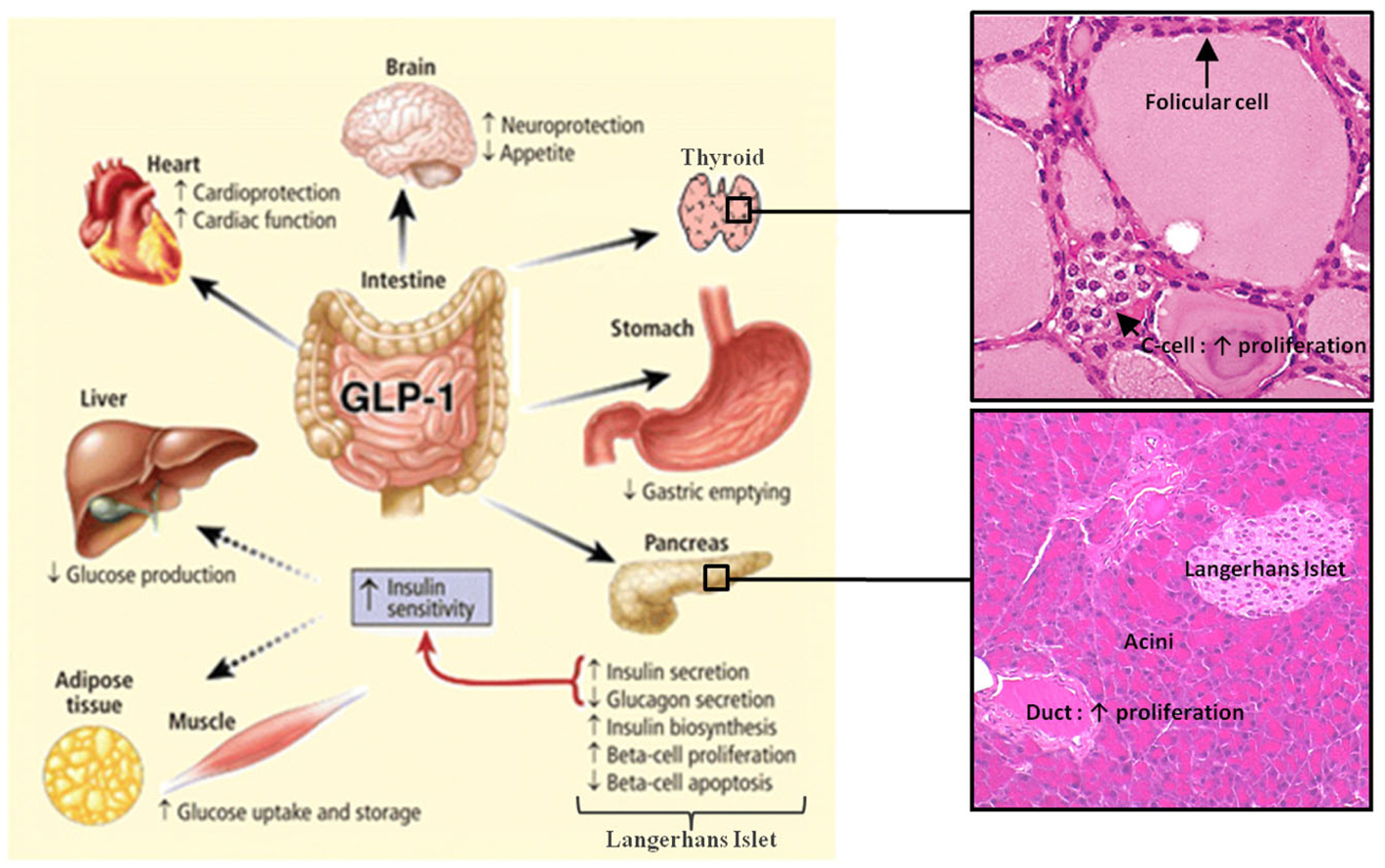
GLP-1 is an incretin hormone produced in the intestines and released in response to food intake. It is a key player in regulating glucose homeostasis, insulin secretion, and appetite. GLP-1 has been shown to enhance glucose-dependent insulin secretion, suppress glucagon release, delay gastric emptying, and promote satiety signals in the brain.Impact on Glucose Homeostasis and Insulin Secretion
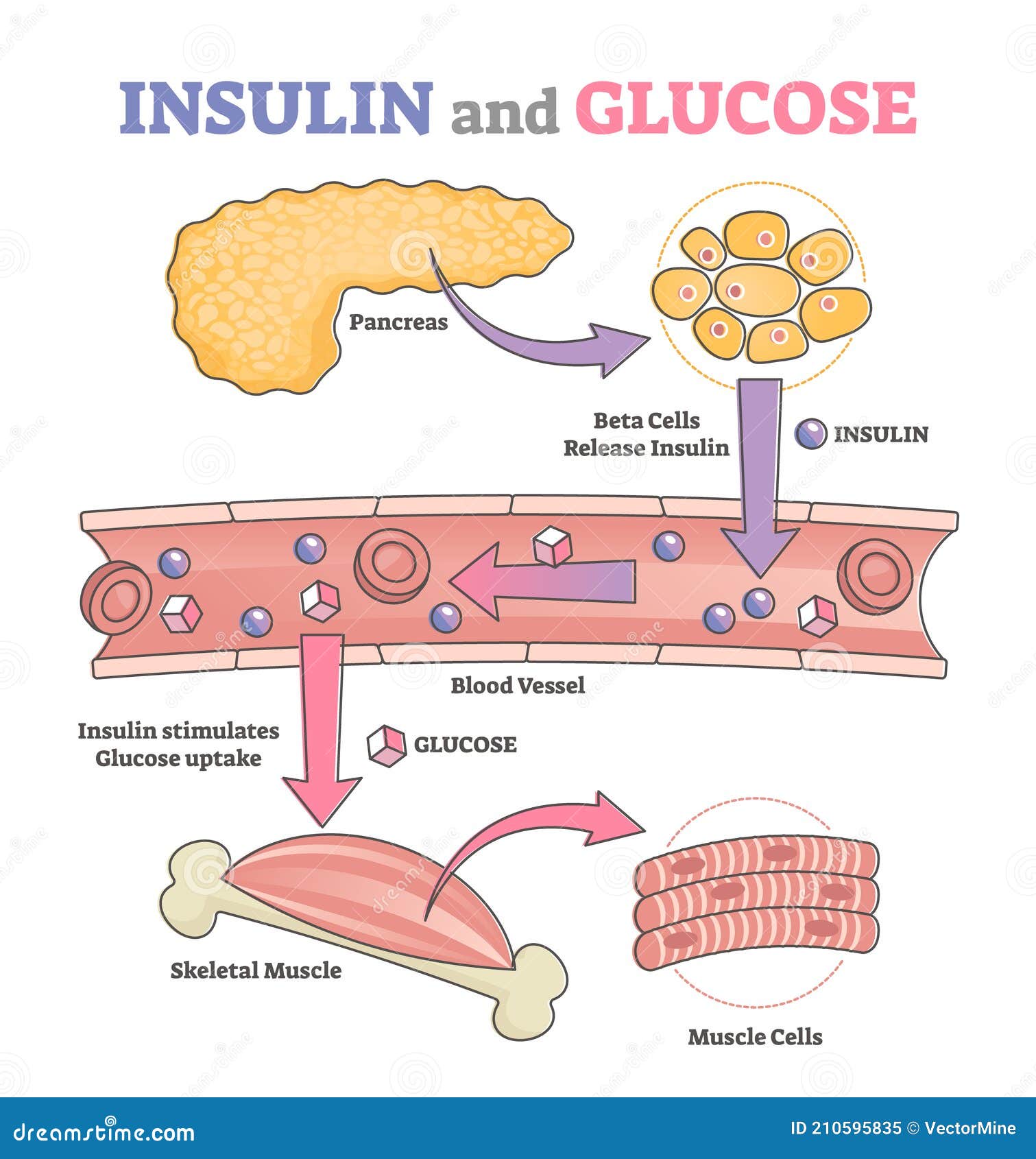
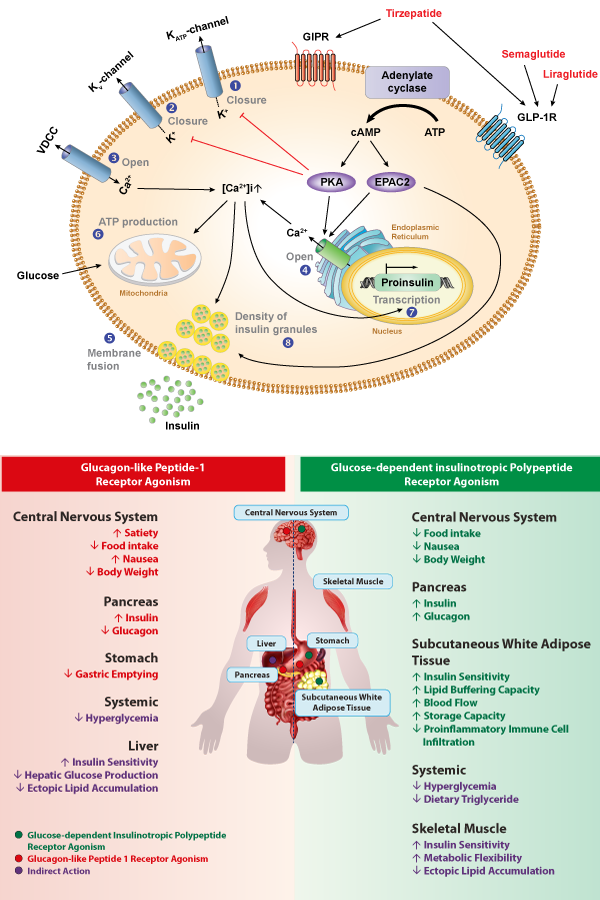
GLP-1 exerts its effects on glucose homeostasis by stimulating insulin secretion from pancreatic beta cells and suppressing glucagon release. This results in improved blood sugar control, reduced glucose spikes, and enhanced insulin sensitivity. Research has shown that GLP-1 receptor agonists, such as semaglutide, can effectively lower glucose levels, improve insulin secretion, and increase insulin sensitivity in patients with type 2 diabetes.Regulation of Appetite and Satiety
GLP-1 plays a crucial role in regulating appetite and satiety by promoting satiety signals in the brain. It does this by inhibiting the release of ghrelin, a hormone that stimulates appetite, and increasing the release of PYY, a hormone that suppresses appetite. The result is reduced hunger and increased feelings of fullness, leading to weight loss and improved metabolic health.GLP-1 Receptor Agonists and Their Therapeutic Benefits