Trademark Classification by Class: A Comprehensive Guide
Trademark classification by class is a way for businesses to organize their goods and services into broad categories, making it easier to search for and protect their intellectual property. The United States Patent and Trademark Office (USPTO) uses a classification system to categorize trademarks into 45 classes, with 34 classes for goods and 11 classes for services.
What is Trademark Classification by Class?
Trademark classification by class is a method of grouping similar goods and services into categories based on their characteristics, uses, and purposes. This system helps to identify and distinguish between different types of products and services, making it easier to determine whether a particular mark is already in use or available for registration.
Why is Trademark Classification by Class Important?
Trademark classification by class is crucial for several reasons:
- It helps businesses identify the correct class or classes for their goods and services, ensuring they receive the proper protection and avoid costly mistakes.
- It aids in searching the database of registered and pending trademarks, making it easier to determine whether a particular mark is available for registration.
- It enables businesses to pay the correct fees for trademark registration and maintenance, avoiding unnecessary costs.
- It helps to prevent confusion and infringement by ensuring that similar goods and services are not registered with the same mark.
The 45 Trademark Classes
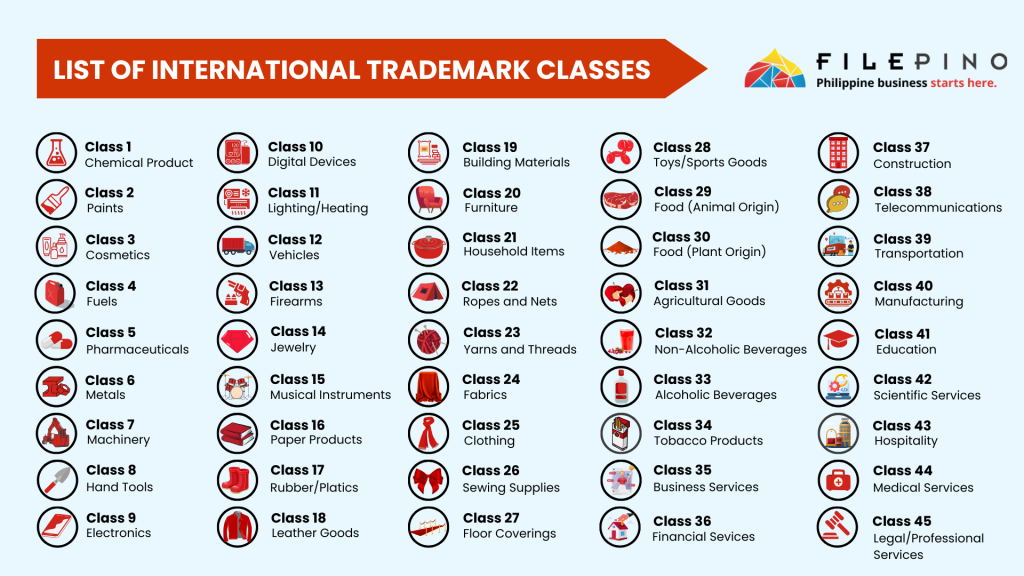
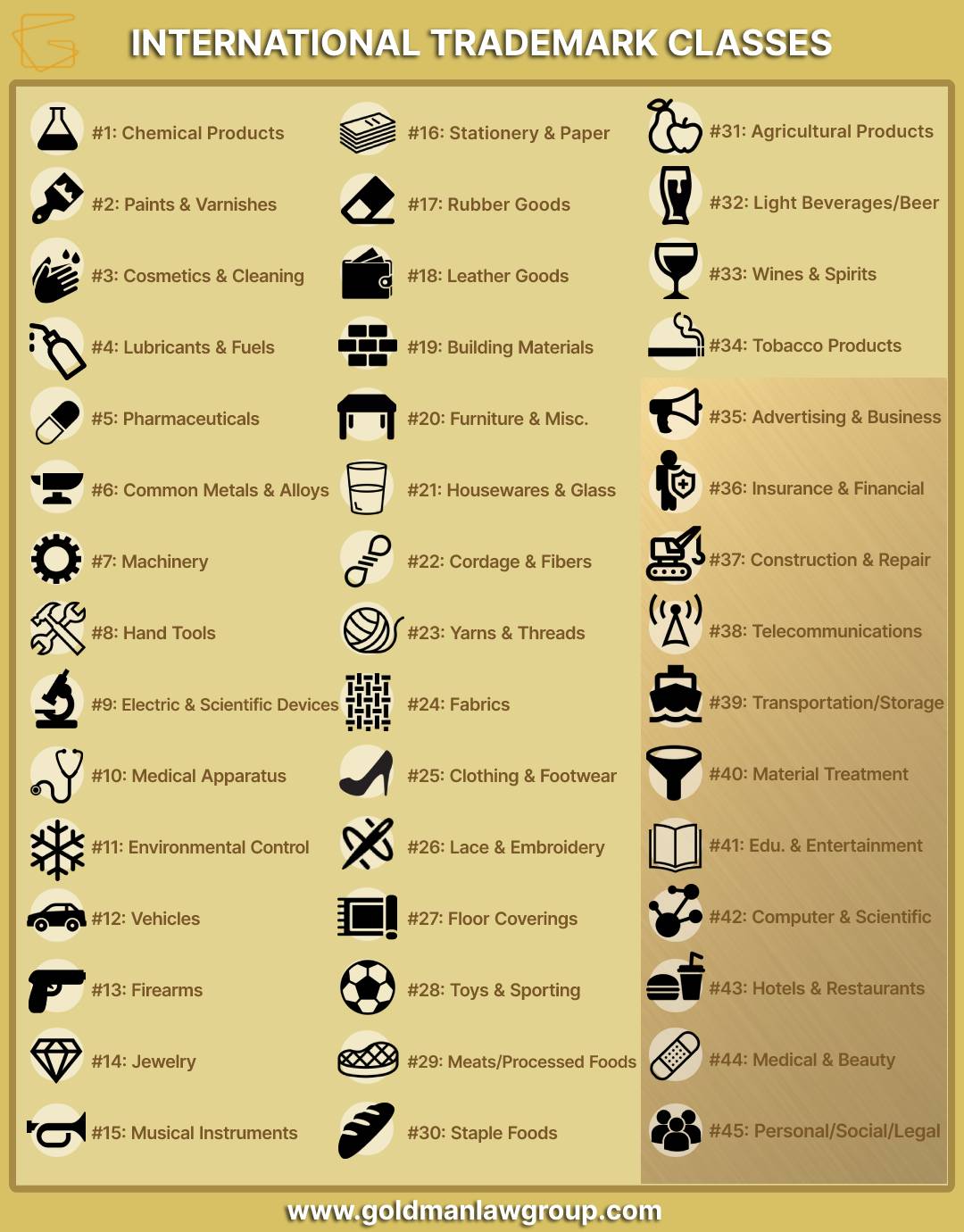
The USPTO divides trademarks into 45 classes, with 34 classes for goods and 11 classes for services. Each class has a unique number and description, which helps to identify the type of goods or services it covers. Here's a breakdown of the 45 trademark classes:
- Classes 1-34: Goods
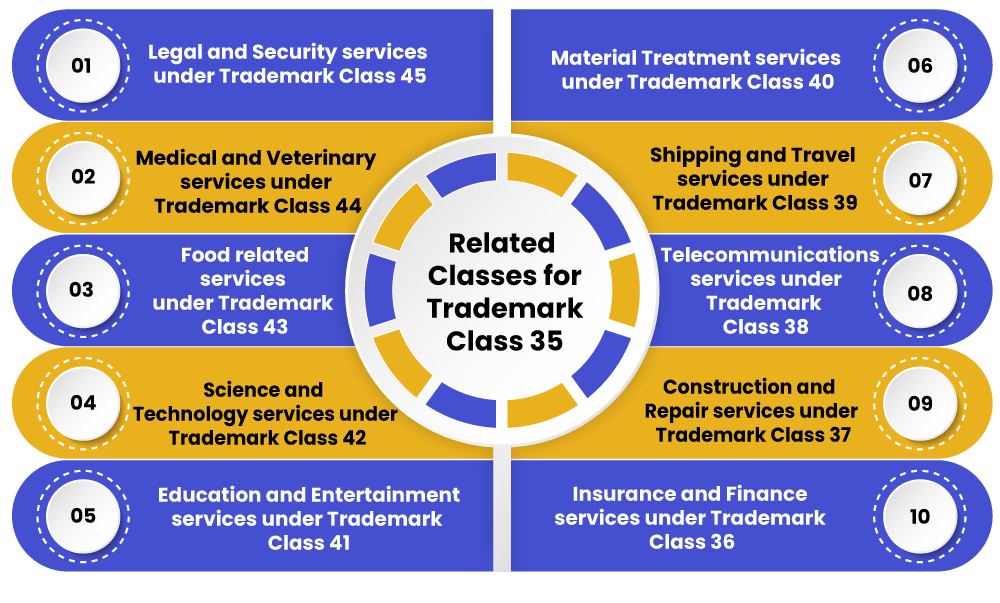
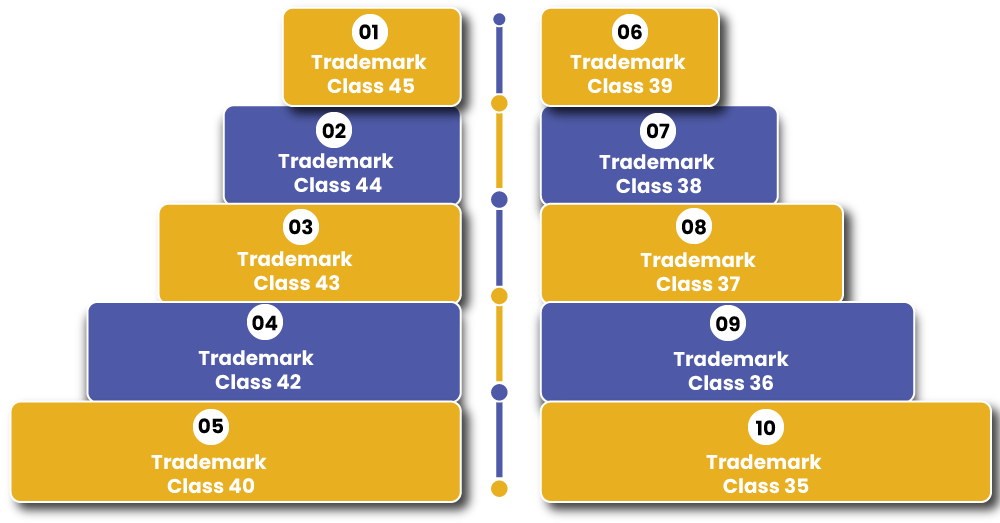
- Classes 35-45: Services
Examples of Goods and Services in Each Class
To help businesses understand which class or classes are relevant to their goods or services, here are some examples:
- Class 1: Chemicals used in industry, science, and photography
- Class 2: Paints, varnishes, lacquers, and more
- Class 3: Non-medicated cosmetics and toiletries
- Class 4: Industrial oils and greases
- Class 5: Pharmaceuticals
- Class 6: Common metals and their alloys
- Class 7: Machines and machine tools
- Class 8: Hand tools and hardware
- Class 9: Computer and scientific apparatus
- Class 10: Surgical, medical, and dental instruments
- Class 11: Environmental control apparatus
- Class 12: Vehicles
- Class 13: Building construction
- Class 14: Jewelry and precious stones
- Class 15: Musical instruments
- Class 16: Paper, cardboard, and stationery
- Class 17: Rubber, leather, and plastic materials
- Class 18: Leather and imitations of leather
- Class 19: Non-metallic construction materials
- Class 20: Furniture
- Class 21: Housewares and kitchen utensils
- Class 22: Ropes, twine, and cordage
- Class 23: Yarns and threads
- Class 24: Textiles
- Class 25: Clothing, footwear, and headwear
- Class 26: Lace and embroidery
- Class 27: Floor coverings
- Class 28: Toys and sporting goods
- Class 29: Meat, fish, and seafood products
- Class 30: Starches and baked goods
- Class 31: Agricultural products
- Class 32: Beers and ales
- Class 33: Wines and spirits
- Class 34: Tobacco products
- Class 35: Advertising and business services
- Class 36: Insurance and financial services
- Class 37: Construction services
- Class 38: Telecommunications services
- Class 39: Transportation and storage services
- Class 40: Treatment of materials
- Class 41: Education and entertainment services
- Class 42: Scientific and technological services
- Class 43: Restaurant and hotel services
- Class 44: Medical and veterinary services
- Class 45: Personal and social services
Conclusion
Trademark classification by class is a crucial step in the trademark registration process, ensuring that businesses accurately identify their goods and services and receive the proper protection. By understanding the 45 trademark classes and their corresponding descriptions, businesses can navigate the trademark registration process with confidence and precision.
Resources
For more information on trademark classification by class, consult the following resources:
- USPTO Trademark Classification Guide
- Nice Classification System
- World Intellectual Property Organization (WIPO)
- TrademarkElite Trademark Search Database