The Science of GLP-1 and Mindful Eating
Glucagon-like peptide-1 (GLP-1) is a hormone produced in the gut that plays a significant role in regulating appetite, blood sugar levels, and insulin sensitivity. Recently, the connection between GLP-1 and mindful eating has gained attention in the scientific community, and for good reason. This article will delve into the science behind GLP-1 and mindful eating, exploring how these two concepts intersect and provide powerful strategies for achieving maximum weight loss results.
Understanding GLP-1
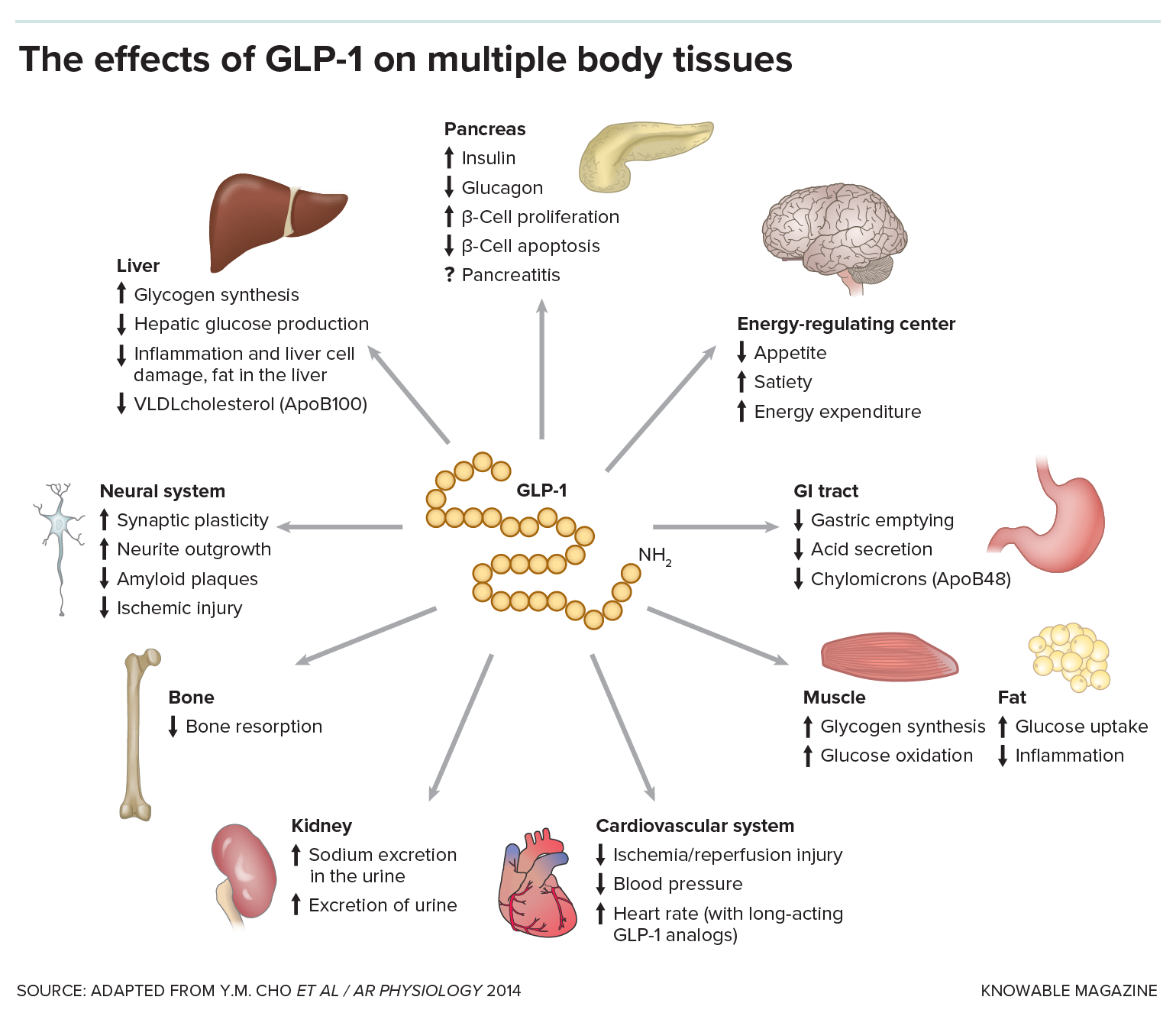
GLP-1 is an incretin hormone released by the gut in response to eating. It has several effects on the body, including slowing gastric emptying, reducing appetite, and increasing insulin sensitivity. In humans, GLP-1 receptor agonists have been shown to be highly effective in managing obesity and type 2 diabetes. By mimicking the action of GLP-1, these medications can help regulate appetite, food perception, and glucose metabolism.
Mindful Eating
Mindful eating is an approach to eating that emphasizes paying attention to the experience of eating, rather than simply eating on autopilot. This involves being present in the moment, noticing the sights, smells, tastes, and textures of food, and savoring each bite. By cultivating mindful eating habits, individuals can develop a healthier relationship with food and their bodies.
The Connection Between GLP-1 and Mindful Eating
Studies have shown that GLP-1 receptor agonists can alter food cognition and perception, leading to changes in eating behaviors. For example, one study found that GLP-1 receptor agonists reduced the hypothalamic response to food cues and altered the perception of food palatability. This suggests that GLP-1 plays a role in modulating eating behaviors and that mindful eating may be an effective strategy for enhancing GLP-1's effects.

Benefits of Combining GLP-1 and Mindful Eating
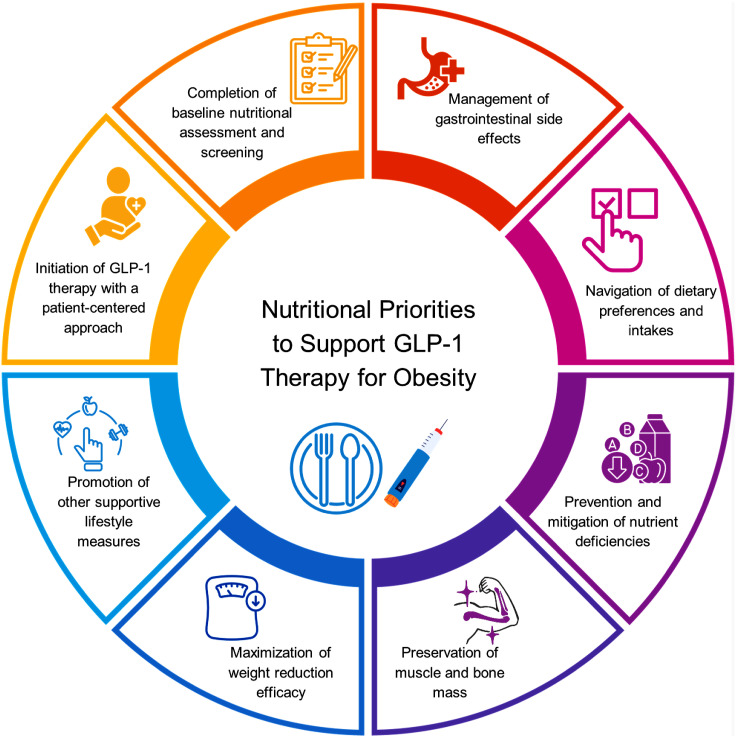
Combining GLP-1 therapy with mindful eating can provide numerous benefits for weight loss and overall health. By regulating appetite and food perception, GLP-1 can help individuals develop healthier eating habits, while mindful eating can enhance the effects of GLP-1 by promoting a more intuitive and satisfying relationship with food. This approach can also lead to improved insulin sensitivity, reduced inflammation, and enhanced overall well-being.
Practical Strategies for Implementing GLP-1 and Mindful Eating
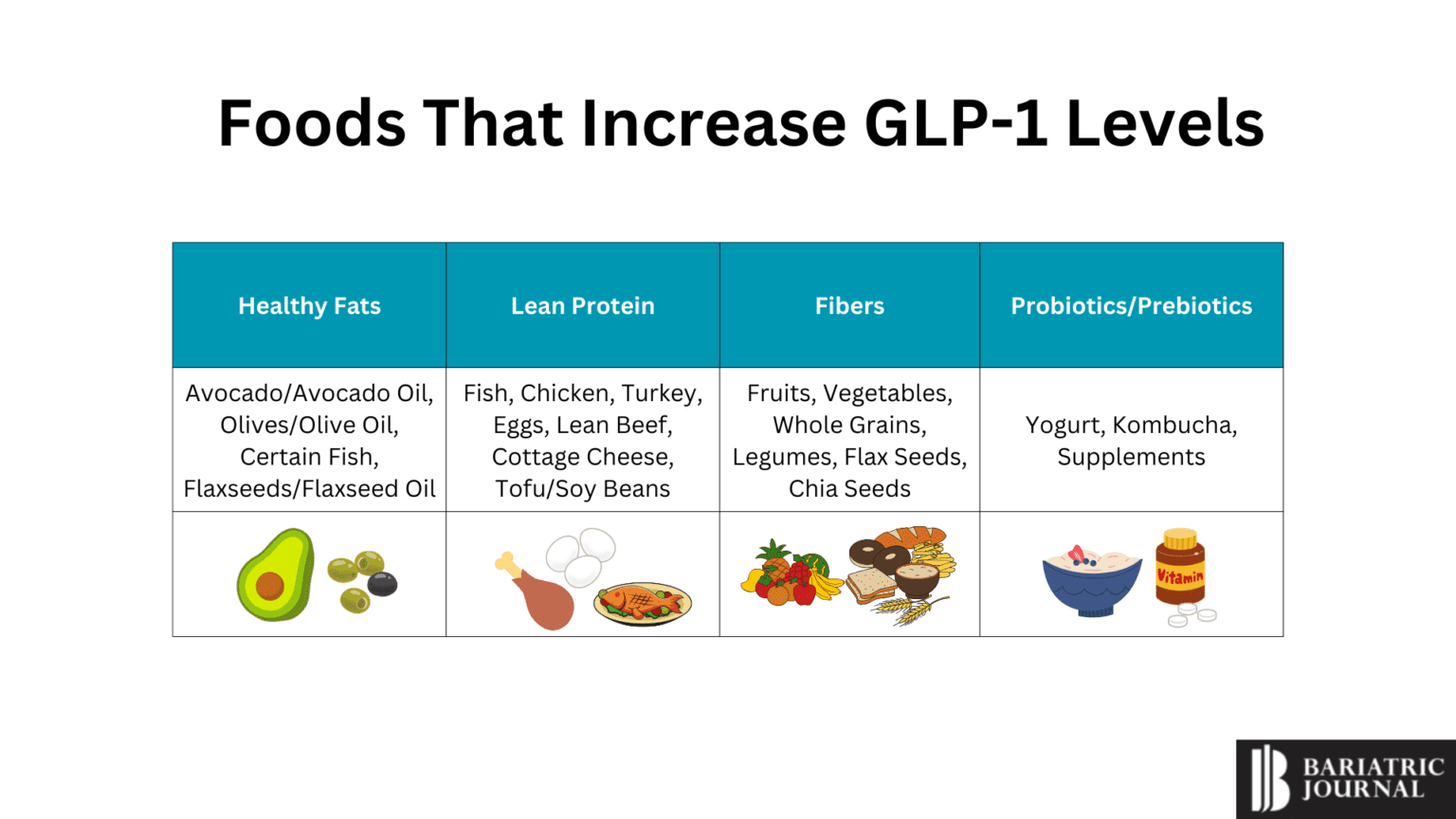
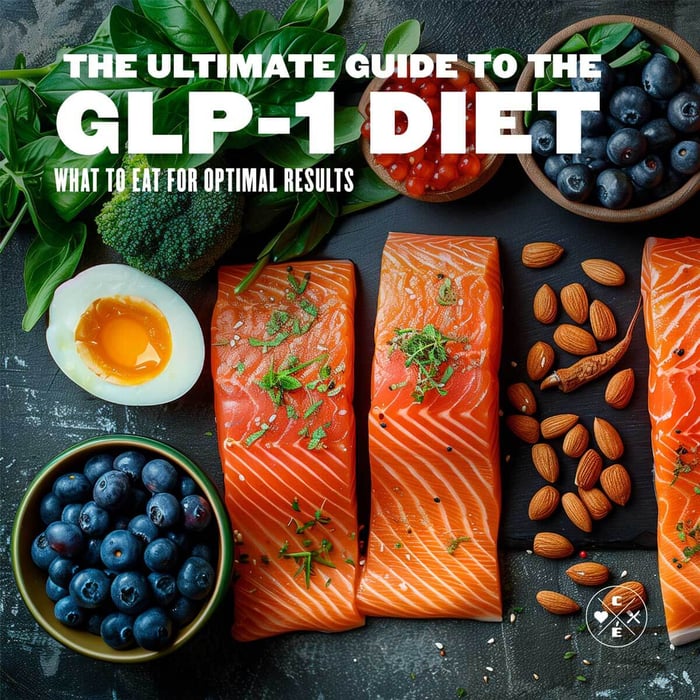
- Prioritize nutrient-dense, whole foods: Focus on whole, unprocessed foods like fruits, vegetables, whole grains, lean proteins, and healthy fats to support GLP-1 function and promote mindful eating.
- Incorporate mindful eating practices: Practice savoring each bite, paying attention to the sights, smells, tastes, and textures of food, and developing a healthier relationship with food and your body.
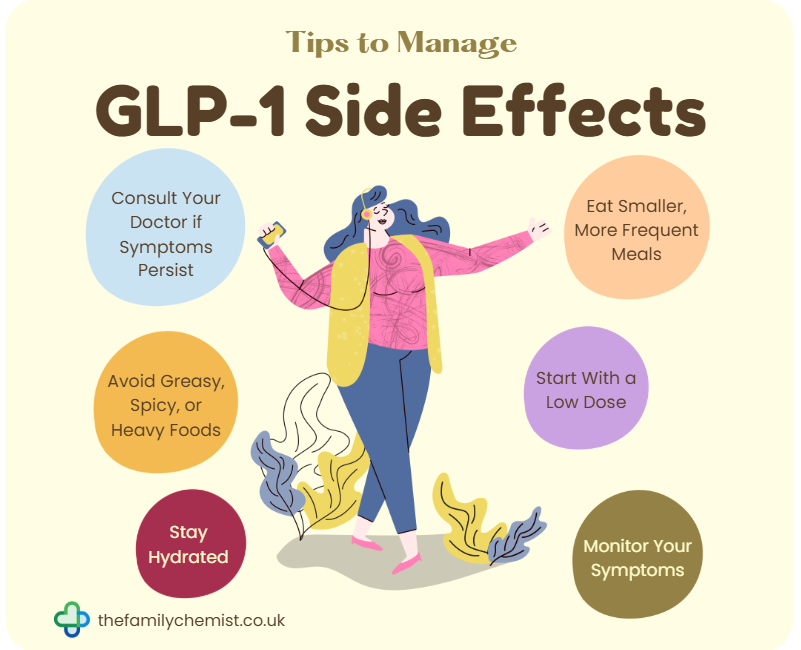
- Stay hydrated and manage sleep: Dehydration and poor sleep quality can disrupt GLP-1 function and lead to overeating. Prioritize adequate hydration and aim for 7-9 hours of sleep per night.
- Explore GLP-1-friendly foods: Some foods, like cabbage, have been shown to enhance GLP-1 function and support weight loss. Experiment with incorporating these foods into your diet.
Conclusion
The science behind GLP-1 and mindful eating provides a powerful combination for achieving maximum weight loss results. By understanding the mechanisms behind GLP-1 and incorporating mindful eating practices, individuals can develop a healthier relationship with food and their bodies. With its numerous benefits for weight loss, insulin sensitivity, and overall well-being, combining GLP-1 therapy with mindful eating is an approach worth considering for anyone seeking a sustainable and comprehensive approach to weight management.