The Truth About GLP-1: The Hunger Hormone That Determines Your Weight
Are you tired of feeling hungry all the time? Do you struggle to lose weight despite your best efforts? You may be surprised to know that the key to unlocking sustainable weight loss lies in a hormone that regulates your hunger, digestion, and blood sugar levels. Meet GLP-1, the hunger hormone that has been dubbed the "master controller" of energy and weight management.
What is GLP-1?
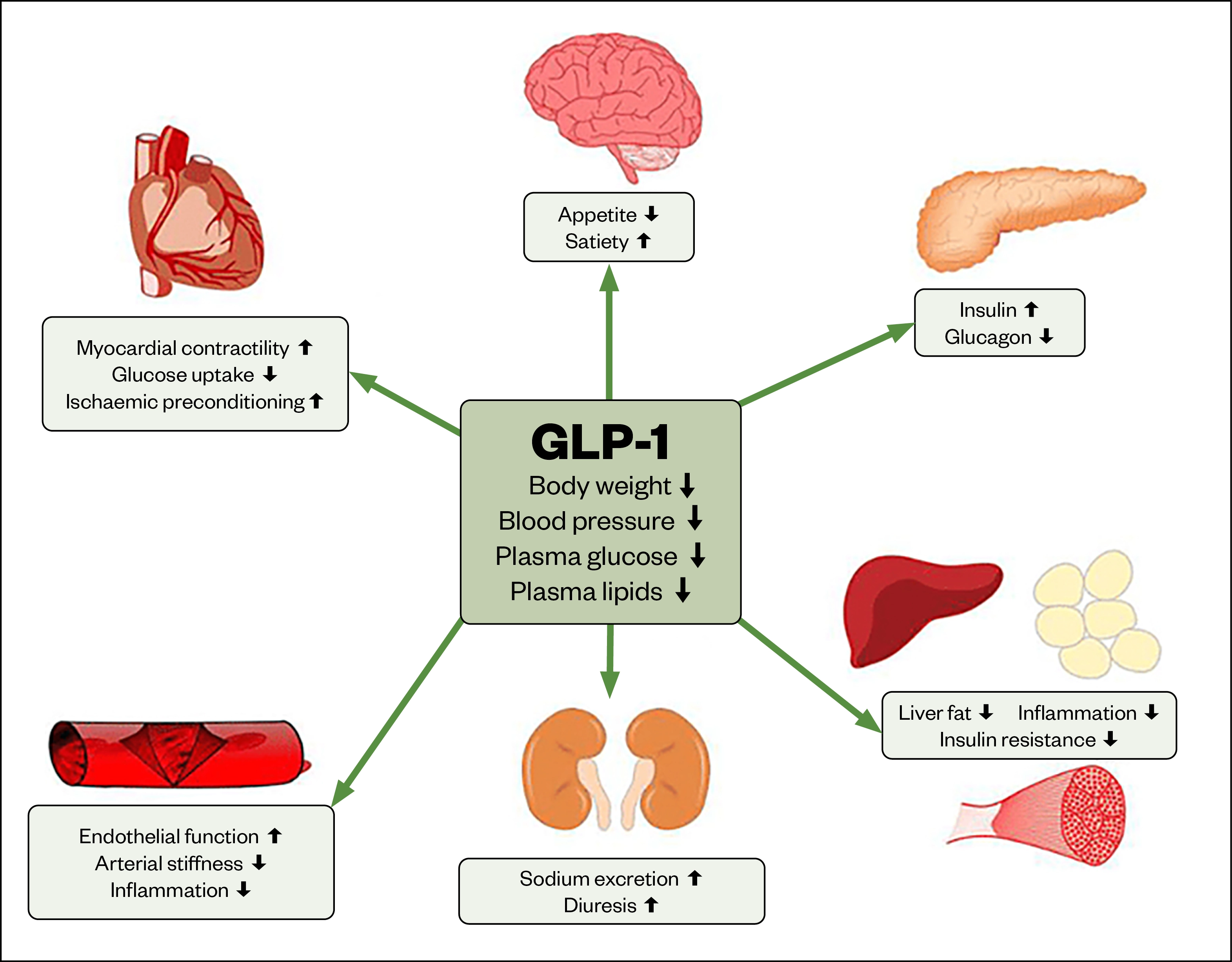
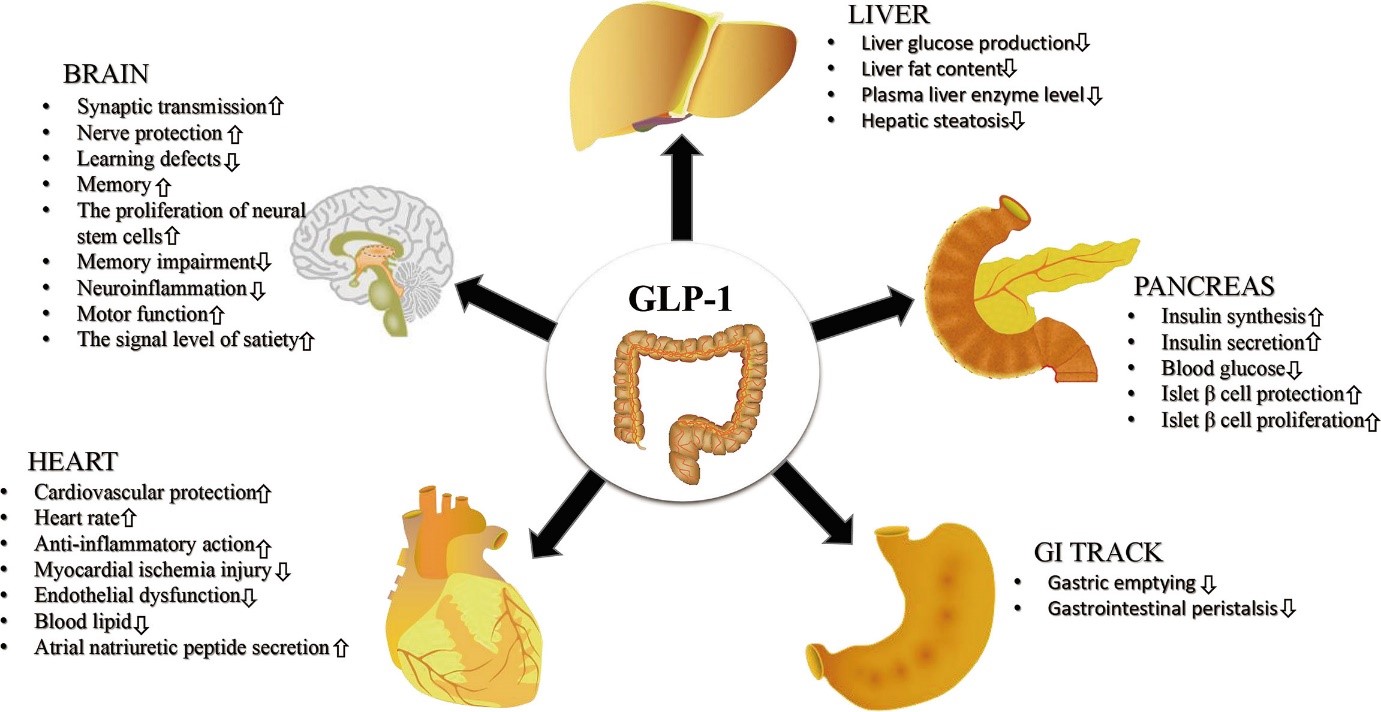
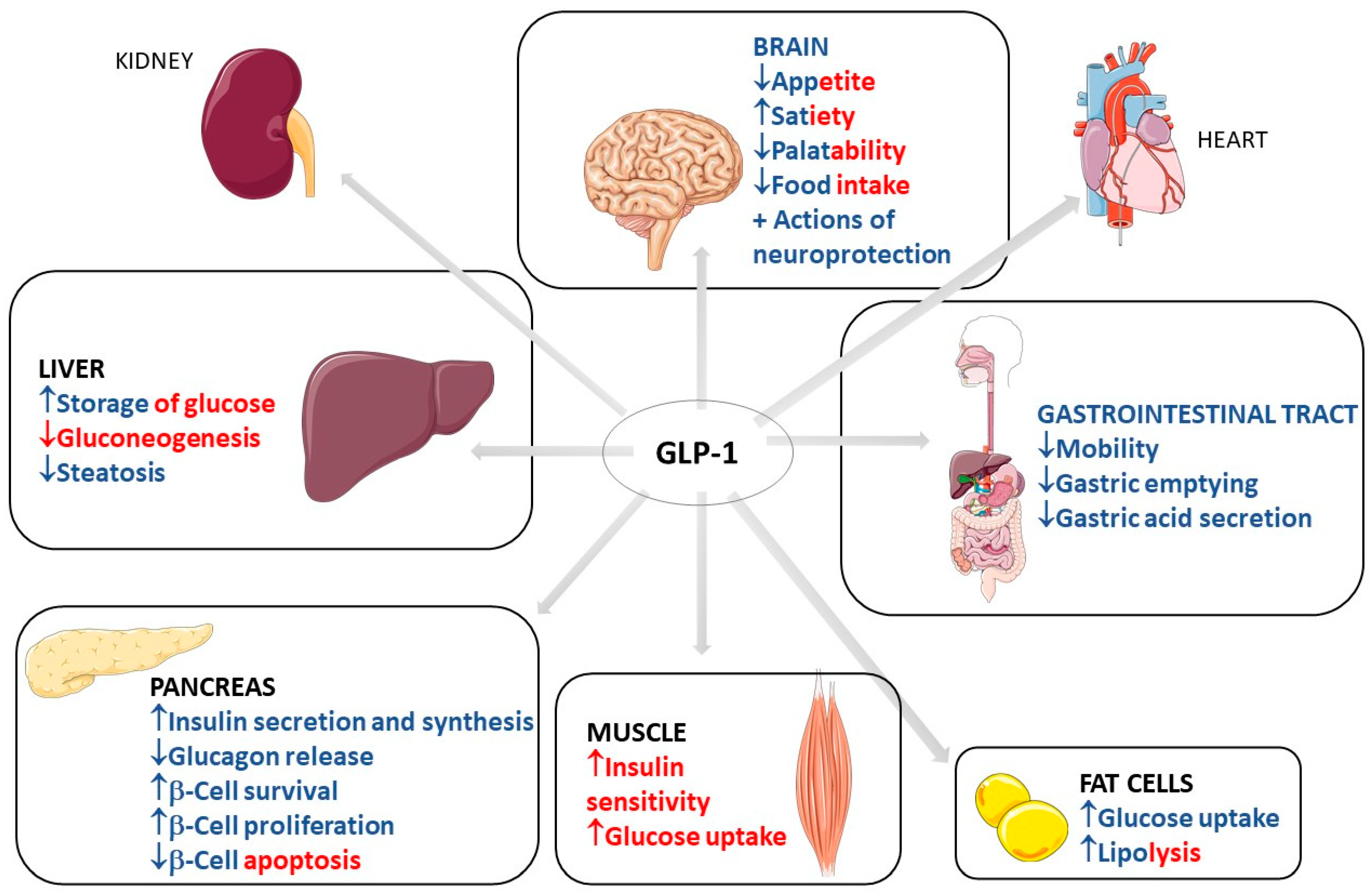
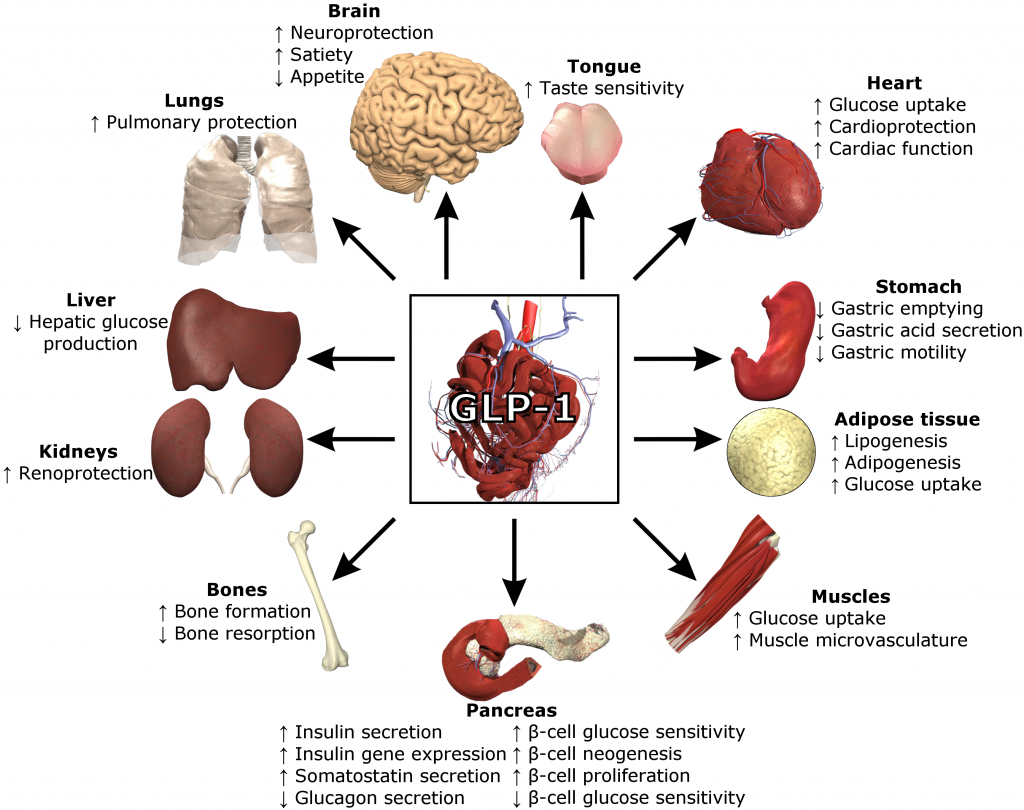
GLP-1, short for glucagon-like peptide-1, is a potent hormone produced in the gut after eating. Its primary function is to slow down the emptying of the stomach, reducing the rate at which glucose enters the bloodstream. By slowing down digestion, GLP-1 helps regulate blood sugar levels and stimulates the release of insulin, which helps to store glucose in the liver and muscles for later use.
How Does GLP-1 Control Hunger?
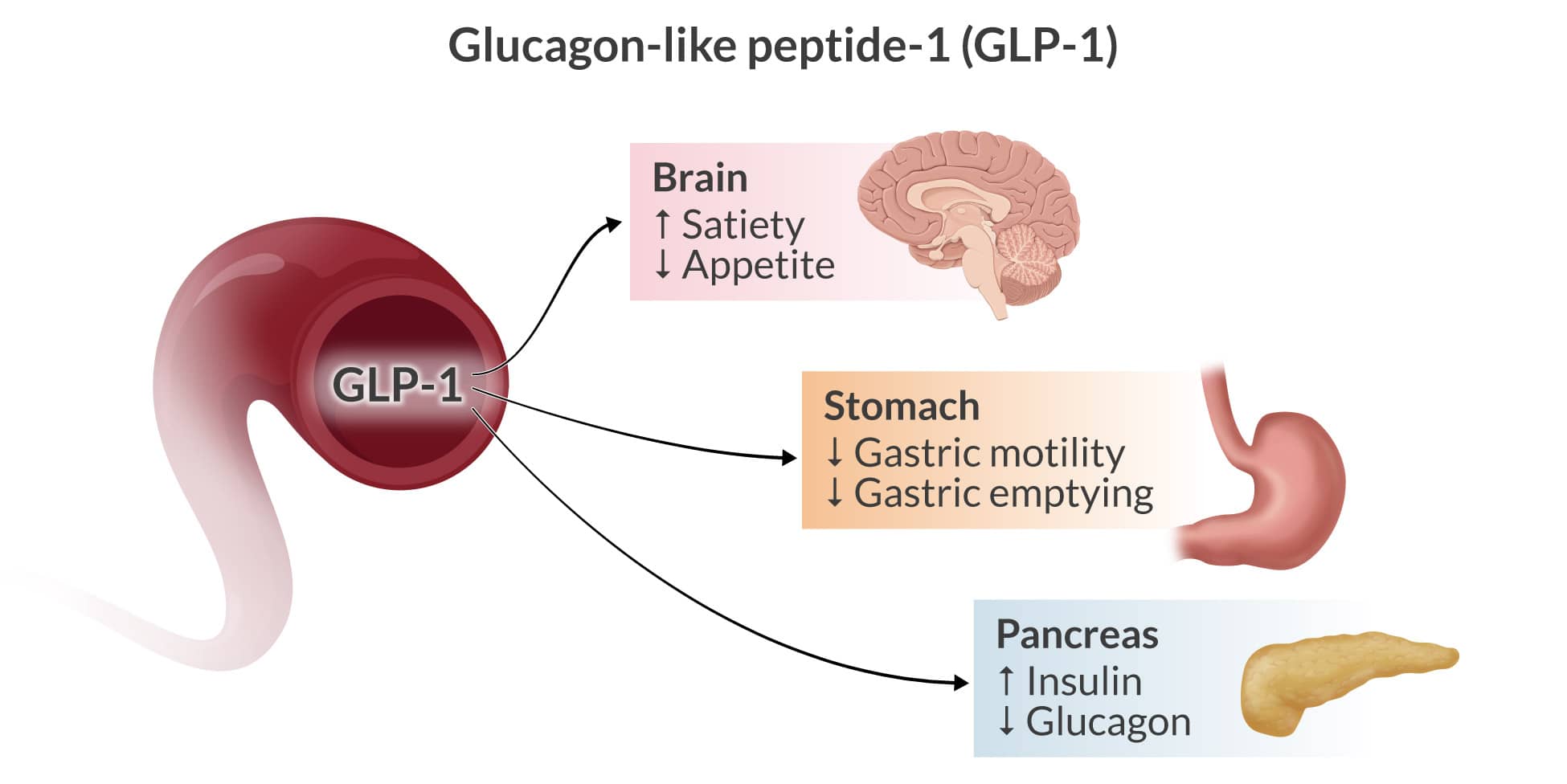
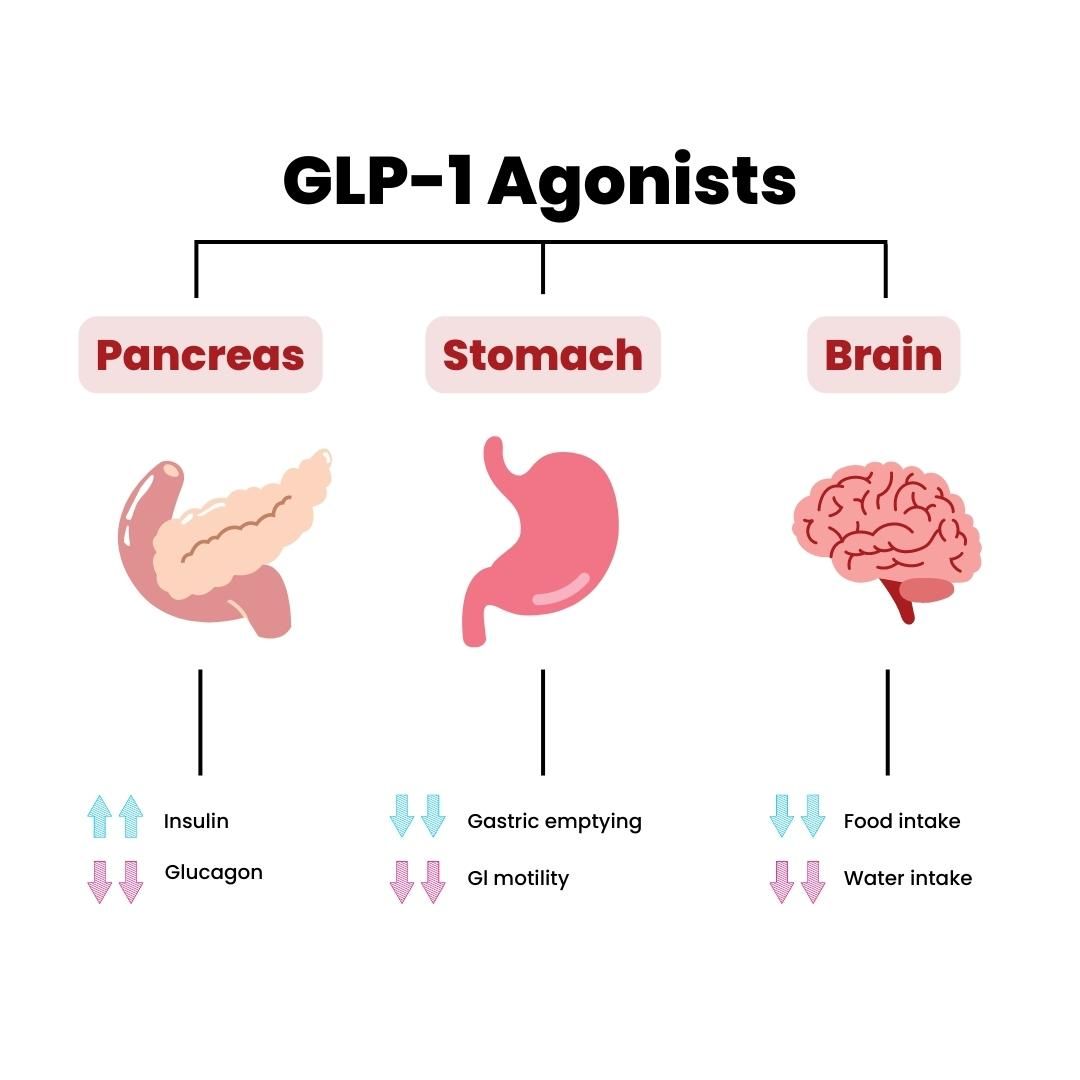
- Slows down gastric emptying: By slowing down digestion, GLP-1 reduces the rate at which glucose enters the bloodstream, preventing a hike in blood sugar levels.
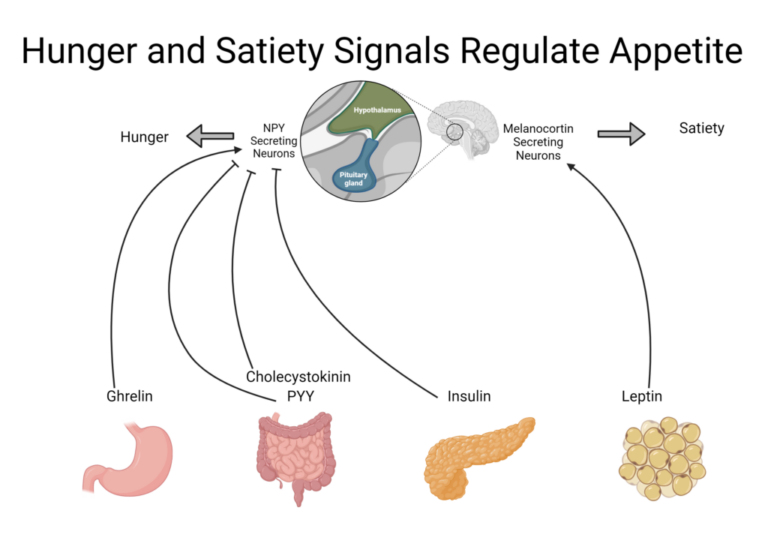
- Signals satiety: GLP-1 sends signals to the brain that you are full, reducing hunger and the desire to eat.
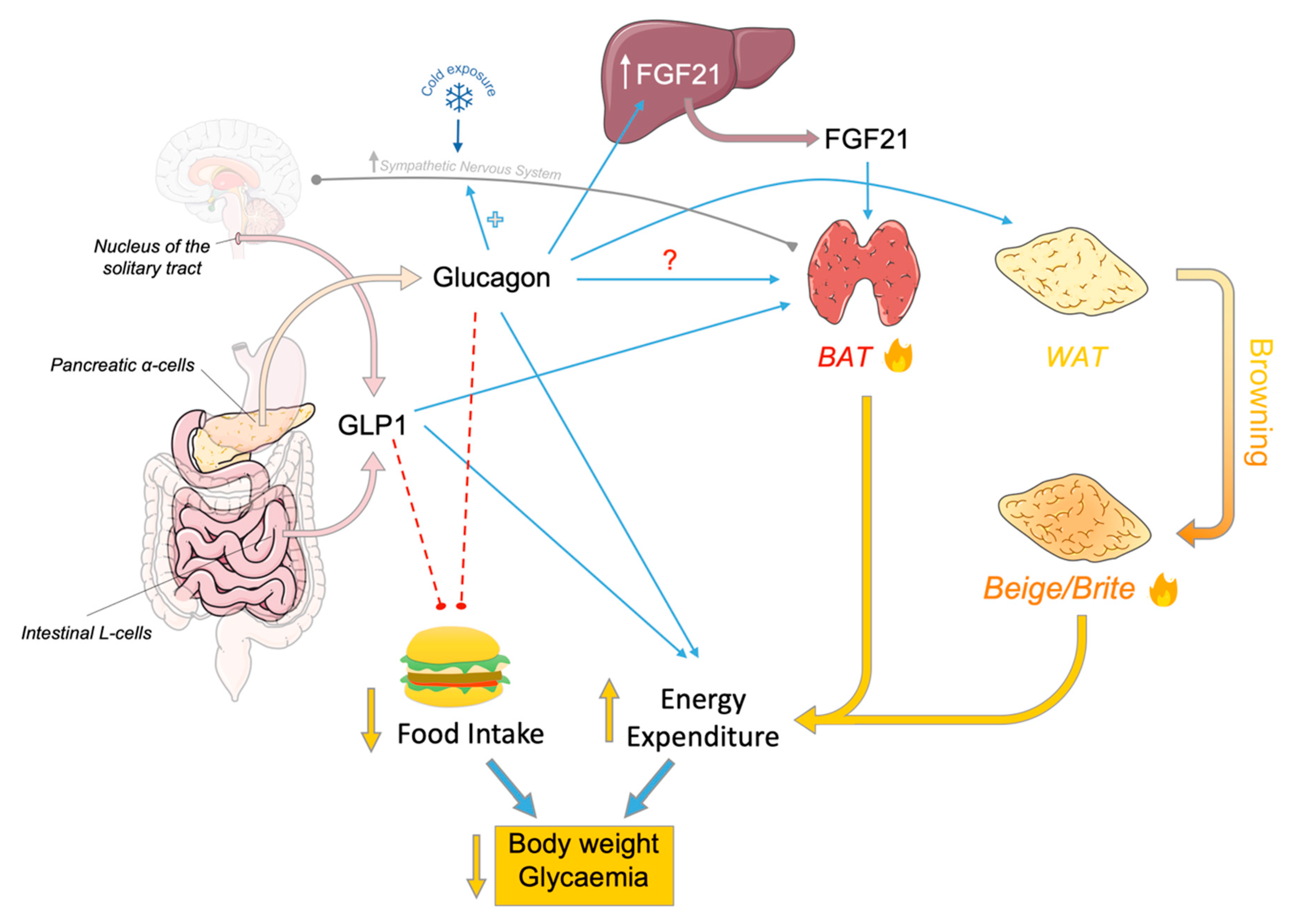
- Regulates insulin and glucagon levels: GLP-1 stimulates the release of insulin, which helps to lower blood sugar levels, and reduces the release of glucagon, which raises blood sugar levels.
GLP-1 and Weight Loss
GLP-1 has been shown to play a significant role in weight loss, particularly in individuals with obesity or type 2 diabetes. By regulating hunger and fullness, GLP-1 helps reduce the likelihood of overeating and promotes weight loss. In fact, studies have shown that GLP-1 receptor agonists, such as semaglutide, can lead to significant weight loss in individuals with obesity and type 2 diabetes.
The Benefits of GLP-1
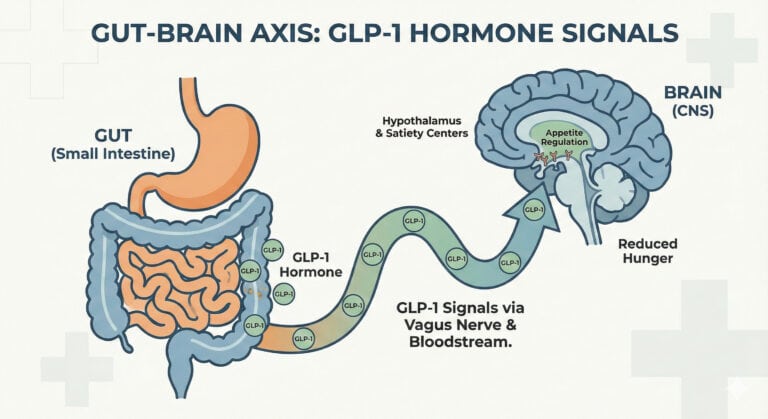
- Reduces hunger and increases fullness: GLP-1 signals the brain that you are full, reducing hunger and the desire to eat.
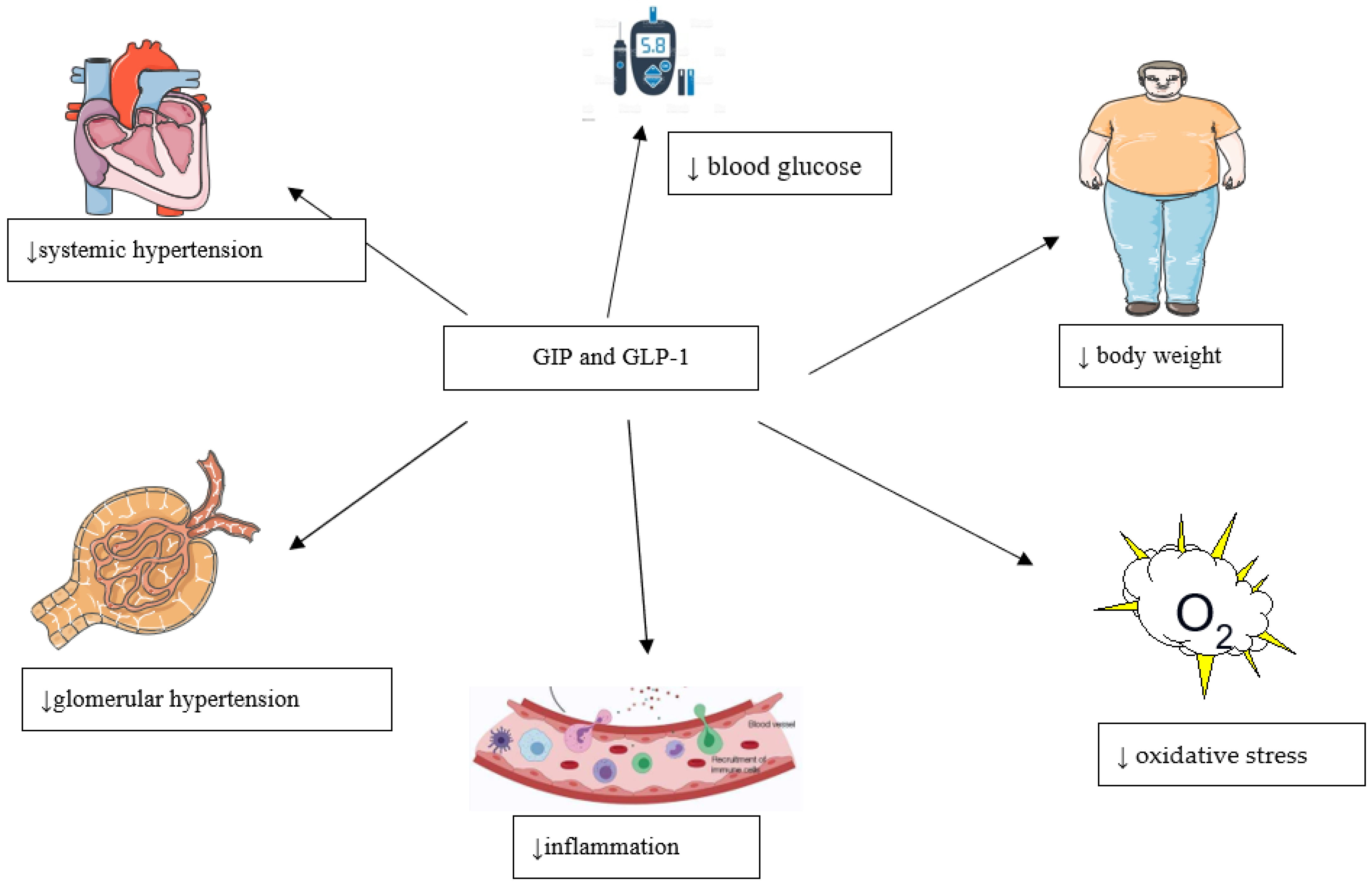
- Improves blood sugar control: By regulating insulin and glucagon levels, GLP-1 helps to lower blood sugar levels and prevent spikes.
- Enhances digestion: GLP-1 slows down gastric emptying, allowing for better digestion and absorption of nutrients.
GLP-1 and GLP-1 Receptor Agonists
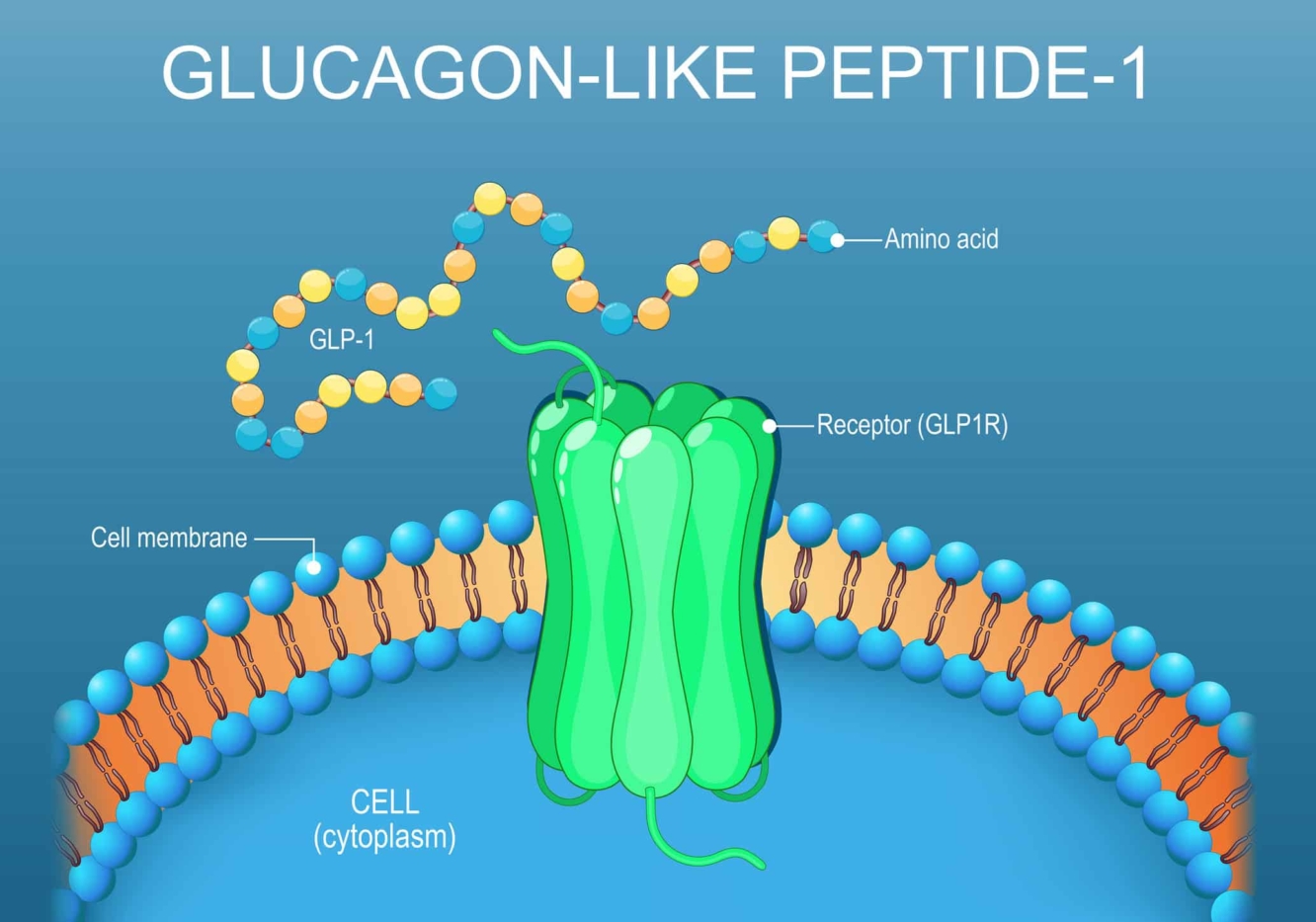
GLP-1 receptor agonists are medications that mimic the action of GLP-1, stimulating the pancreas to release more insulin and regulating hunger and fullness. These medications have been shown to be effective in promoting weight loss and improving glycemic control in individuals with obesity and type 2 diabetes.
GLP-1 Foods and Supplements
While GLP-1 medications have been shown to be effective in weight loss, there are also foods and supplements that can activate the GLP-1 hormone. These include protein-rich foods, fiber-rich foods, and certain herbs and spices.
- Protein-rich foods: Protein stimulates the release of GLP-1, helping to regulate hunger and fullness.
- Fiber-rich foods: Fiber slows down gastric emptying, allowing for better digestion and absorption of nutrients.
- Herbs and spices: Certain herbs and spices, such as cinnamon and ginger, have been shown to stimulate GLP-1 release.
Conclusion
In conclusion, GLP-1 is a powerful hormone that plays a significant role in regulating hunger, digestion, and blood sugar levels. By understanding the mechanisms of GLP-1 and its relationship to weight loss, individuals can make informed choices about their diet and lifestyle. While GLP-1 medications have been shown to be effective in promoting weight loss, there are also foods and supplements that can activate the GLP-1 hormone. By incorporating these foods and supplements into your diet, you can support your weight loss goals and optimize your overall health.