Home Addition and Indoor Air Quality: A Crucial Connection
When considering a home addition, one essential aspect that is often overlooked is indoor air quality (IAQ). With people spending up to 90% of their time indoors, maintaining a healthy and safe indoor environment is vital for overall health and well-being. In this article, we will explore the relationship between home additions and indoor air quality, highlighting key factors that contribute to IAQ and providing practical tips for improving your indoor air quality.
What Causes Indoor Air Quality Problems?
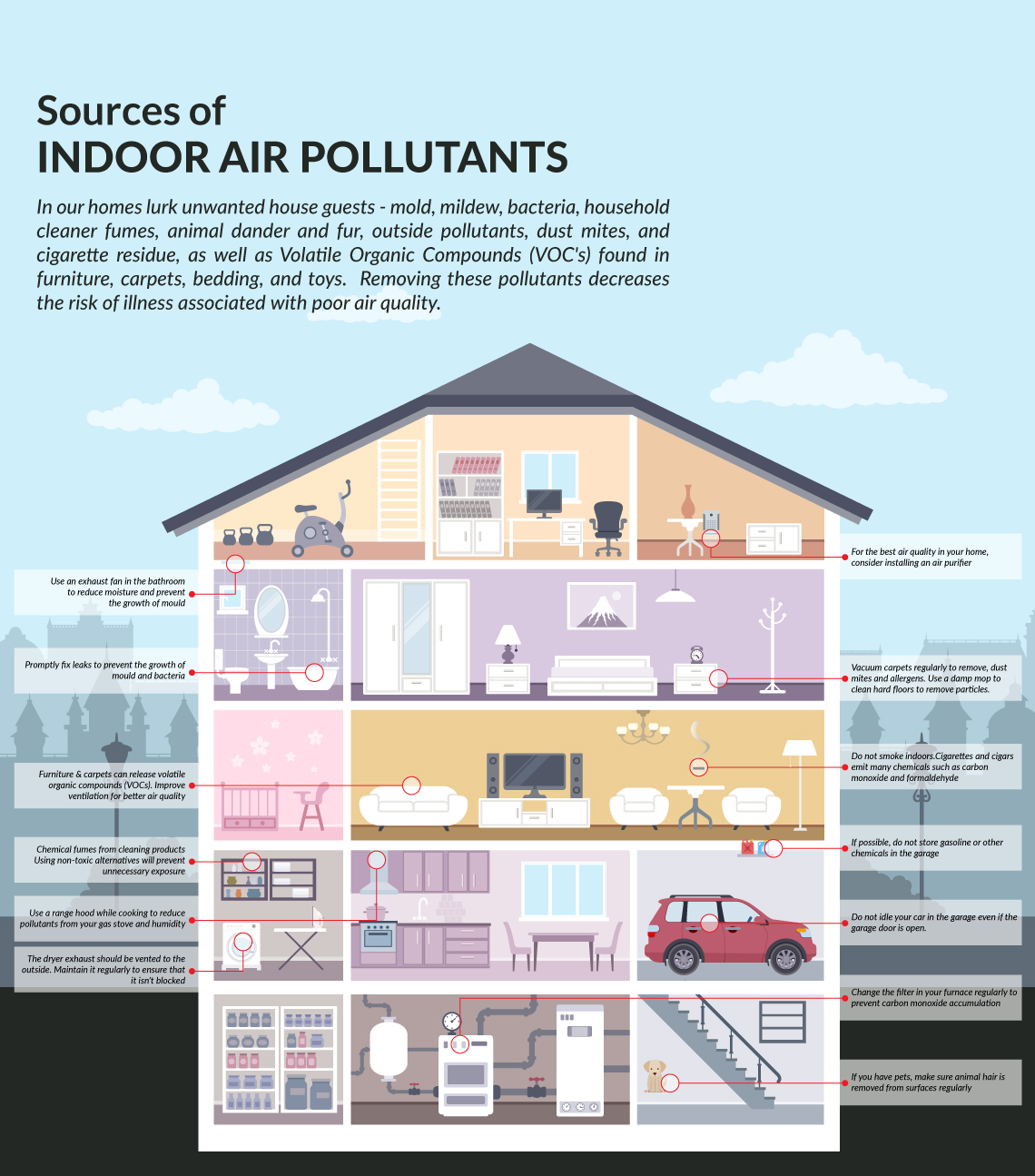
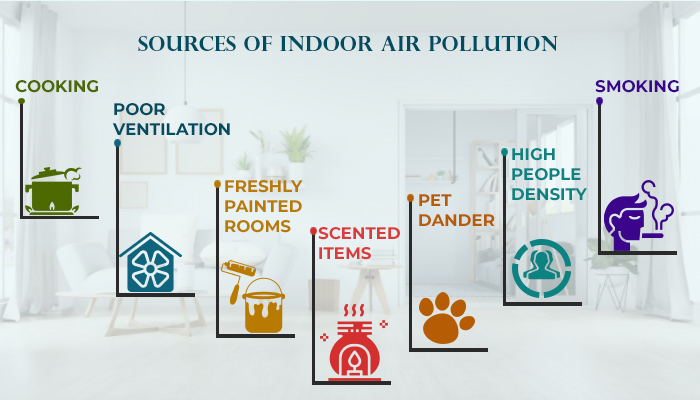
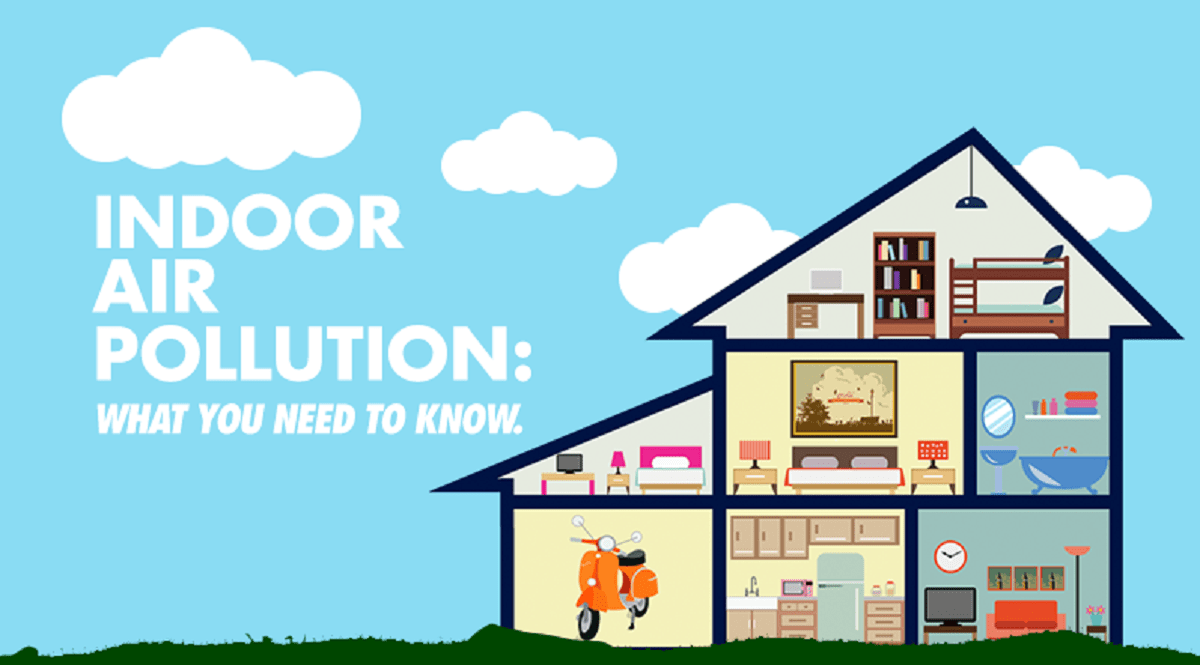
Indoor air pollution sources that release gases or particles into the air are the primary cause of indoor air quality problems in homes. Inadequate ventilation can increase indoor pollutant levels by not bringing in enough outdoor air to dilute emissions from indoor sources and by not carrying indoor air pollutants out of the home. High temperature and humidity levels can also exacerbate indoor air quality issues.
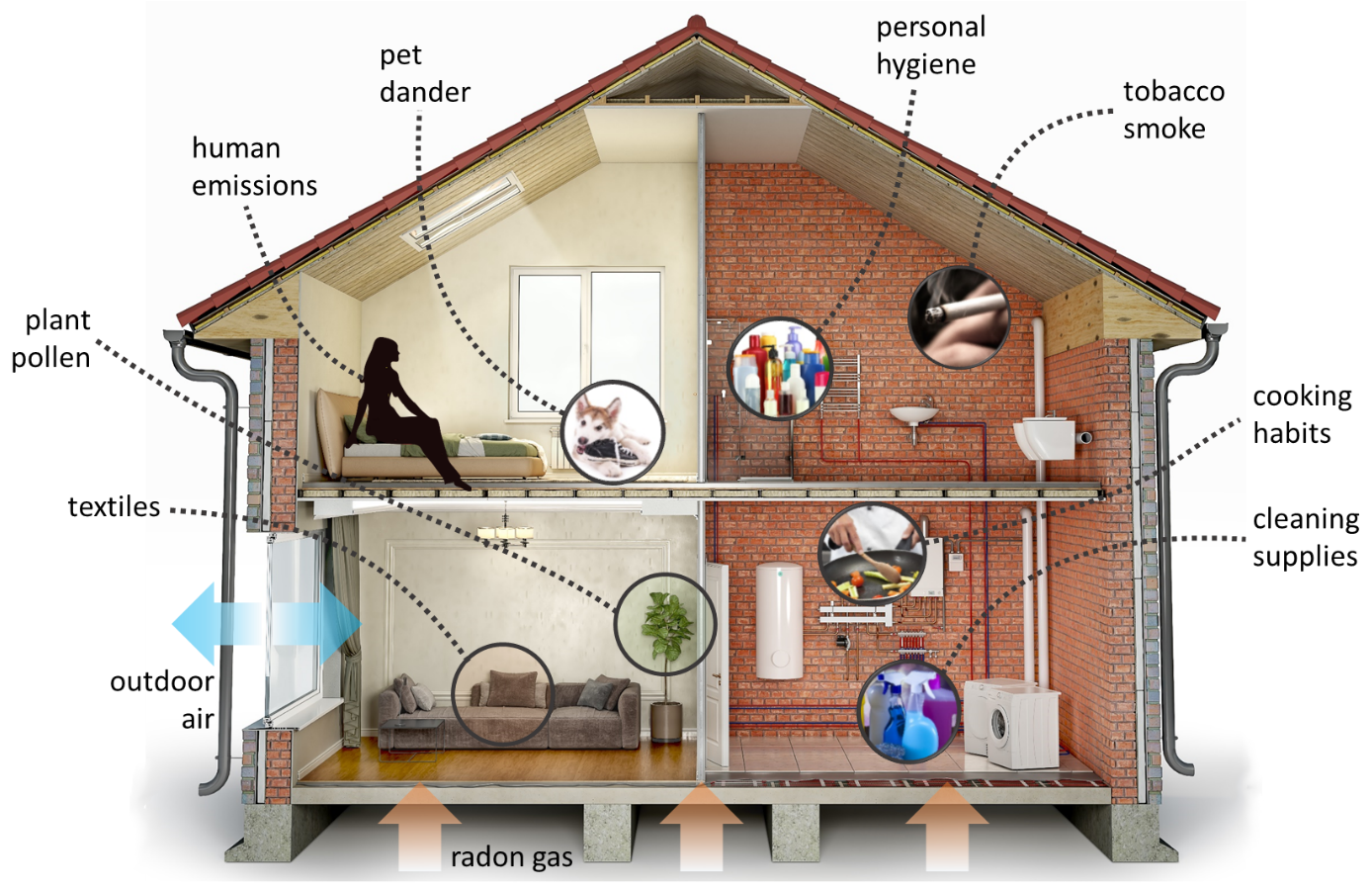
Common Sources of Indoor Air Pollution
- Cleaning products and chemicals
- Paints and varnishes
- Pet dander and fur
- Outdoor pollution entering the home
- Poorly maintained heating, ventilation, and air conditioning (HVAC) systems
Home Addition and Indoor Air Quality
When adding a new space to your home, it's crucial to consider the impact on indoor air quality. Poor IAQ can have serious consequences, including:
- Health problems, such as headaches, allergies, and respiratory issues
- Reduced cognitive function and productivity
- Discomfort and fatigue
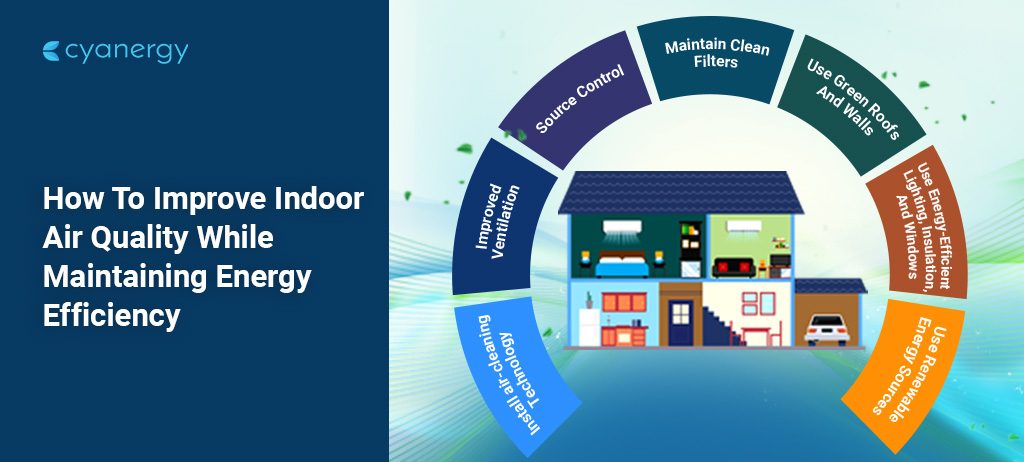
Strategies for Improving Indoor Air Quality

To improve indoor air quality, consider the following strategies:
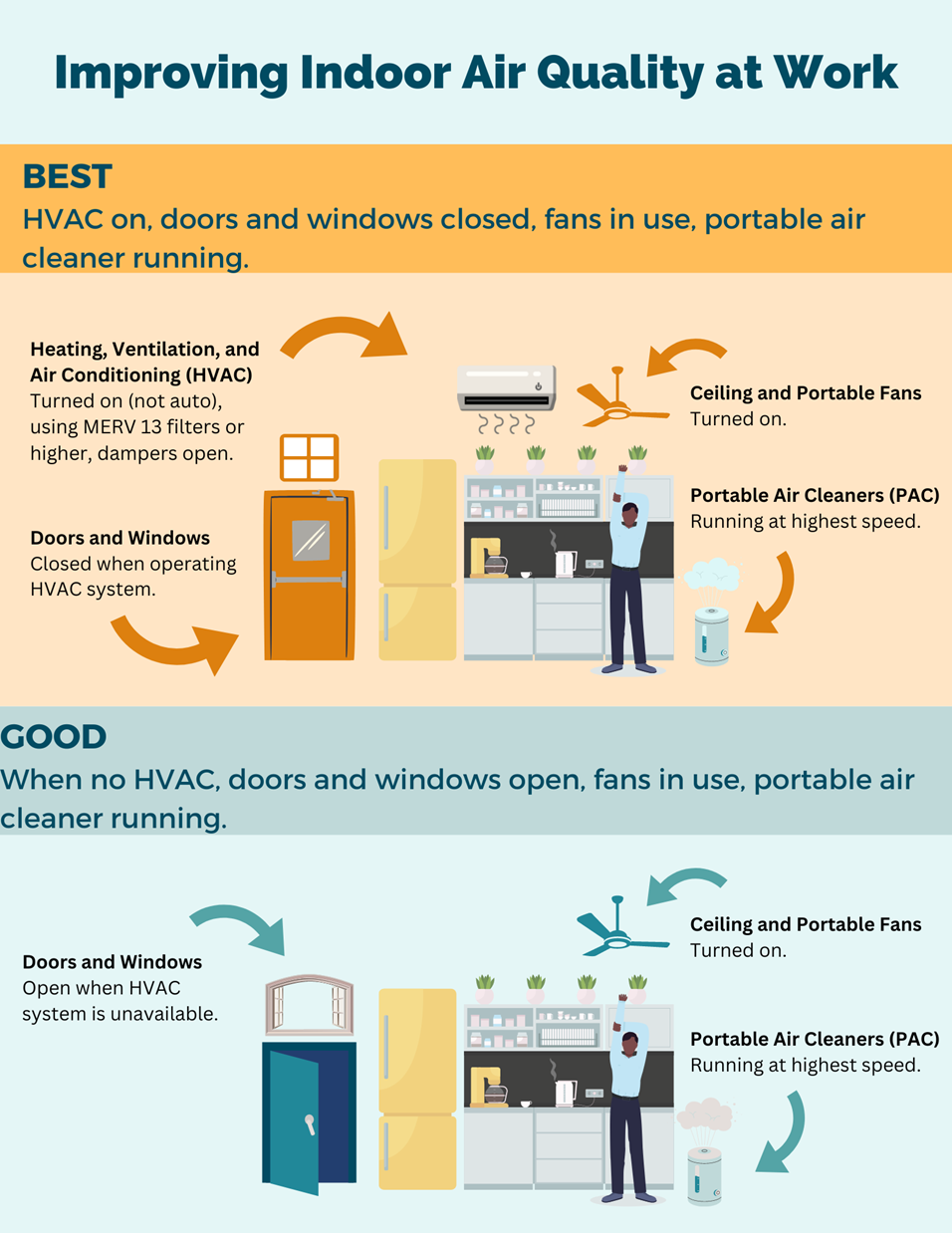
- Increase ventilation: Install vents, HEPA filters, or whole-house ventilation systems to bring in fresh air and remove pollutants.
- Use air purifiers: Install a HEPA air purifier in high-traffic areas or near pollutant sources.
- Remove sources of pollution: Regularly clean and declutter, and avoid using products that emit strong fumes.
- Use natural ventilation: Open windows and doors to allow for natural ventilation when possible.
- Consider IAQ monitoring: Invest in an air quality monitor to track pollutant levels and adjust ventilation accordingly.
Additional Tips for Home Addition Design
When designing your home addition, consider the following tips to minimize IAQ problems:
- Include a designated ventilation area: Designate a specific area for new vents, ducts, or air conditioning units to improve ventilation.
- Choose pollutant-resistant materials: Select materials that are resistant to pollutants and will not off-gas or release emissions.
- Design for natural light: Incorporate large windows and skylights to provide natural light and reduce the need for artificial lighting.
- Use IAQ-friendly building materials: Choose building materials with low VOCs (volatile organic compounds) and high indoor air quality ratings.
Conclusion
Home additions and indoor air quality are closely connected. By understanding the factors that contribute to IAQ problems and implementing strategies to improve indoor air quality, you can create a healthier and more comfortable living space. Remember to consider your home addition design, incorporating ventilation areas, pollutant-resistant materials, and natural light to minimize IAQ issues.
References
- "What Causes Indoor Air Quality Problems?" U.S. Environmental Protection Agency
- "Guidance Note on Ventilation and Indoor Air Quality in Revitdad Solutions" WarpBIG
- "Indoor Air Pollution: New Findings on Health Effects of Inadequate Ventilation" National Institute of Environmental Health Sciences
/bnn/media/post_attachments/content/uploads/2023/12/indoor-air-pollution-20231217105414.jpg "Clean Air Indoors - American Lung Association")

-min.png "Indoor Air Quality in Buildings: A Comprehensive Review on the Factors ...")