Maximizing Your Growing Space with Vertical Garden Systems
Are you looking to maximize your growing space? Do you want to enjoy the benefits of gardening without sacrificing valuable yard space? Look no further than vertical garden systems. These innovative solutions allow anyone to grow a wide variety of plants, regardless of the size of their yard or available space.
What are Vertical Garden Systems?
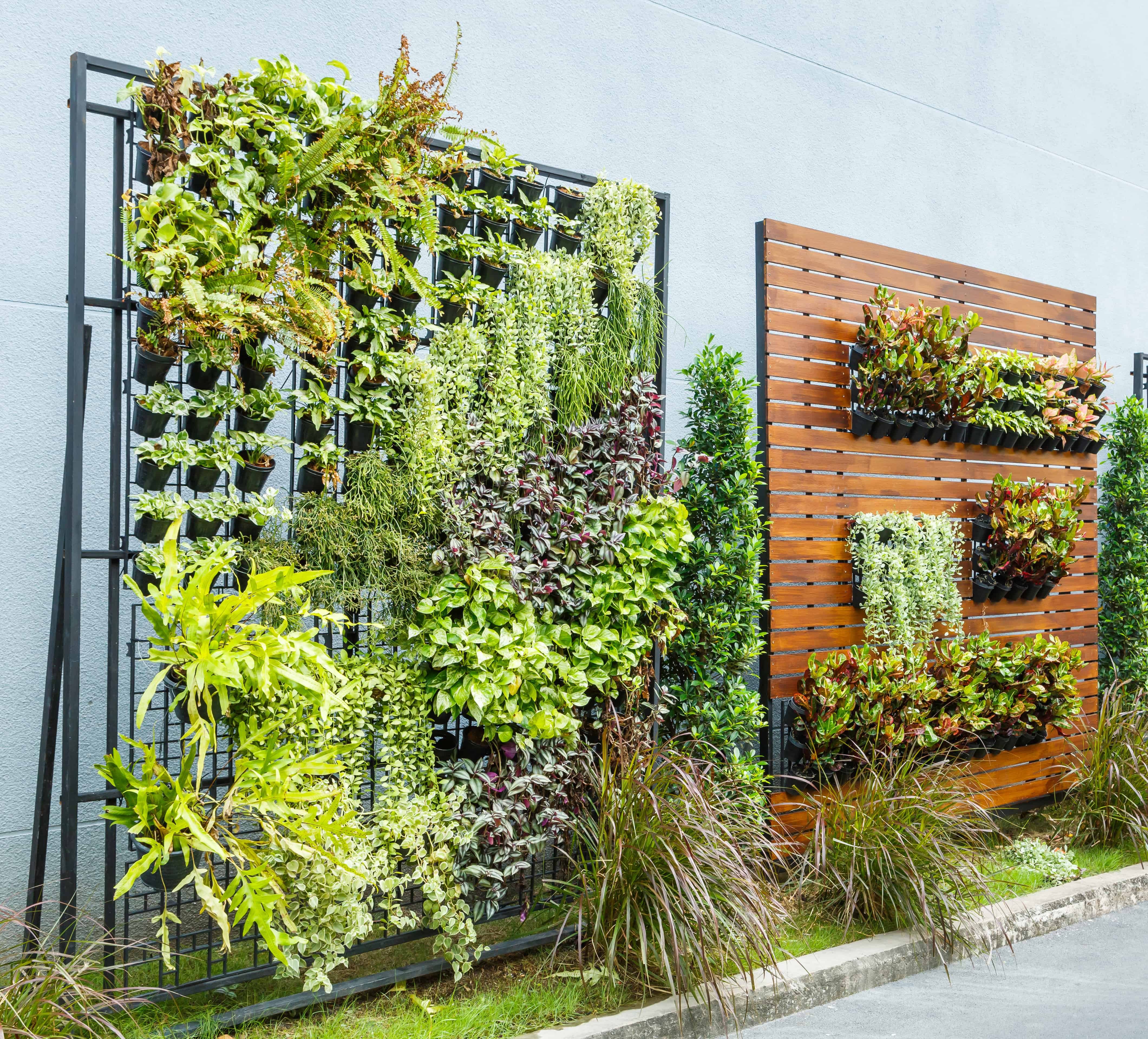
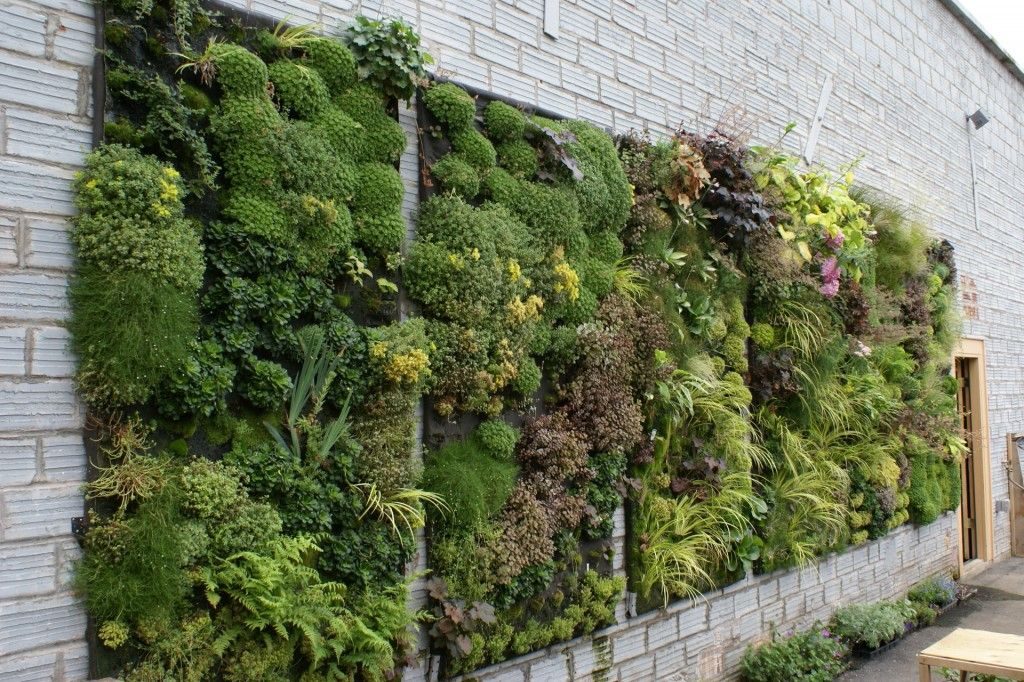
Vertical garden systems are a type of gardening that utilizes the walls and structures of a building or a vertical surface to grow plants. This approach to gardening is ideal for urban environments, small yards, balconies, and situations where ground space is limited or unavailable. By using vertical space, you can grow a wide variety of plants, including fruits, vegetables, and herbs, in a compact and efficient manner.
Types of Vertical Garden Systems
There are several types of vertical garden systems available, each with its unique features and benefits. Some of the most popular types of vertical garden systems include:
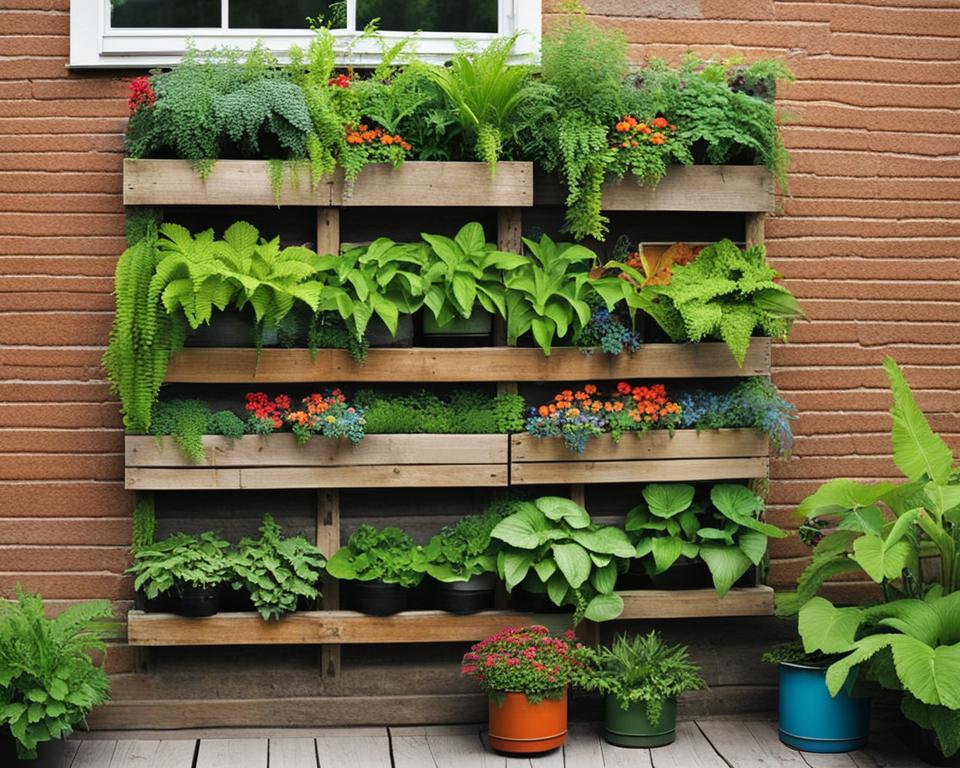
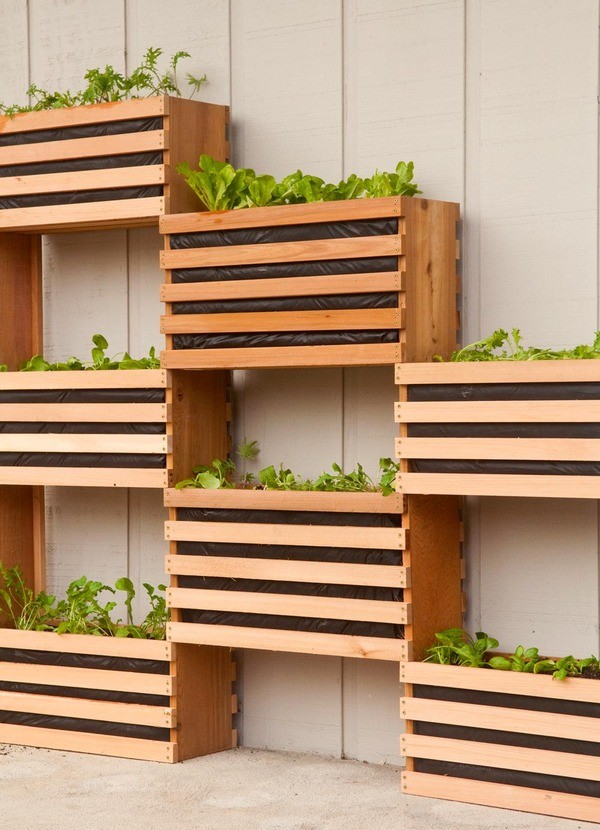
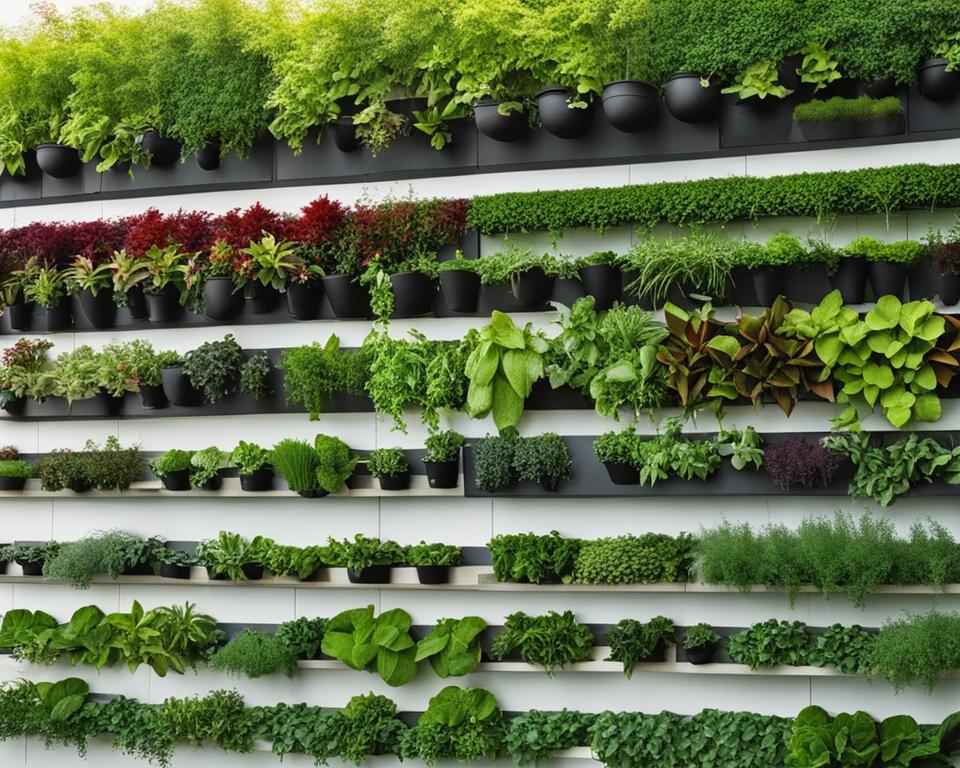
- Wall-mounted planters: These are planters that can be attached to a wall or a fence to create a beautiful and functional garden.
- Freestanding planters: These are planters that can be placed on the ground and can be used to grow a wide variety of plants.
- Hydroponic systems: These systems use a nutrient-rich solution to grow plants, rather than soil.
- Grow towers: These are tall, vertically-stacked planters that can be used to grow a wide variety of plants.
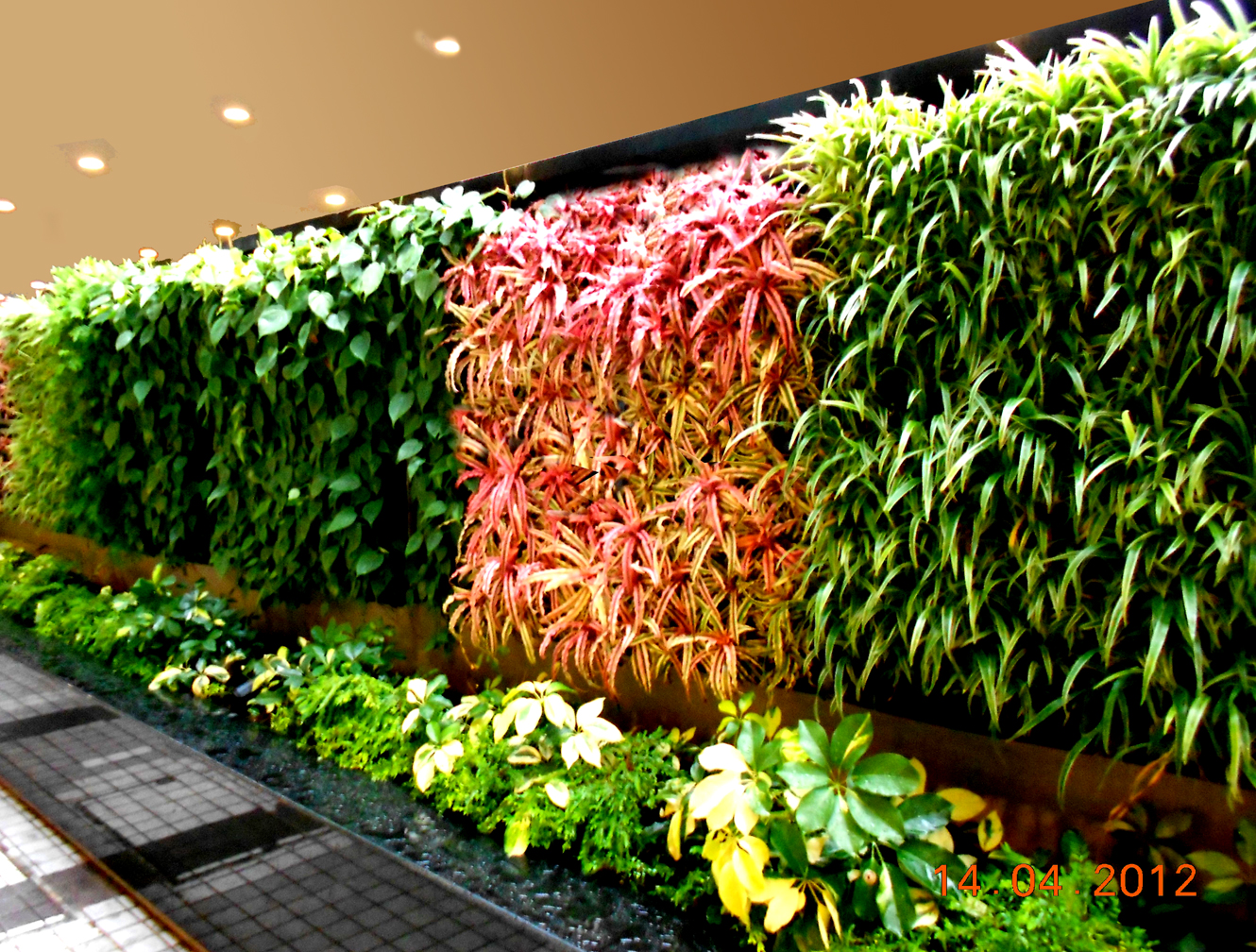
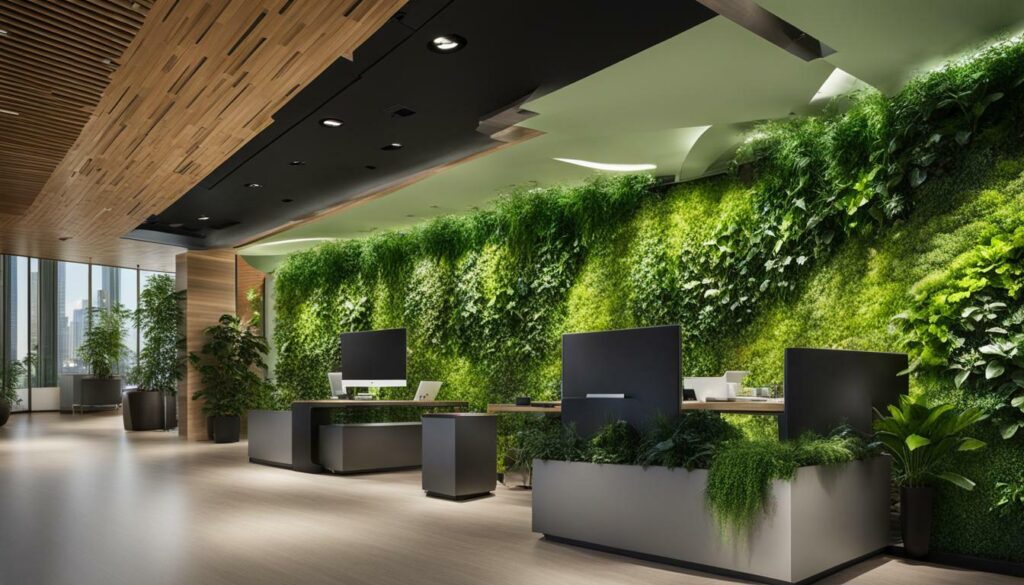
- Indoor vertical garden systems: These are designed for indoor use and can be used to grow a wide variety of plants, even in small spaces.
Benefits of Vertical Garden Systems
There are numerous benefits to using vertical garden systems. Some of the most notable benefits include:
- Increased growing space: By using vertical space, you can grow a wide variety of plants in a compact and efficient manner.
- Water conservation: Many vertical garden systems are designed to conserve water and reduce waste.
- Increased yields: Vertical garden systems can increase yields by providing plants with the optimal amount of sunlight and nutrients.
- Reduced maintenance: Many vertical garden systems require minimal maintenance and can be self-watering, reducing the need for frequent watering.
- Improved air quality: Vertical gardens can help to improve air quality by removing pollutants and toxins from the air.
Types of Plants That Can Be Grown in Vertical Garden Systems
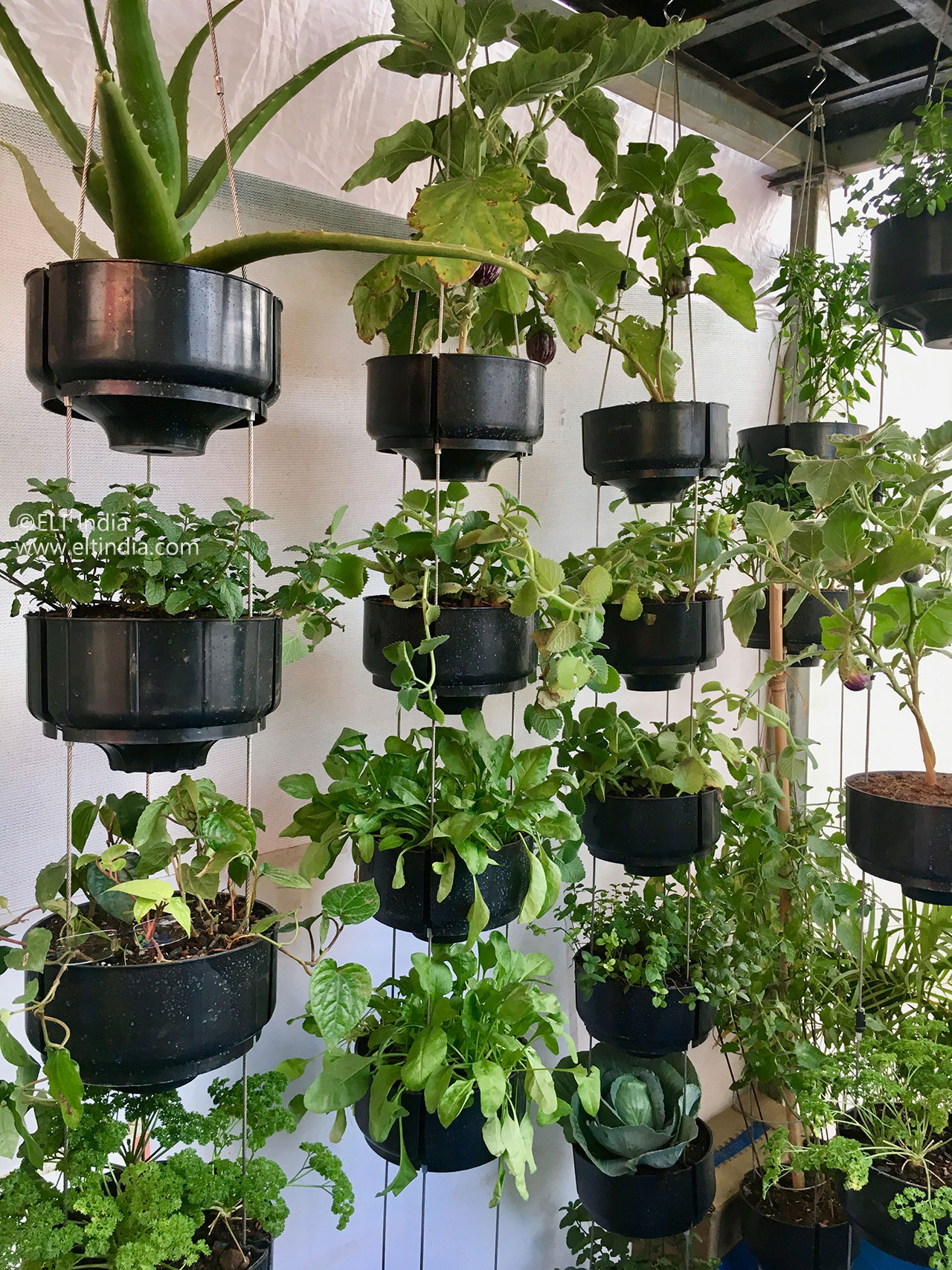
Vertical garden systems can be used to grow a wide variety of plants, including:
- Fruits: Tomatoes, strawberries, and citrus fruits can be grown in vertical garden systems.
- Vegetables: Leafy greens, herbs, and other vegetables can be grown in vertical garden systems.
- Herbs: Basil, mint, and other herbs can be grown in vertical garden systems.
- Flowers: Vertical garden systems can also be used to grow a wide variety of flowers, including succulents and orchids.
Conclusion
Vertical garden systems are a great way to maximize your growing space and enjoy the benefits of gardening. With a wide variety of plants that can be grown in vertical garden systems, you can choose the types that you want to grow and enjoy the benefits of fresh, healthy produce right in your own home. Whether you have a small backyard or live in an urban environment, vertical garden systems are a great way to get started with gardening and enjoy the many benefits that come with it.
Resources
For more information on vertical garden systems and how to get started, check out the following resources:
- The University of Seville has conducted research on the effectiveness of vertical gardens in improving indoor air quality.
- Garden centers and nurseries often carry a variety of vertical garden systems and components.
- Online retailers often carry a wide selection of vertical garden systems and components.