Understanding GLP-1 and Blood Sugar Management Techniques
Managing blood sugar levels has become a pressing concern for people with type 2 diabetes and those trying to maintain a healthy lifestyle. Glucagon-like peptide-1 (GLP-1) agonists have emerged as a groundbreaking class of medications for managing blood sugar levels, weight, and associated metabolic disorders. But what exactly is GLP-1, and how can it help with blood sugar management?
What is GLP-1?
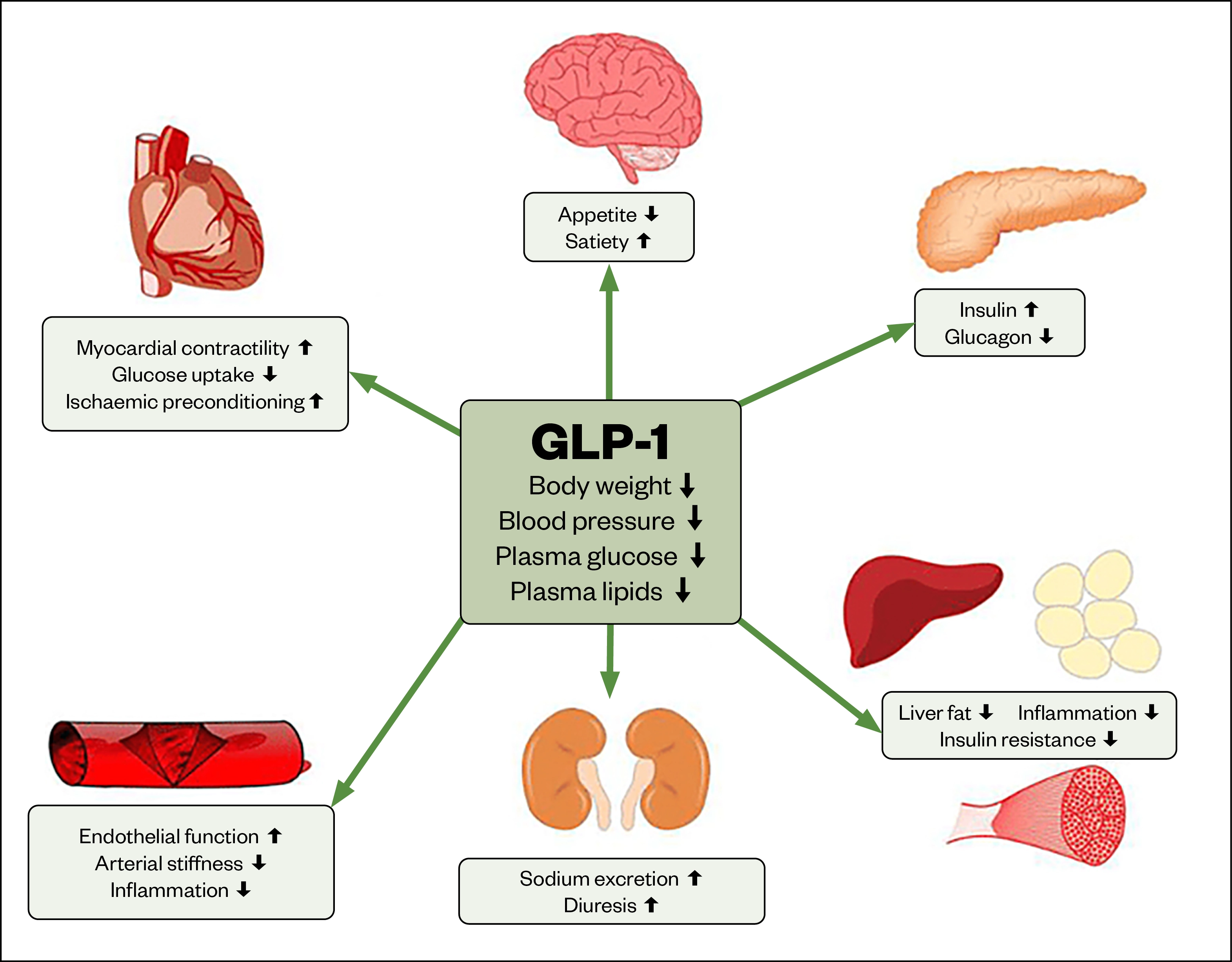
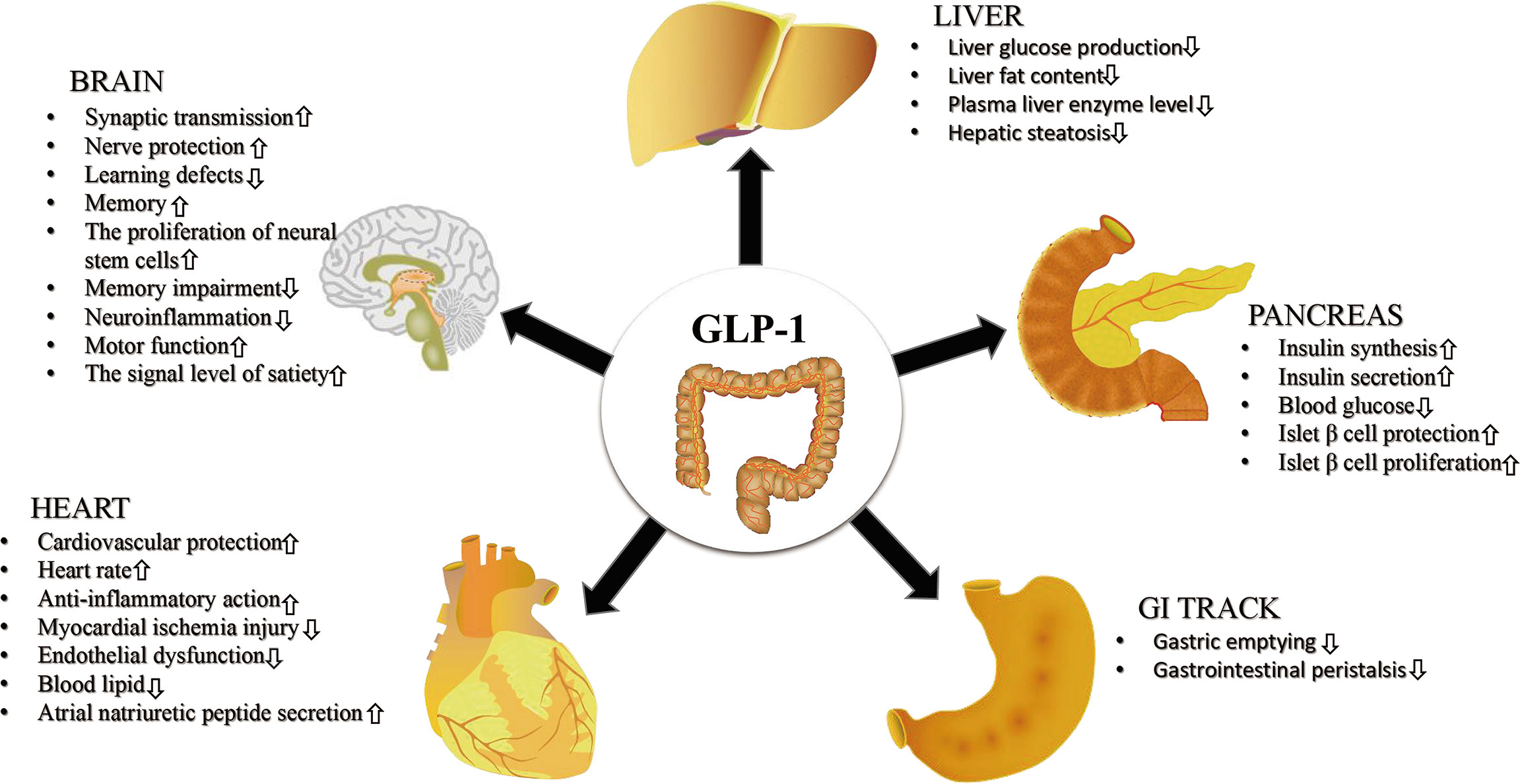
GLP-1, or glucagon-like peptide-1, is a hormone that plays a vital role in regulating blood sugar levels, hunger, and digestion. It is a natural hormone produced by the gut in response to eating and helps stimulate the release of insulin, the hormone responsible for lowering blood sugar levels. When we eat, our blood glucose rises, and GLP-1 works with the pancreas to release insulin to balance blood sugar levels. However, in people with type 2 diabetes, the body may not respond properly to GLP-1, leading to poor blood sugar control.
Benefits of GLP-1 Agonists
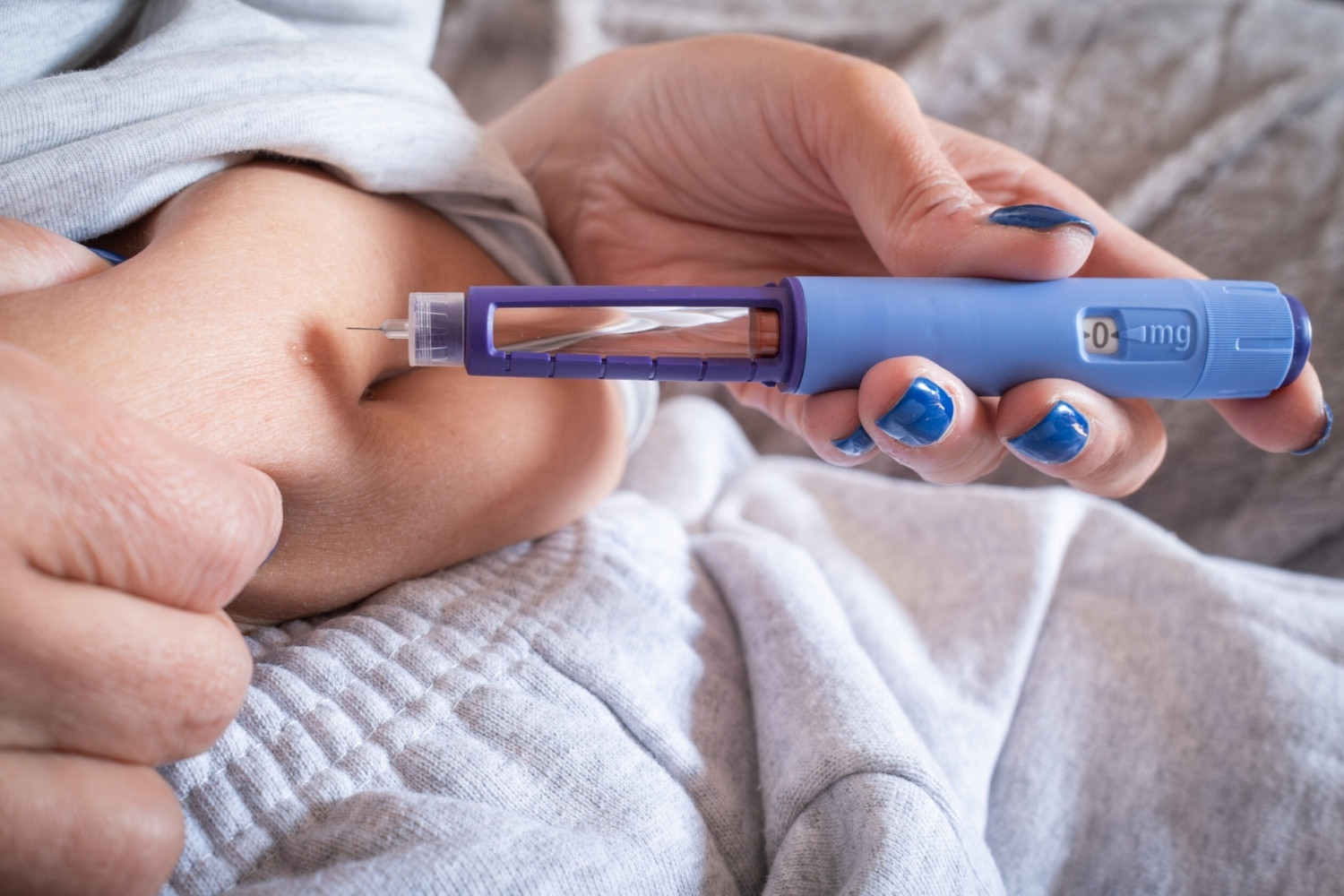
GLP-1 agonists, such as semaglutide (Ozempic) and tirzepatide (Zepbound), mimic the effects of natural GLP-1 to improve glycemic control and other metabolic benefits. By making diet and exercise less challenging and less painful, these medications have understandably become popular among people looking to manage their weight and blood sugar levels. Benefits include reduced fasting and postprandial glucose levels, improved body composition, and a potential reduction in cardiovascular disease risk. They also work with the pancreas to slow the emptying of the stomach and enhance the sensation of fullness, helping to reduce appetite and promote weight loss.
Natural Ways to Boost GLP-1 Levels
While GLP-1 agonist medications have revolutionized the approach to managing diabetes and aiding weight loss, there are also natural ways to boost GLP-1 levels and support blood sugar balance. Some of these natural methods include:
- Following a balanced diet rich in fruits, vegetables, whole grains, and lean protein
- Engaging in regular physical activity, such as walking or weightlifting, to improve insulin sensitivity
- Getting enough sleep to regulate hormones, including GLP-1
- Managing stress through meditation, yoga, or deep breathing exercises

GLP-1 Medications and Side Effects
While GLP-1 medications have been shown to be effective in managing blood sugar levels and promoting weight loss, some people may experience side effects, such as nausea, constipation, or diarrhea. Managing these side effects requires a multidisciplinary approach, including making lifestyle adjustments and using medications that can help alleviate symptoms. Consulting with a healthcare professional can provide personalized guidance on managing side effects and optimizing treatment outcomes.
Considerations for Stopping GLP-1 Medications
Stopping GLP-1 medications after using them for weight loss or blood sugar management can lead to weight regain and rising blood sugar levels. It is essential to discuss a treatment plan with a healthcare provider to avoid a significant weight regain and ensure continued health benefits. Stabilize your weight, continue your healthy habits, and monitor your blood sugar levels closely when adjusting or stopping these medications.
Emerging Therapies: GLP-1 Patch
Recent advances in the medical field have introduced the GLP-1 patch, a non-invasive external patch that delivers GLP-1 to the skin over 12 hours. This innovative device is designed for weight management and metabolic health, providing a convenient and effective alternative to injectable medications. By mimicking the effects of GLP-1, these patches can help regulate hunger, blood sugar levels, and body weight, offering a new treatment option for people with type 2 diabetes and obesity.
Conclusion
GLP-1 agonists have brought significant advancements to the management of blood sugar levels and weight loss. By understanding the benefits and potential side effects of these medications, adopting natural lifestyle changes, and exploring emerging therapies, such as the GLP-1 patch, individuals can better manage their health and achieve optimal results. Consult with a healthcare professional to determine the best course of treatment and make informed decisions about your health and well-being.