The Mechanism of GLP-1 Mediated Superior Weight Loss
Understanding the Role of GLP-1 in Weight Loss
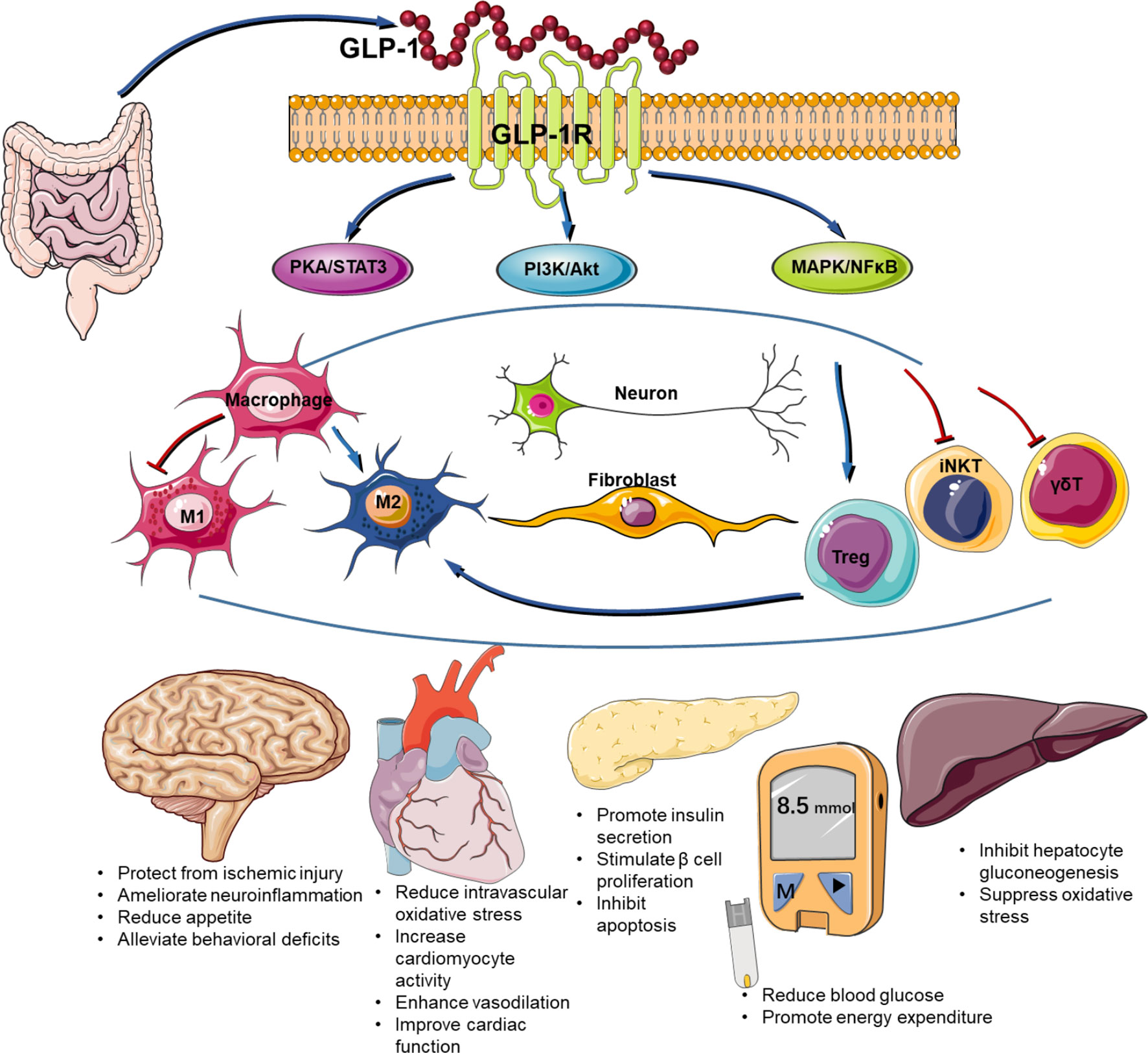
Glucagon-like peptide-1 (GLP-1) receptor agonists (RAs) have revolutionized the management of obesity and type 2 diabetes, primarily through their ability to regulate appetite, metabolic rate, and glucose homeostasis. These medications have been extensively studied for their efficacy in promoting weight loss and improving glycemic control in individuals with type 2 diabetes. However, the mechanisms underlying GLP-1 RA-induced weight loss are complex and multifaceted, involving both central and peripheral pathways.Central Mechanisms of GLP-1 RA-induced Weight Loss
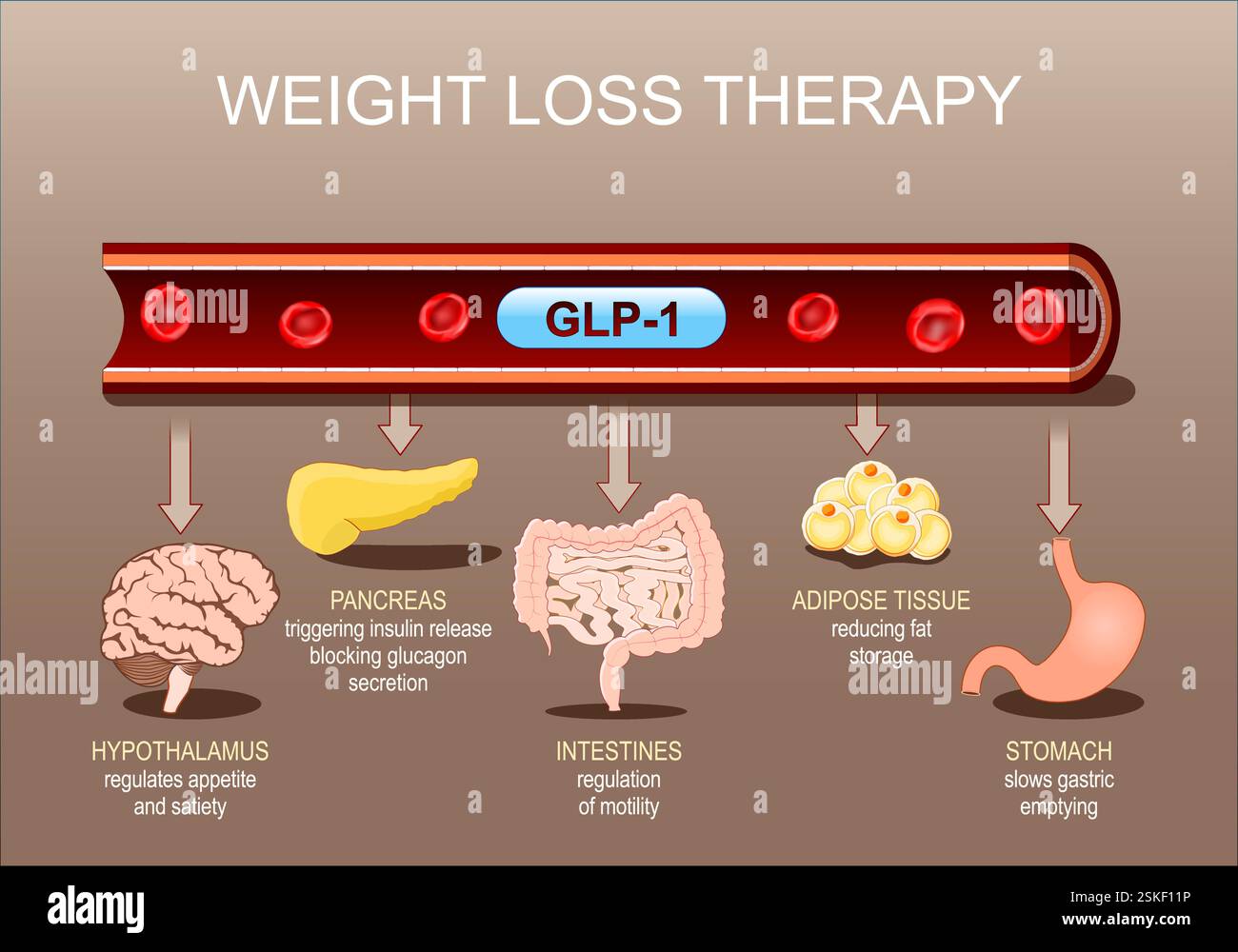
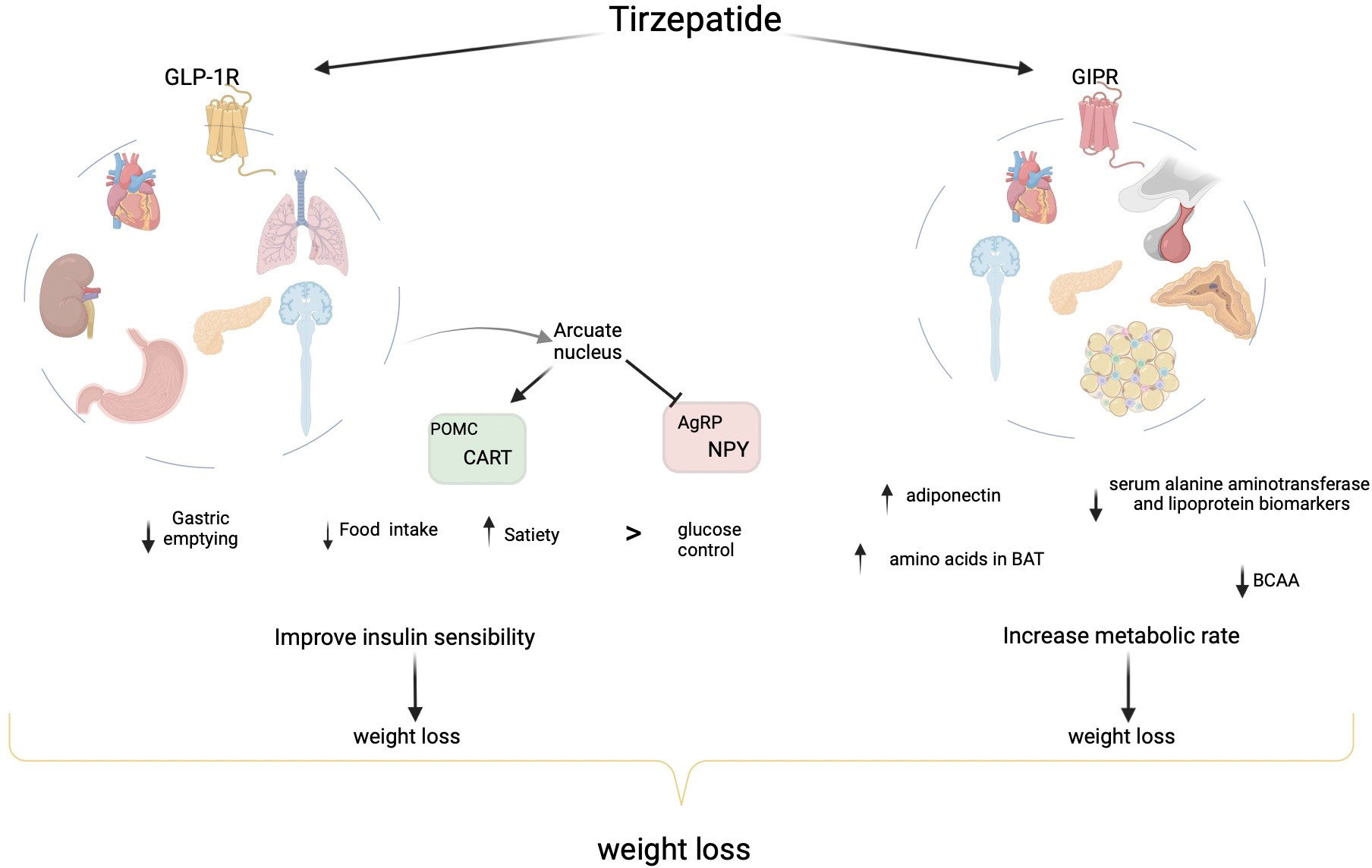
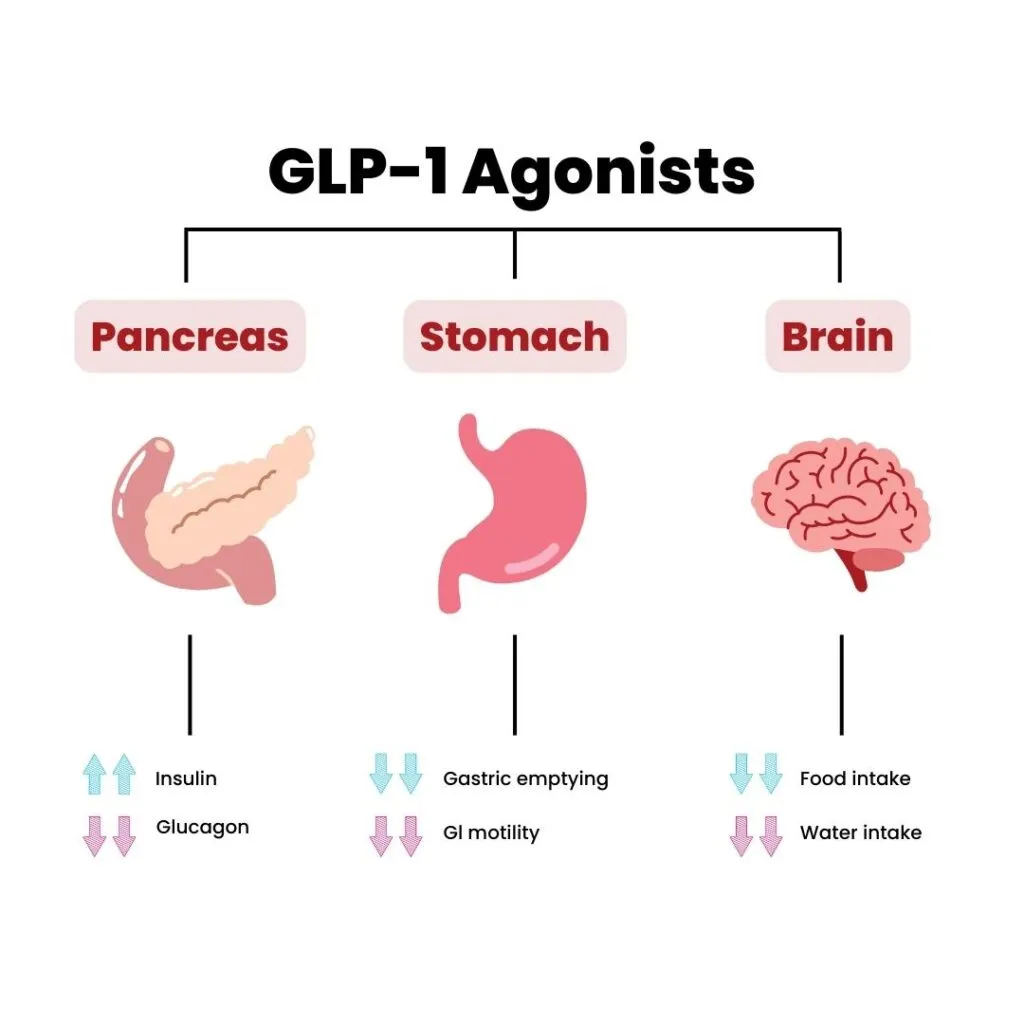
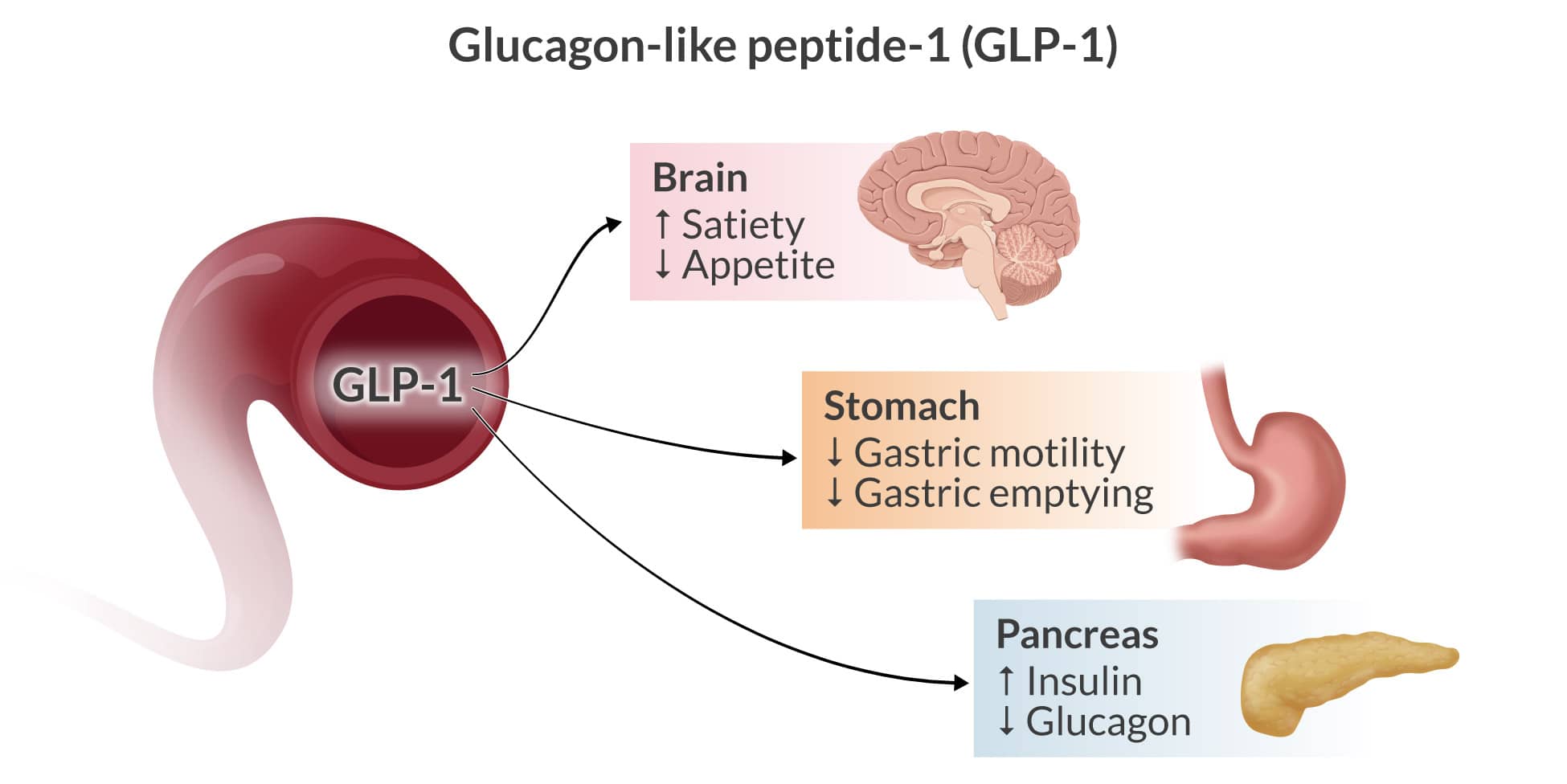
Research has explored the role of central GLP-1 receptors in modulating brain regions involved in appetite regulation, including the hypothalamus and brain stem. GLP-1 RAs are believed to exert their effects centrally by:- Regulating appetite and satiety hormones, such as neuropeptide Y (NPY) and pro-opiomelanocortin (POMC)
- Modulating the mesolimbic reward system, reducing the desire for palatable, calorie-dense foods
- Inhibiting the activity of the hypothalamic-pituitary-adrenal (HPA) axis, a key regulator of stress and hunger
Peripheral Mechanisms of GLP-1 RA-induced Weight Loss
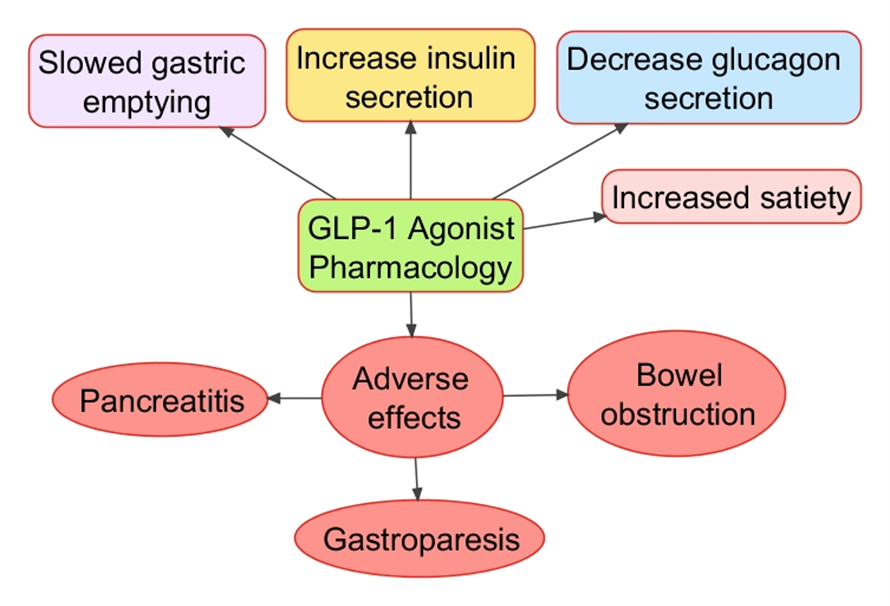
In addition to central effects, GLP-1 RAs also exert peripheral mechanisms that contribute to weight loss, including:- Suppressing glucagon secretion, reducing glucose production in the liver
- Enhancing insulin sensitivity, improving glucose uptake in peripheral tissues
- Delaying gastric emptying, reducing postprandial glucose spikes and insulin resistance
Therapeutic Implications of GLP-1 RA-induced Weight Loss
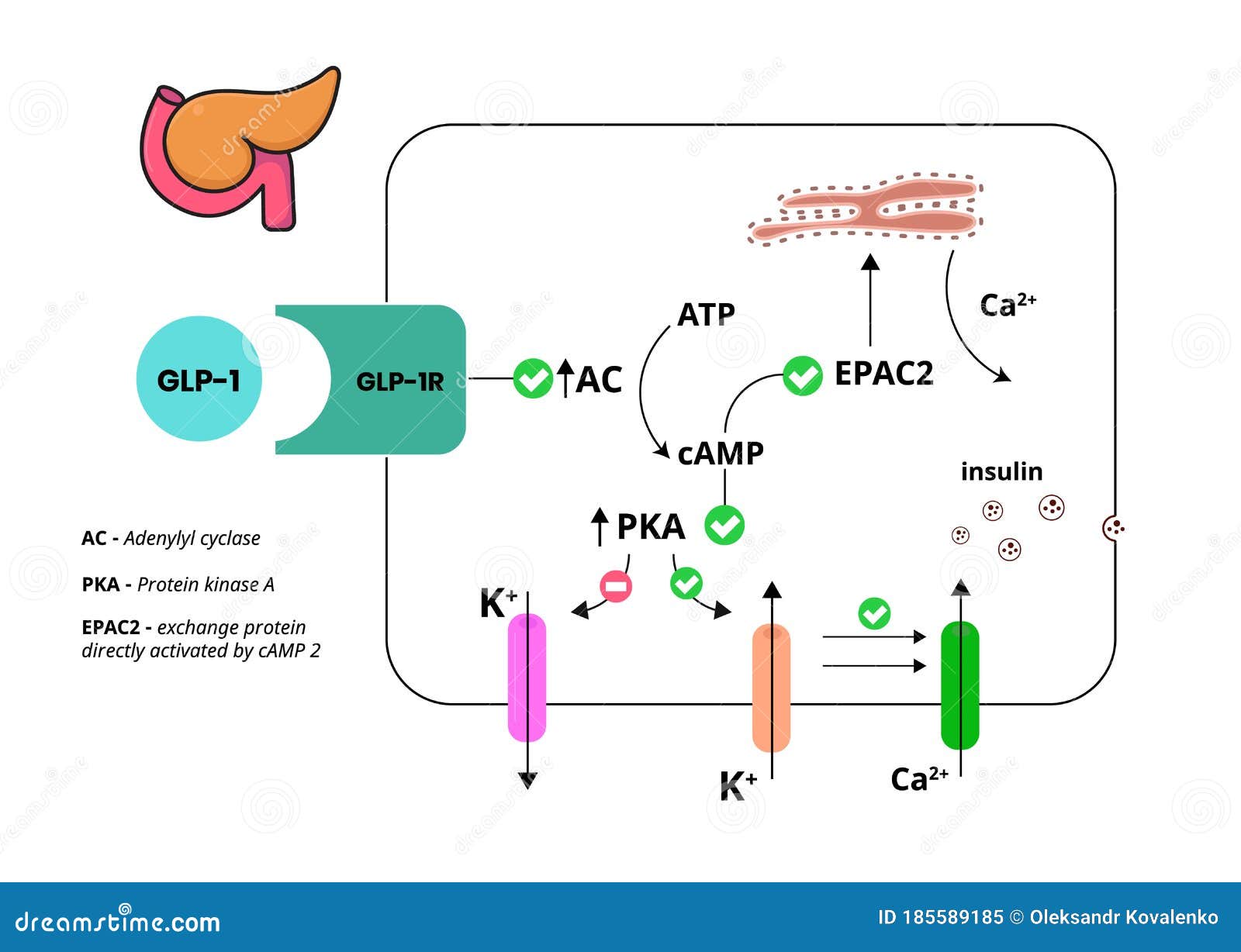
- Improved glycemic control, reduced risk of complications associated with type 2 diabetes
- Enhanced insulin sensitivity, reducing the risk of insulin resistance and metabolic syndrome
- Reduced cardiovascular risk, as reflected by improvements in blood pressure, triglycerides, and HDL cholesterol
Unique Benefits of GLP-1 Receptor Agonists
GLP-1 RAs offer several unique benefits, including:- Superior efficacy in promoting weight loss, with average weight loss ranging from 10-20% of initial body weight
- Low risk of hypoglycemia, due to the glucose-dependent nature of GLP-1 receptor activation
- Improved glycemic control, reducing the risk of complications associated with type 2 diabetes
Challenges and Future Directions
While GLP-1 RAs have revolutionized the management of obesity and type 2 diabetes, there are still challenges to overcome, including:- Steep cost and accessibility barriers
- Potential side effects, such as nausea, vomiting, and injection site reactions
- Uncertainty surrounding the long-term effects of GLP-1 RAs on body composition and bone health