How to Manage GLP-1 Resistance for Effective Weight Loss
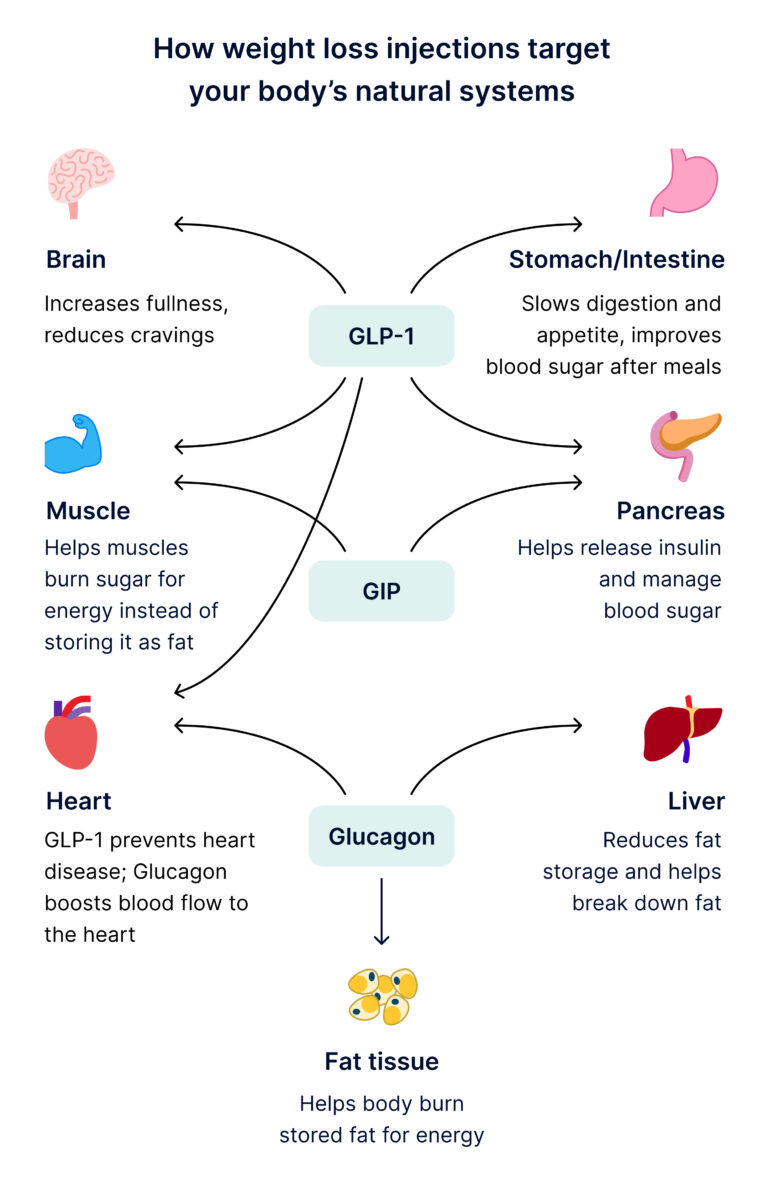
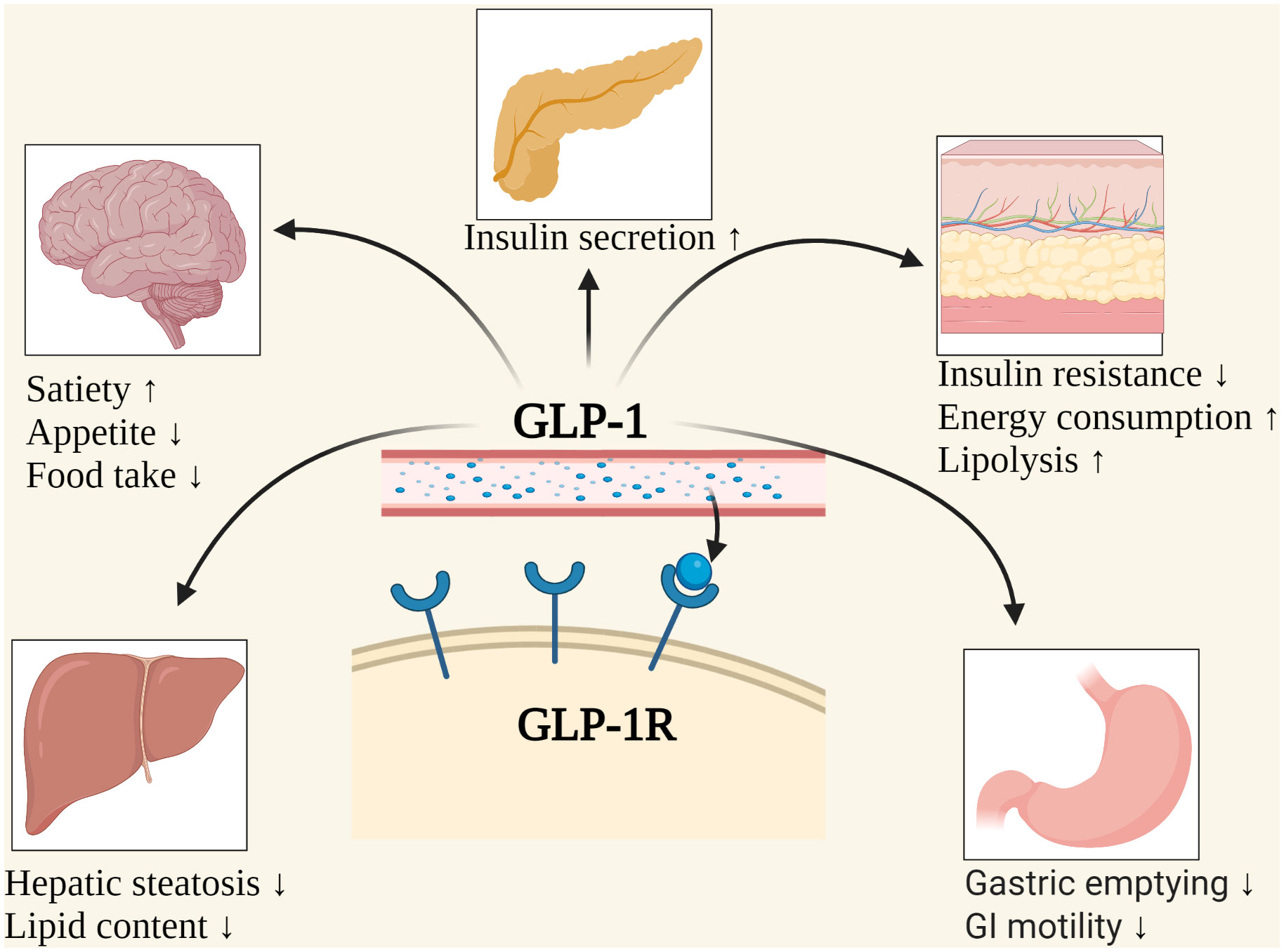
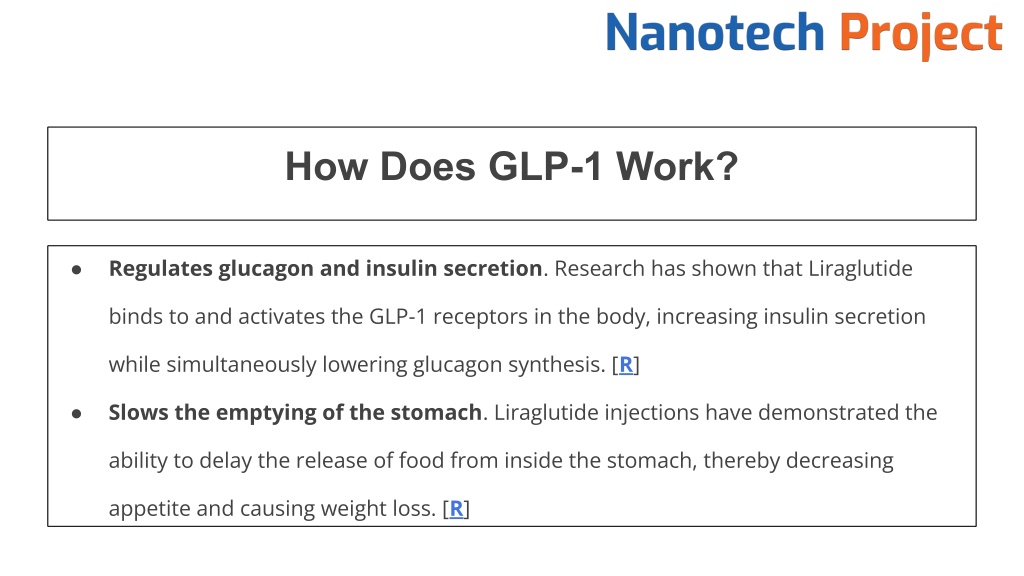
Glucagon-like peptide-1 (GLP-1) receptor agonists have revolutionized the treatment of obesity and Type 2 diabetes, leading to significant weight loss and improved metabolic health. However, as with any medication, some individuals may experience GLP-1 resistance, making it challenging to achieve and maintain weight loss. In this article, we will discuss how to manage GLP-1 resistance for effective weight loss.
What is GLP-1 Resistance?
GLP-1 resistance occurs when the body becomes less responsive to GLP-1 medications, leading to a decrease in weight loss effectiveness. This can be caused by various factors, including but not limited to, genetic predisposition, metabolic changes, and lifestyle factors.
Managing GLP-1 Resistance with Nutrition
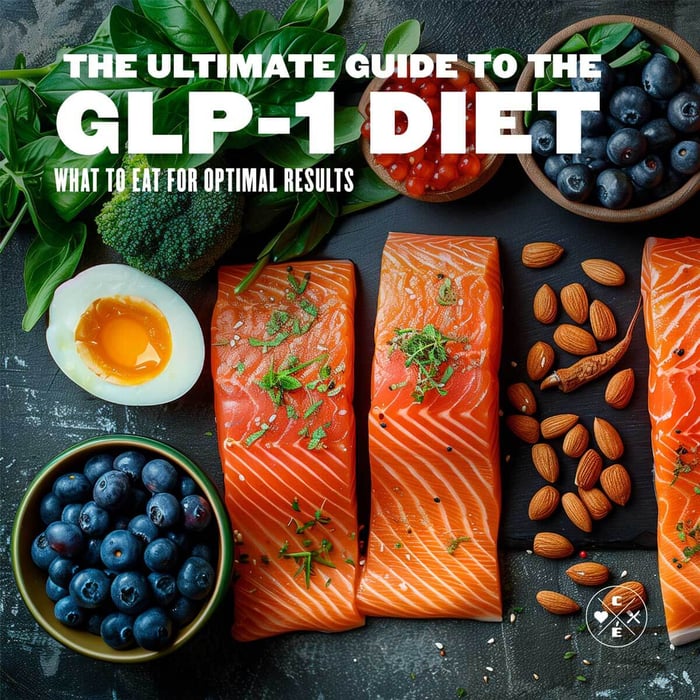
A high-protein diet is essential for GLP-1 patients to maintain muscle mass during weight loss. Aim for 0.7 to 1 gram of protein per pound of body weight per day, spread across three meals and two snacks. This can help alleviate muscle loss associated with rapid weight loss. Focus on protein-rich foods, including lean meats, fish, eggs, dairy, and legumes.
- Consuming sufficient protein to support muscle preservation and weight loss
- Monitoring nutrient intake to avoid deficiencies
- Adjusting meal timing and portion sizes to support GLP-1 response
Resistance Training and Muscle Mass
Resistant training is crucial for maintaining muscle mass during GLP-1 therapy. Aim for 2-3 sessions per week, incorporating exercises that work multiple muscle groups at once. This can help preserve 85-90% of muscle mass while on GLP-1 medications. Gradual weight loss (1-2 pounds per week) minimizes muscle wasting compared to rapid weight reduction.
- Engaging in regular resistance training, targeting 2-3 sessions per week
- Monitoring muscle mass and adjusting resistance training as needed
- Combining resistance training with high-protein diet for optimal results

Hydration and Lifestyle Habits
Staying hydrated is essential for maintaining skin elasticity and muscle mass. Aim for 8-10 glasses of water per day, and consider considering a hydration plan to monitor progress. Sun protection, regular exercise, and stress management are also crucial for overall health and well-being.
- Consuming adequate water to support skin elasticity and muscle mass
- Considering a hydration plan to monitor progress
- Protecting the skin from sun damage and implementing sun protection measures
Medication Adjustments and Dose Optimizations
Medication adjustments and dose optimizations may be necessary to overcome GLP-1 resistance. Consult with your healthcare provider to determine the best course of action. This may involve adjusting the dosage, switching medications, or considering additional therapies.
Combining GLP-1 Therapy with Lifestyle Interventions
Combining GLP-1 therapy with lifestyle interventions, such as diet, exercise, and stress management, can help optimize weight loss and overcome resistance. Focus on making sustainable lifestyle changes, rather than relying solely on medication.
Conclusion
Managing GLP-1 resistance requires a comprehensive approach that incorporates nutrition, resistance training, hydration, and lifestyle habits. By understanding the underlying causes of resistance and implementing targeted strategies, individuals can overcome GLP-1 resistance and achieve effective weight loss. Consult with your healthcare provider to determine the best course of action for your individual needs.