Export Permit Requirements: A Comprehensive Guide for International Trade
Exporting goods from one country to another requires compliance with various regulations and laws. One of the critical documents needed for international trade is the export permit. In this article, we will delve into the world of export permit requirements, exploring the intricacies of obtaining an export permit, the different types of permits, and the responsibilities of exporters.
Why Do You Need an Export Permit?
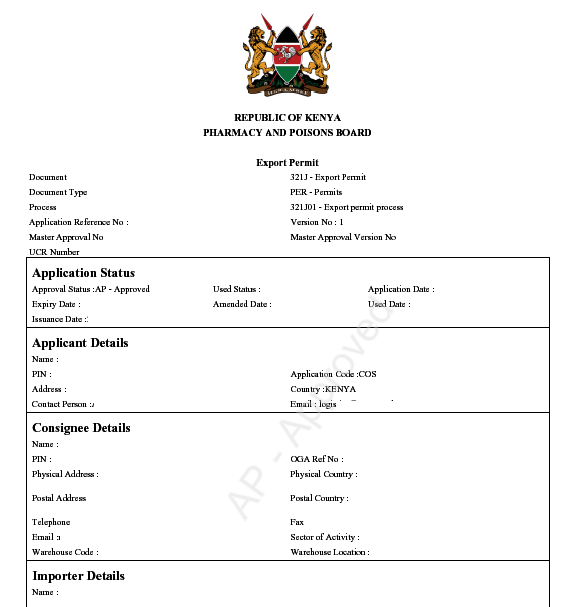
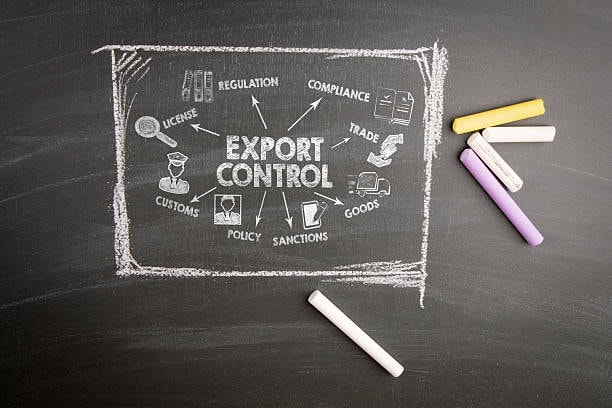
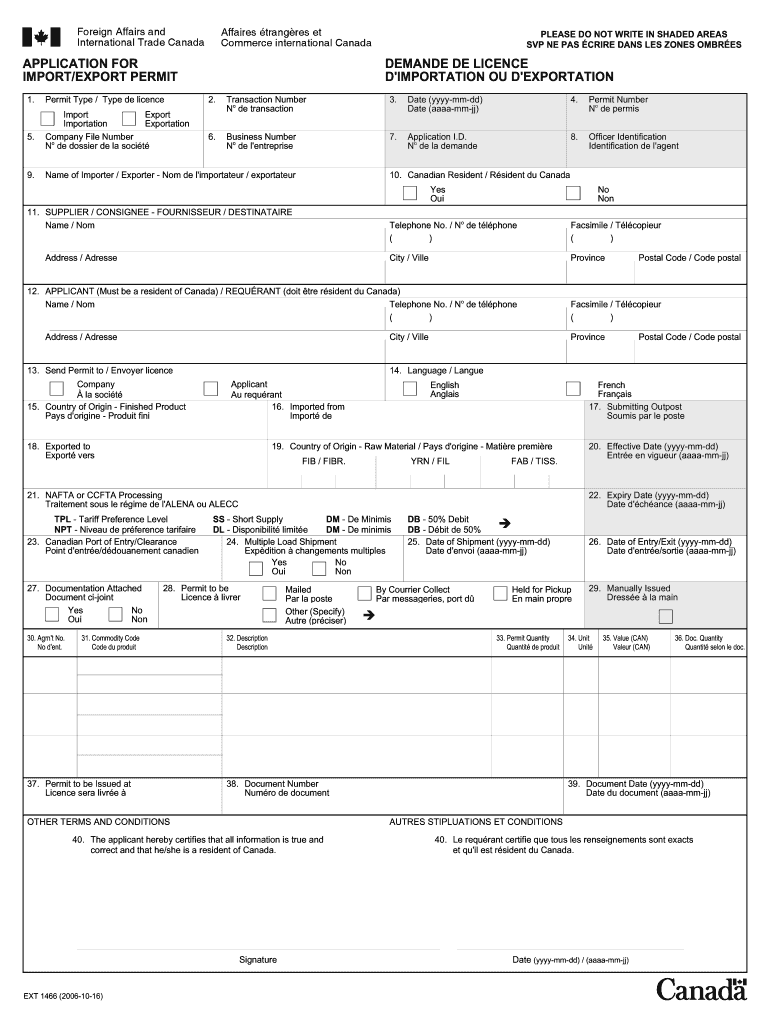
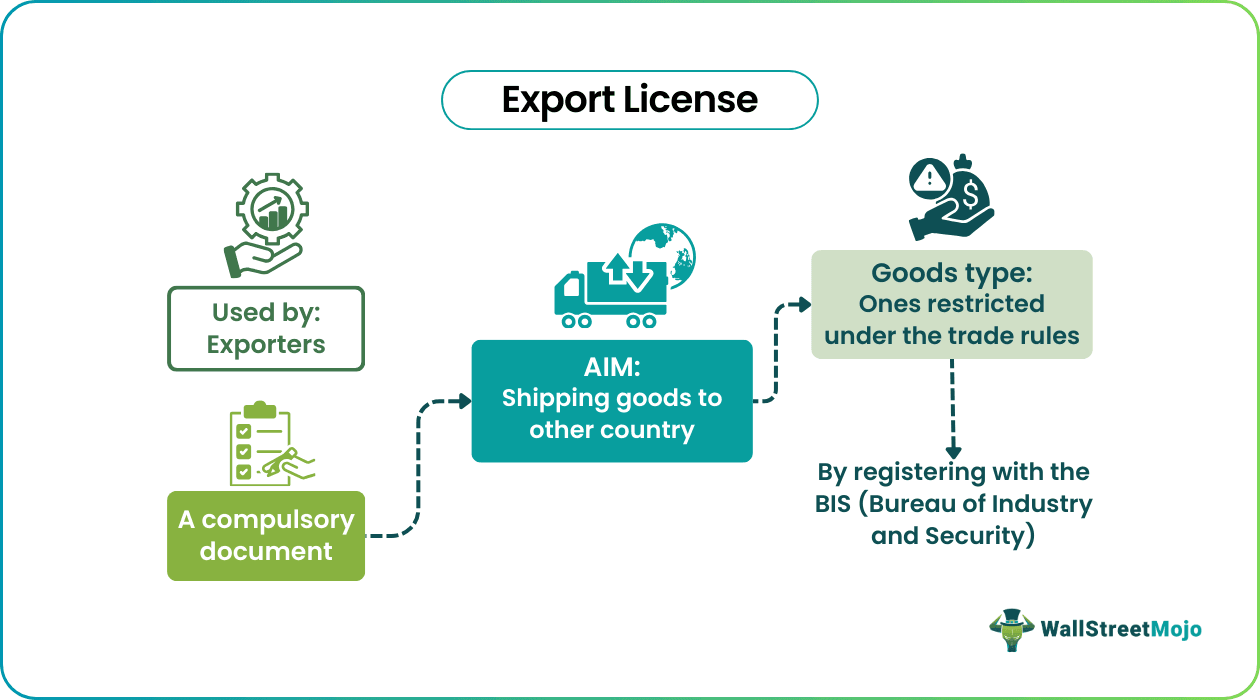
An export permit is a mandatory document required by governments to ensure that exports comply with international trade laws, national security rules, and international sanctions. The permit ensures that goods, technology, or services are exported in a way that is compliant with the exporting country's regulations and laws.
- It ensures legal compliance and helps avoid shipment delays.
- It ensures that exports comply with trade laws, national security rules, and international sanctions.
- It helps to control the outflow of goods of a strategic nature or smuggled and stolen goods.
Types of Export Permits
There are various types of export permits, each with its specific requirements and regulations. Some of the most common types of export permits include:
- Customs export permits: These permits are required for most shipments leaving the country, especially when the goods are for commercial purposes or are controlled or restricted items under the exporting country's law.
- Temporary export permits: These permits are required for temporary exports, such as trade exhibitions or diplomatic missions.
- Re-import permits: These permits are required for goods that are re-imported into the country after being temporarily exported.
- Phytosanitary certificates: These certificates are required for the export of plants, plant products, or other regulated articles.
How to Obtain an Export Permit
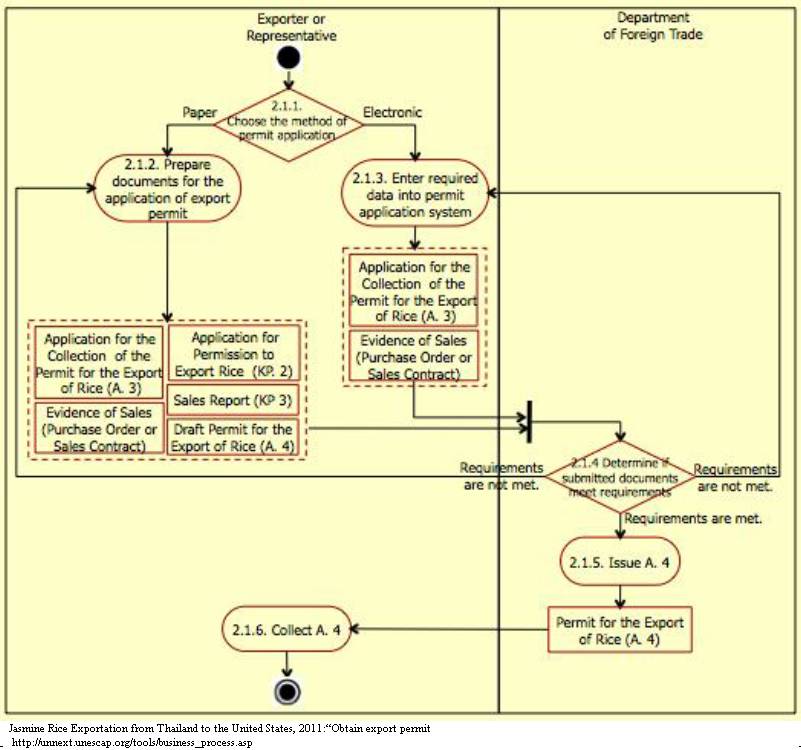
Obtaining an export permit requires careful planning and compliance with various regulations. The process typically involves the following steps:
- Determine if you need an export permit: Check if your goods require an export permit based on the exporting country's regulations and laws.
- Register with the relevant authorities: Register with the relevant authorities, such as customs or trade agencies, to obtain a permit.
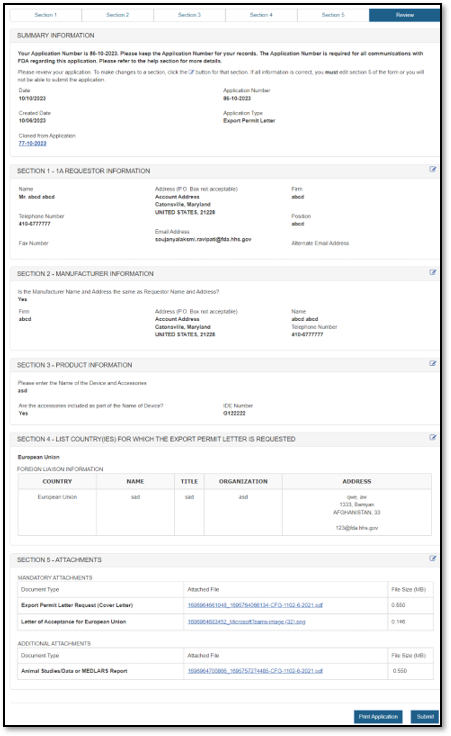
- Submit application: Submit an application for the export permit, providing all the necessary documents and information.
- Wait for approval: Wait for the authorities to process and approve your application.
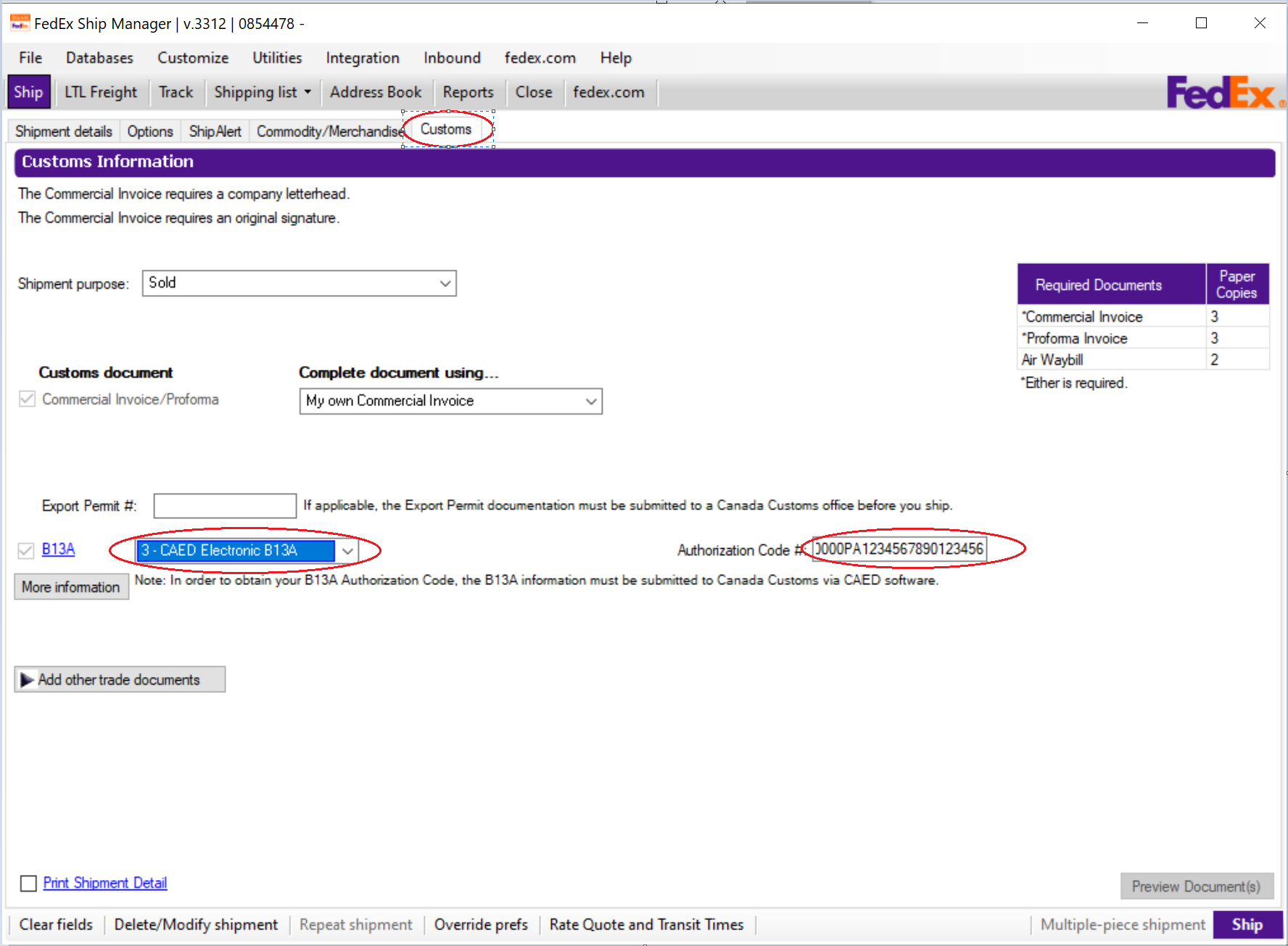
- Obtain the permit: Once approved, obtain the export permit and use it to clear your goods at the wharf and through customs.
Responsibilities of Exporters
Exporters have various responsibilities when it comes to export permits. These include:
- Ensuring compliance with regulations: Exporters must ensure that their goods comply with the exporting country's regulations and laws.
- Obtaining necessary permits: Exporters must obtain the necessary permits and licenses for their goods.
- Providing accurate documentation: Exporters must provide accurate and complete documentation to support their export permit application.
- Clearing goods at the wharf and through customs: Exporters must clear their goods at the wharf and through customs using the export permit.
Conclusion
In conclusion, export permit requirements are an essential aspect of international trade. Exporters must comply with various regulations and laws to ensure that their goods are exported in a way that is compliant with the exporting country's regulations and laws. By understanding the different types of export permits, the process of obtaining an export permit, and the responsibilities of exporters, businesses can navigate the complex world of export permits with ease.
Frequently Asked Questions
Q: What is an export permit?
A: An export permit is a mandatory document required by governments to ensure that exports comply with international trade laws, national security rules, and international sanctions.
Q: Why do I need an export permit?
A: You need an export permit to ensure that your goods comply with the exporting country's regulations and laws, and to avoid shipment delays.