Diet Plans for Women's Osteoporosis: A Comprehensive Guide to Bone Health
Osteoporosis is a common condition that affects millions of women worldwide, particularly those over 50. While it cannot be cured, proper nutrition can play a powerful role in preventing or slowing down its progression. In this article, we will delve into the importance of diet plans for women's osteoporosis and provide a comprehensive guide to bone health.
Why Diet Matters for Osteoporosis
Diet plays a vital role in managing osteoporosis, as it provides the essential nutrients required for building and maintaining strong bones. A well-balanced diet rich in calcium, vitamin D, and other nutrients can help slow down bone loss and reduce the risk of fractures.
Key Nutrients for Bone Health
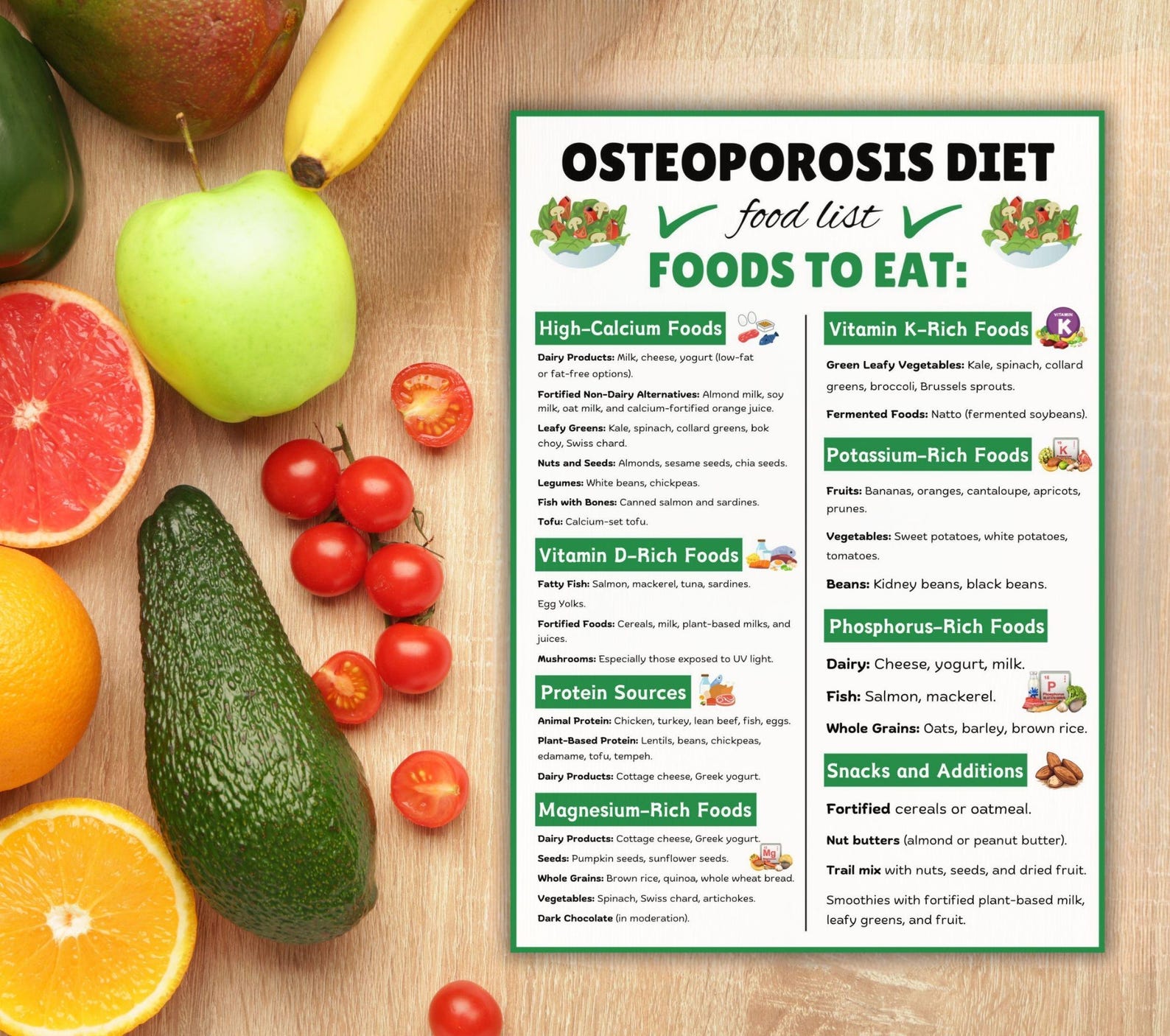
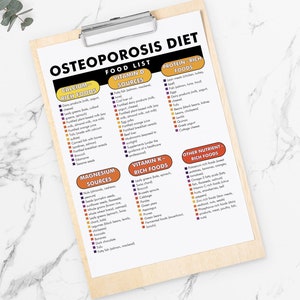
- Calcium: essential for building and maintaining strong bones, with a recommended daily intake of 1,000-1,200 mg.
- Vitamin D: crucial for calcium absorption and bone health, with a recommended daily intake of 600-800 IU.
- Magnesium: important for bone mineralization and density, with a recommended daily intake of 310-320 mg.
- essential for bone mineralization and density, with a recommended daily intake of 90 mcg.
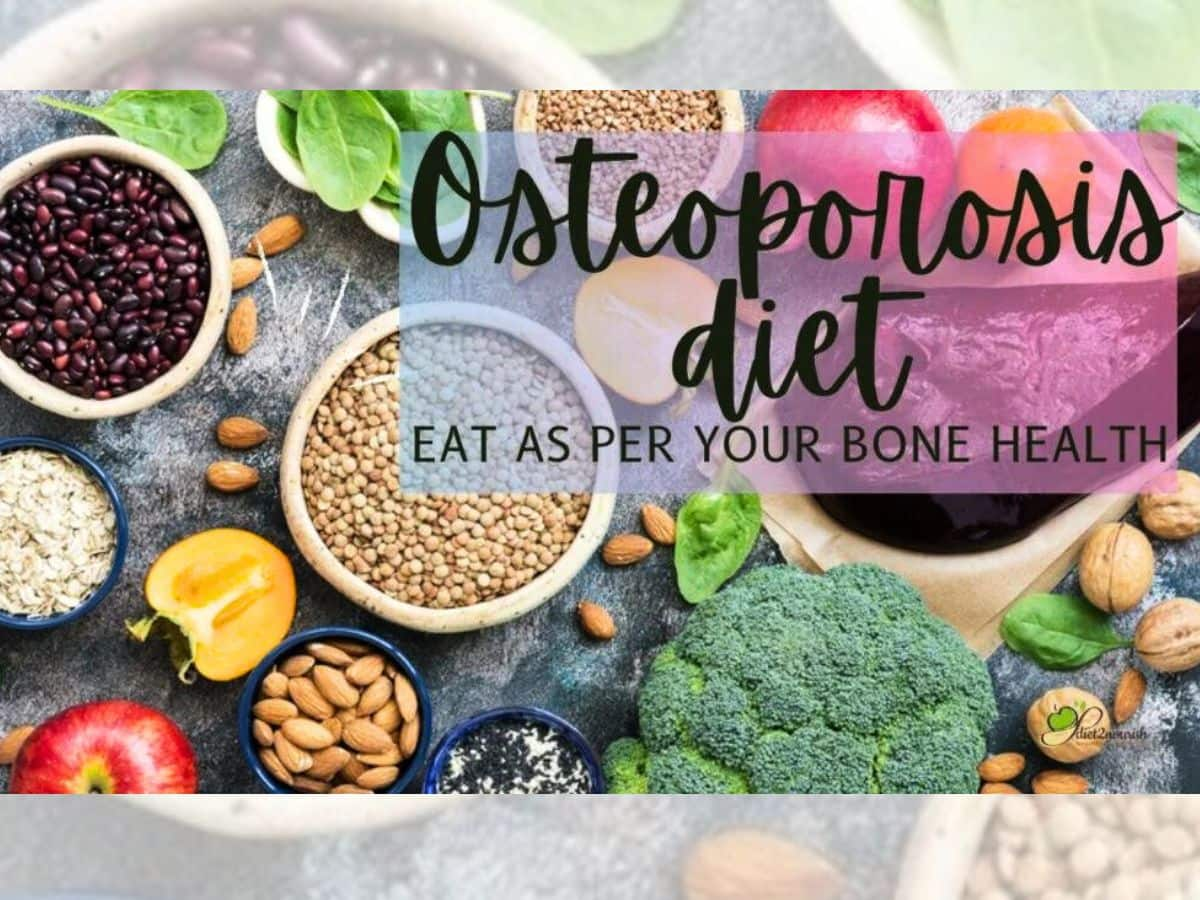
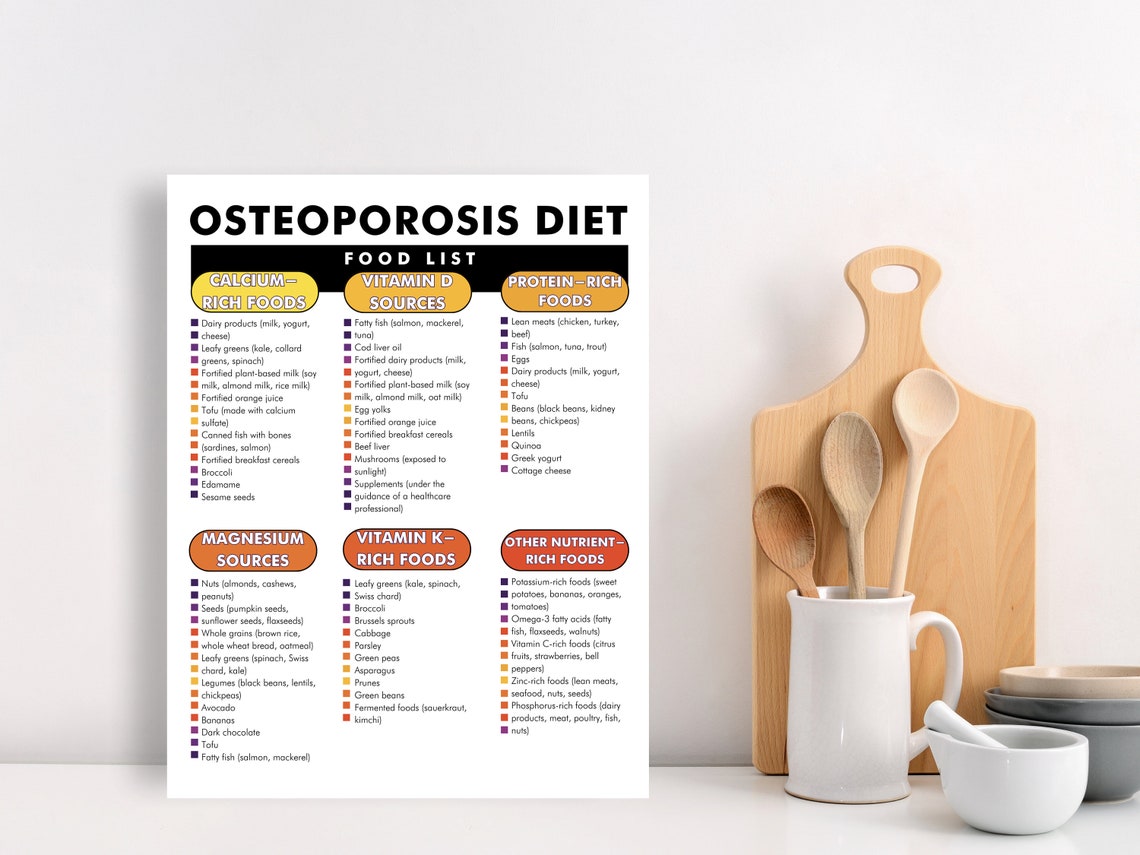
Best Foods for Osteoporosis Prevention
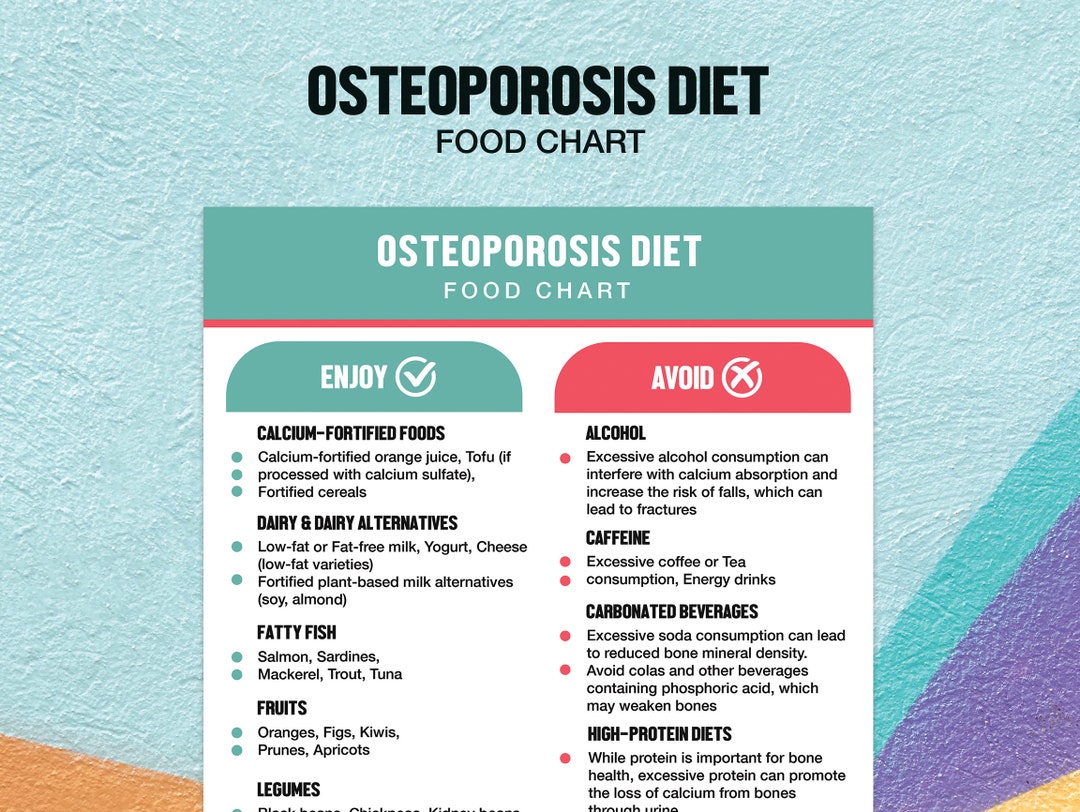
- Dairy Products: milk, cheese, and yogurt are rich in calcium and vitamin D.
- Leafy Greens: spinach, kale, and collard greens are rich in calcium and vitamin K.
- Fatty Fish: salmon, sardines, and mackerel are rich in vitamin D and omega-3 fatty acids.
- Nuts and Seeds: almonds, chia seeds, and flaxseeds are rich in calcium and magnesium.
Sample 7-Day Meal Plan for Osteoporosis
Here's a sample meal plan that incorporates the best foods for osteoporosis prevention:
- Breakfast: Overnight oats with milk, almonds, and chia seeds
- Lunch: Grilled salmon with roasted vegetables and spinach
- Snack: Greek yogurt with berries and walnuts
- Dinner: Beef stir-fry with broccoli, bell peppers, and brown rice
Additional Tips for Osteoporosis Prevention
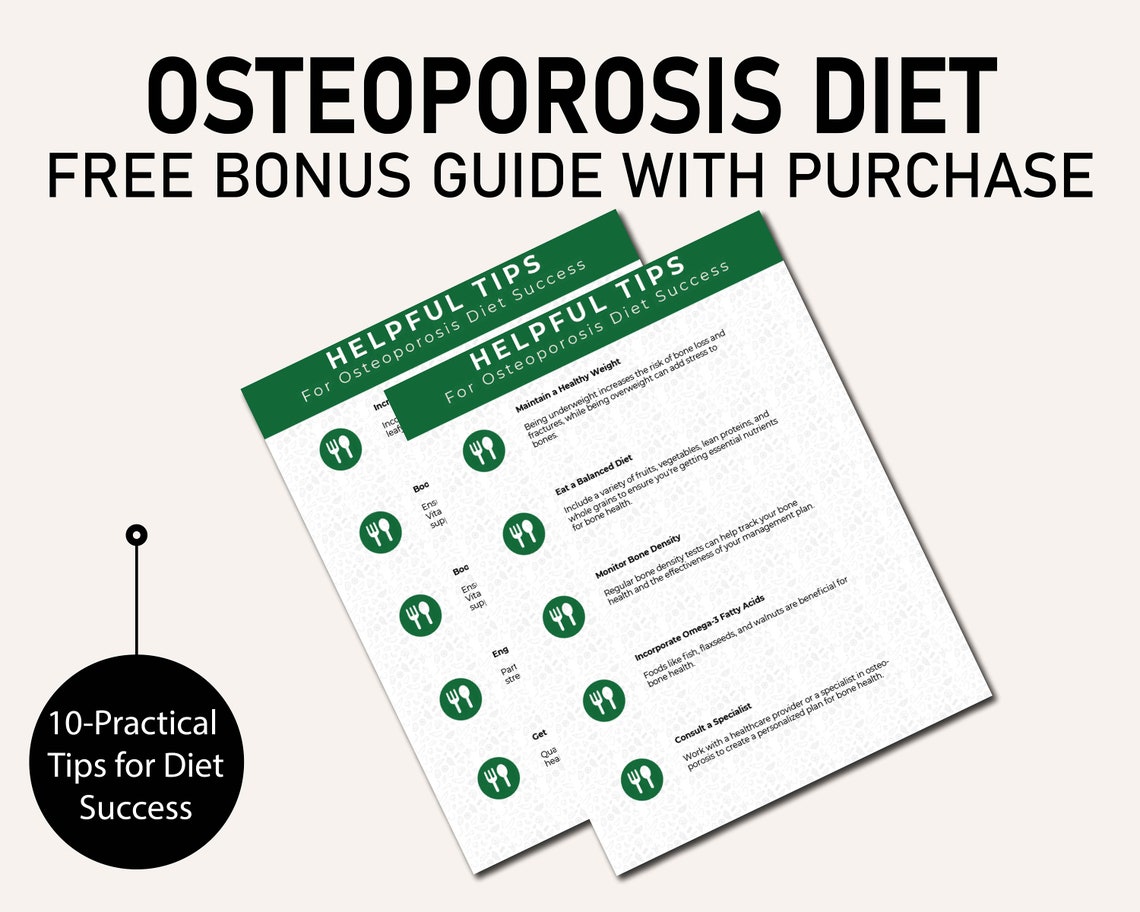
- Stay Hydrated: drink plenty of water to help your body absorb calcium and other nutrients.
- Exercise Regularly: engage in weight-bearing and resistance exercises to strengthen your bones.
- Get Enough Sleep: aim for 7-8 hours of sleep per night to help your body repair and rebuild bones.
- Consult Your Doctor: discuss your osteoporosis risk with your doctor and develop a personalized plan for prevention and management.
Conclusion
Diet plays a critical role in preventing and managing osteoporosis in women. By incorporating a well-balanced diet rich in calcium, vitamin D, and other essential nutrients, you can help slow down bone loss and reduce the risk of fractures. Remember to stay hydrated, exercise regularly, and get enough sleep to support your bone health.
Recommended Resources
For more information on osteoporosis prevention and management, consult the following resources:
- Harvard Medical School: Osteoporosis
- Arthritis Foundation: Osteoporosis
- Mayo Clinic: Osteoporosis
By following these guidelines and working with your healthcare provider, you can develop a comprehensive plan for osteoporosis prevention and management.