Tools for Managing Remote Employees: A Comprehensive Guide
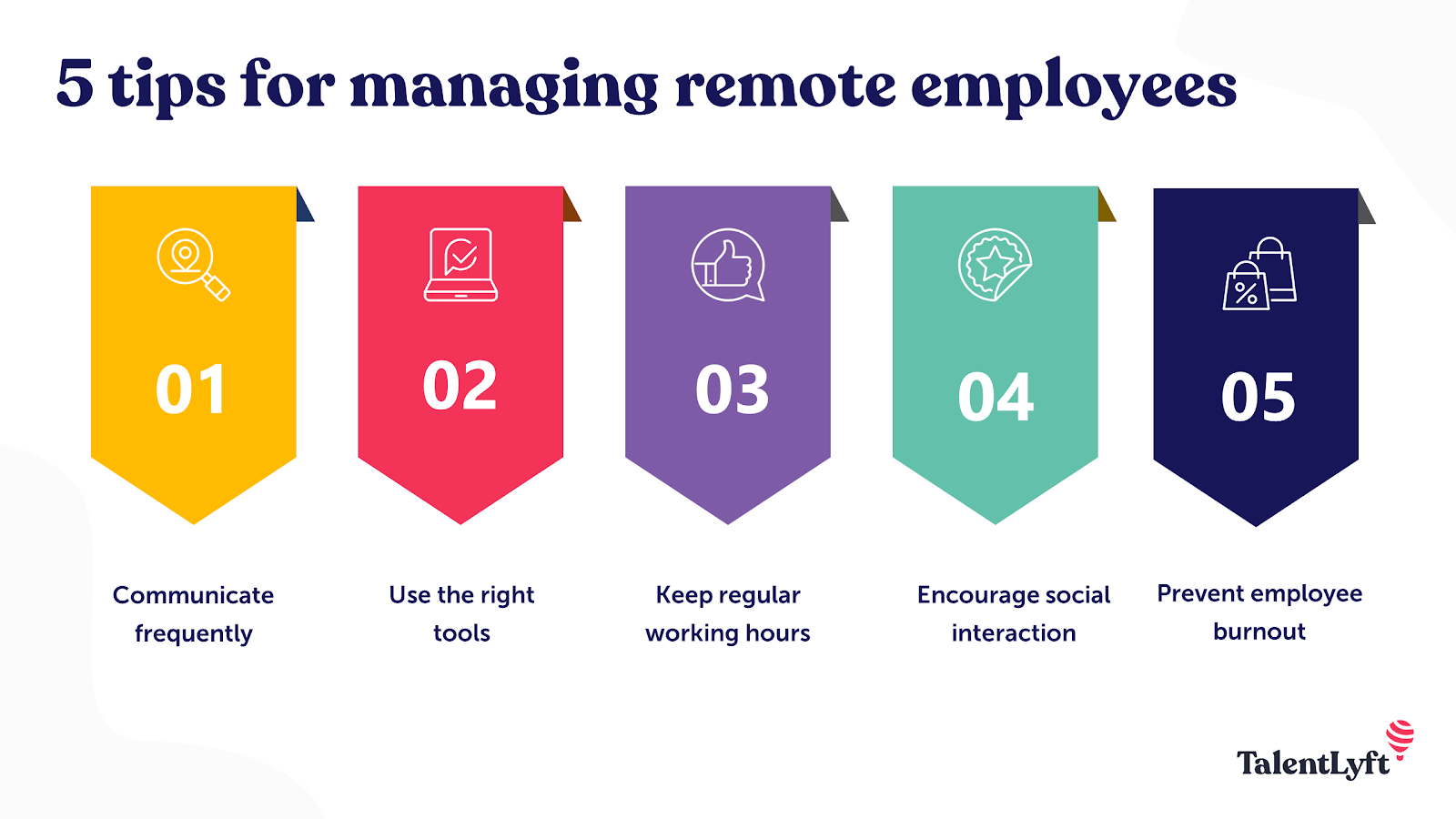
Managing remote employees has become a vital aspect of modern business operations. With the rise of remote work, companies are facing new challenges in ensuring seamless communication, productivity, and collaboration among team members. To address these challenges, numerous tools have been developed to facilitate remote team management. In this article, we will explore the best tools for managing remote employees, focusing on collaboration, communication, productivity, and security.
The Importance of Remote Team Management
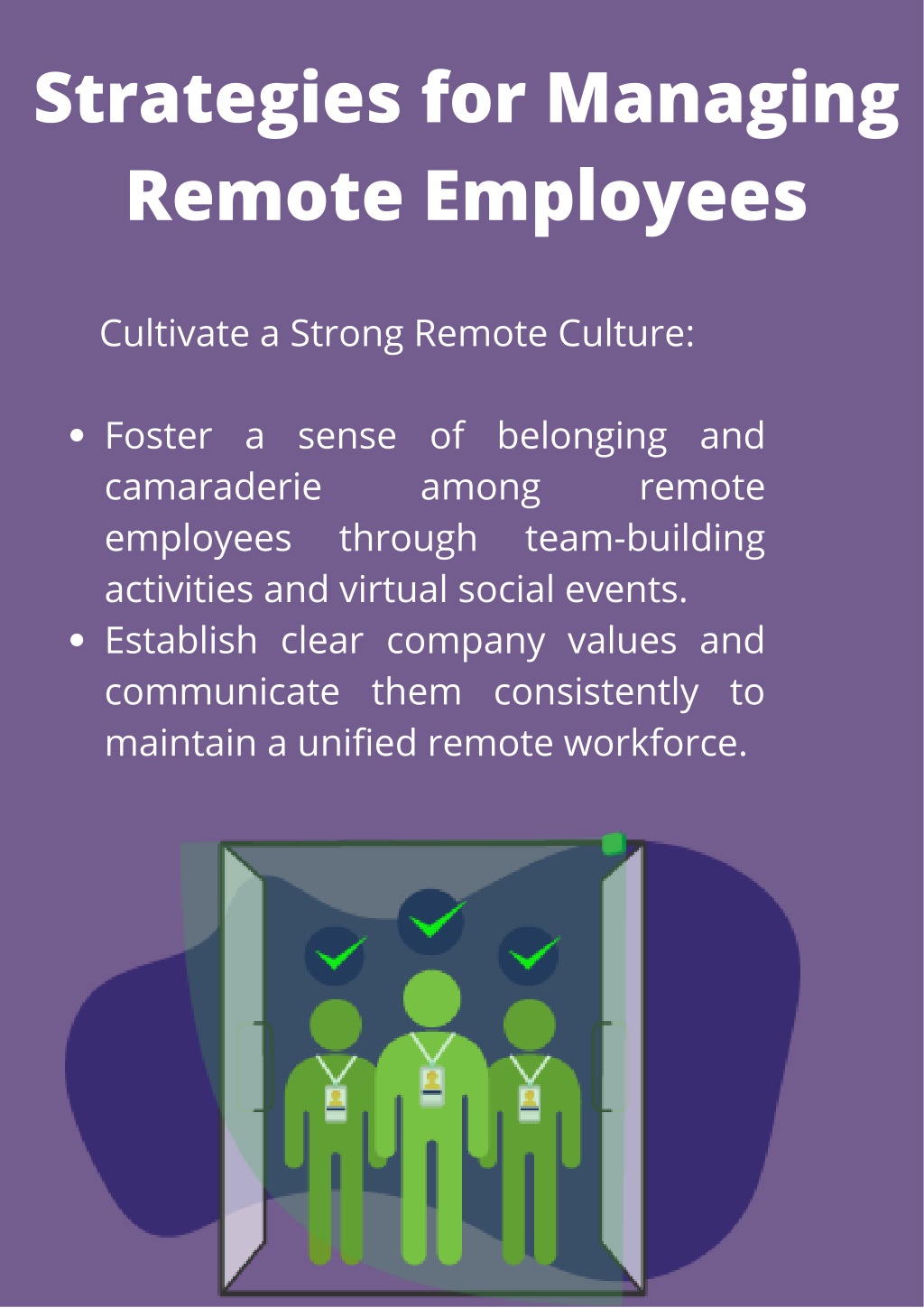
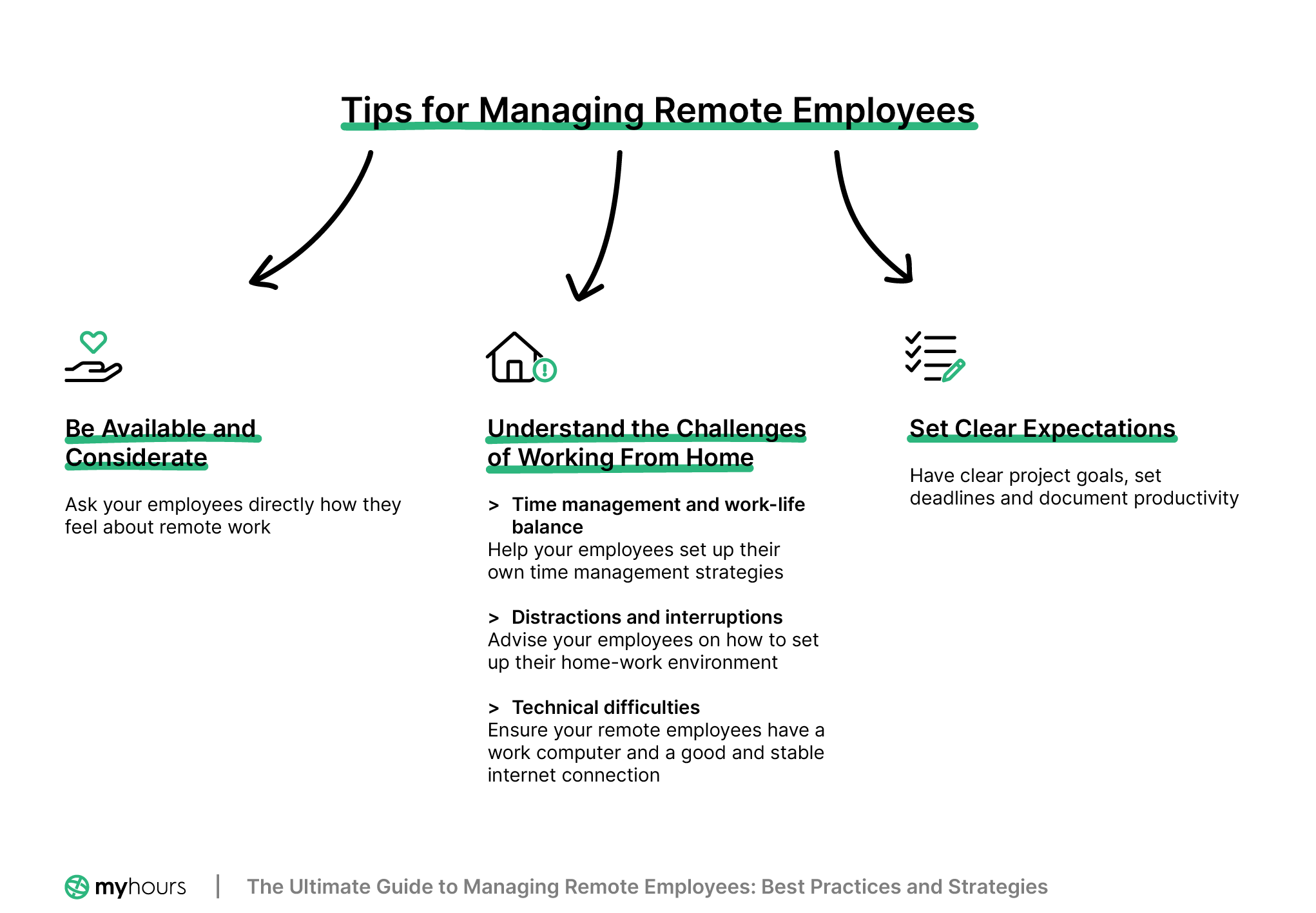
Remote work has become the new norm, driven by technological advancements, employee preferences, economic factors, and access to a global talent pool. As a result, businesses must adapt to this shift and implement effective remote team management strategies to succeed. The right tools can help streamline tasks, improve communication, and boost productivity, ensuring that remote employees feel engaged and connected to the team.
Tools for Collaboration and Communication
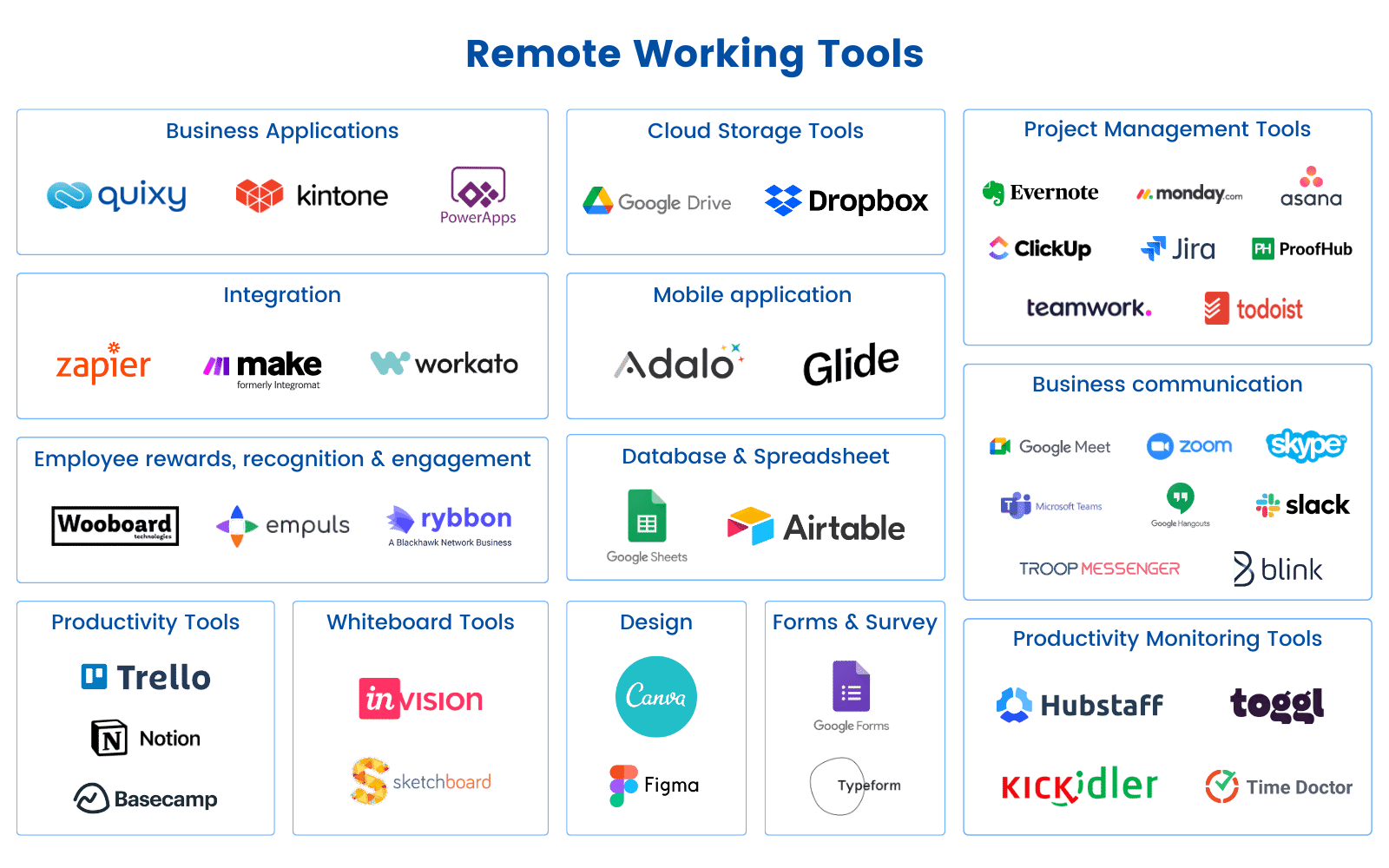
Effective collaboration and communication are crucial for remote teams. The following tools can help facilitate these aspects:
- Slack: A popular communication platform for teams, offering various features such as direct messaging, group channels, video calls, and file sharing.
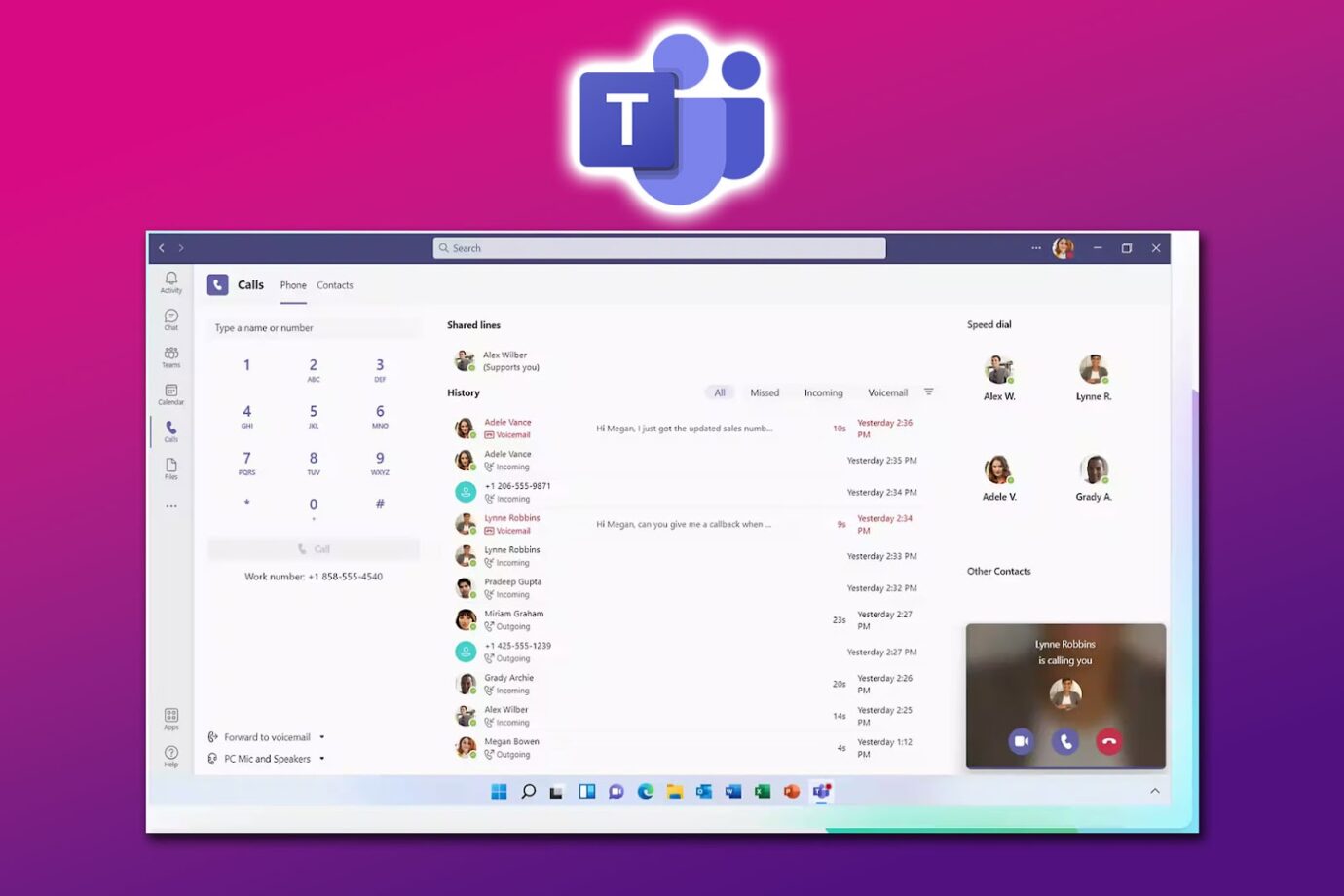
- Microsoft Teams: A comprehensive collaboration platform that integrates with Microsoft Office 365, enabling teams to communicate, share files, and collaborate on projects.
- Trello: A visual project management tool that uses boards, lists, and cards to organize tasks and projects, promoting transparency and collaboration among team members.
- Asana: A work management platform that helps teams stay organized and focused, offering features such as task assignment, due dates, and real-time updates.
Tools for Productivity and Time Management

Productivity and time management are critical aspects of remote team management. The following tools can help teams stay focused and efficient:
- Toggl: A time-tracking tool that helps teams track their work hours, expenses, and projects, providing valuable insights into productivity and time management.
- RescueTime: A time management tool that tracks how employees spend their time on computers and mobile devices, offering recommendations to improve productivity.
- Harvest: A time tracking and invoicing tool that helps teams track their work hours and generate invoices, streamlining the billing process.
- Evernote: A note-taking app that enables teams to capture, organize, and store information, making it easier to collaborate and access shared knowledge.
Tools for Security and Compliance
Security and compliance are essential considerations for remote teams. The following tools can help ensure data security and regulatory compliance:
- Google Drive: A cloud storage platform that provides secure file sharing and collaboration, with features such as access controls, encryption, and audit logs.
- Microsoft Azure: A cloud platform that offers robust security features, including identity and access management, data encryption, and threat intelligence.
- HIPAA Compliant Tools: A range of tools that specialize in HIPAA compliance, such as encryption software, secure email services, and secure file sharing platforms.
- Cloud Security Providers: Companies that specialize in cloud security, offering solutions such as cloud access security brokers, cloud security gateways, and cloud security analytics.
Conclusion
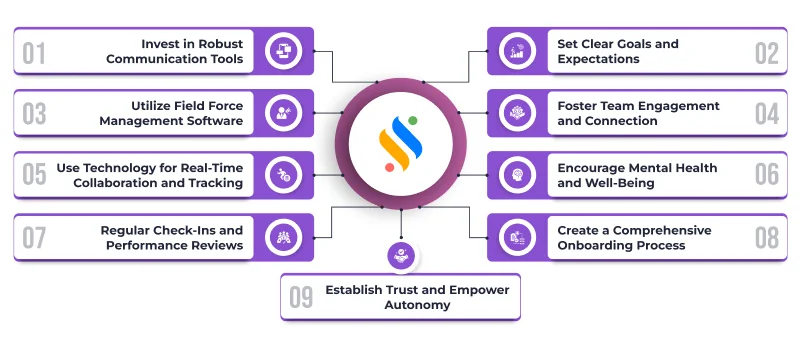
Managing remote employees requires a range of tools to facilitate collaboration, communication, productivity, and security. By implementing the tools highlighted in this article, businesses can ensure a seamless remote work experience, boost productivity, and improve employee engagement. Remember to choose the tools that best fit your team's needs, and don't hesitate to explore new solutions as your business evolves.