Router Setup Explanation: A Comprehensive Guide
Setting up a router can be a daunting task, especially for those who are new to home networking. With the increasing importance of a stable and secure internet connection, understanding the basics of router setup is crucial. In this article, we will delve into the world of routers and provide a detailed explanation of the setup process. By the end of this guide, you will be well-equipped to set up your router stress-free and enjoy a seamless internet experience.Understanding Router Basics
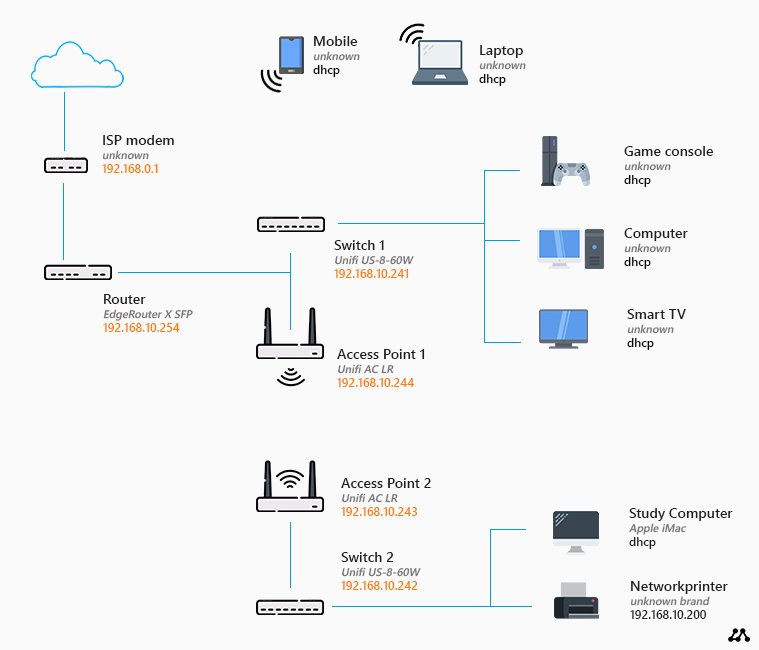
A router is a networking device that connects multiple devices to a single internet connection. It acts as a gateway between your home network and the internet, directing traffic to the correct device. Routers use a combination of hardware and software to manage the flow of data between devices.Router Types
There are several types of routers available, each catering to specific needs and requirements. The most common types include:- Wireless routers (Wi-Fi routers): These routers use radio waves to establish a connection between devices.
- Wireline routers (ethernet routers): These routers use physical cabling to connect devices to the router.
- Modem routers: These routers come with a built-in modem and are used for connecting to cable or DSL internet.
- Mesh routers: These routers use multiple devices to create a network of interconnected routers, providing strong coverage throughout your home.
Router Setup Process
Setting up a router involves the following steps:Step 1: Unboxing and Physical Setup
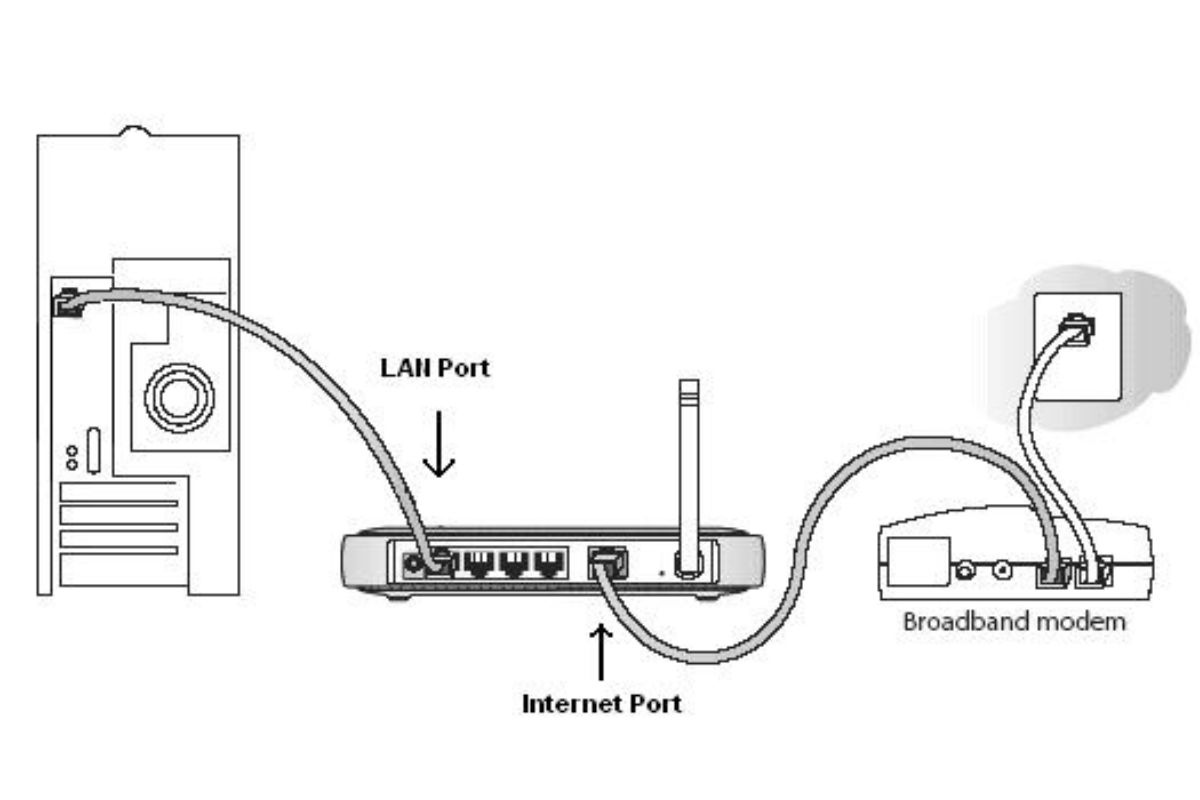
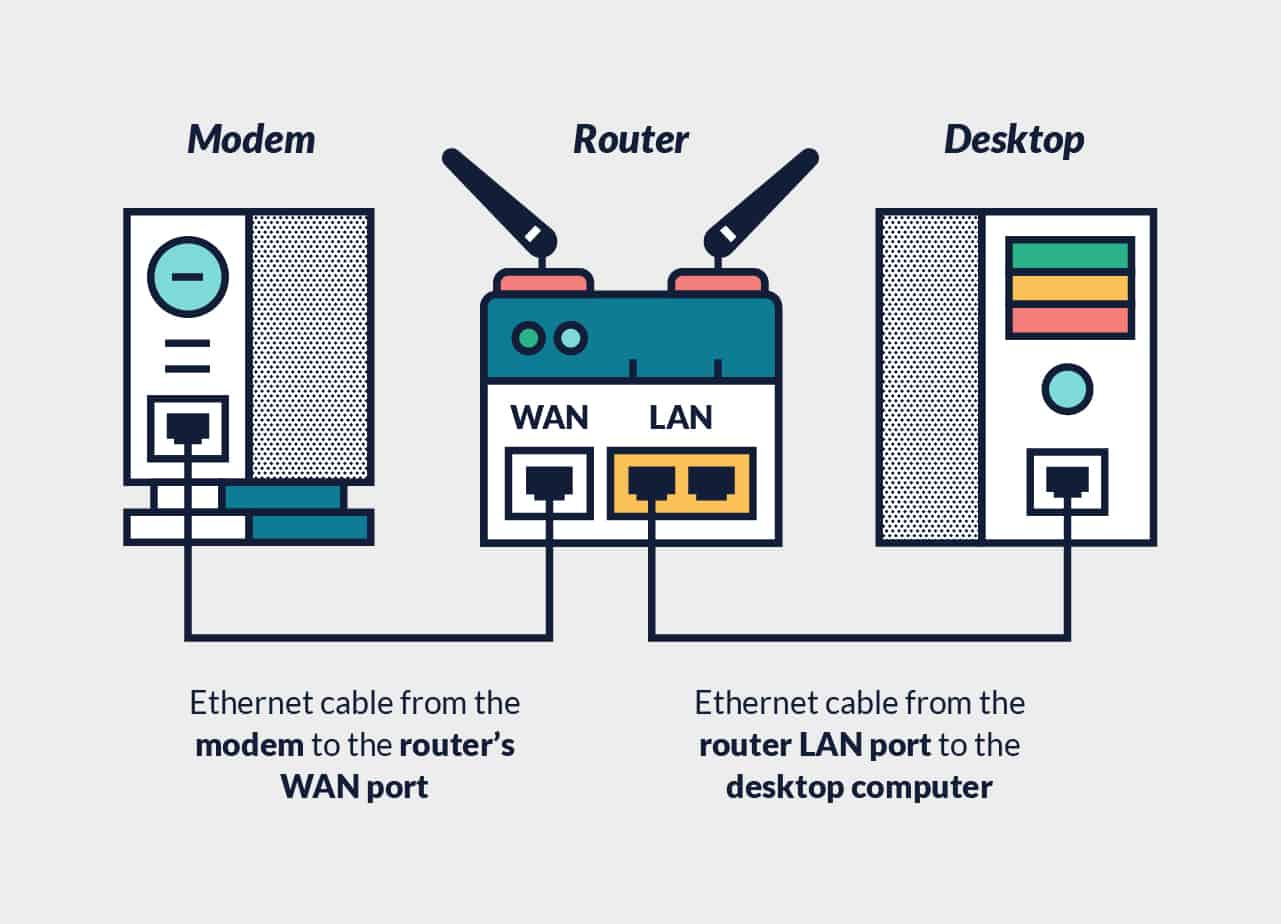
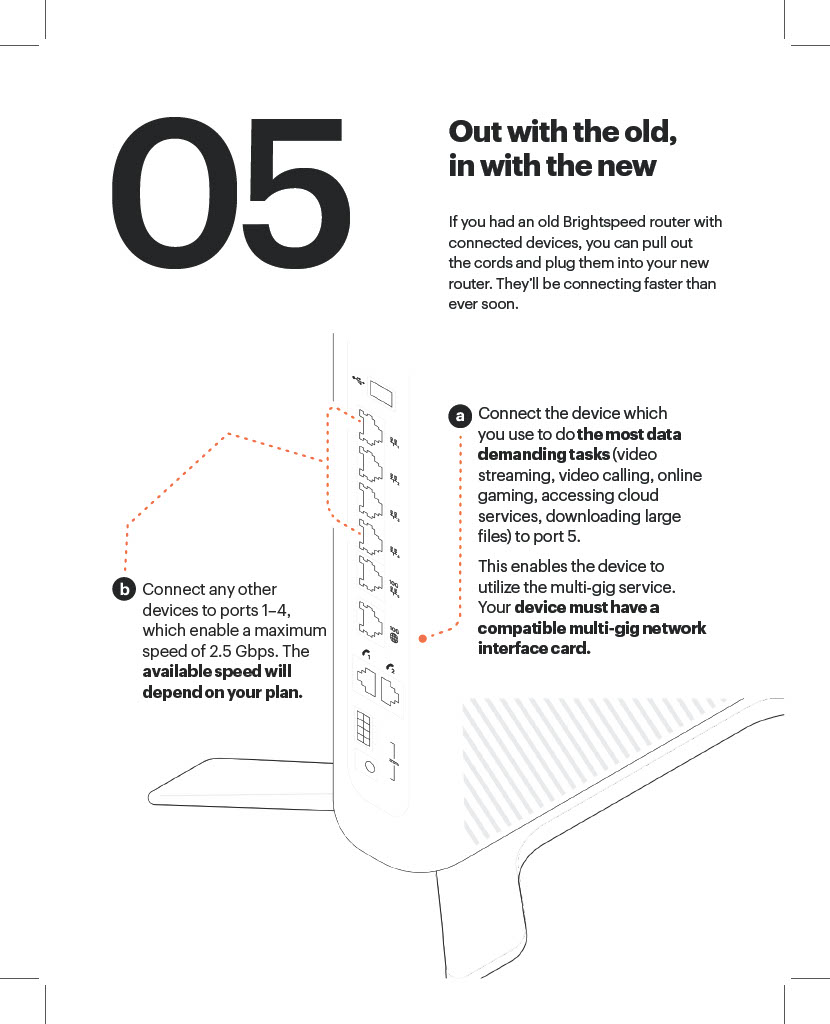
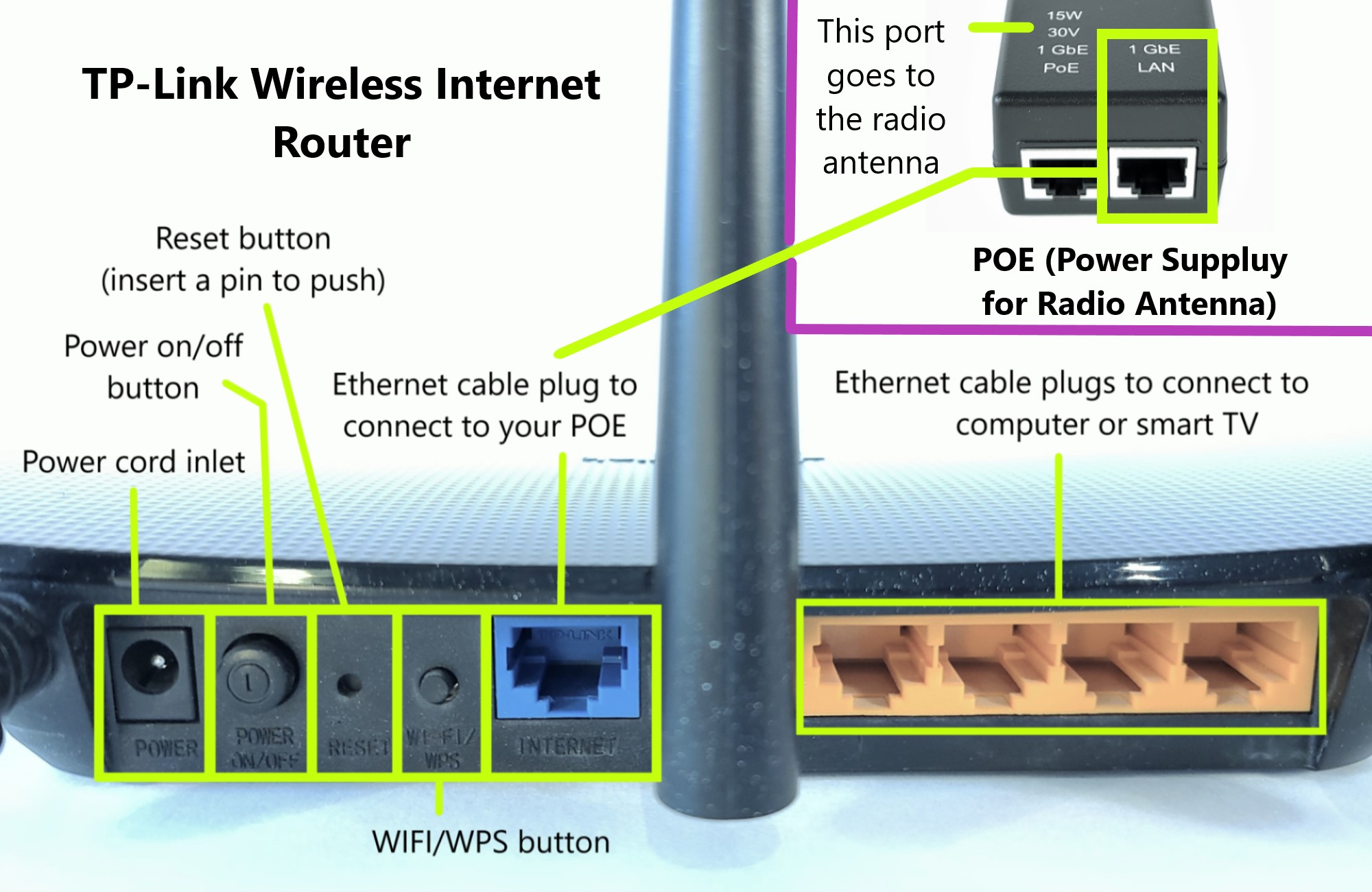
Before you start the setup process, make sure you have unboxed your router and physically connected it to your modem. The physical setup process typically involves:- Cable connection: Connect the router to your modem using an Ethernet cable.
- Power connection: Connect the power cord to the router and plug it into a power outlet.
- Device connection: Connect your devices to the router using Ethernet cables or wirelessly using your Wi-Fi network.
Step 2: Basic Configuration
Once you have physically connected your router, it's time to start the setup process. The basic configuration typically involves:- Router IP address: Set the IP address of your router to a static IP or use the default IP address provided by your router manufacturer.
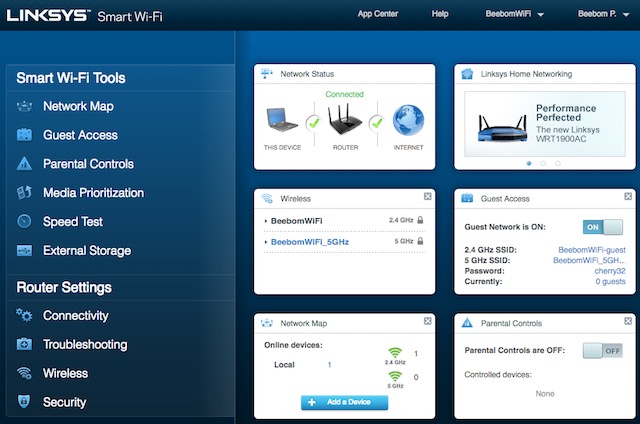
- SSID and password: Set a unique SSID (network name) and password for your Wi-Fi network.
- Admin password: Set a strong admin password to access the router's web interface.
Step 3: Advanced Configuration
After completing the basic configuration, you can proceed to the advanced configuration. The advanced configuration typically involves:- Quality of Service (QoS): Set priorities for different applications and devices on your network.
- Port forwarding: Configure port forwarding to allow external devices to access your network services.
- Dynamic DNS (DDNS): Set up DDNS to assign a static domain name to your dynamic IP address.
Step 4: Security Configuration
Security is a crucial aspect of router setup. The security configuration typically involves:- WPA2 encryption: Set WPA2 encryption to secure your Wi-Fi network.
- guest network: Create a separate guest network for guests to reduce the risk of unauthorized access.
- Firewall configuration: Configure the firewall to block unwanted incoming traffic.
Common Router Setup Issues
Despite the best efforts, router setup issues can still arise. Some common issues include:- Router not connecting to the internet: Check the physical connection, power cycle the router, and reset the router to its factory settings.
- Slow internet speeds: Check for interference, update the router's firmware, and optimize the router's settings.
- Router security issues: Regularly update the router's firmware, change the admin password, and enable WPA2 encryption.