Optimizing G Router Settings for Home Internet Speed
Having a stable and high-speed internet connection is crucial for both personal and professional use. Your router plays a key role in determining the speed and stability of your internet connection, making it essential to optimize its settings for optimal performance.
Understanding Router Settings
Most people never think about modifying their router's settings, but they are one of the quickest and simplest ways to optimize Wi-Fi performance. A good router can make a massive difference to your internet connection speed, but if your router performance has slowed down, how can you keep up in a world of online meetings and streaming platforms?
Optimizing G Router Settings for Home Internet Speed
Following and changing these router options can potentially improve your wireless network's performance and speed. Some of these options typically work better in different situations. We have included some basic summaries of these settings, and you can read more about why these settings work.
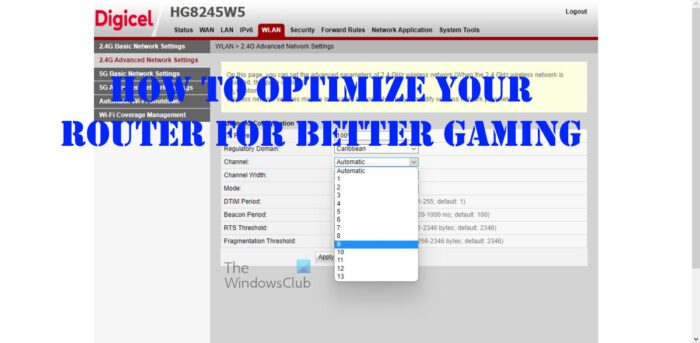
- Channel Selection: Changing the Wi-Fi channel on your router can help improve performance by reducing interference from other devices. Modern routers often have a feature to automatically select the best channel, but you can also manually select a channel that works best for your network.
- 5GHz Band Settings: The 5GHz band offers faster speeds than the 2.4GHz band, but its range is shorter. You can configure your router to use the 5GHz band for devices that are close to the router and use the 2.4GHz band for devices that are farther away.
- QoS Prioritization: Quality of Service (QoS) prioritizes internet traffic to ensure that critical applications get the quickest route through your network. You can set QoS to prioritize gaming data, video calls, or other applications over background downloads.
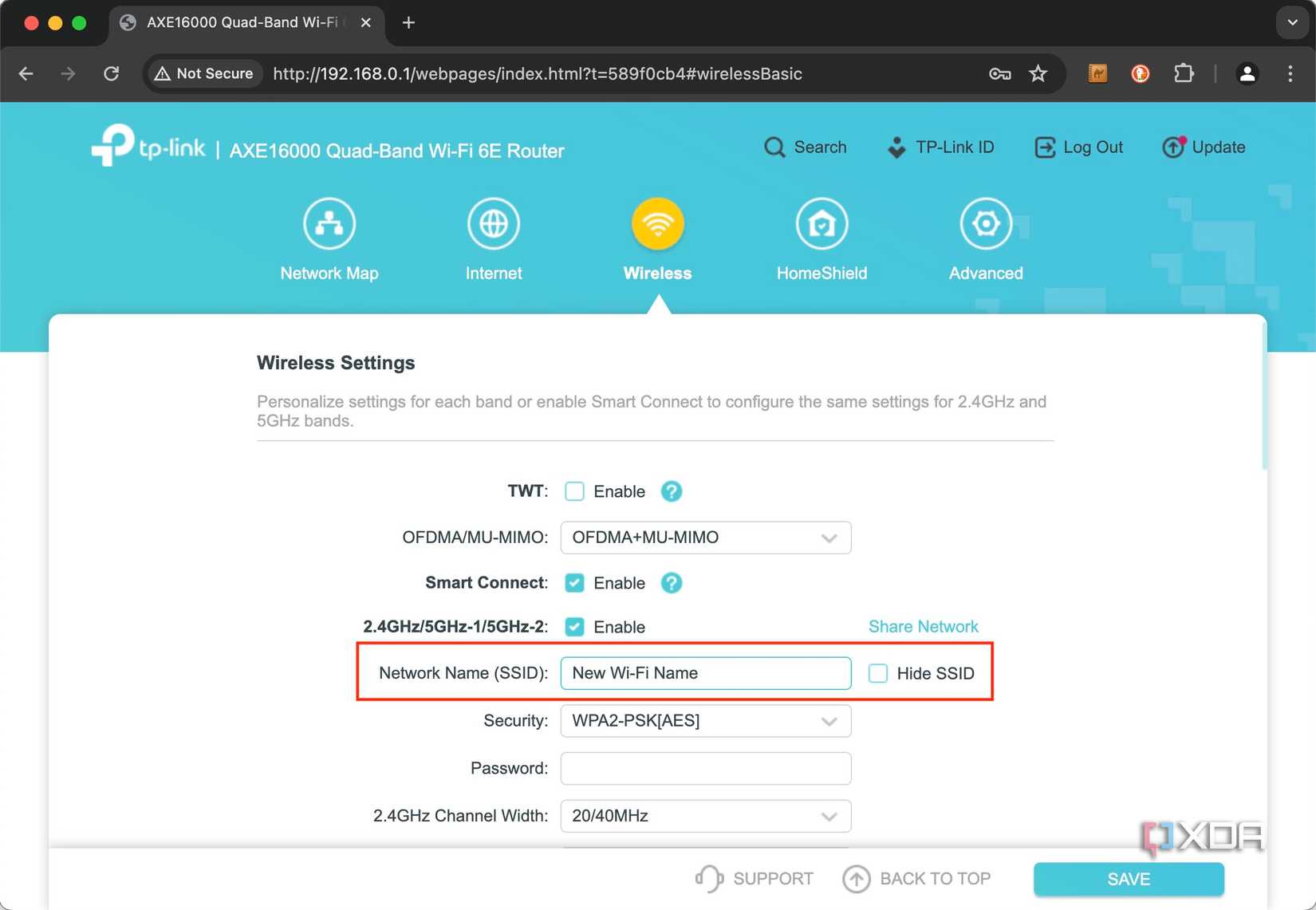
- MU-MIMO and OFDMA: Multi-User Multiple Input Multiple Output (MU-MIMO) and Orthogonal Frequency-Division Multiple Access (OFDMA) are advanced technologies that can improve wireless performance and range. You can enable these features on your router to get better device management and consistent connections.
Mesh Systems for Faster Home Internet
Mesh systems are a type of wireless router that uses multiple units to create a network of interconnected nodes. These systems can provide faster speeds and better coverage than traditional routers, especially in large homes or homes with multiple floors.
Router Placement and Interference
Poor router placement can drastically slow down your Wi-Fi. Metal surfaces and mirrors can interfere with the signal, so it's essential to place your router in a central location with clear line of sight to all devices. You can also use mesh systems or range extenders to improve coverage and reduce interference.
Conclusion
Optimizing your router settings can significantly improve your home internet speed and performance. By understanding and adjusting your router settings, you can get the most out of your internet plan and enjoy a stable and high-speed connection. Whether you're a gamer, streamer, or just want to stay connected, optimizing your router settings is essential to get the best possible performance from your home internet.
Additional Tips and Resources
- Check your internet plan for optimal speeds and adjust your router settings accordingly.
- Use a Wi-Fi analyzer app to determine the best channel for your network.
- Enable Quality of Service (QoS) to prioritize critical applications.
- Use mesh systems or range extenders to improve coverage and reduce interference.
- Keep your router's firmware up to date to ensure you have the latest security patches and features.
By following these tips and optimizing your router settings, you can enjoy a faster, more reliable, and more efficient home internet connection.