Unpacking the Connection Between GLP-1 and Sugar Addiction
The human body is a complex system, and the relationship between hormones, appetite, and addiction is no exception. Recently, there has been a surge of interest in the role of GLP-1 (Glucagon-like peptide-1) in addressing sugar addiction. In this article, we will delve into the world of GLP-1 and its potential in treating sugar addiction, as well as other compulsive behaviors.
What is GLP-1?
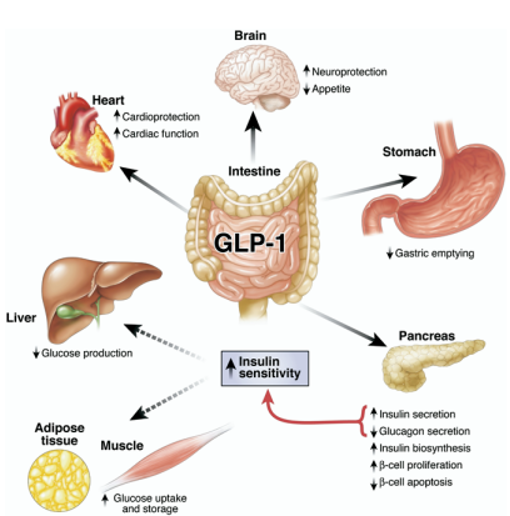
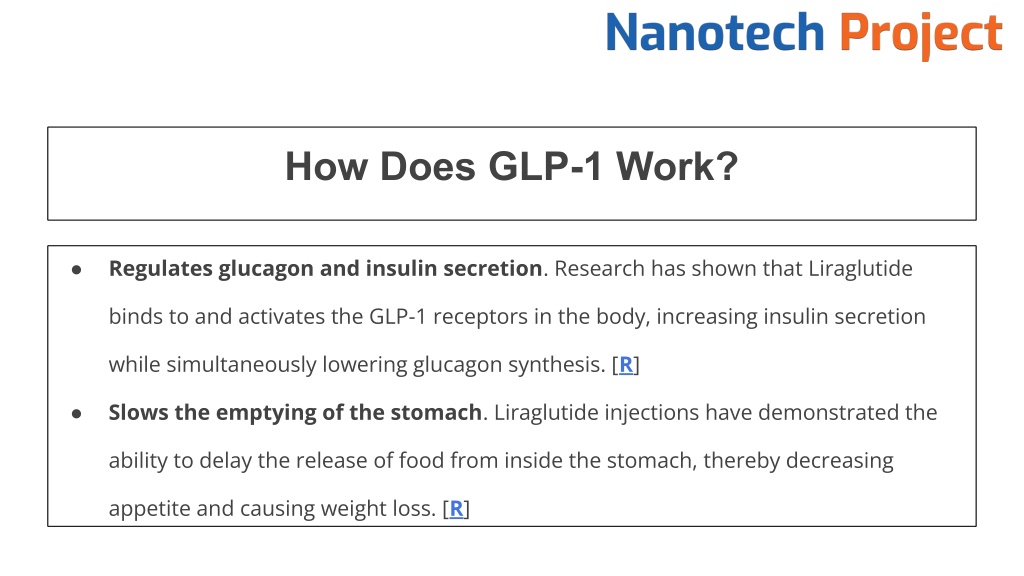
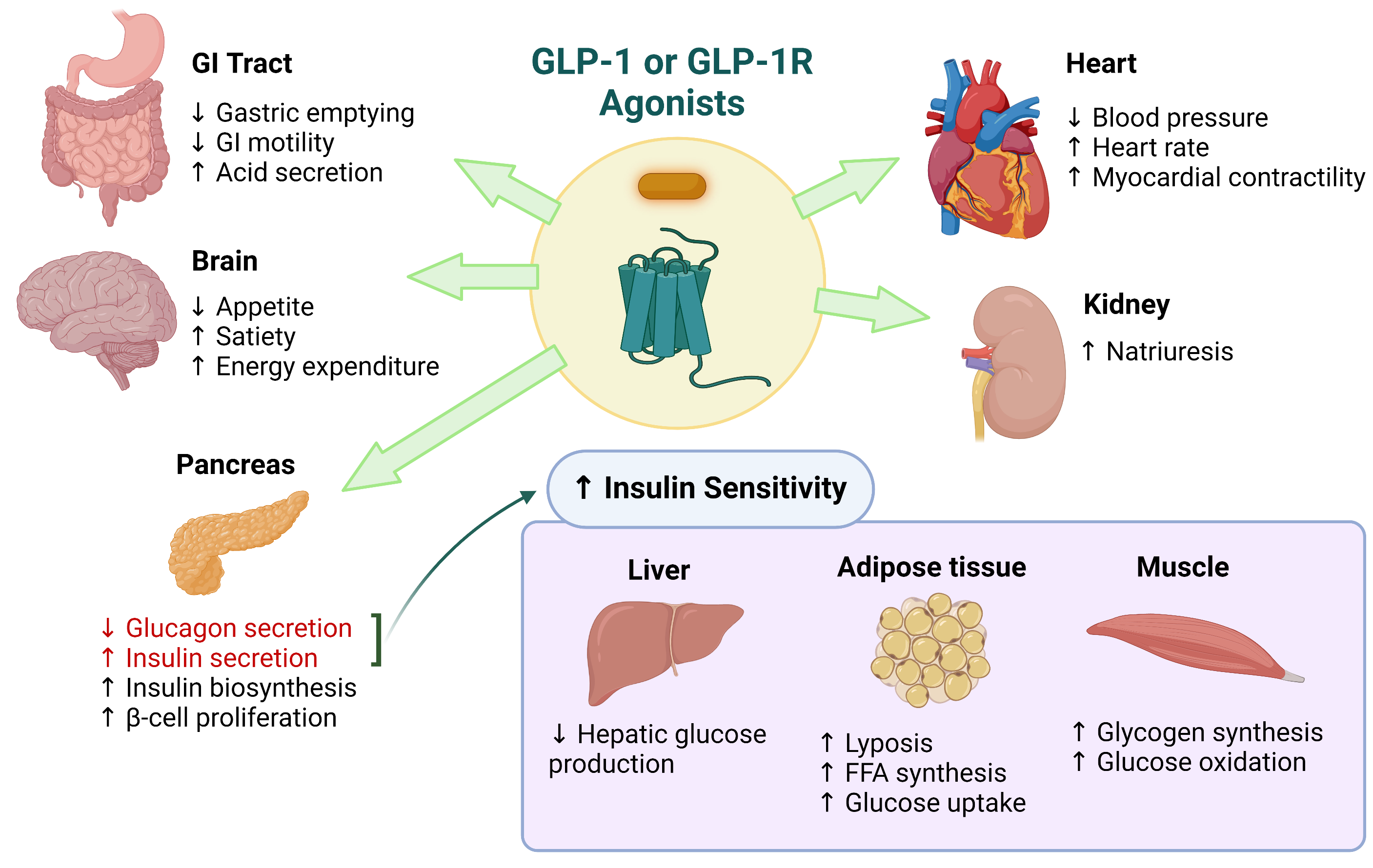
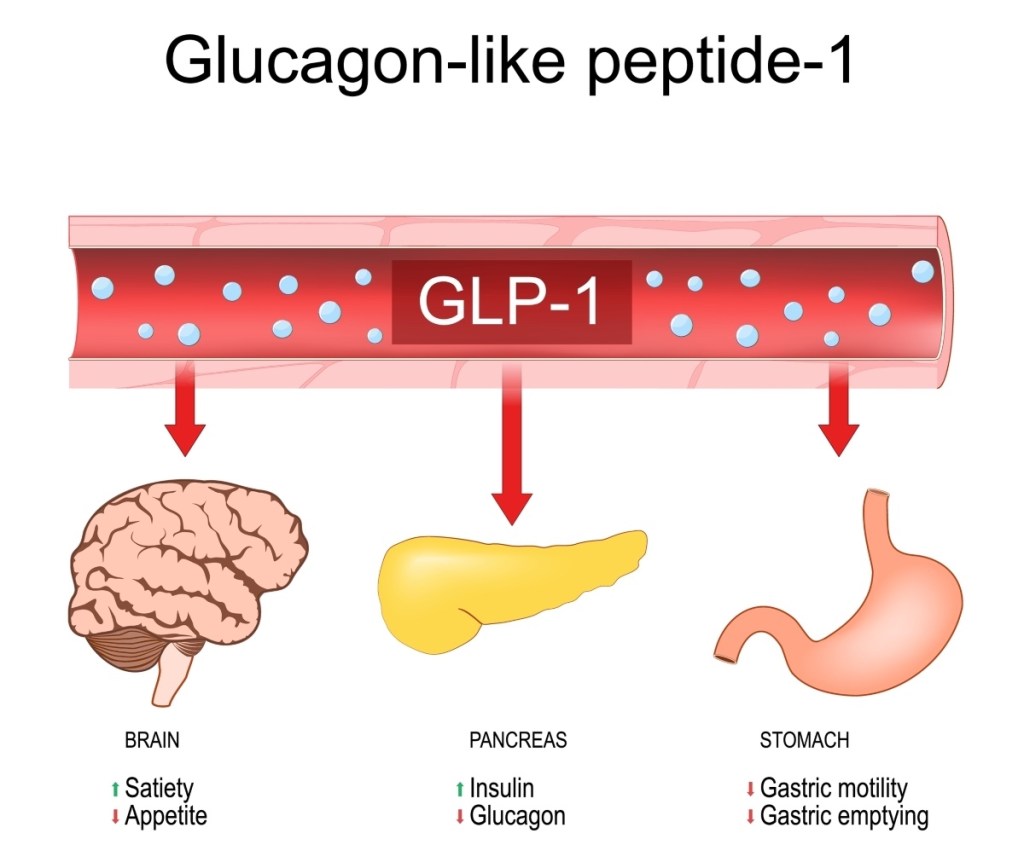
GLP-1 is a hormone naturally produced in the intestines that plays a crucial role in blood sugar regulation and appetite control. When you eat, GLP-1 is released to signal your pancreas to produce insulin, slow gastric emptying, and communicate satiety (feeling of fullness) after eating. This hormone helps regulate blood sugar levels and promotes feelings of fullness, making it a key player in weight management and diabetes treatment.
GLP-1 Receptor Agonists: A New Frontier in Addiction Treatment
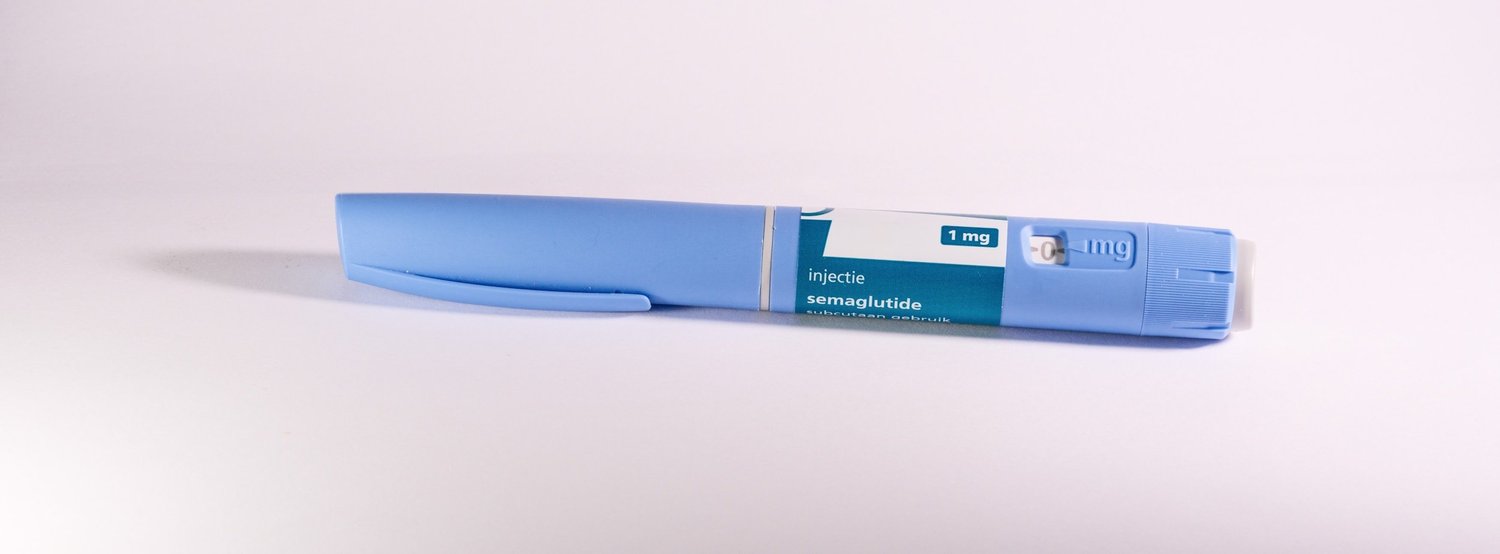
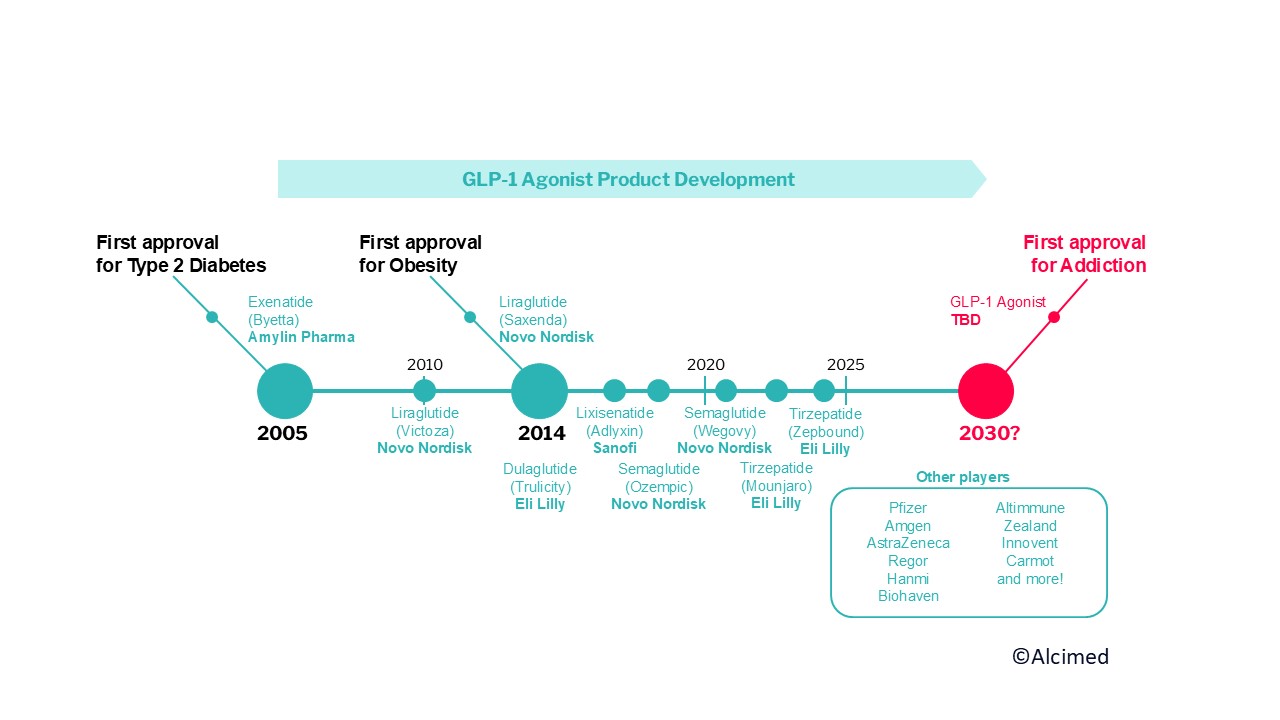
GLP-1 receptor agonists (GLP-1RAs) are medications that mimic the natural effects of GLP-1. These medications have been approved for treating Type 2 diabetes and obesity but have also garnered attention for their potential in addressing addiction. Research suggests that GLP-1RAs may have a significant impact on the brain's reward system, reducing cravings and improving impulse control.
The Science Behind GLP-1 and Sugar Addiction
- GLP-1 slows gastric emptying, which can reduce the absorption of sugar and other substances.
- GLP-1 promotes feelings of fullness, reducing the likelihood of overeating and sugar cravings.
- GLP-1RAs have been shown to reduce the release of dopamine, a neurotransmitter associated with reward and pleasure, in response to addictive substances.
- GLP-1RAs may also promote the release of GABA, a neurotransmitter that helps regulate calmness and reduce anxiety.
GLP-1 and Sugar Addiction: The Emerging Research

Studies have shown that people taking GLP-1 medications for diabetes are less likely to be diagnosed with substance use disorder. A large study found that GLP-1RAs were associated with a 14% overall reduced risk of new substance use disorders and a lower risk of harm for those with existing use disorders. These findings suggest that GLP-1RAs may have a broader application in addiction treatment beyond diabetes management.
The Future of GLP-1 in Addiction Treatment
The potential of GLP-1RAs in treating sugar addiction and other compulsive behaviors is an exciting area of research. While more studies are needed to fully understand the relationship between GLP-1 and addiction, the existing evidence suggests that these medications may be a valuable tool in addressing sugar addiction and related mental health challenges.
Conclusion
GLP-1 and sugar addiction are complex issues that require a comprehensive understanding of the underlying mechanisms. The emerging research on GLP-1RAs suggests that these medications may hold significant promise in addressing sugar addiction and other compulsive behaviors. As research continues to unfold, it is essential to remain open-minded and consider the potential benefits of GLP-1RAs in addiction treatment.
References
Acknowledgments to the following sources for their contributions to this article: * Stanford Medicine psychiatrist Anna Lembke * Large study on GLP-1RAs and substance use disorder * Mayo Clinic experts discussing GLP-1 weight loss and diabetes drugs * Psychiatric Times commentary on GLP-1 and addiction research * Science Media Centre commentary on GLP-1 and addiction * Everyday Health article on GLP-1 and addiction * Cardiff man's 12,000-step routine helps beat addiction and boost health * Learn everything about pure GLP-1 receptor agonists like semaglutide and liraglutide.