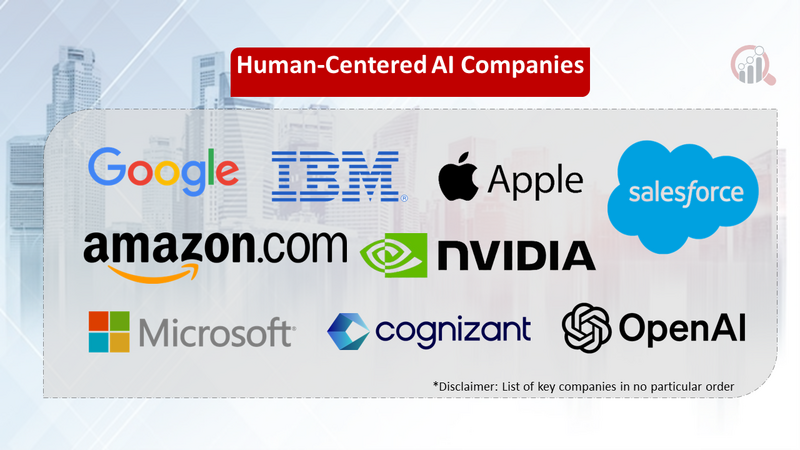
Reimagining AI: The Power of Human-Centered AI Development
As artificial intelligence (AI) transforms the world around us, researchers, organizations, and policymakers are re-examining the way we approach AI development. A growing consensus is emerging that AI should be designed to augment human capabilities, rather than replace them. This shift towards a human-centered approach to AI is having a profound impact on the way we think about AI systems, their applications, and their impact on society.
The Human-Centered AI Revolution
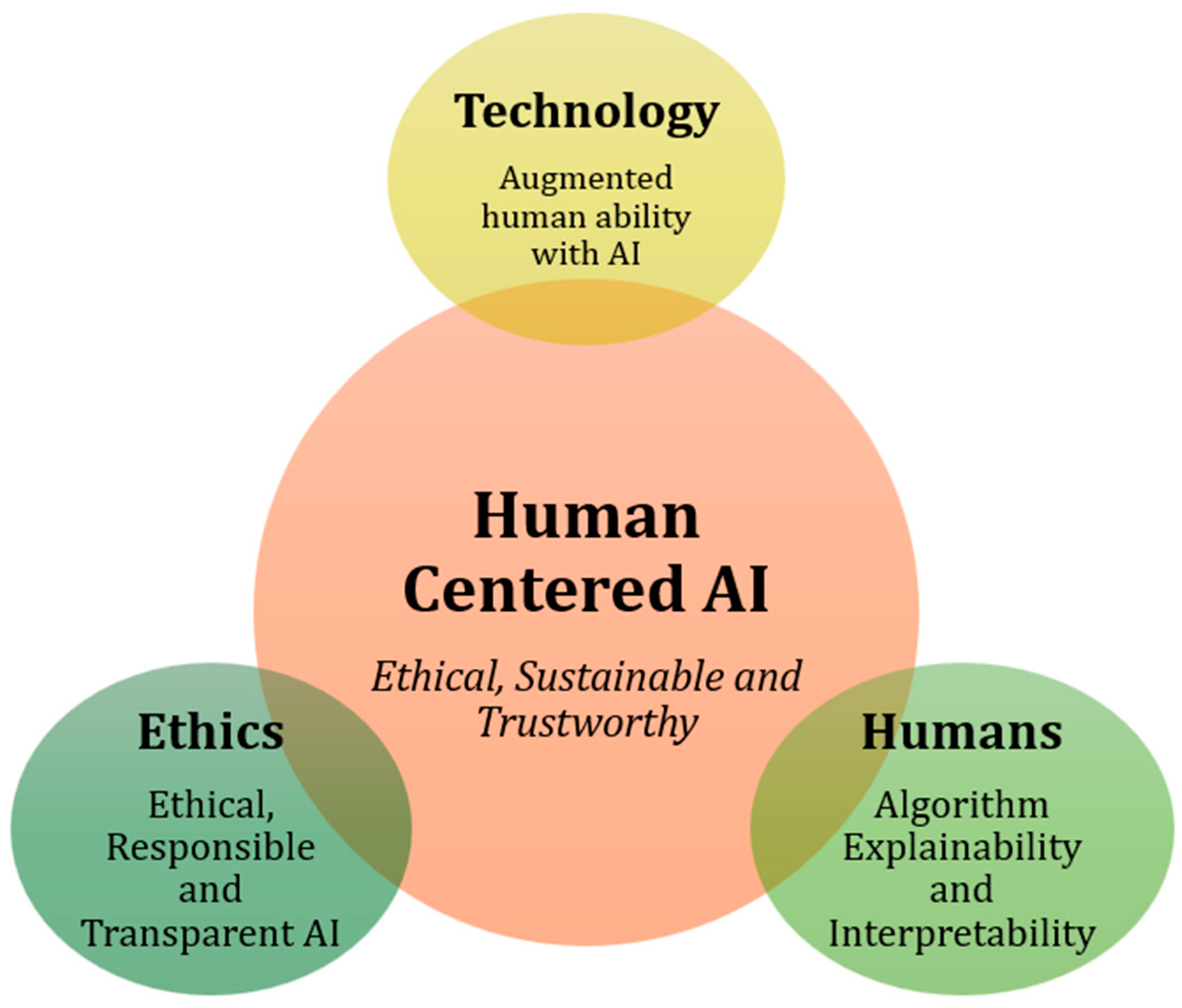
Human-centered AI, also known as HCAI, is a field of research that focuses on designing AI systems that prioritize human needs, values, and capabilities. By taking a more collaborative and human-focused approach, HCAI aims to build AI systems that work in tandem with humans, rather than replacing them. This approach has the potential to unlock new levels of innovation, productivity, and value creation, while also mitigating the risks associated with AI.
Key Principles of Human-Centered AI Development
- Collaboration over Competence: Human-centered AI emphasizes the importance of collaboration between humans and AI systems, rather than relying solely on AI's abilities to solve complex problems.
- Value Alignment: HCAI seeks to align AI systems with human values such as fairness, transparency, and accountability, ensuring that AI applications are beneficial to society as a whole.
- Human-Centered Design: This approach applies design thinking principles to AI development, involving humans in the design and testing of AI systems to ensure they meet human needs and expectations.
- Transparency and Explainability: HCAI prioritizes transparency and explainability in AI decision-making, enabling humans to understand how AI systems arrive at their conclusions and making it easier to debug and correct errors.
Applications and Benefits of Human-Centered AI
The benefits of human-centered AI are diverse and far-reaching, with potential applications across various domains, including:
Healthcare: AI-powered systems that augment human healthcare professionals, improving patient care, diagnosis, and treatment outcomes.
Education: AI-driven platforms that adapt to individual learning needs, improving educational outcomes and accessibility.
Urban Planning: AI-facilitated urban planning tools that prioritize human-centered design, promoting more livable, sustainable, and equitable cities.
Agriculture: AI-powered precision agriculture that leverages human-centered design to optimize crop yields, minimize waste, and promote environmental sustainability.
Challenges and Opportunities in Human-Centered AI Development
While human-centered AI offers tremendous opportunities for innovation and value creation, there are also challenges to be addressed, including:
Regulatory Frameworks: Establishing regulatory frameworks that support HCAI development, ensuring AI systems are designed and deployed in ways that prioritize human needs and values.
Workforce Development: Preparing the workforce to work alongside AI systems, developing skills and competencies that enable humans to contribute to AI development and deployment.
Public Awareness and Engagement: Educating the public about the benefits and risks of AI, and encouraging public participation in AI development and deployment.
Conclusion
Human-centered AI development is a transformative approach to AI that prioritizes human needs, values, and capabilities. By applying the principles of collaboration, value alignment, human-centered design, and transparency, we can unlock AI's potential to drive innovation, productivity, and value creation, while mitigating its risks. As we continue to innovate and deploy AI systems, it is essential to prioritize human-centered AI development, ensuring that AI applications benefit society as a whole.