Creating a Brand Promise: Unlock the Secret to Customer Trust and Loyalty
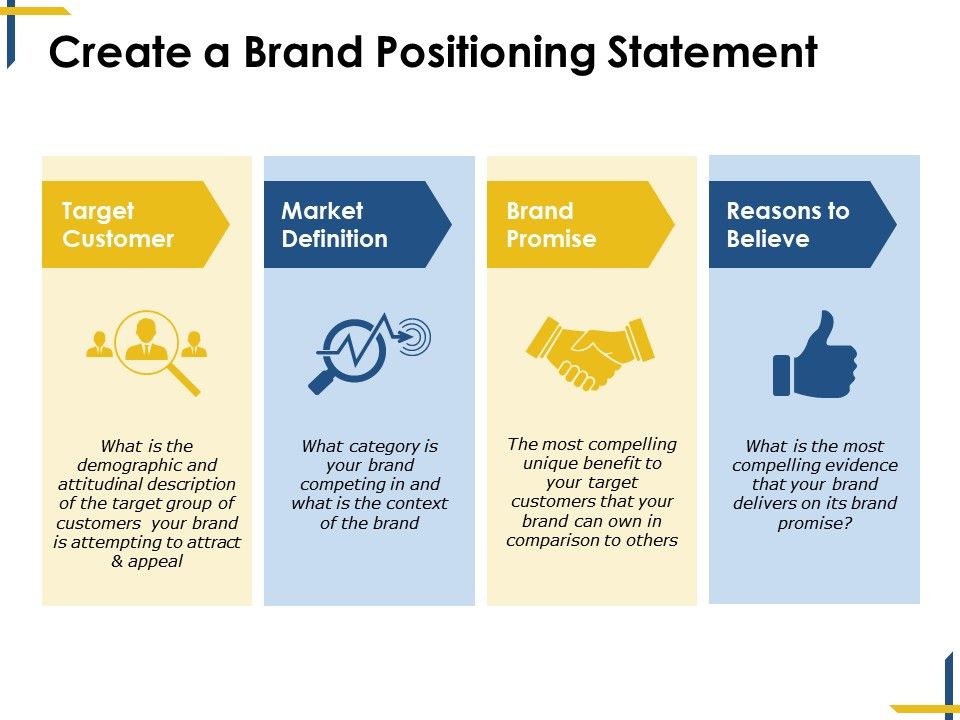
Every business aims to create a positive impact on their customers, but what exactly does that entail? It starts with creating a brand promise—a statement that distills the essence of what your company does and delivers for its customers. In this comprehensive guide, we'll delve into the definition, importance, and best practices for creating a brand promise, as well as explore real-life examples and a free template to get you started.
What is a Brand Promise?
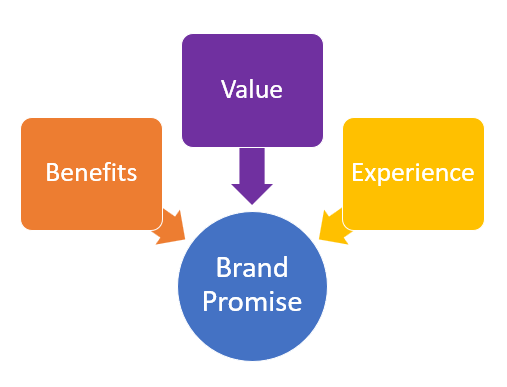
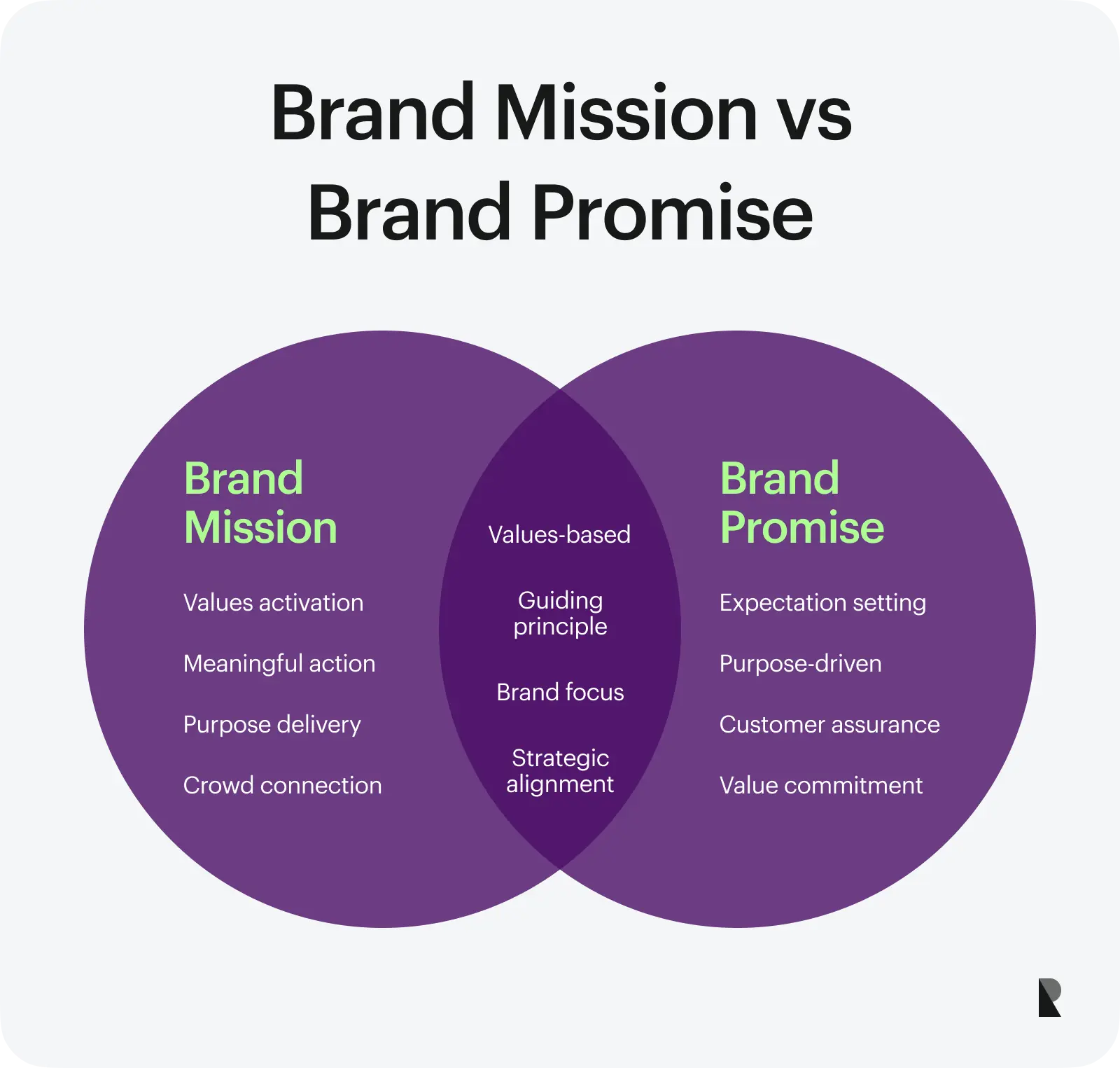
A brand promise is a compact between a business and its customers, assuring consistent value and experience. It's what sets a brand apart, and fulfilling it is crucial for credibility. Put simply, it's the emotional connection that customers feel with a brand, founded on trust, reliability, and consistency. Think of it as an operational contract, rather than a marketing slogan.
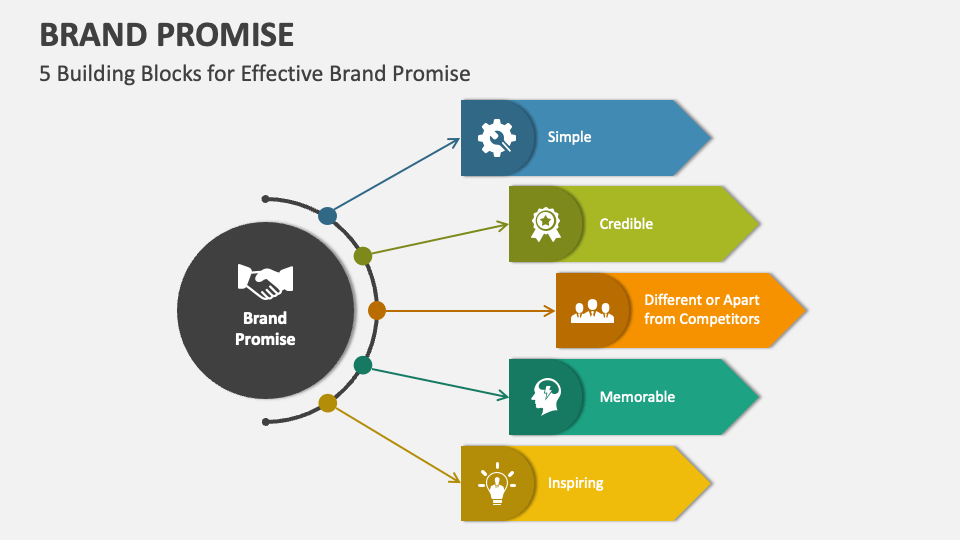
What is a Brand PromiseA brand promise should be defined and communicated clearly, covering the core benefits and experiences that customers can expect from interacting with the brand. This could include promises about quality, value, customer service, innovation, or something specific to your niche or industry. When defined and delivered upon, a brand promise builds trust, fosters loyalty, and ultimately drives business growth. By establishing a strong brand promise, businesses can differentiate themselves and connect with customers on a deeper level.
The Importance of a Brand Promise
A strong brand promise is more than just a slogan or a tagline. It embodies the unique experiences and values that customers can rely on, and forms the foundation of a business's marketing and positioning strategies. Brands that have a clear brand promise are able to establish trust, differentiate themselves from competitors, and ultimately deliver a better customer experience.
Consider these examples of iconic brand promises:
- Zappos: A customer service-oriented brand promise focused on ensuring every customer feels in charge and at ease with their shopping experience.
- Nike: A promise of self-discovery and success, inspiring customers to run, push their limits, and celebrate their achievements.
5 Steps to Create a Brand Promise
We know that the process of creating a brand promise can seem daunting. That's why we've distilled the steps into these 5 actionable points for you to build a powerful brand promise for your business.
Step 1: Discover Your Why
Engage with customers and stakeholders to uncover your brand's mission, vision, and values. What gets them excited about working with you? What will they remember after interacting with your brand?
Step 2: Identify Your Value Proposition
Based on your "Why", distill your unique value proposition—what sets your brand apart and delivers benefits to customers.
Step 3: Craft Your Brand Promise Statement
Emphasize how your brand promise benefits the customer. Develop a clear and concise statement that reflects your key brand promise (2-3 sentences should suffice).Step 4: Define Key Message Tracks
Determine the essential attributes of your brand promise. These message tracks hold key words that drive messaging consistency and demonstrate your brand's values, goals, and unique personality. Next to each keyword, identify a primary thought or message intent to define messaging in any given situation. This comprehensive framework builds your messaging structure for specific scenarios and optimizes storytelling within all of your communications, communications vehicles, programs, or platforms.
Step 5: Integrate Across Stakeholder Groups and Experiences
To amplify the value of your brand promise, embrace alignment across critical groups: internal stakeholders and employees, content and customer engagement, leadership, sales and, obviously, current and future customers. Craft messaging for customers at all points of engagement and provide feedback prompts across these elements for clarity and buy-in.
![3 Easy Steps to Build Your Brand Promise [+ Examples]](https://i.pinimg.com/originals/0c/70/5f/0c705f46ac7369a06430d724004df322.png "3 Easy Steps to Build Your Brand Promise [+ Examples]")


![3 Easy Steps to Build Your Brand Promise [+ Examples]](https://c8.alamy.com/comp/2WM0BG8/brand-promise-concept-a-joyful-consumer-engages-with-symbols-of-love-and-quality-embodying-trust-in-a-brand-hands-holding-hearts-and-stars-signify-customer-appreciation-flat-vector-illustration-2WM0BG8.jpg "3 Easy Steps to Build Your Brand Promise [+ Examples]")