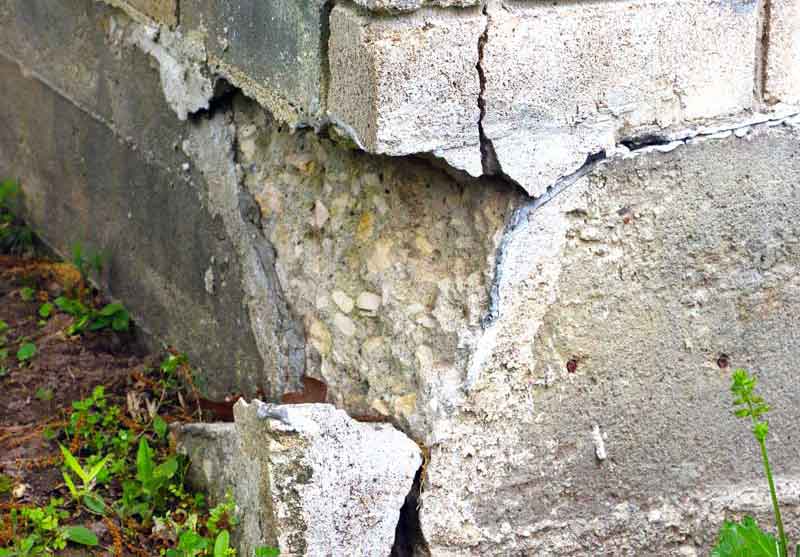
How to Repair Foundation Cracks: A Comprehensive Guide
Foundation cracks are a common occurrence in homes, especially in areas with unstable soil or extreme weather conditions. While some cracks may seem innocuous, they can eventually lead to costly structural damage and safety hazards. In this article, we'll explore the causes, types, and implications of foundation cracks, and provide a step-by-step guide on how to repair them.
Understanding Foundation Cracks
- Causes of Foundation Cracks: Soil settlement, shrinkage, water infiltration, and structural movement can all contribute to foundation cracks.
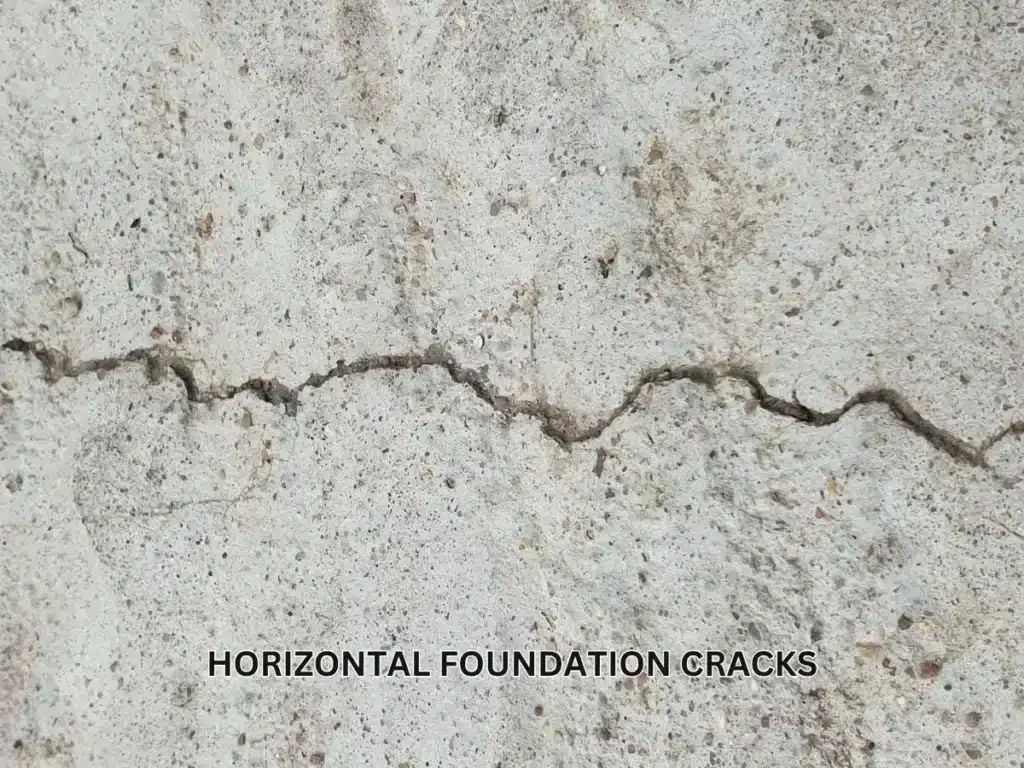
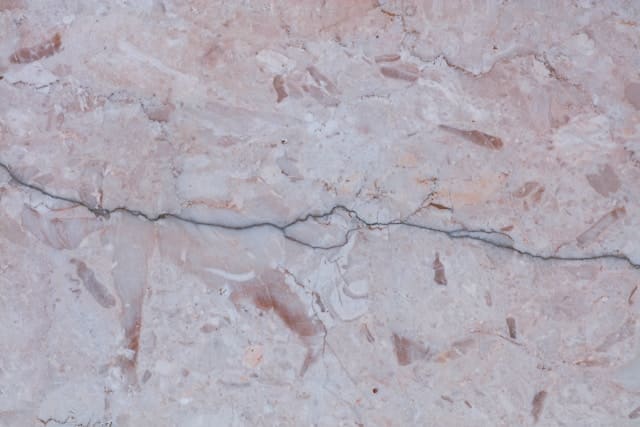
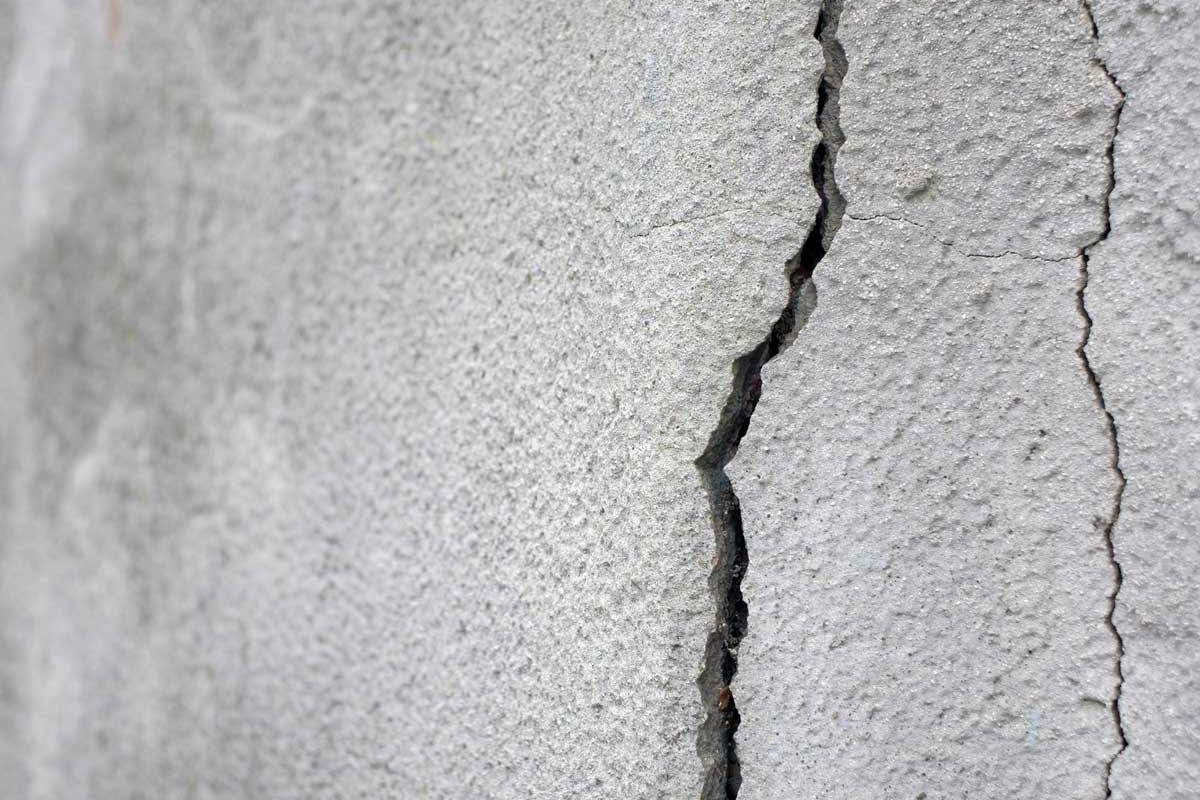
- Types of Foundation Cracks: Hairline cracks, diagonal cracks, horizontal cracks, and stair-step cracks are among the most common types of foundation cracks.
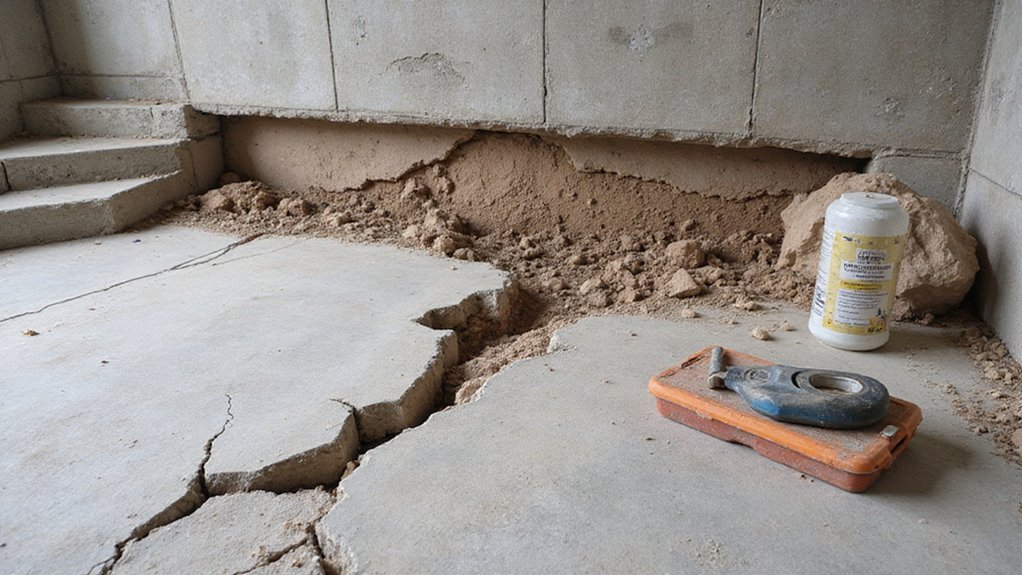
- Implications of Foundation Cracks: Ignoring foundation cracks can lead to water damage, structural instability, and even collapse.
Identifying the Severity of Foundation Cracks
Before attempting to repair foundation cracks, it's essential to determine their severity. Large cracks, diagonal cracks, or stair-step cracks may indicate more significant structural issues and require professional attention. On the other hand, hairline cracks or small cracks can often be addressed with DIY fixes.
How to Repair Foundation Cracks
DIY Methods
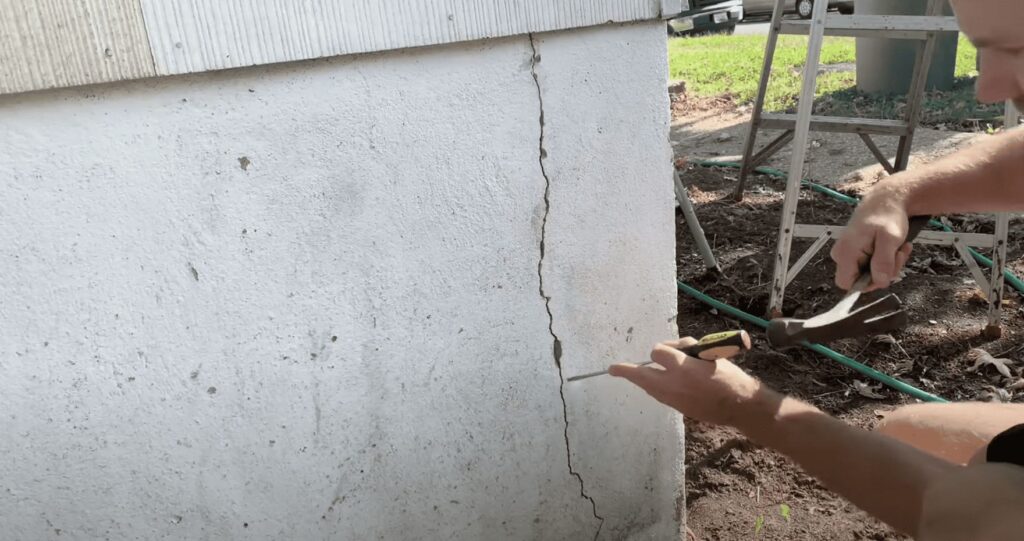
- Urethane Caulk Repair: A simple and cost-effective solution for small hairline cracks. Apply urethane caulk to the crack and let it dry.
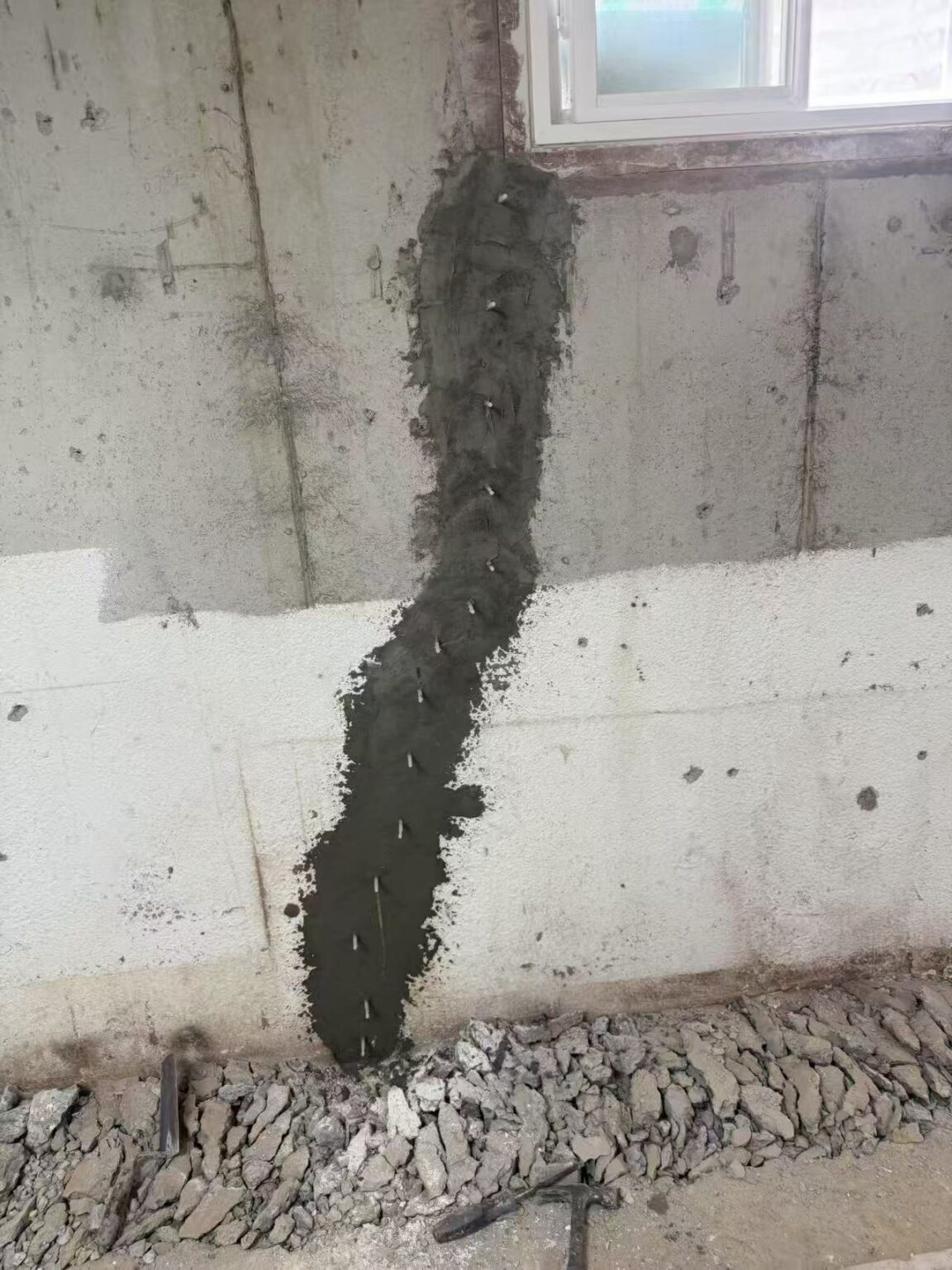
- Epoxy Injection: For larger cracks, use epoxy injection to fill the gap. This method is more effective than caulk but requires special equipment.
- Polyurethane Foam Injection: A high-strength foam can be injected into cracks to stabilize the foundation and prevent further movement.

Professional Methods
- Structural Reinforcement: In some cases, structural reinforcement may be necessary to restore the foundation's integrity.
- Crack Injection: A more extensive method for stabilizing foundation cracks using epoxies, polyurethane foams, or other materials.
- Foundation Replacement: In extreme cases, the entire foundation may need to be replaced, which can be a costly and comprehensive process.
Prevention and Maintenance
- Regularly inspect your foundation for cracks or signs of settlement.
- Keep your home's gutters and downspouts clear to prevent water accumulation around your foundation.
- Monitor moisture levels in your home's crawlspace or basement to prevent water damage.
Conclusion
Foundation cracks can be a serious issue for homeowners, but ignoring them can lead to costly repairs and safety hazards. By understanding the causes, types, and implications of foundation cracks, you can address them early and prevent more extensive damage. In this article, we've outlined the necessary steps to repair foundation cracks, including DIY and professional methods. Remember to always prioritize prevention and maintenance to ensure your home remains safe and stable for years to come.
Still have questions about repairing foundation cracks?
Call a professional foundation repair expert for a consultation or estimate. Proper assessment and repair will help avoid long-term consequences and maintain your home's integrity.