Home Energy Storage System Prices: A Comprehensive Guide for U.S. Homeowners
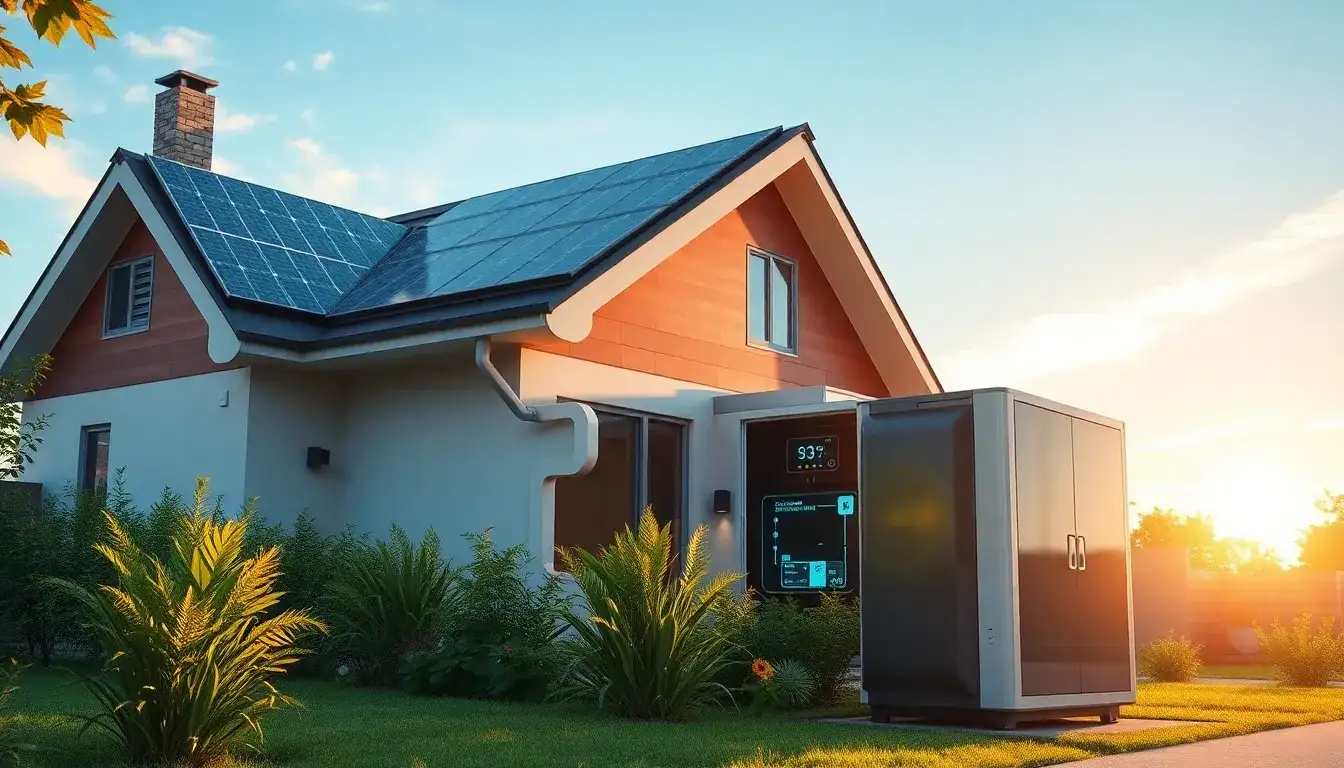
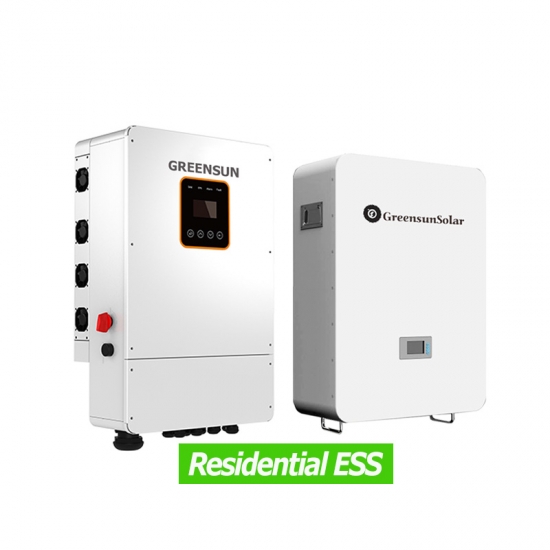
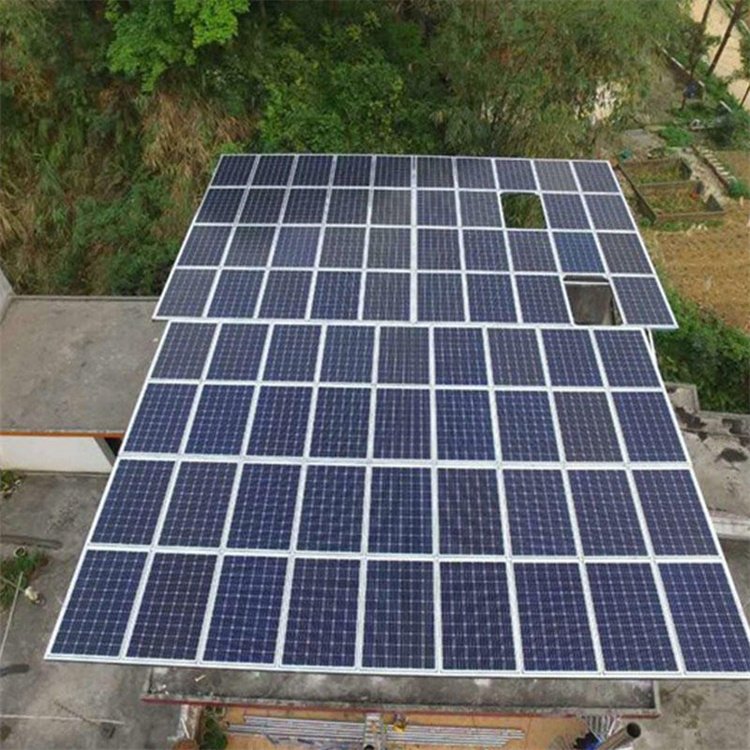
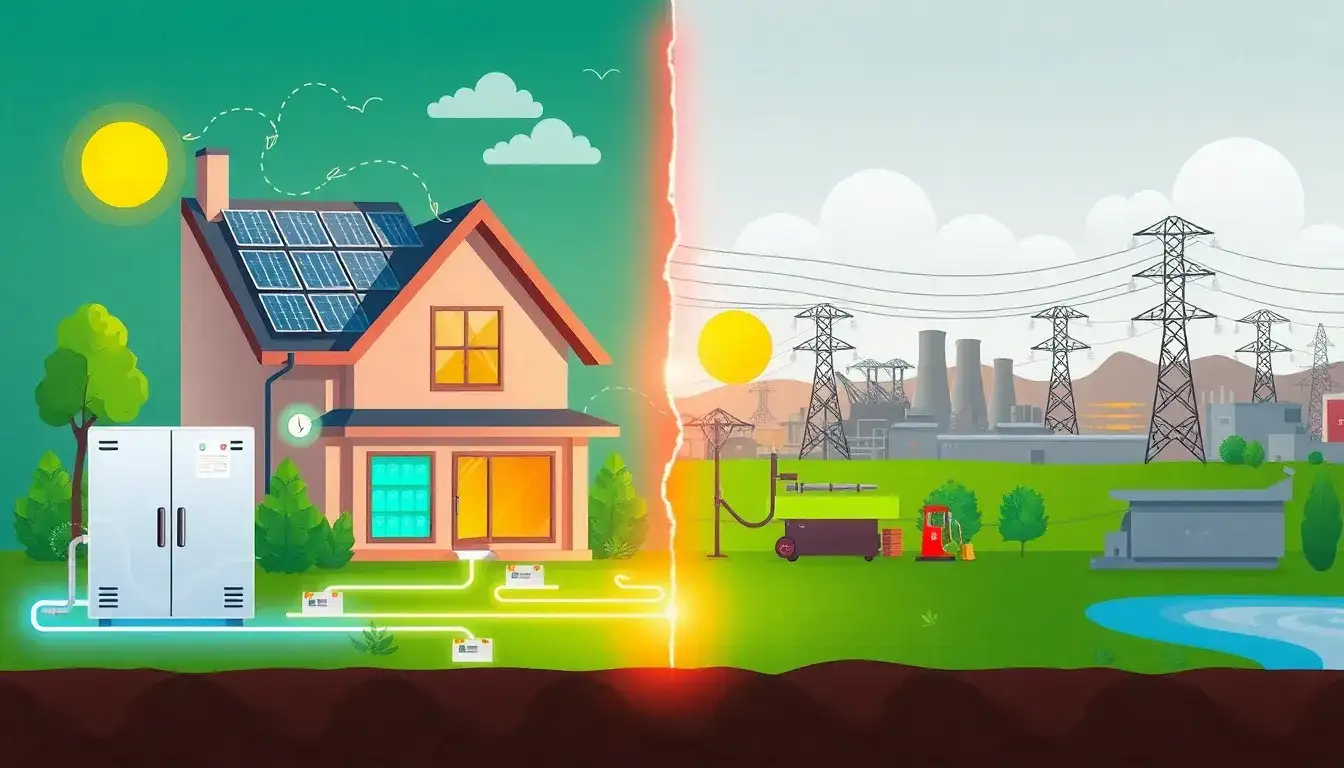
As the world transitions to renewable energy sources, homeowners are increasingly looking to store excess energy generated by their solar panels or during off-peak hours. A home energy storage system (HES) provides the perfect solution by capturing and storing energy for later use, reducing reliance on the grid, and lowering electricity costs. In this article, we'll break down the cost of home energy storage systems, including factors affecting prices, installation costs, and value for U.S. homeowners pursuing backup power or energy independence.
Understanding Home Energy Storage System Prices
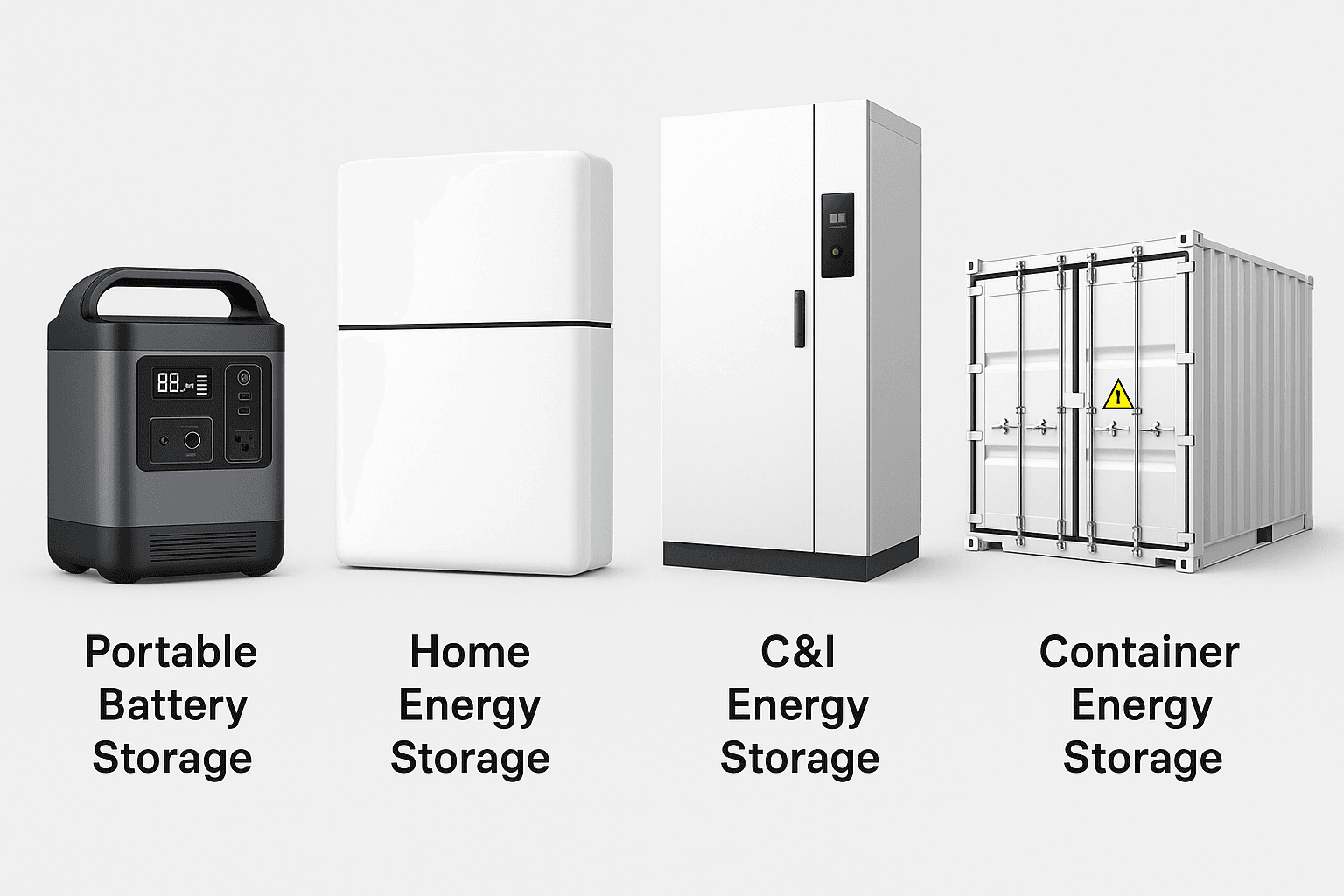
Home energy storage system prices vary widely depending on several factors, including system size, components, and popular models. The cost of a HES can range from a few hundred dollars for smaller batteries to several thousands of dollars for larger systems. In this guide, we'll delve into the pricing factors, installation costs, and value of home energy storage systems for U.S. homeowners.
- Larger systems with higher capacities typically cost more than smaller ones.
- Components: The type and quality of components, such as batteries and inverters, affect the system's price.
- Popular Models: Certain brands and models, such as Tesla and BYD, may command higher prices due to their reputation and technology.
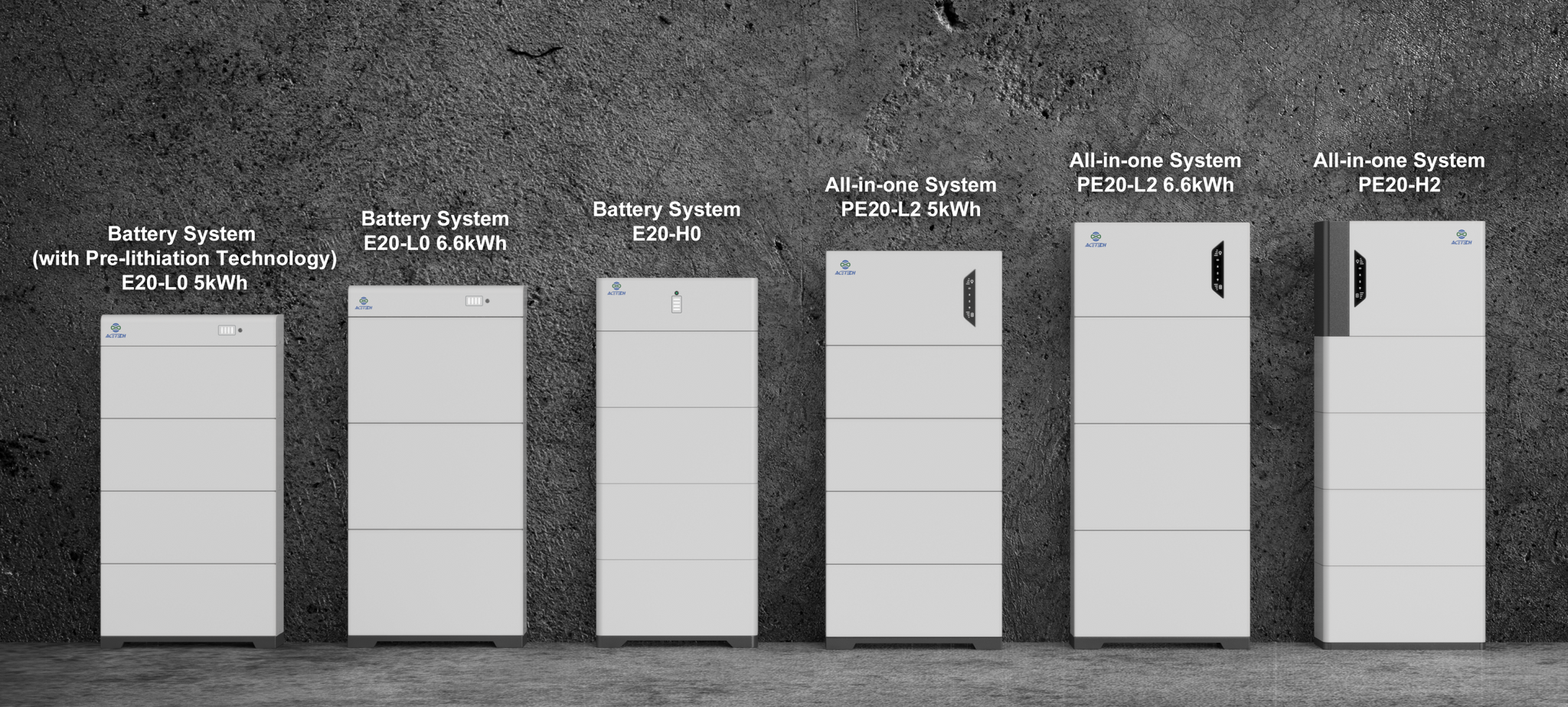
The cost of a home energy storage system varies greatly depending on its size, which ranges from a few kilowatt-hours (kWh) to several dozen kWh. Here's a rough breakdown of prices by system size:
- Small Systems (2-4 kWh): $2,000 - $5,000
- Medium Systems (6-10 kWh): $4,000 - $10,000
- Large Systems (12-20 kWh): $8,000 - $18,000
- Very Large Systems (20-50 kWh): $15,000 - $30,000

Several factors contribute to the varying costs of home energy storage systems. These include:
- Installation Complexity: More complex installations, such as those requiring specialized labor or custom wiring, increase the overall cost.
- Local Permitting: Varied permitting requirements and fees across different regions can affect the final cost of the system.
- Inverter Options: Different inverter types, such as string or microinverters, impact the system's price.
- Brand and Model: Certain brands, like Tesla and BYD, may charge higher prices due to their reputation and technology.
While home energy storage systems come with a significant upfront cost, they offer several benefits that justify the investment. Some of these advantages include:
- Backup Power:during outages or grid failures, a HES provides a reliable source of power.
- Reduced Energy Costs: by storing excess energy generated by solar panels or during off-peak hours, homeowners can lower their electricity bills.
- Increased Energy Independence: by reducing reliance on the grid, homeowners can disconnect from grid reliance and achieve energy independence.
- Incentives and Rebates: governments and utility companies often offer incentives and rebates for homeowners who install HES, which can help offset the upfront cost.
A home energy storage system provides homeowners with a reliable and efficient way to capture and store excess energy for later use. While prices vary depending on system size, components, and popular models, the benefits of HES, including backup power, reduced energy costs, and increased energy independence, make it a worthwhile investment for U.S. homeowners pursuing energy independence. By understanding the factors affecting HES prices and evaluating the value proposition, homeowners can make an informed decision when selecting the right system for their needs.