Home Energy Audit and Assessment: A Comprehensive Guide to Energy Efficiency
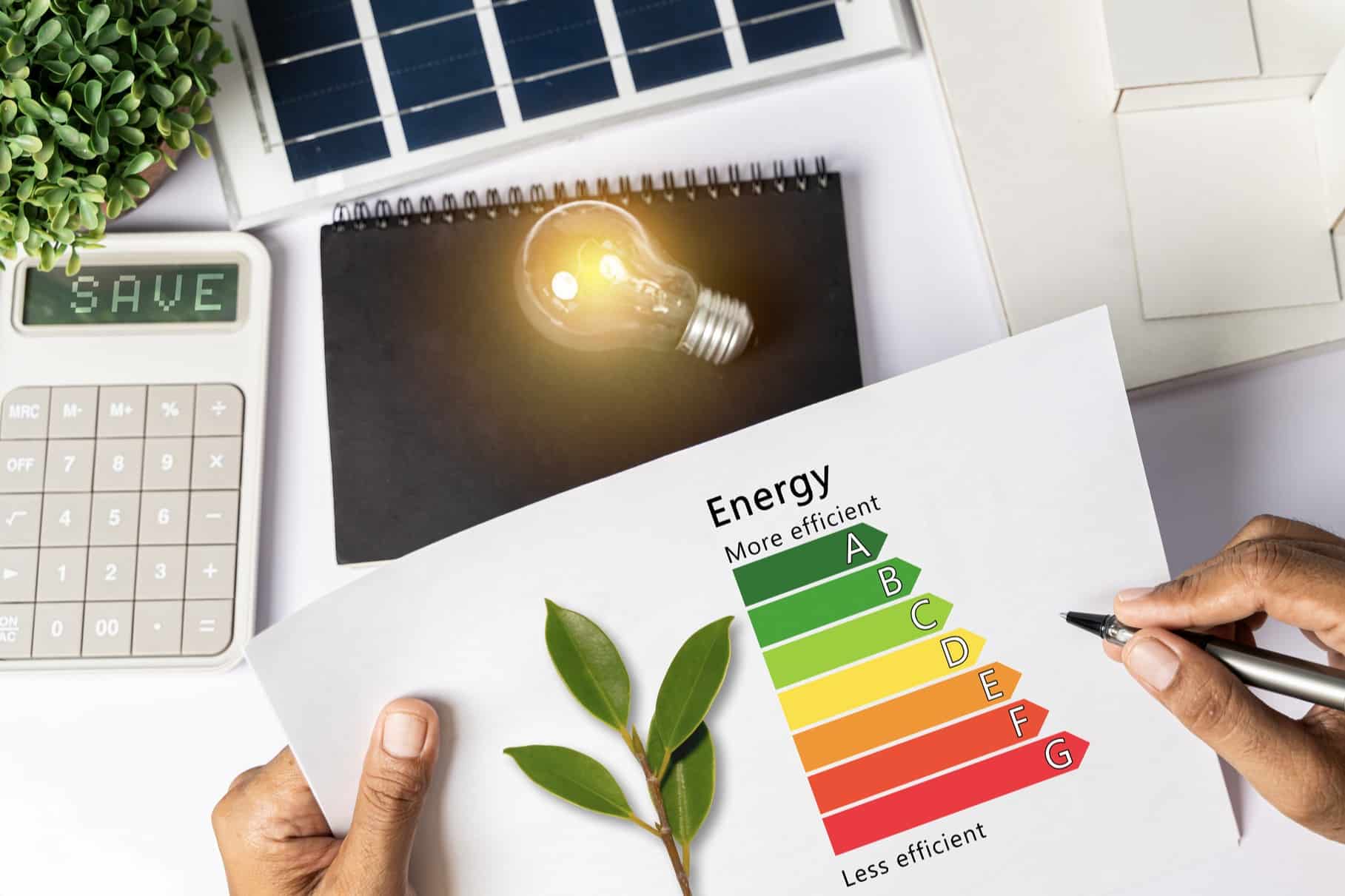
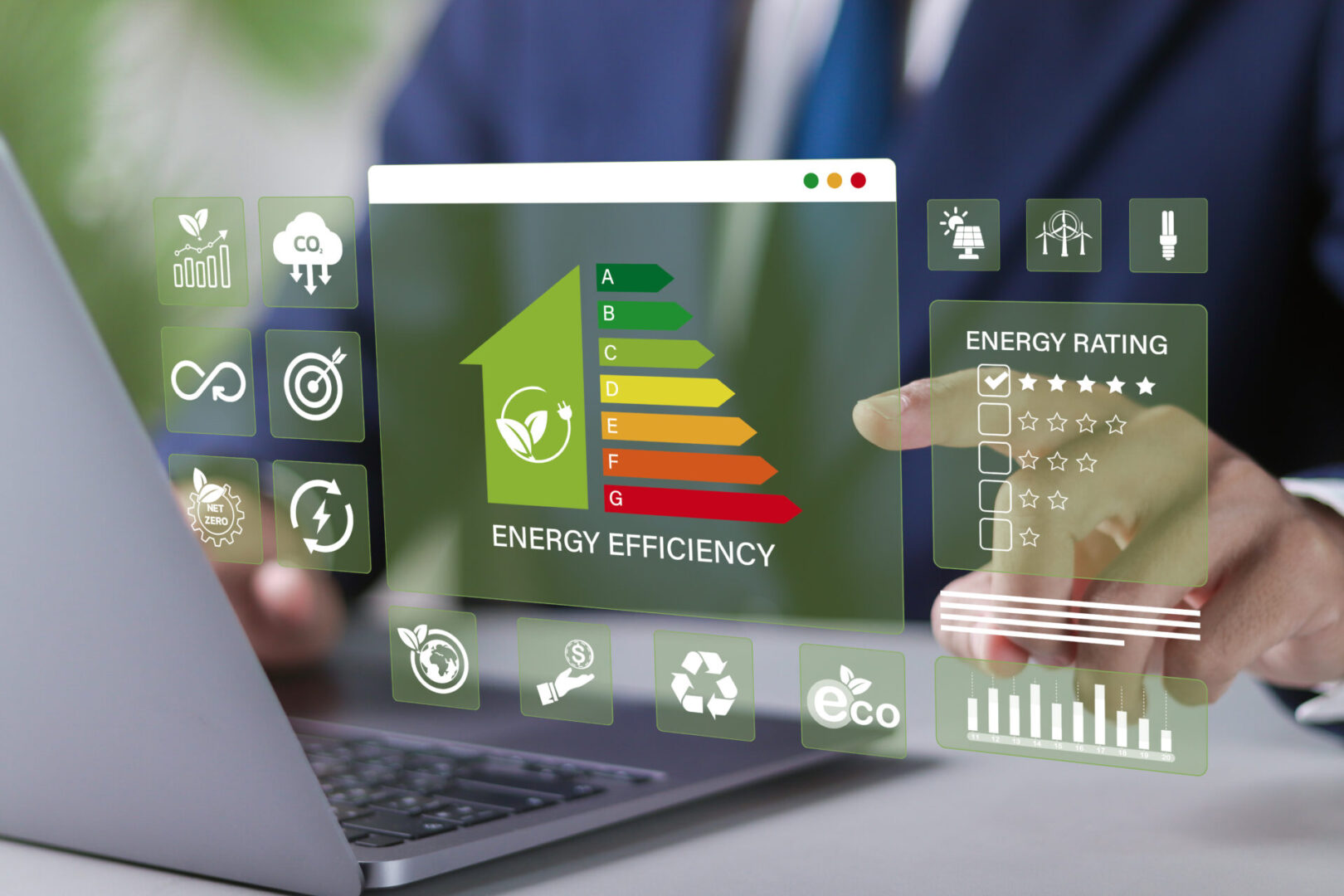
A home energy audit, also known as a home energy assessment, is a critical step in understanding your home's energy use and identifying opportunities for energy efficiency. In this article, we will delve into the world of home energy audits and assessments, exploring what they entail, their benefits, and how to get started.
What is a Home Energy Audit and Assessment?
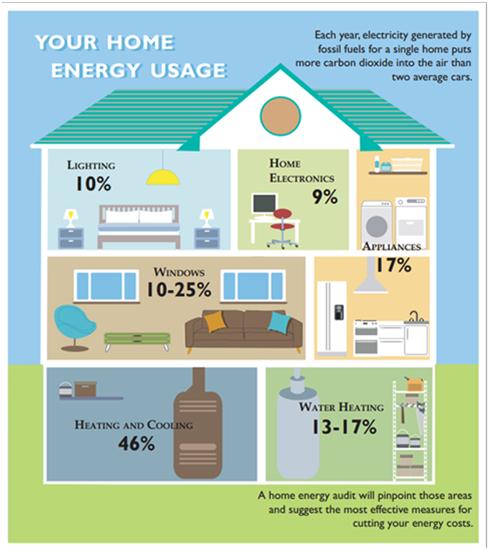
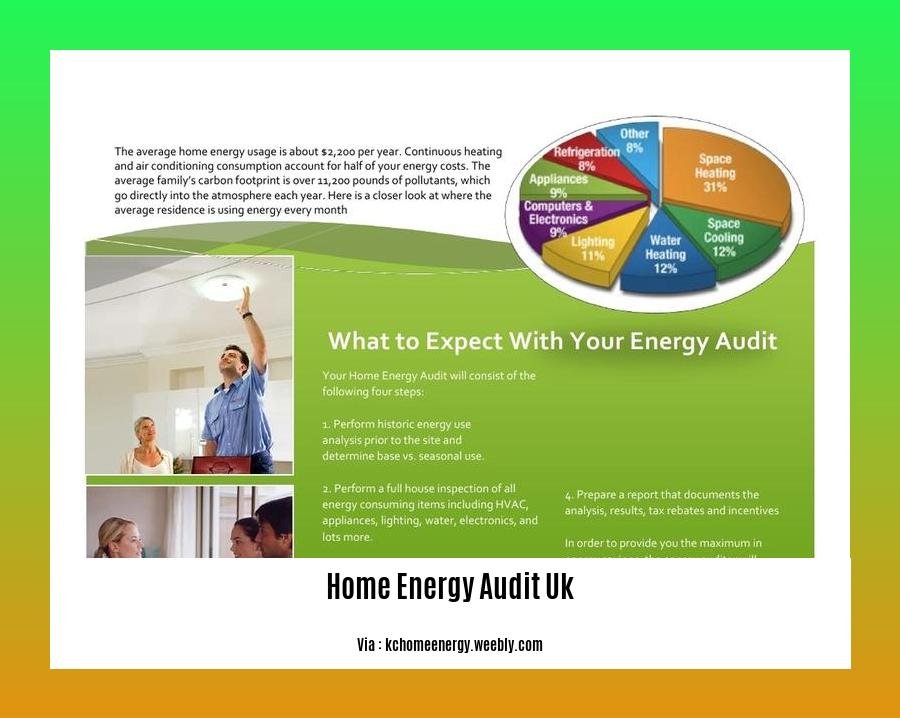
A home energy audit and assessment is a comprehensive inspection and evaluation of your home's energy usage. The audit process involves evaluating various factors, including insulation quality, heating and cooling efficiency, air leaks, and the performance of key appliances. The goal is to identify areas where energy is being wasted and provide recommendations for upgrades and improvements to make your home more energy efficient.
Elements of a Home Energy Assessment
- Homeowner Interview: A discussion with your home energy expert to identify any specific comfort issues and understand your energy goals.
- Walk-Through Assessment: A thorough examination of your home's energy-using systems, including lighting, appliances, and HVAC.
- Blower Door Test: A diagnostic test that measures air leaks in your home and identifies areas where energy is being lost.
- Thermal Imaging: A non-invasive test that uses infrared technology to detect temperature differences and identify areas of heat loss or gain.
- Appliance and System Inspection: A thorough inspection of your home's appliances and systems, including HVAC, water heaters, and lighting.
Benefits of a Home Energy Audit and Assessment
A home energy audit and assessment can provide numerous benefits, including:
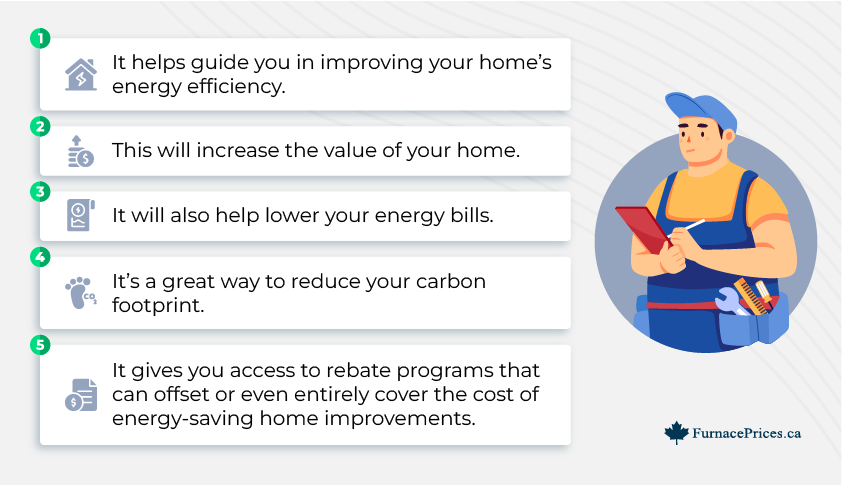
- Energy Savings: Identify areas where energy is being wasted and implement cost-saving measures to reduce your energy consumption.
- Improved Comfort: Ensure your home is comfortable and free from drafts, moisture, and other issues that can affect indoor air quality.
- Increased Property Value: By investing in energy-efficient upgrades and improvements, you can increase your home's value and appeal to potential buyers.
- Government Incentives: Take advantage of government incentives, tax credits, and rebates for energy-efficient upgrades and improvements.

How to Get Started with a Home Energy Audit and Assessment
To get started with a home energy audit and assessment, follow these steps:
- Contact a Certified Auditor: Find a certified home energy auditor in your area and schedule a consultation to discuss your energy goals and concerns.
- Schedule a Home Energy Assessment: Schedule a comprehensive home energy assessment, which typically takes 2-4 hours to complete.
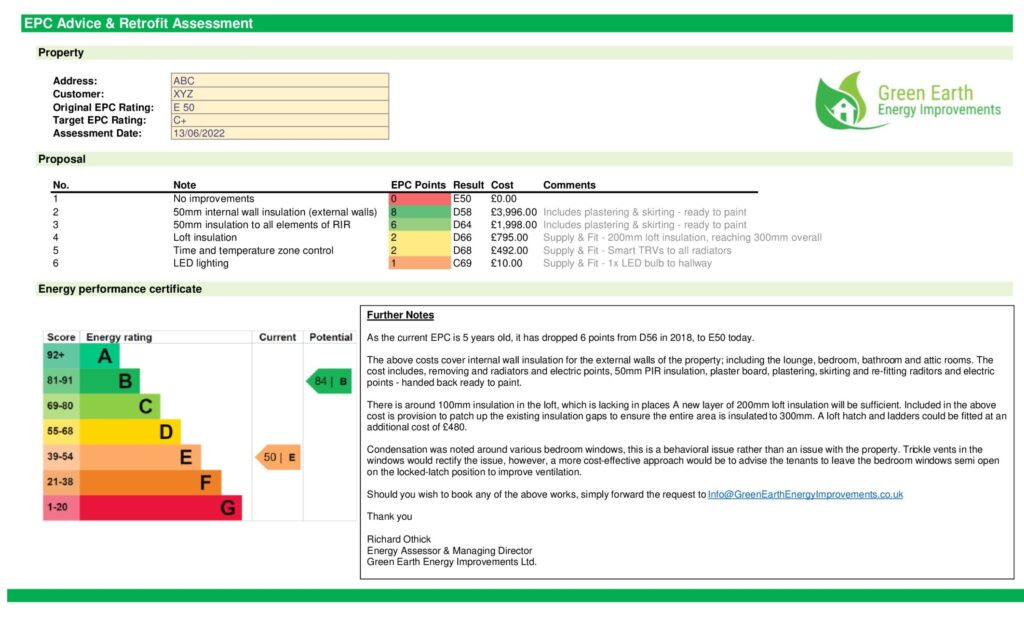
- Review the Report: Receive a detailed report outlining the findings and recommendations for energy-efficient upgrades and improvements.
- Implement Recommendations: Invest in energy-efficient upgrades and improvements to reduce your energy consumption and save on utility bills.
Conclusion
A home energy audit and assessment is a critical step in understanding your home's energy use and identifying opportunities for energy efficiency. By investing in a comprehensive home energy assessment, you can save energy, improve comfort, and increase your property value. Don't wait – schedule a home energy audit and assessment today and take the first step towards a more energy-efficient and comfortable home.
Additional Resources
For more information on home energy audits and assessments, visit the following resources:
- Mass Save: A collaborative of Massachusetts' natural gas, electric utilities and energy efficiency service providers to help Massachusetts' residents, businesses, and communities save energy and money.
- ENERGY STAR: A program that provides information and resources on energy-efficient products and practices to help consumers make informed decisions.
- Local Government Incentives: Check with your local government for incentives, tax credits, and rebates for energy-efficient upgrades and improvements.