Hormonal Regulation of GLP-1: Unlocking the Secrets of Appetite, Glucose, and Metabolic Health
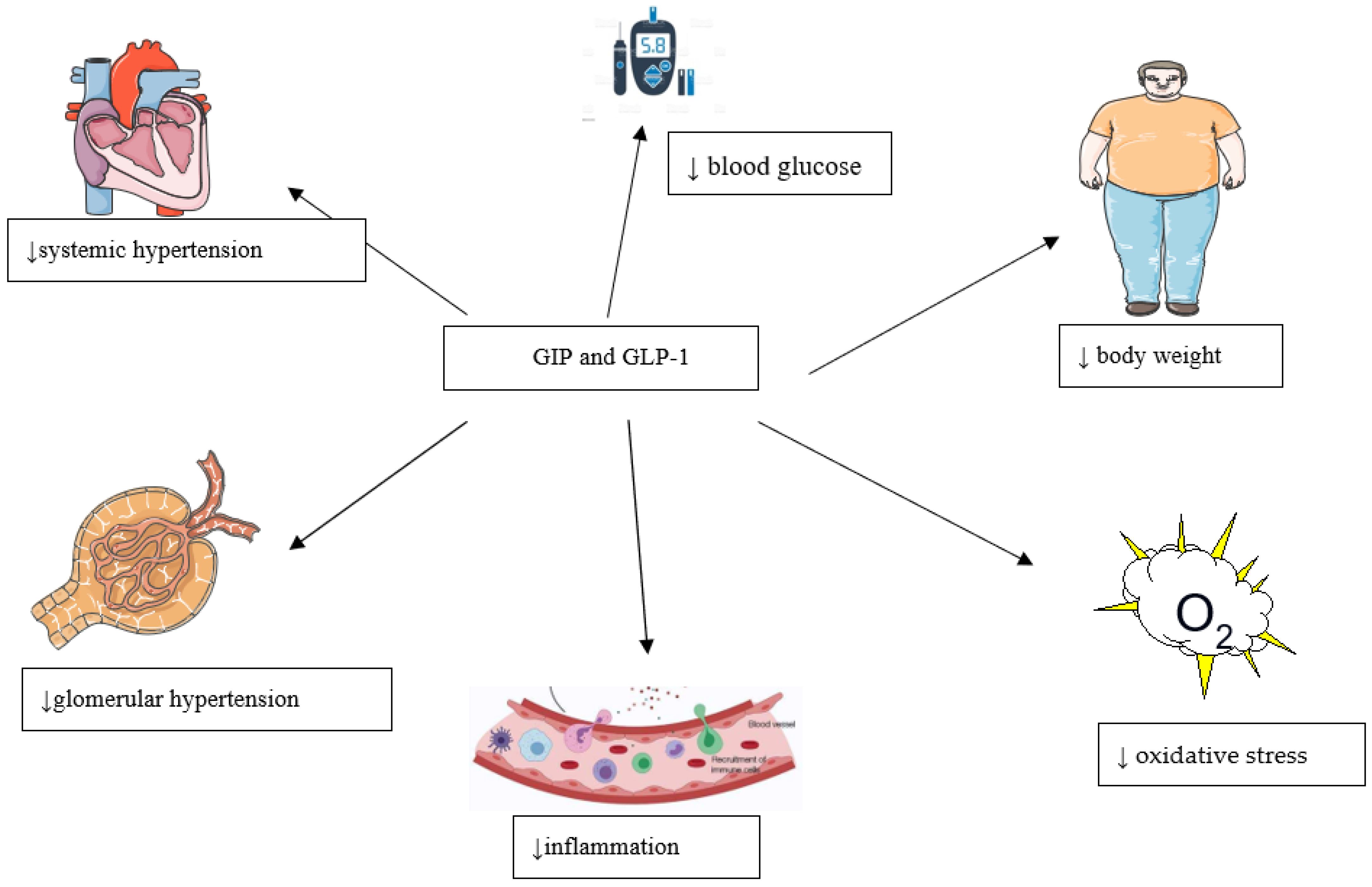
Glucose-dependent insulinotropic polypeptide (GIP) and glucagon-like peptide-1 (GLP-1) are two naturally occurring hormonal peptides produced in the gastrointestinal tract, known as incretins. Together, they orchestrate a crucial hormonal regulation known as the incretin effect. This complex interplay of hormones plays a vital role in regulating blood glucose levels, lipid metabolism, and several other biological functions.
Introduction to GLP-1: A Hormone with Diverse Metabolic Functions
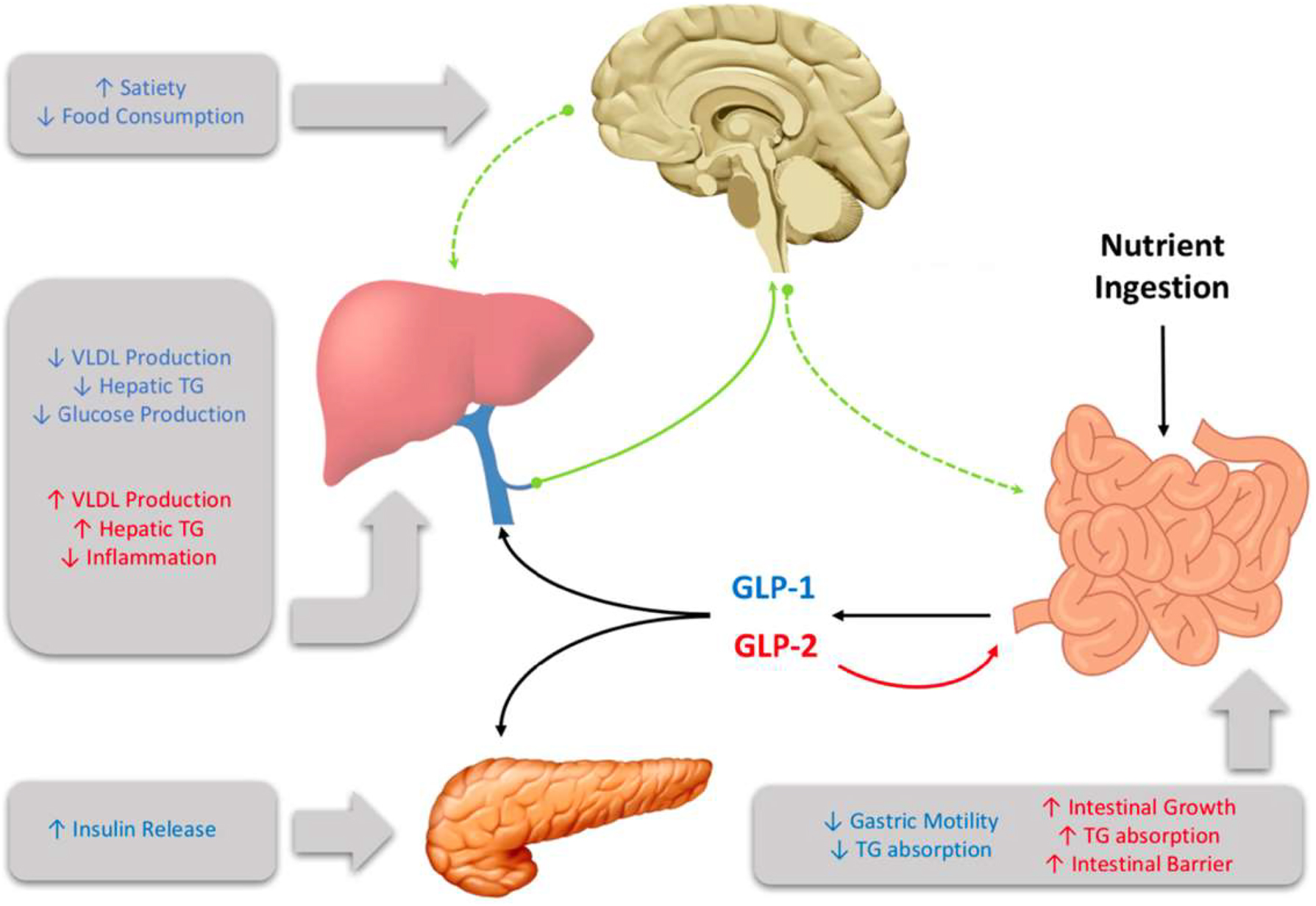
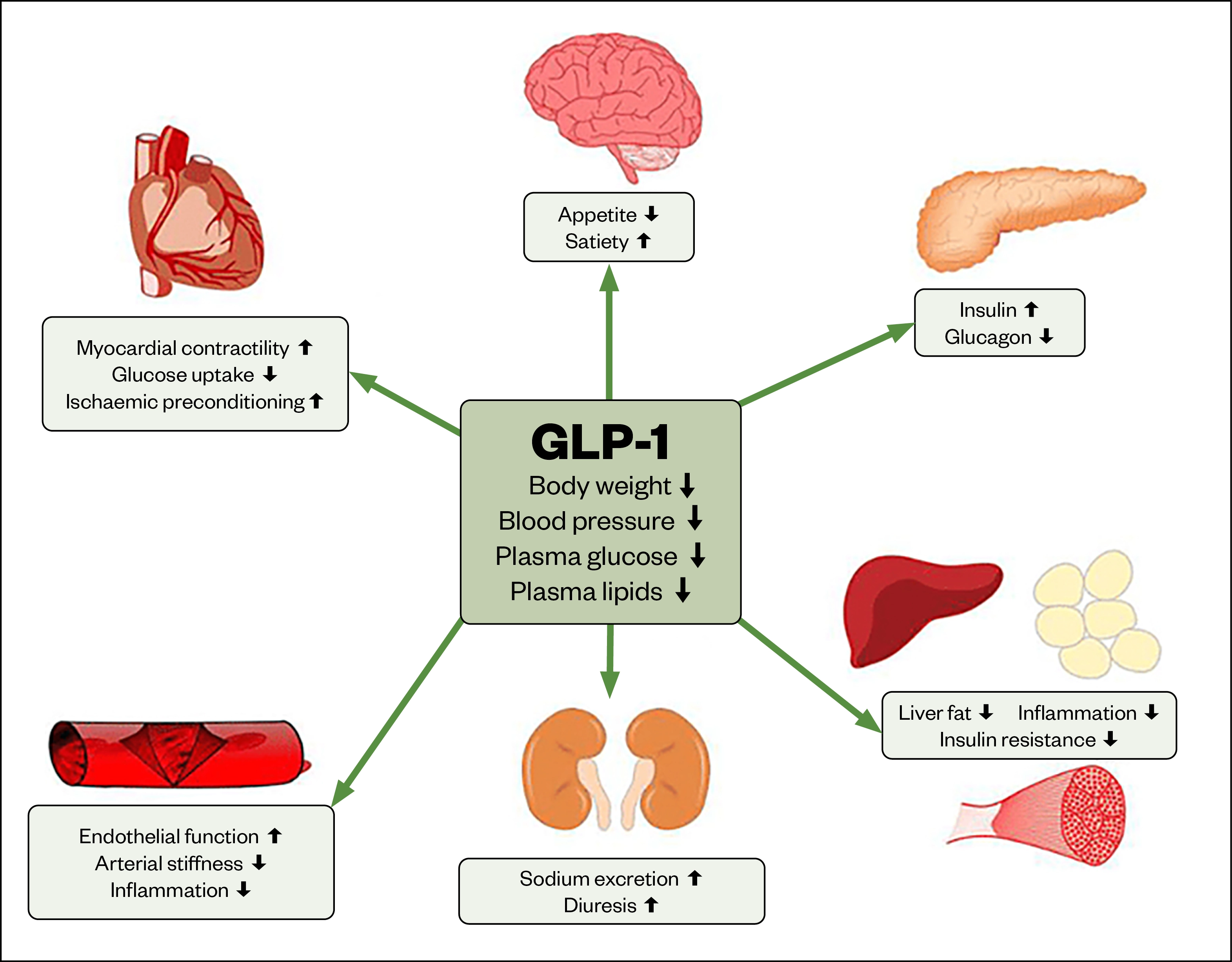
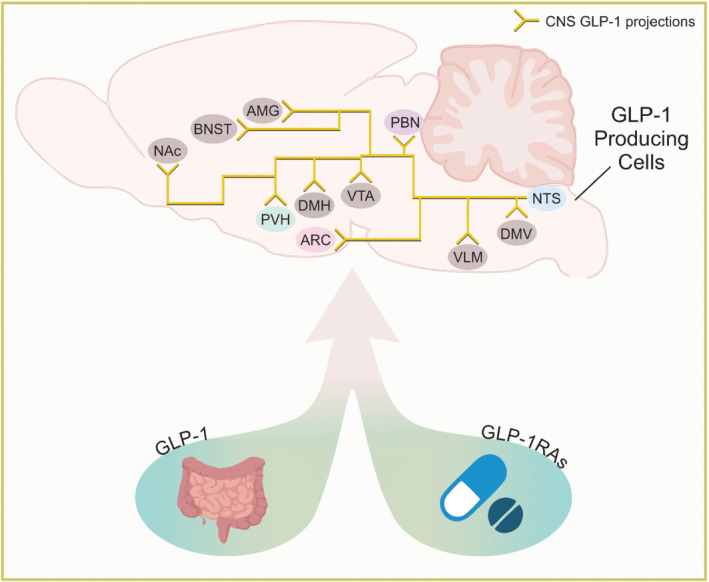
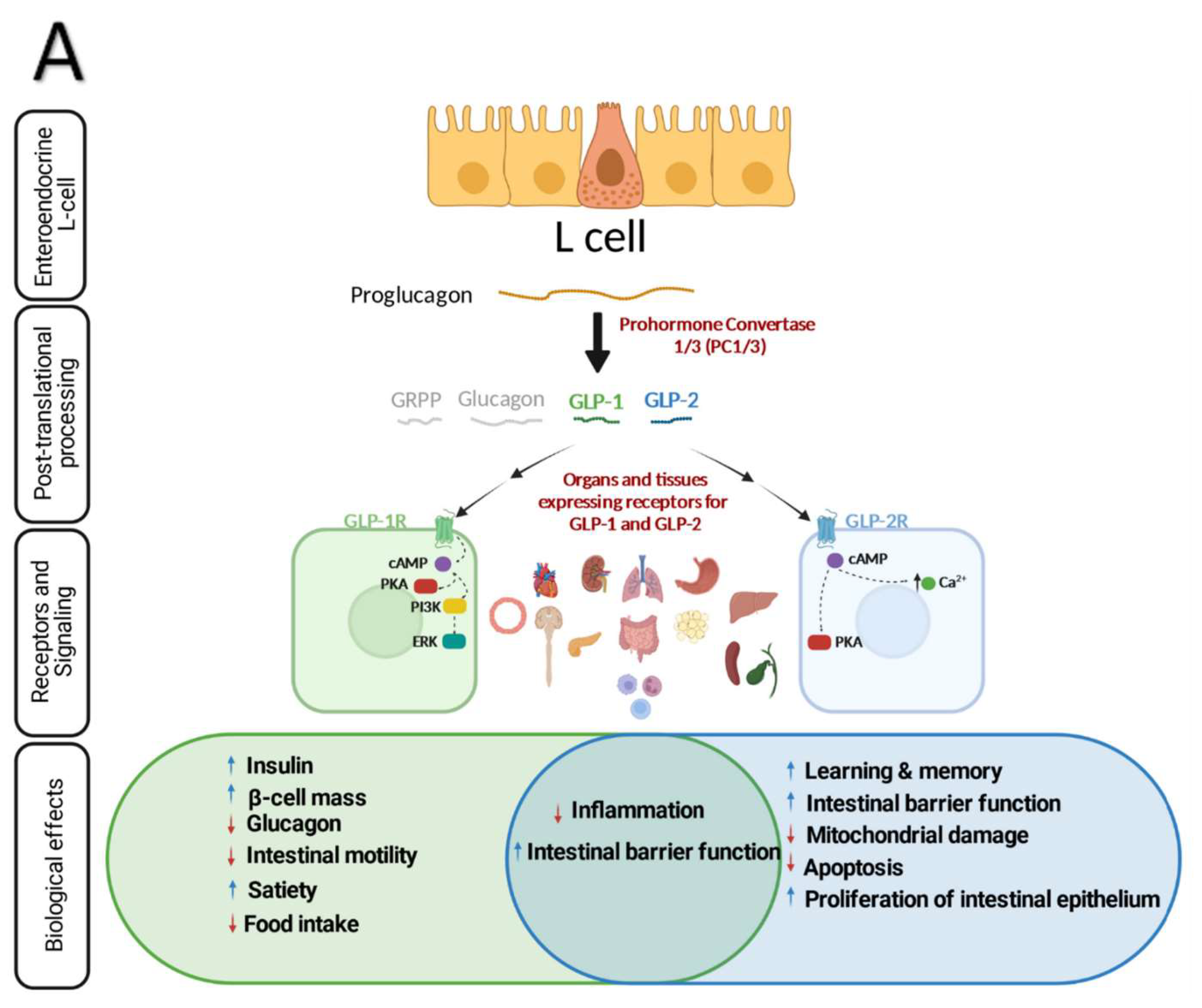
GLP-1, a hormone released by intestinal L cells in response to nutrients, plays a complex and diverse role in regulating metabolism. Its physiological functions include glucose-stimulated insulin secretion, augmenting appetite suppression, and promoting satiety. The GLP-1 receptor, a class B G protein-coupled receptor, is extensively distributed across the pancreas, central nervous system, and cardiovascular tissues, where it mediates diverse physiological effects, including glucagon suppression and insulin secretion.
The Hormonal Regulation of GLP-1: Unraveling the Mysteries
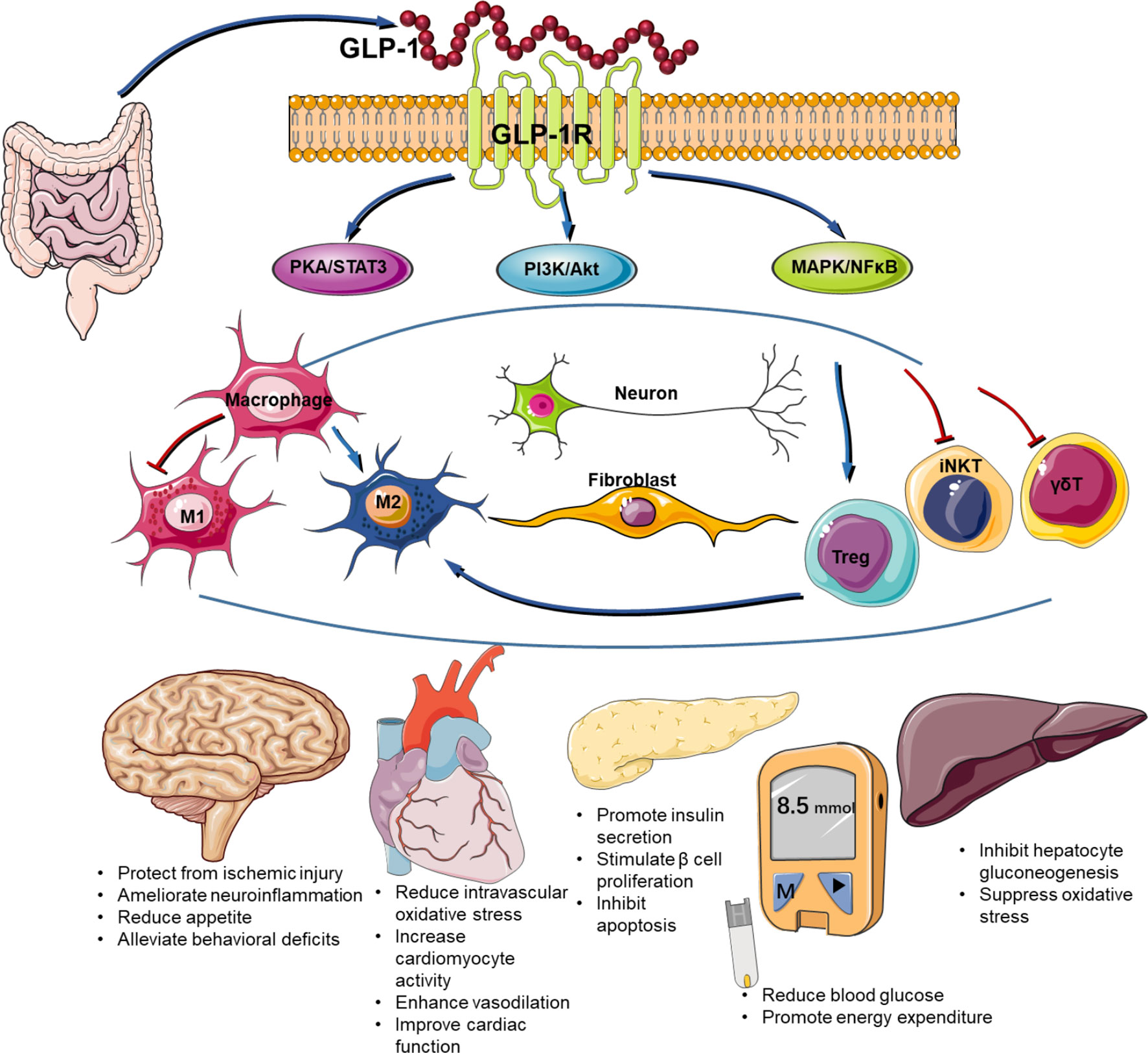
The GLP-1 hormone exerts its effects through binding to the GLP-1 receptor. This binding event triggers a cascade of signaling pathways that ultimately lead to the regulation of glucose metabolism, appetite suppression, and other physiological effects. The GLP-1 receptor is a key player in the hormonal regulation of GLP-1, and its activation has been shown to improve glucose tolerance, enhance insulin secretion, and promote weight loss.
Role of GLP-1 in Glucose and Lipid Metabolism
GLP-1 plays a critical role in glucose metabolism by augmenting glucose-stimulated insulin secretion, reducing glucagon levels, and slowing stomach emptying.
GLP-1 also regulates lipid metabolism by inhibiting lipolysis, reducing lipid synthesis, and promoting the clearance of triglycerides from the bloodstream.
The hormonal regulation of GLP-1 is essential for maintaining glucose and lipid homeostasis, and its dysregulation has been implicated in various metabolic disorders, including type 2 diabetes and obesity.

Therapeutic Potential of GLP-1: Harnessing the Power of Incretins
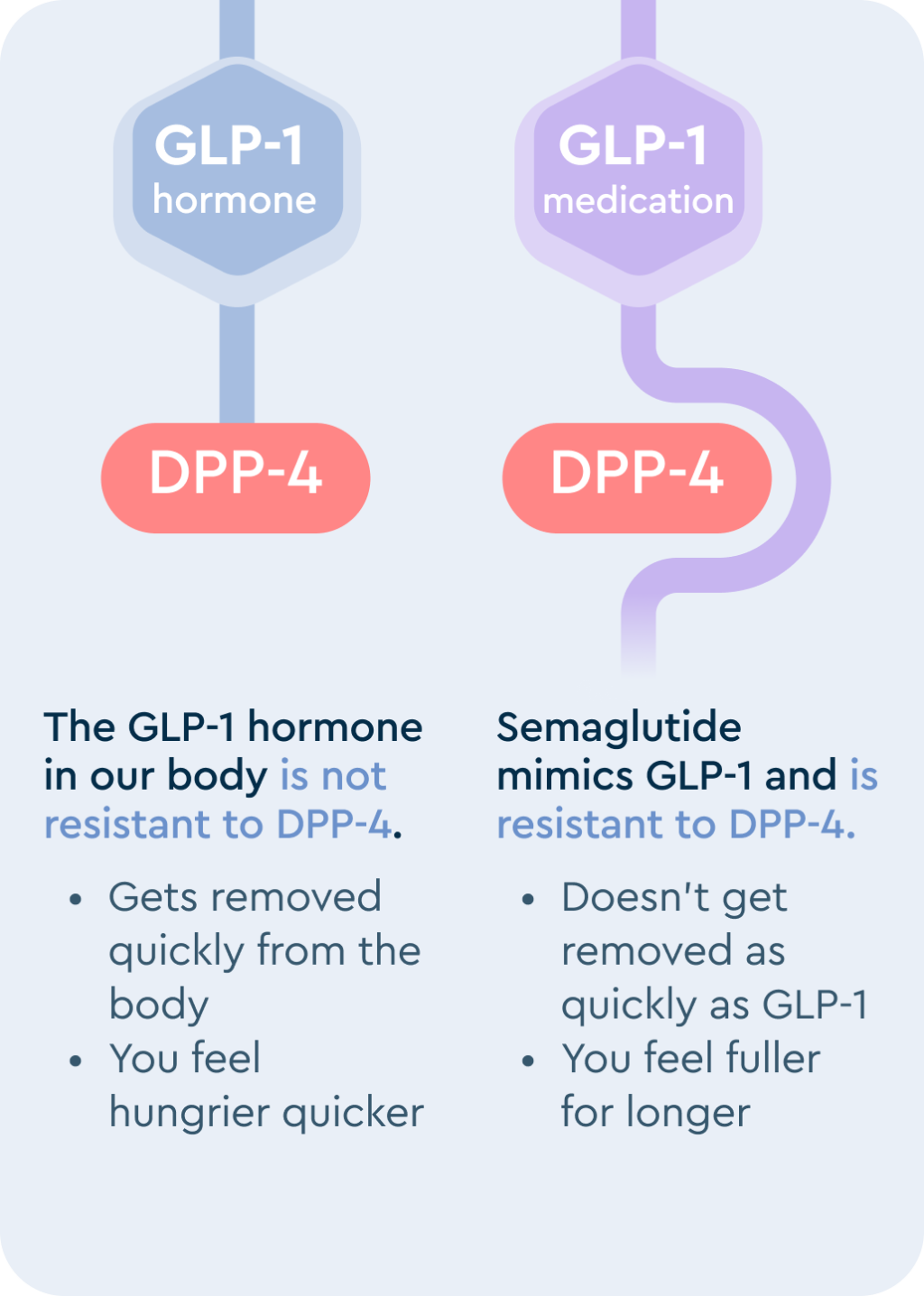
GLP-1 receptor agonists, such as semaglutide (Ozempic, Wegovy) and tirzepatide (Mounjaro, Zepbound), have revolutionized the treatment of type 2 diabetes and obesity. These medications mimic the natural hormone GLP-1, promoting glucose-dependent insulin secretion, suppressing glucagon levels, and reducing appetite. By harnessing the power of incretins, these medications have transformed the way we think about weight loss and metabolic health.
Natural Compounds and GLP-1: Unlocking the Secrets of Appetite Regulation
Natural compounds, such as allulose, have been shown to activate the GLP-1 pathway, enhancing satiety signals and reducing subsequent food intake. This highlights the potential of natural compounds in the regulation of GLP-1 and appetite suppression.
Conclusion: Unlocking the Secrets of GLP-1 and Hormonal Regulation
The hormonal regulation of GLP-1 is a complex interplay of hormones that plays a vital role in regulating glucose and lipid metabolism, appetite, and metabolic health. By unraveling the mysteries of GLP-1 and its hormonal regulation, we can unlock new avenues for the treatment of metabolic disorders, harnessing the power of incretins to promote glucose homeostasis, appetite suppression, and overall metabolic health.