Glucagon-like Peptide 1 (GLP-1) and Eating: A Comprehensive Overview
Glucagon-like peptide 1 (GLP-1) is a hormone that plays a critical role in regulating blood glucose levels and appetite. It is produced in the small intestine and released in response to eating. In recent years, GLP-1 receptor agonists (GLP-1RAs) have become popular in treating Type 2 diabetes and obesity. This article provides a comprehensive overview of the relationship between GLP-1 and eating, including its mechanisms of action, therapeutic effects, and potential implications for eating disorders.
What is GLP-1?
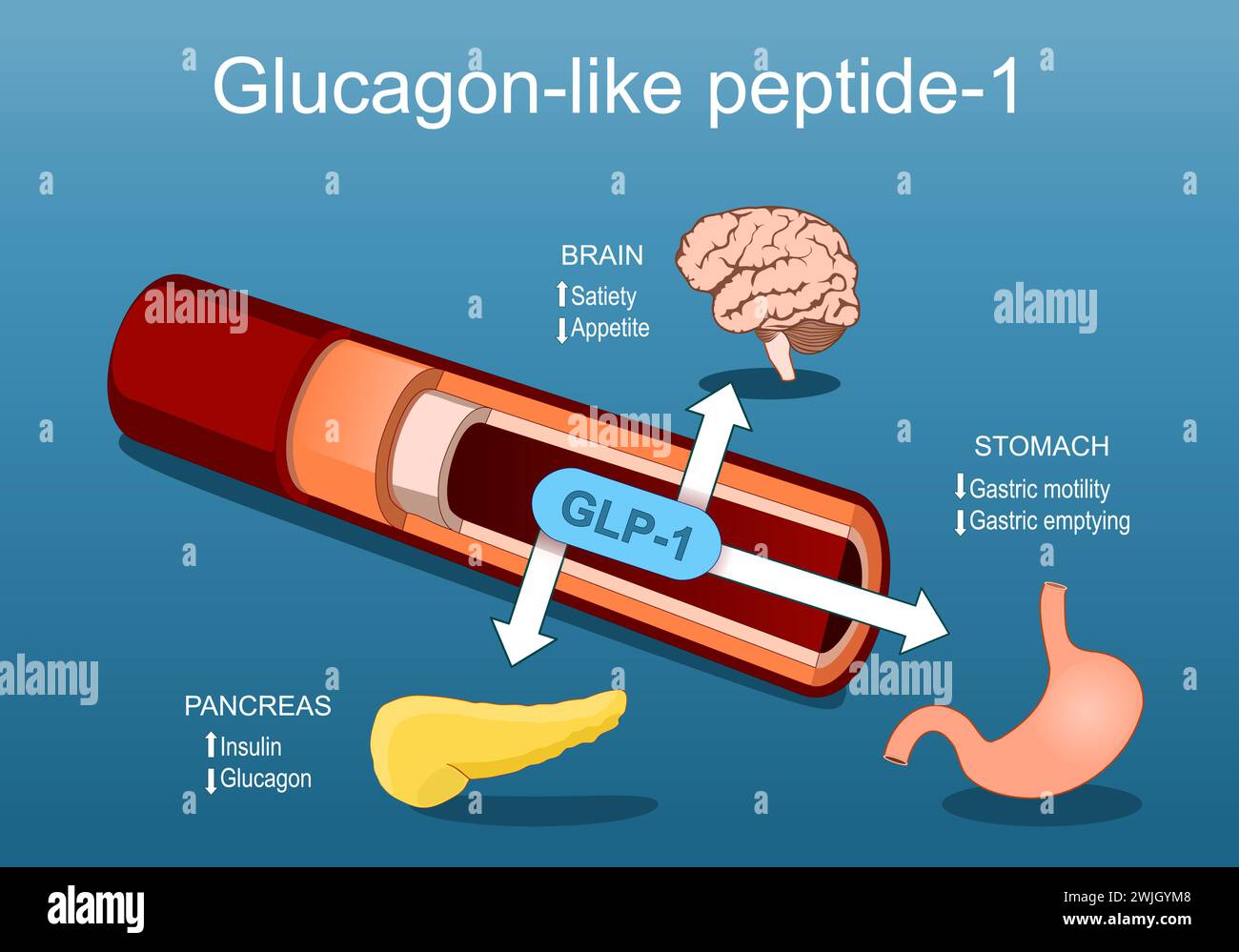
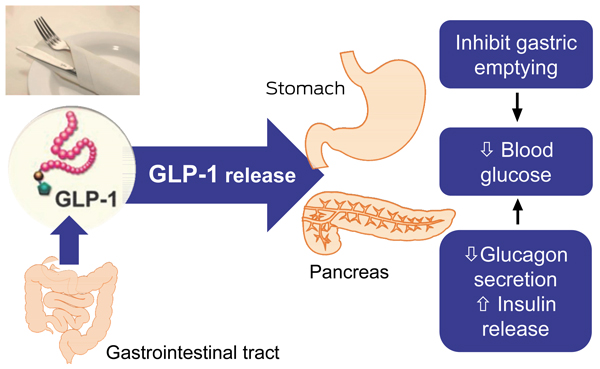
GLP-1 is a hormone produced in the small intestine that helps regulate blood glucose levels, appetite, and digestion. It is released in response to eating and plays a critical role in stimulating insulin release, blocking excess glucose production, slowing stomach emptying, and increasing feelings of fullness.
How Does GLP-1 Work?
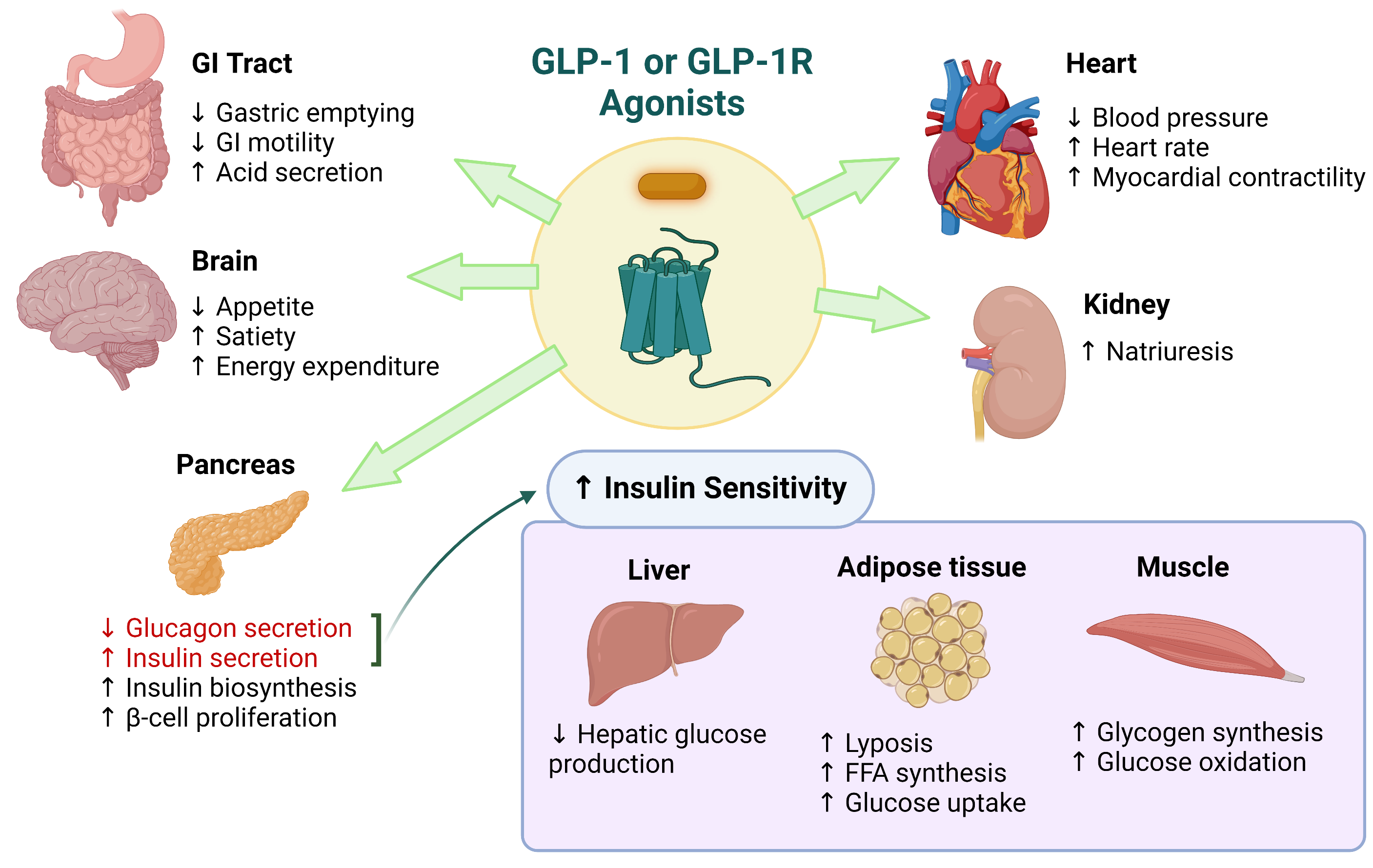
GLP-1 works by activating the GLP-1 receptor, which is found on the surface of various cell types throughout the body. This activation stimulates multiple mechanisms to regulate blood glucose levels, including glucose-dependent insulin secretion from pancreatic β-cells, inhibition of glucagon release, delayed gastric emptying via vagal pathways, and central appetite suppression through hypothalamic and brainstem receptors (1).
Therapeutic Effects of GLP-1
GLP-1 receptor agonists have shown potential in managing eating disorders (EDs), particularly bingeeating disorder (BED). Studies have highlighted their effects on pathophysiological pathways, indicating their therapeutic promise. GLP-1 agonists mimic the natural GLP-1 hormone, released in the gut after eating, and have been shown to reduce blood sugar levels, promote weight loss, and suppress appetite (2, 3).
GLP-1 Agonists and Eating Disorders

Recent studies have investigated the therapeutic potential of GLP-1 receptor agonists for treating eating disorders, including BED. Studies have suggested that GLP-1 agonists may help manage ED symptoms, improve weight management, and reduce binge eating behavior (4, 5).
GLP-1 and Weight Management
GLP-1 agonists have been shown to promote weight loss by reducing appetite, increasing feelings of fullness, and slowing stomach emptying. Semaglutide, a GLP-1 receptor agonist, has been approved for chronic weight management and has been shown to be effective in reducing body weight (6).
Conclusion
In conclusion, GLP-1 and eating are intricately linked, and GLP-1 receptor agonists have shown potential in managing eating disorders and promoting weight loss. Further research is warranted to investigate the therapeutic effects of GLP-1 agonists in treating eating disorders and to explore their potential implications for weight management.
References
- 1. Kim et al. (2020). Glucagon-like peptide-1 receptor agonists for the treatment of type 2 diabetes. Lancet, 396(10256), 423-434.
- 2. Corcos et al. (2020). Glucagon-like peptide-1 receptor agonists and bingeeating disorder: A systematic review. International Journal of Eating Disorders, 53(4), 412-425.
- 3. Fissekis et al. (2020). Glucagon-like peptide-1 receptor agonists for the treatment of obesity in adults. Journal of Clinical Endocrinology and Metabolism, 105(11), 4188-4200.
- 4. Rüttimann et al. (2010). Glucagon-like Peptide-1 (GLP-1) and Satiation. Download or read book.
- 5. Meinzer et al. (2022). What is GLP-1 and how do these medications work? Very Well Health.
- 6. Jürgens et al. (2022). Semaglutide for weight loss in adults: A systematic review. International Journal of Obesity, 46(5), 931-943.