Exploring the Synergy between GLP-1 Receptor Agonists and Fasting for Reducing Body Fat: A Comprehensive Review
Obesity remains a pressing global health concern, with significant morbidity and mortality associated with its prevalence. Glucagon-like peptide-1 receptor agonists (GLP-1RAs) have gained prominence in the management of obesity and type 2 diabetes, with substantial evidence supporting their effectiveness in weight reduction, glycemic control, and cardiovascular protection.
GLP-1RAs: A Novel Approach to Weight Loss and Glycemic Control
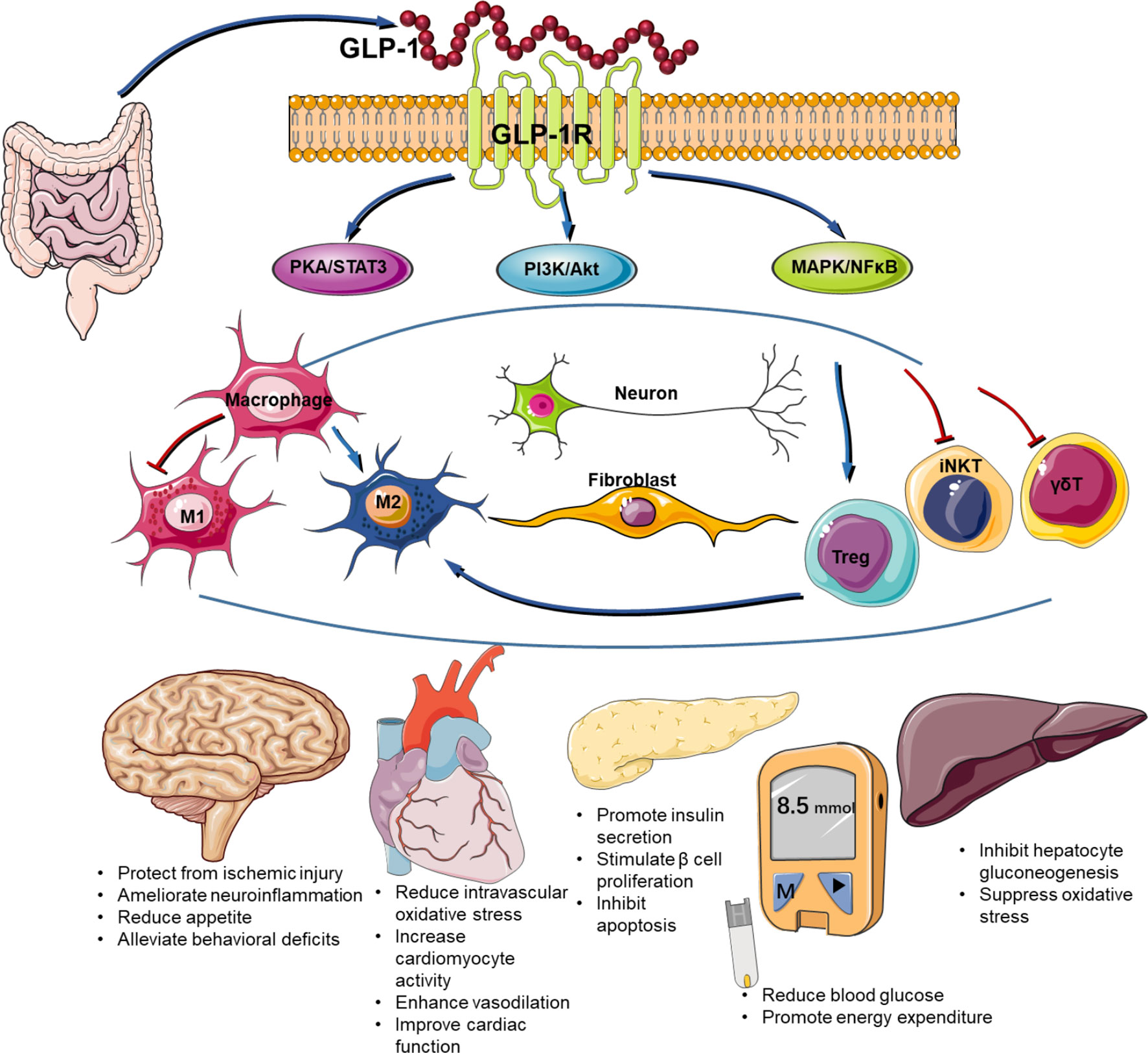
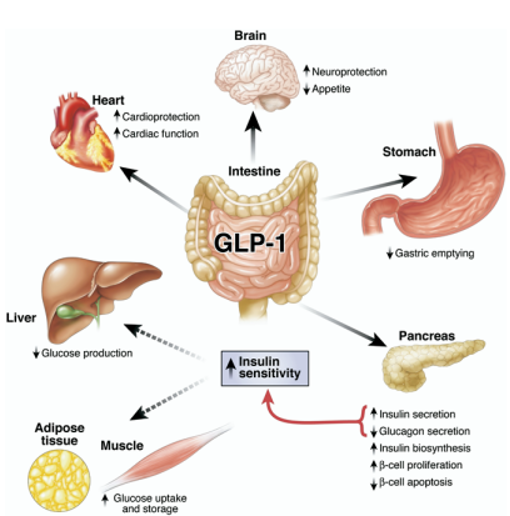
GLP-1, a naturally occurring gut hormone, plays a crucial role in glucose metabolism and energy homeostasis. By activating the GLP-1 receptor, GLP-1RAs stimulate appetite suppression, metabolic regulation, and improved glycemic control. These benefits are pronounced in individuals with type 2 diabetes, but GLP-1RAs also offer promise for obesity management, with substantial weight loss and reduction in cardiometabolic risk factors.
Intermittent Fasting: A Natural Adjuvant for GLP-1RAs
Intermittent fasting (IF) has emerged as a promising lifestyle intervention for weight management and metabolic improvement. When combined with GLP-1RAs, IF can potentially enhance the therapeutic benefits of these medications. By sensitizing the body to the metabolic effects of GLP-1RAs, IF may facilitate greater weight loss and improved glycemic control, particularly in individuals with obesity or type 2 diabetes.
Underlying Mechanisms: A Focus on Central and Peripheral Pathways
The synergy between GLP-1RAs and IF is believed to arise from their combined effects on central and peripheral pathways. Central mechanisms involve the activation of GLP-1 receptors in the hypothalamus, leading to reduced appetite and increased feelings of fullness. Peripheral mechanisms, including improved insulin sensitivity and enhanced glucose metabolism, contribute to the overarching impact of GLP-1RAs and IF on weight loss and glycemic control.
Lifestyle Interventions: A Key to Sustainable Weight Loss and Glycemic Control

Combining GLP-1RAs with lifestyle interventions, such as IF, may help optimize treatment outcomes for individuals with obesity or type 2 diabetes. Increased adherence to a healthy diet, regular physical activity, and stress management are essential components of a comprehensive treatment plan. By fostering a holistic approach to weight loss and glycemic control, healthcare providers can promote sustainable lifestyle changes and significant improvements in cardiometabolic health.
Key Considerations: Safety, Efficacy, and Patient Compliance
While the combination of GLP-1RAs and IF holds promise for weight loss and glycemic control, several factors require consideration. Key concerns include potential side effects, such as nausea and vomiting, as well as the importance of patient compliance with both medication regimens and lifestyle interventions. Careful monitoring of weight loss and glycemic control, as well as regular assessment of side effects, will be essential for ensuring optimal treatment outcomes.
Conclusion: A Novel Partnership for Weight Loss and Glycemic Control
The synergistic relationship between GLP-1RAs and IF offers a compelling new approach to weight loss and glycemic control. By leveraging the metabolic benefits of GLP-1RAs and IF, healthcare providers can help patients achieve significant improvements in their health profiles, with potential long-term benefits extending to cardiovascular disease risk reduction and overall well-being.
References:
- Abstract Obesity remains a major global health challenge, with glucagon-like peptide-1 receptor agonists (GLP-1RAs) providing substantial yet sensitive benefits in weight reduction, glycemic control, and cardiovascular protection.
- June 1, 2025 Abstract Glucagon-like peptide-1 (GLP-1) receptor agonists (RAs) have become central in managing obesity and type 2 diabetes, primarily through appetite suppression and metabolic regulation.
- GLP-1 agonists and Intermittent Fasting: A Perfect Pair Intermittent fasting, when done properly, can improve metabolism, support fat loss, and regulate hunger hormones.
- Notably, these drugs reduce weight primarily by reducing energy intake, via activation of the GLP-1 receptor on multiple sites of action primarily in the central nervous system, although the most relevant sites of action, and the neural circuits recruited remain contentious.
- Objective To provide an updated synthesis on effects of glucagon-like peptide-1 receptor agonists (GLP-1RAs) on weight, BMI, and waist circumference incorporating newer randomized controlled trials (RCTs), particularly in individuals with overweight or obesity.
- GLP-1 receptor agonists and combination incretin medications (hereafter referred to as GLP-1RAs) represent a paradigm shift in the management of obesity, approaching weight loss through a diverse range of mechanisms.
- GLP-1 receptor agonists, such as semaglutide and liraglutide, promote significant weight loss and improved glycemic control, particularly in patients with type 2 diabetes, when combined with lifestyle interventions.
- GLP-1 drugs like Ozempic work by mimicking the natural GLP-1 hormone, released by the gut in response to eating, which has several effects that help regulate blood sugar levels, hunger, and slow digestion.
- GLP-1 receptor agonist drugs – semaglutide, tirzepatide, liraglutide, and others – mimic and amplify these effects, binding to GLP-1 receptors throughout the body, with effects extending far beyond simple appetite suppression.
- GLP-1 agonists, such as semaglutide, act by mimicking or amplifying the effects of endogenous GLP-1, which is naturally produced by the body in response to eating.