GLP-1 and Mindful Eating for PCOS: A Comprehensive Guide
Polycystic Ovary Syndrome (PCOS) is a complex endocrine disorder that affects millions of women worldwide. One of the key symptoms of PCOS is insulin resistance, which can lead to weight gain, metabolic problems, and hormonal imbalances. Recent studies have shown that GLP-1 (Glucagon-Like Peptide-1) receptor agonists, such as semaglutide and liraglutide, can be an effective tool for improving overall health and weight loss in women with PCOS.
What is GLP-1?
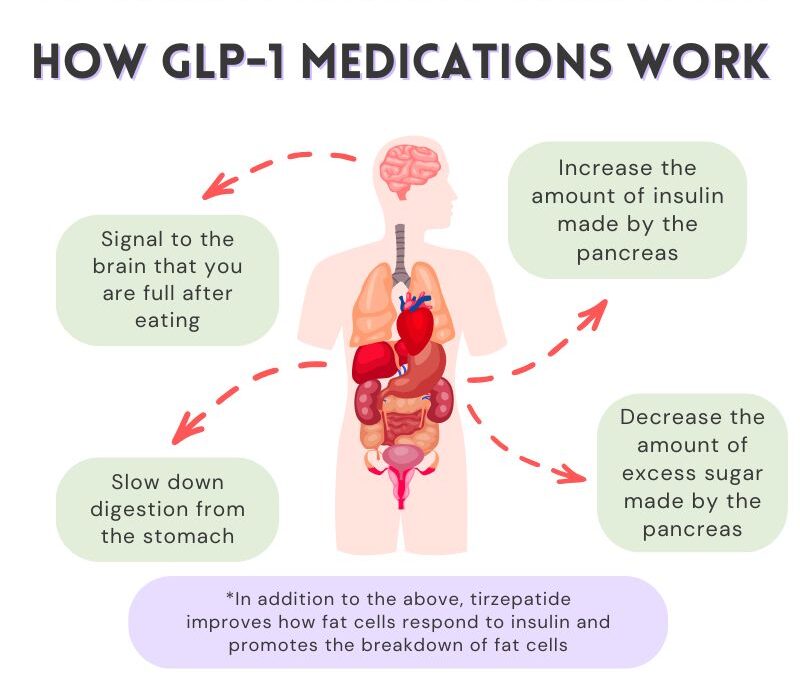
GLP-1 is a hormone that plays a crucial role in glucose metabolism and insulin sensitivity. It is released by the intestines in response to food intake and helps to regulate blood sugar levels. GLP-1 receptor agonists mimic the action of natural GLP-1 and have been shown to improve insulin sensitivity, reduce glucagon levels, and slow gastric emptying, leading to weight loss and improved glucose control.
Mindful Eating for PCOS
Mindful eating is a powerful tool for managing PCOS symptoms, including emotional or binge-eating triggers. By paying attention to hunger and fullness cues, noticing the taste, texture, and smell of food, and eating slowly and savoring each bite, women with PCOS can develop a healthier relationship with food and reduce stress and anxiety associated with eating.
Benefits of GLP-1 for PCOS
- Improved insulin sensitivity and glucose control
- Weight loss and improved body composition
- Reduced androgen levels and improved hormone balance
- Improved ovulation and fertility
- Reduced risk of cardiovascular disease and metabolic syndrome
Key Takeaways for GLP-1 and Mindful Eating for PCOS

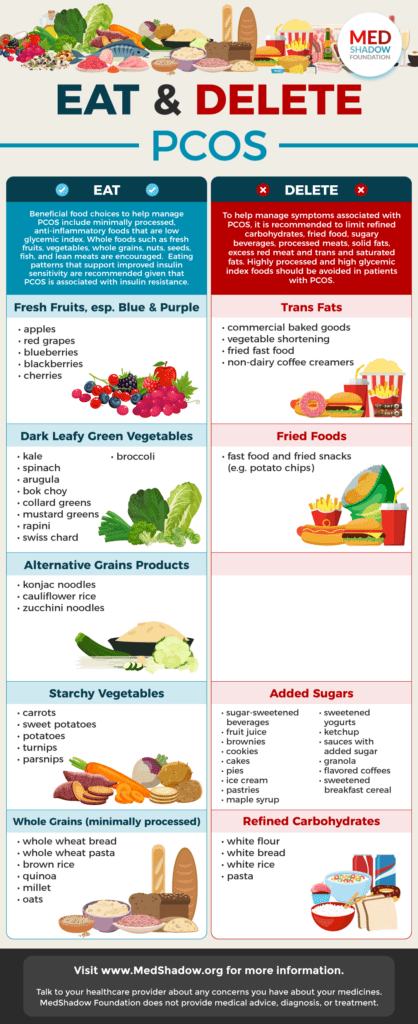
- Women with PCOS should aim for 90-120g of protein per day and prioritize nutrient-dense foods, including fruits, vegetables, whole grains, lean proteins, and healthy fats.
- GLP-1 medications should be used in conjunction with a healthy diet and lifestyle, including regular physical activity and stress management.
- Mindful eating practices, such as eating slowly, savoring each bite, and paying attention to hunger and fullness cues, can help women with PCOS develop a healthier relationship with food and reduce stress and anxiety associated with eating.
- Women with PCOS should prioritize sleep hygiene and stress reduction, as these factors can influence insulin sensitivity and hormonal balance.
Conclusion
GLP-1 receptor agonists have shown promise in improving insulin sensitivity, weight loss, and hormonal balance in women with PCOS. Mindful eating practices can help women with PCOS develop a healthier relationship with food and reduce stress and anxiety associated with eating. By combining GLP-1 medications with a healthy diet and lifestyle, including mindful eating practices, women with PCOS can improve their overall health and well-being.
Additional Resources
For more information on GLP-1 and mindful eating for PCOS, consider the following resources:
- A comprehensive guide to GLP-1 and PCOS, including tips for mindful eating and stress management.
- Research studies on the benefits of GLP-1 receptor agonists for PCOS, including improvements in insulin sensitivity, weight loss, and hormonal balance.
- Health coaching services, including nutrition counseling and mindful eating guidance, specifically designed for women with PCOS.
By working with a healthcare provider and incorporating mindful eating practices into daily life, women with PCOS can take control of their health and achieve optimal weight loss and hormonal balance.