Daily Tips for a Low-Carb Diet: A Comprehensive Guide to Healthy Eating
Are you looking to lose weight and improve your overall health by following a low-carb diet? With so many diets out there, it can be overwhelming to know where to start. In this article, we will provide you with daily tips for a low-carb diet, covering everything from meal planning to tracking your macros.
Understanding Low-Carb Diets
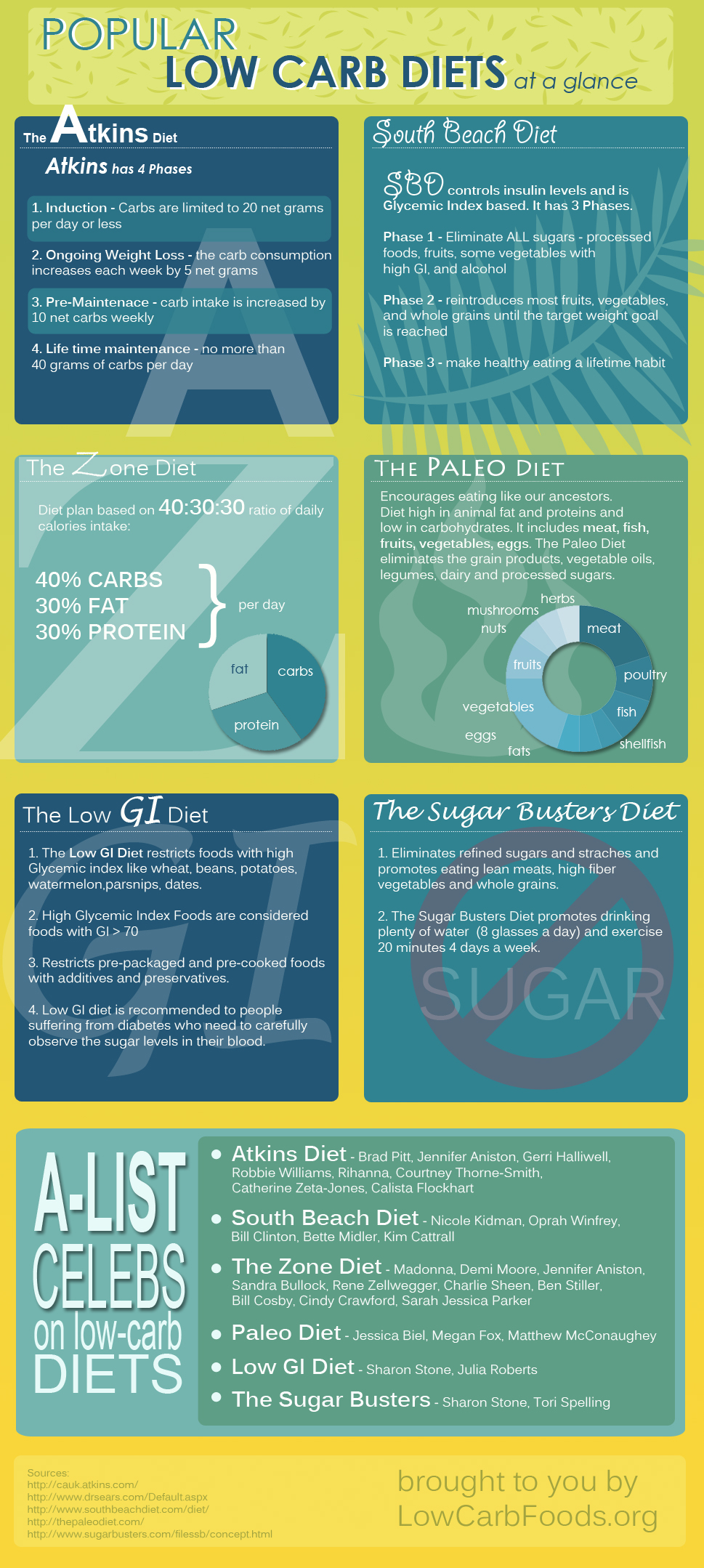
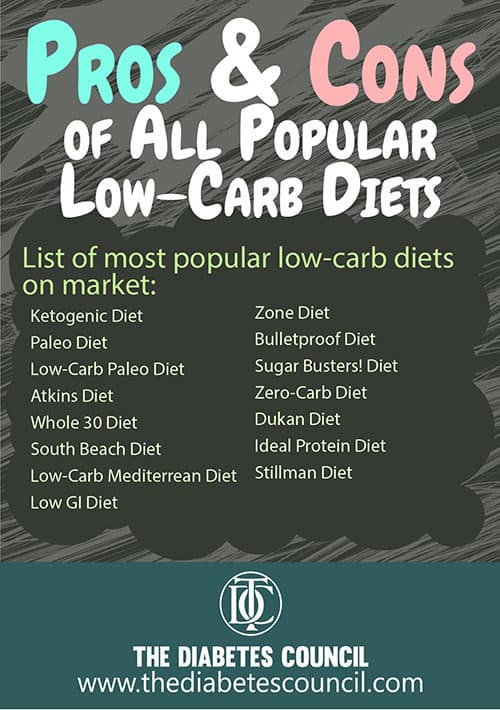
A low-carb diet limits the intake of carbohydrates, primarily found in sugary foods, pasta, and bread. Instead, you focus on protein-rich whole foods and vegetables. Studies have shown that low-carb diets can result in weight loss and improved health markers. There are different types of low-carb diets, including keto, which is a high-fat, moderate-protein, low-carb diet.
Breaking Down the Basics of a Low-Carb Diet
- Calculate your daily carb limit: 130 grams per day is a good starting point, but it may vary depending on your individual needs.
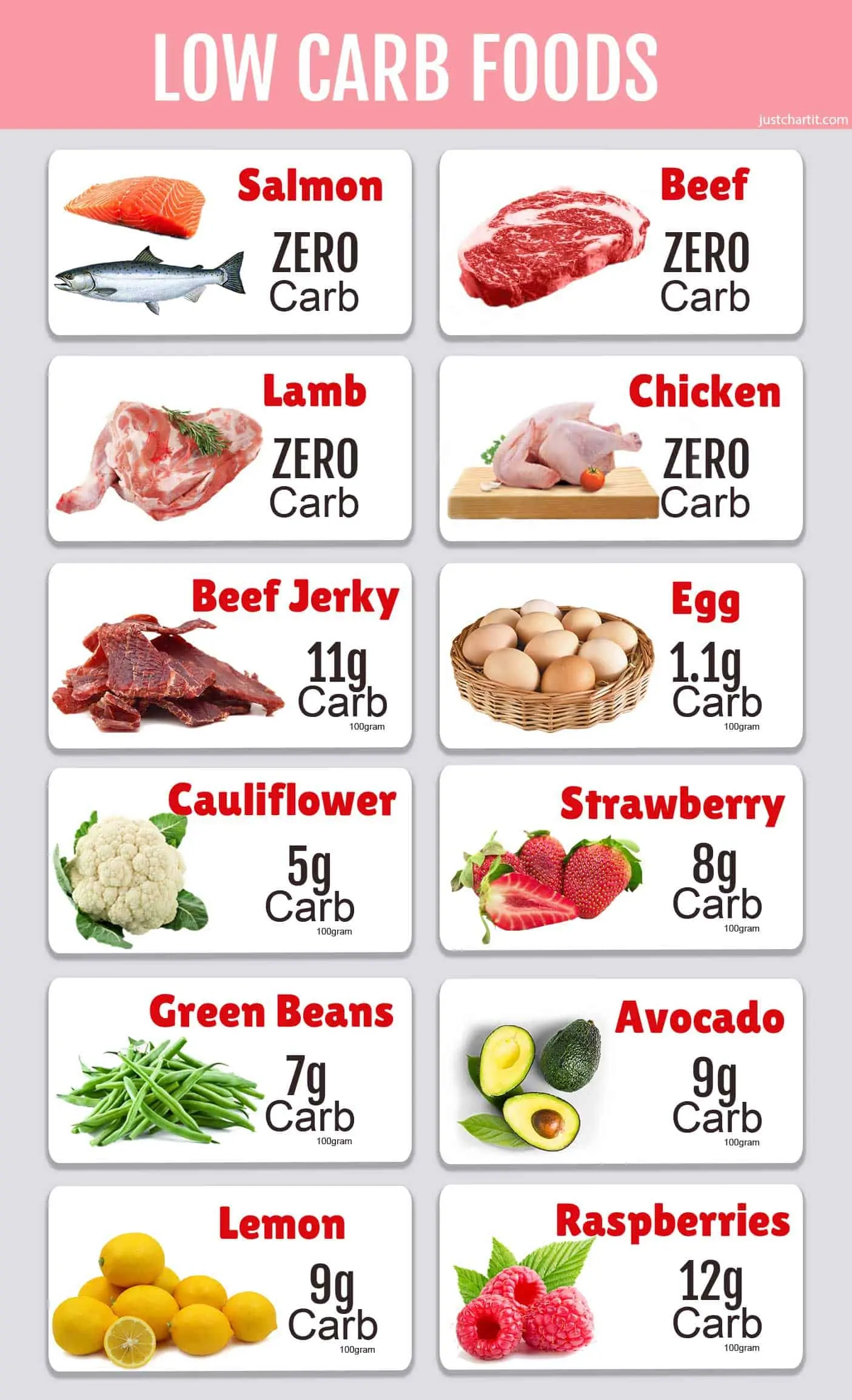
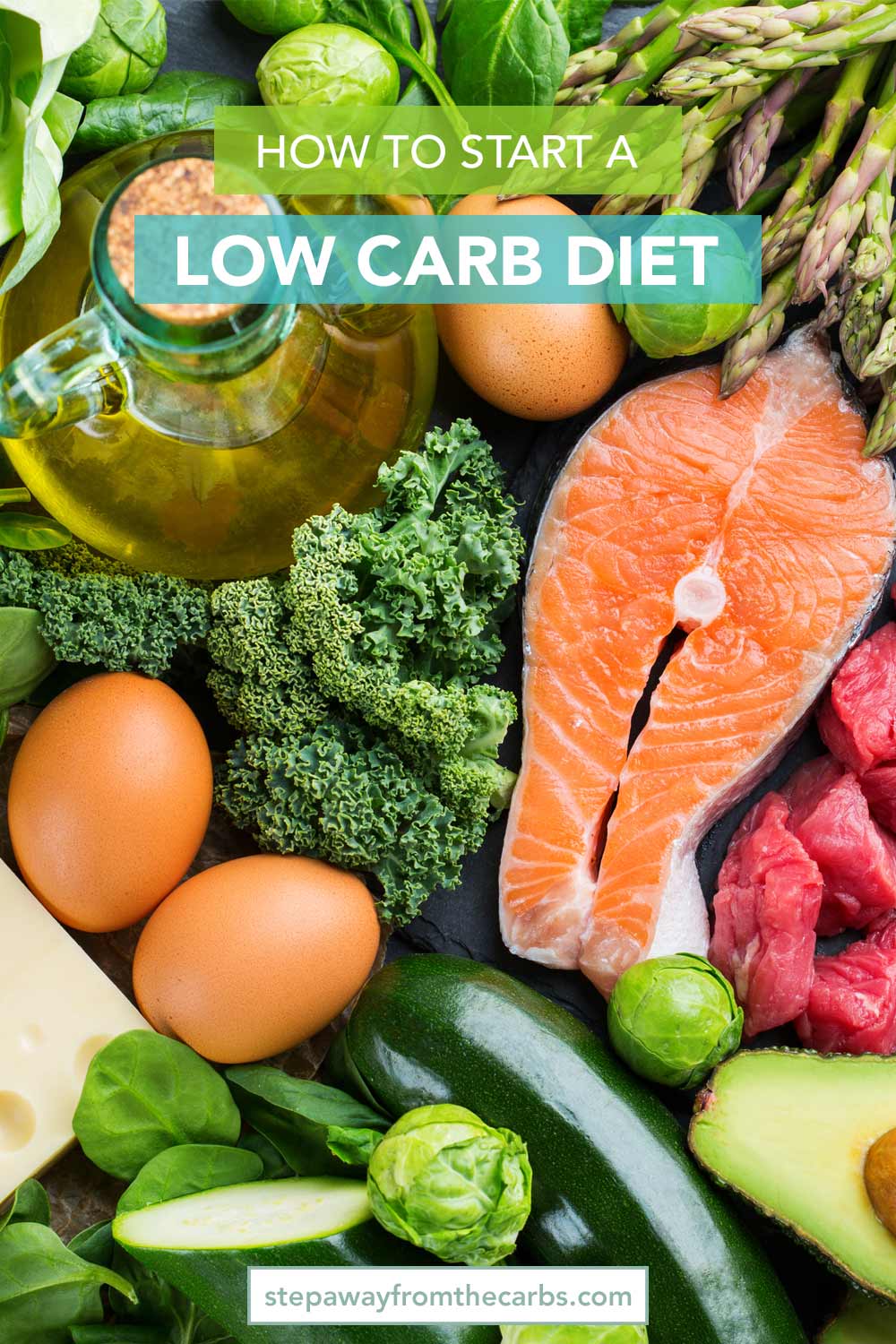
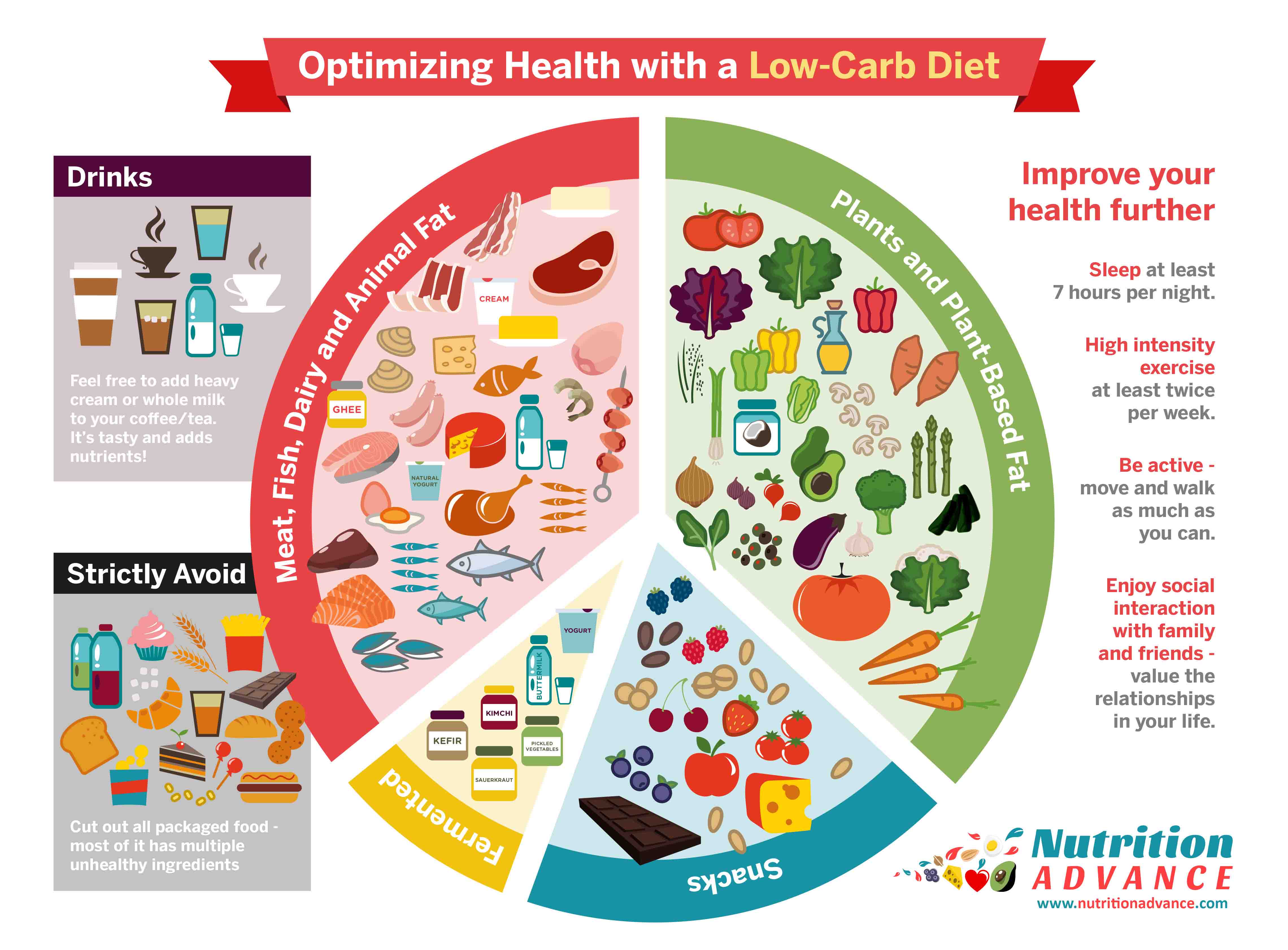
- Focus on protein-rich whole foods: choose lean meats, fish, eggs, and dairy products.
- Increase your vegetable intake: non-starchy vegetables like broccoli, cauliflower, and leafy greens are great options.
- Choose healthy fats: nuts, seeds, avocado, and olive oil are all good sources of healthy fats.
Meal Planning for a Low-Carb Diet
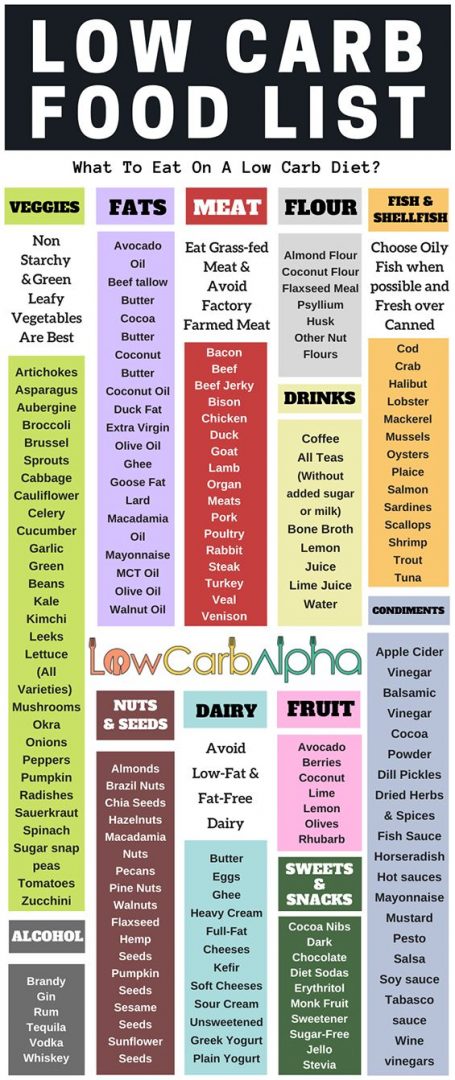
Developing a grocery list can help you stick to your eating plan. Here are some tips for meal planning:
- Plan your meals around protein-rich foods: lean meats, fish, eggs, and dairy products.
- Choose vegetables that are low in carbs: leafy greens, broccoli, cauliflower, and bell peppers are all good options.
- Include healthy fats in your meals: nuts, seeds, avocado, and olive oil are all good sources.
- Drink plenty of water: staying hydrated is essential when following a low-carb diet.
Tracking Your Macros

Macros are the nutrients that your body needs to function properly. Tracking your macros can help you optimize your diet and achieve your weight loss goals. Here are some tips for tracking your macros:
- Use a food tracker app: apps like MyFitnessPal can help you track your daily macros.
- Calculate your daily carb limit: 130 grams per day is a good starting point, but it may vary depending on your individual needs.
- Focus on protein-rich whole foods: choose lean meats, fish, eggs, and dairy products.
- Increase your vegetable intake: non-starchy vegetables like broccoli, cauliflower, and leafy greens are great options.
Common Challenges on a Low-Carb Diet
While following a low-carb diet can be rewarding, there are some common challenges that you may encounter. Here are some tips for overcoming these challenges:
- Watch out for carbohydrate sneaks: foods like crackers, bread, and pasta sauces can be high in carbs.
- Stay hydrated: drinking plenty of water is essential when following a low-carb diet.
- Don't be too hard on yourself: it's okay to have an occasional slip-up, just get back on track.
Conclusion
Following a low-carb diet can be a great way to lose weight and improve your overall health. By understanding the basics of a low-carb diet and tracking your macros, you can achieve your weight loss goals and maintain a healthy lifestyle.
Remember, a low-carb diet is not a quick fix, it's a long-term lifestyle change. With patience, dedication, and the right tips, you can achieve your goals and live a healthier, happier life.



.png "7-Day Low-Carb Diet Plan: Sample Menu & Prep - Verywell Fit")