Yoga and Stress Eating: Breaking the Cycle
Eating has become second nature. We multitask through meals—grabbing bites between emails, eating from stress rather than hunger, or barely noticing the flavors on our plate. But have you ever stopped to think about why you reach for that cookie or that extra slice of pizza? Is it because you're hungry, or is it because you're trying to fill a void?
Research suggests that stress is a major contributor to emotional eating. When we're under stress, our bodies release cortisol, a hormone that helps us respond to danger. But chronic stress can disrupt our natural hunger and fullness cues, leading us to overeat or undereat. And that's where yoga comes in.
The Connection Between Yoga and Stress Eating
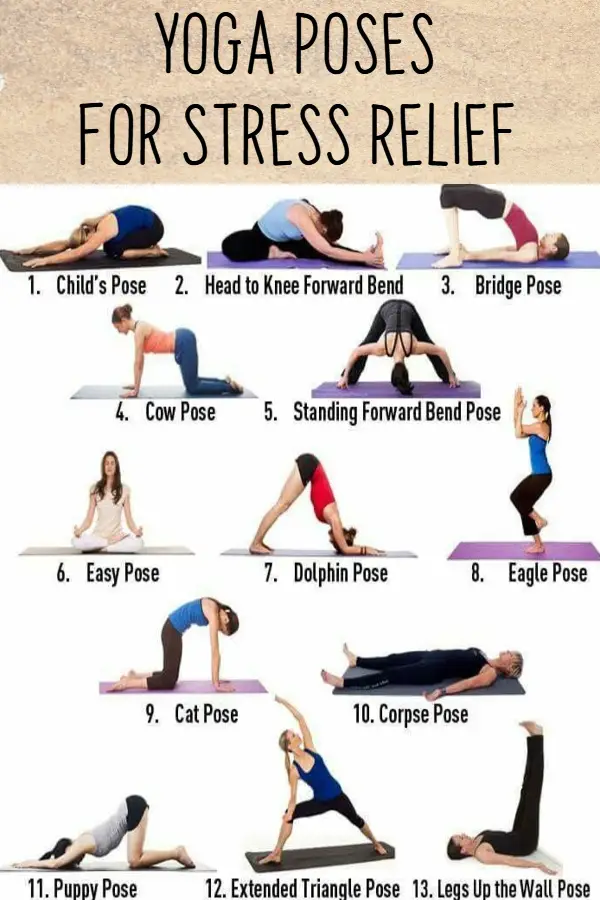
Yoga gently guides the mind away from stress, creating a serene space where cravings dissolve. Through mindful breathing and movement, it fosters awareness, helping individuals recognize and reduce stress-related eating habits. By practicing yoga, you can learn to tune into your body's natural hunger and fullness signals, making it easier to make healthy choices.
But yoga is not just about physical postures. It's also about cultivating a sense of mindfulness and awareness that extends beyond the mat. By incorporating mindfulness practices into your daily life, you can develop a healthier relationship with food and reduce stress eating.
How Yoga Can Help Reduce Stress Eating
- Mindful eating**: Yoga teaches you to pay attention to your body's physical sensations, making it easier to distinguish between hunger and stress-induced cravings.
- Reduces cortisol**: Yoga has been shown to decrease cortisol levels, which can contribute to stress eating.
- Increases self-awareness**: By tuning into your body's signals, you can develop a better understanding of your emotional needs and reduce stress eating.
- Improves digestion**: Yoga can help regulate digestion, reducing symptoms of IBS and other digestive disorders.
- Supports overall well-being**: Yoga promotes overall well-being, which can lead to healthier eating habits and a reduced reliance on stress eating.
Practical Tips for Reducing Stress Eating with Yoga

- Start small**: Begin with short, gentle yoga practices and gradually increase the intensity and duration as you become more comfortable.
- Focus on breathwork**: Practice deep, diaphragmatic breathing to calm the nervous system and reduce stress.
- Try mindful eating exercises**: Pay attention to your body's physical sensations while eating, savoring each bite and noticing the flavors and textures.
- Listen to your body**: Honor your body's hunger and fullness cues, eating when you're hungry and stopping when you're satisfied.
Conclusion
Yoga and stress eating may seem like unrelated topics, but they're more connected than you might think. By practicing yoga and cultivating mindfulness, you can break the cycle of stress eating and develop a healthier relationship with food. So, take a deep breath, roll out your mat, and discover the transformative power of yoga for yourself.
References:
* National Institutes of Health. (2020). Yoga and stress management.
* Harvard Health Publishing. (2020). Stress and eating.
* Mindful Eating Institute. (2020). The benefits of mindful eating.
* Yoga International. (2020). The connection between yoga and stress eating.