GLP-1 and Vitamin D Deficiency Diet Plan: A Comprehensive Guide
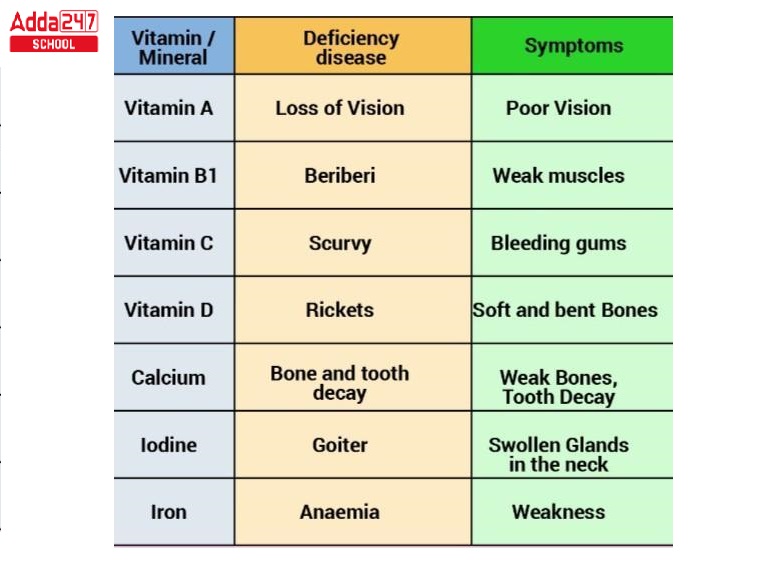
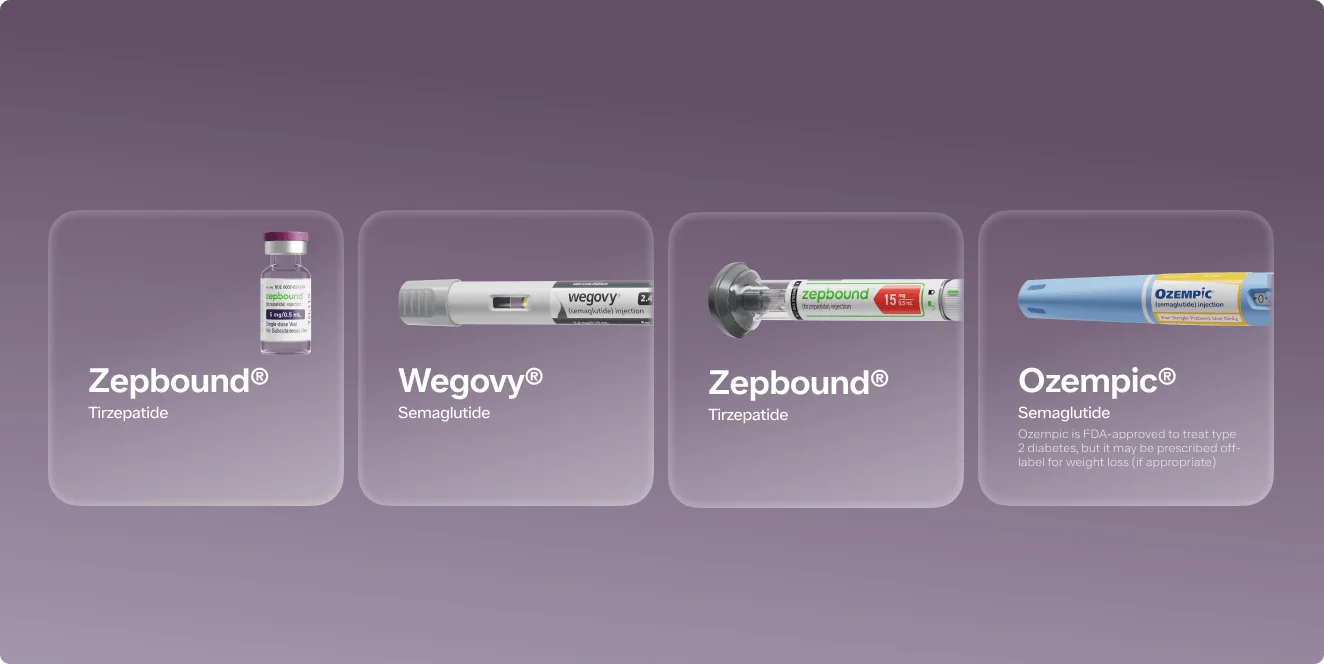
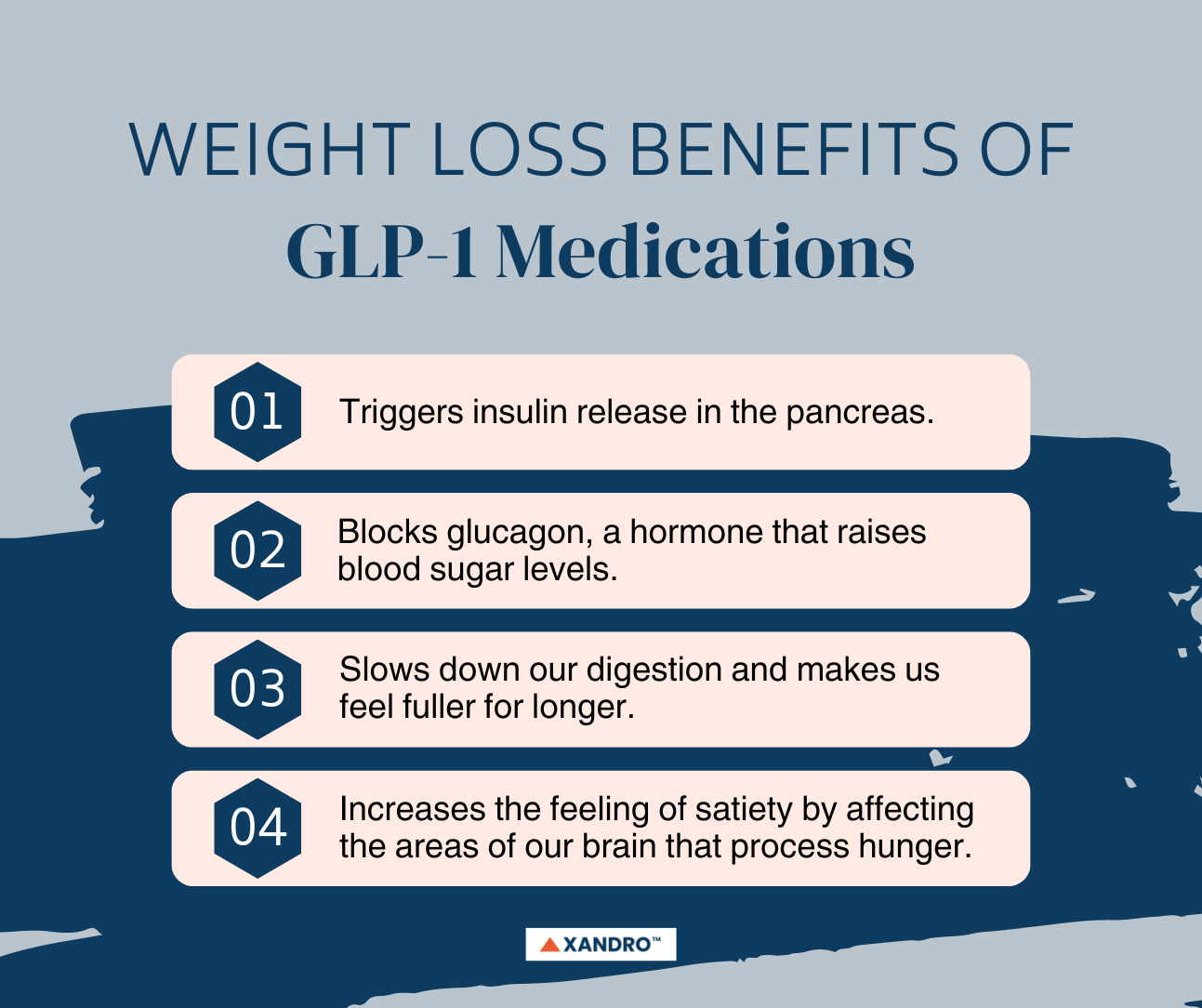
GLP-1 (Glucagon-Like Peptide-1) medications are widely used for weight loss and diabetes management, but they can lead to vitamin or mineral deficiencies if not managed properly. Vitamin D deficiency is the most common deficiency linked to GLP-1 use, affecting approximately 13% of patients within one year. In this article, we will discuss the importance of a balanced diet plan for individuals taking GLP-1 medications, with a focus on preventing vitamin D deficiency and other nutritional gaps.
Why is a Balanced Diet Plan Important for GLP-1 Users?
GLP-1 medications can reduce food intake by up to 20-30%, increasing the risk of protein, vitamin B12, and iron deficiencies. Delayed gastric emptying from GLP-1 drugs may impair the absorption of fat-soluble vitamins A, D, E, and K. Protein supplementation is critical as rapid weight loss can lead to muscle mass loss of 25-30% of total weight lost. Regular monitoring every 3-6 months helps to identify potential nutritional deficiencies early on.
The Importance of Vitamin D for GLP-1 Users
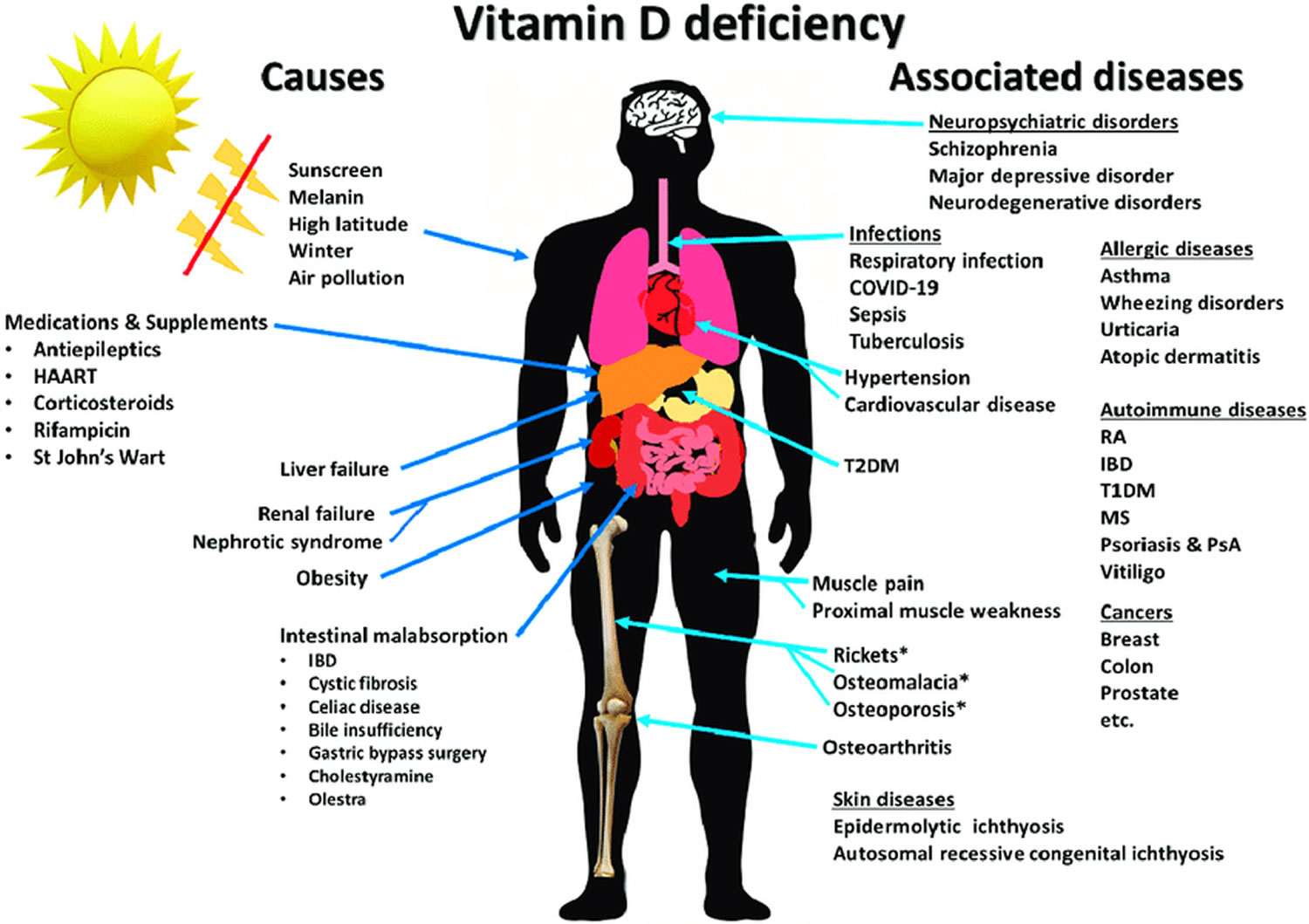
Vitamin D is essential for muscle function, calcium absorption, and bone health. A 2023 retrospective analysis of over 461,000 GLP-1 users found that 7.5% developed vitamin D deficiency within six months. Vitamin D deficiency can lead to muscle weakness, fatigue, and increased risk of osteoporosis.
Key Components of a GLP-1 and Vitamin D Deficiency Diet Plan

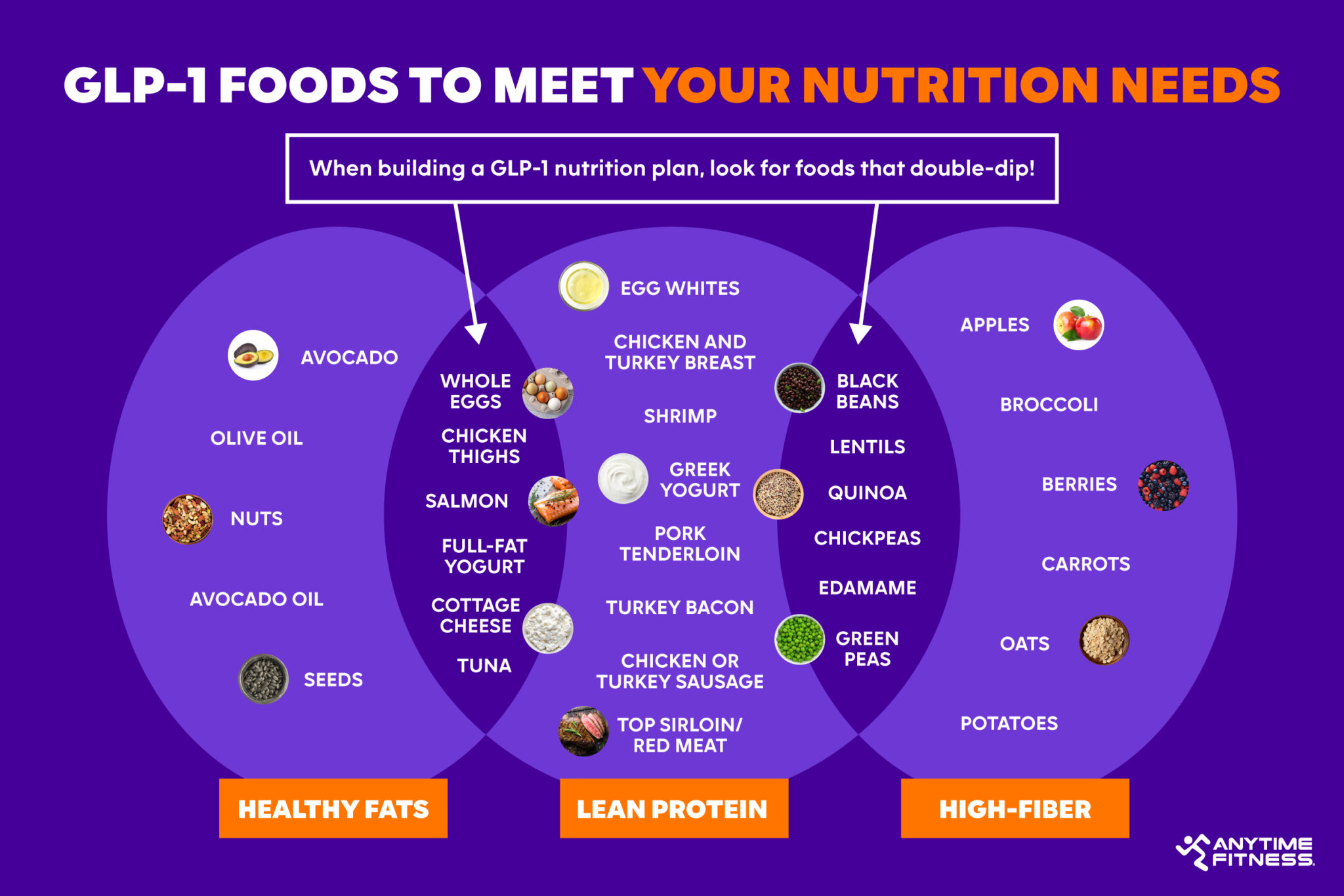
- High-Protein Intake: Adequate protein is essential for muscle preservation and overall health. Aim for 0.8-1g of protein per pound of body weight daily.
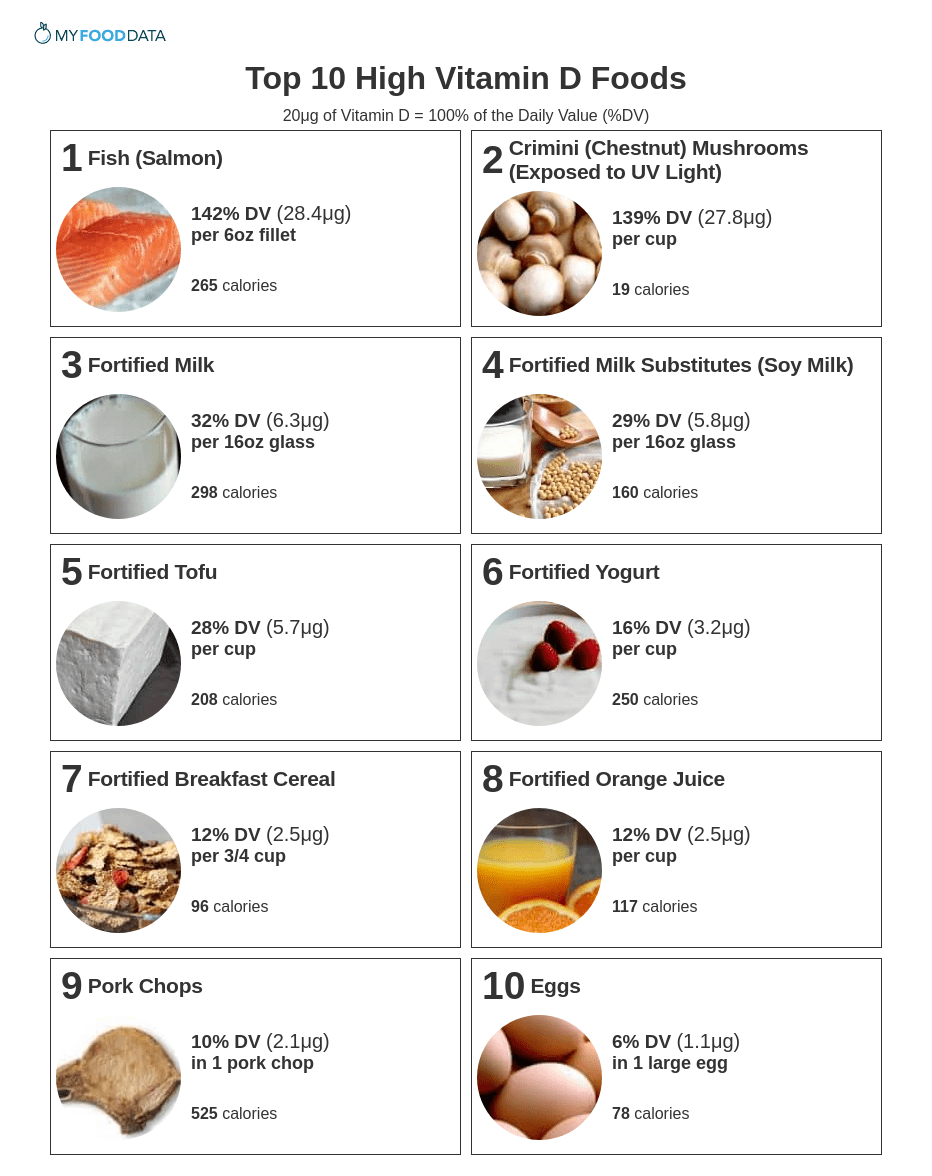
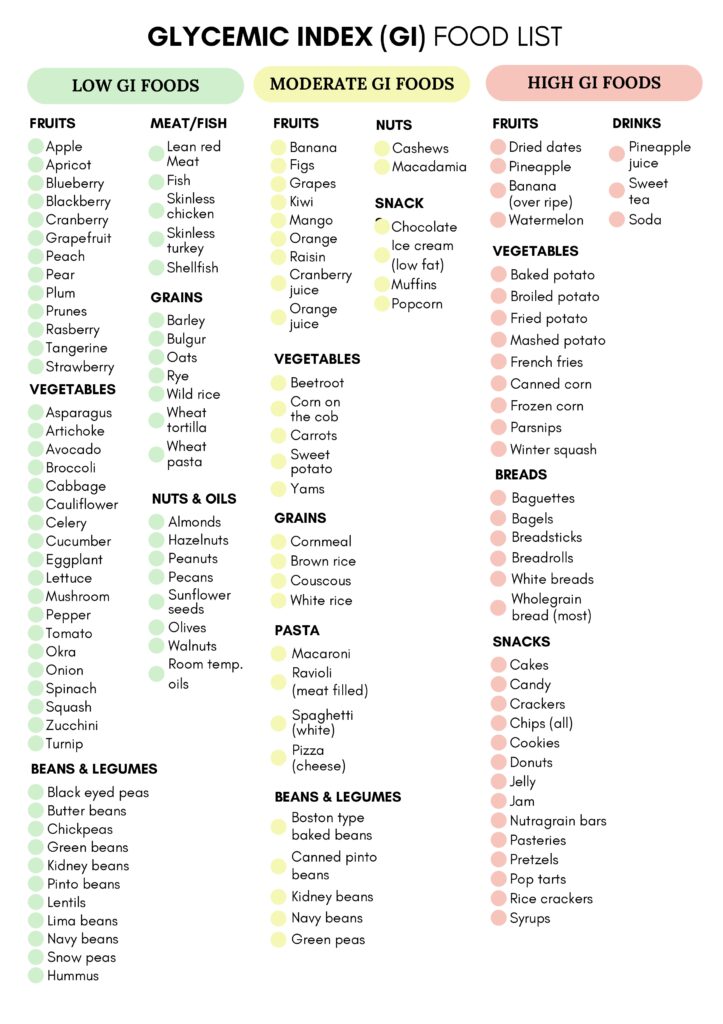
- Calcium and Vitamin D Rich Foods: Include calcium and vitamin D rich foods such as fortified dairy products, leafy greens, and fatty fish to maintain bone health.
- Fiber-Rich Foods: Fiber-rich foods help promote satiety and support healthy digestion. Aim for 25-30 grams of fiber per day.
- Regular Monitoring: Regular monitoring every 3-6 months helps to identify potential nutritional deficiencies early on.
- Supplementation: Consider supplementing with vitamins D, B12, and iron if your diet is not providing adequate amounts.
Sample Meal Plan for GLP-1 Users
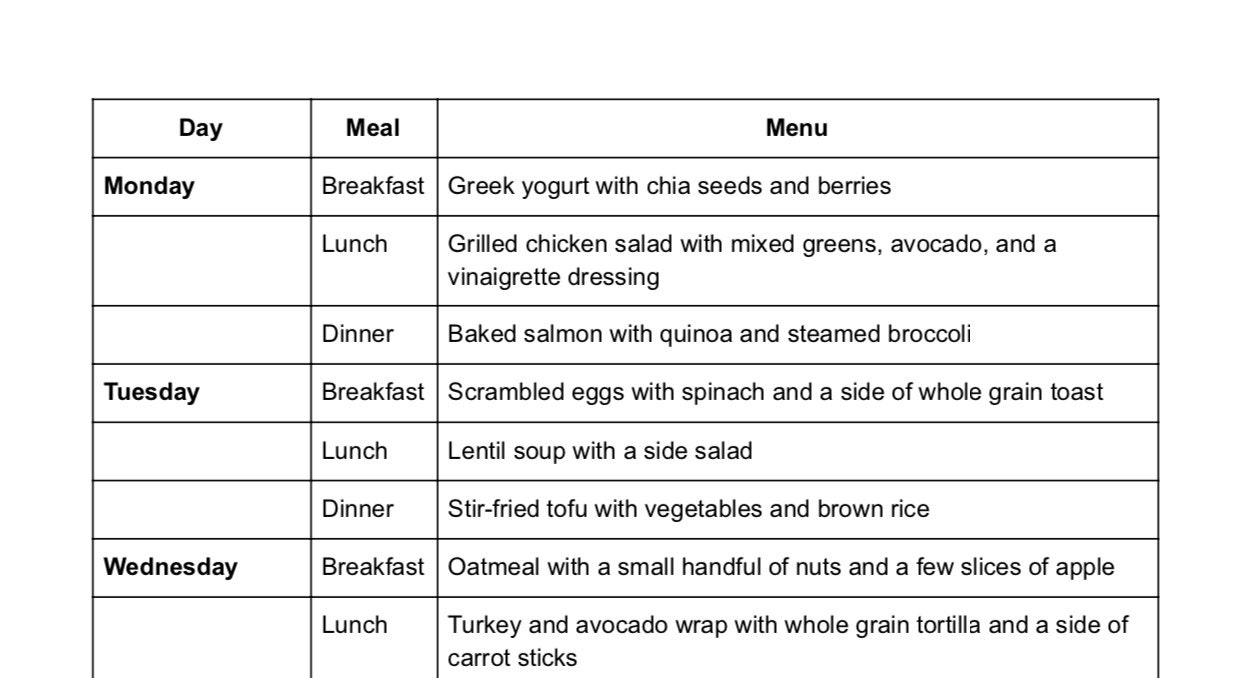
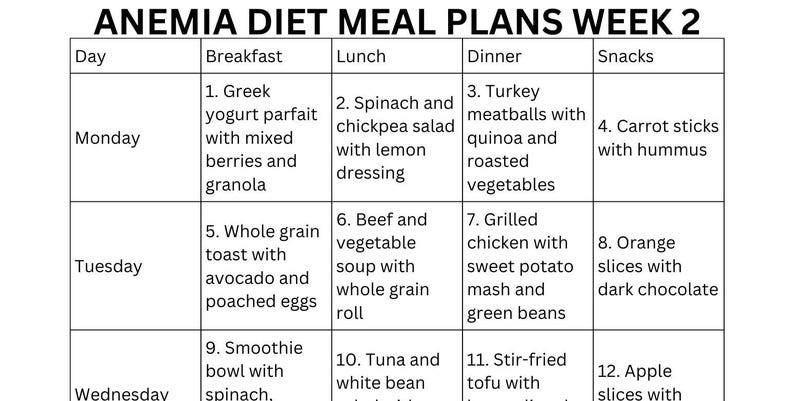
Here is a sample 7-day meal plan that is high in protein, fiber, and calcium-rich foods:
- Monday:
- Breakfast: Overnight oats with banana and almond milk
- Snack: Greek yogurt with berries and walnuts
- Lunch: Grilled chicken breast with quinoa and steamed vegetables
- Snack: Apple slices with peanut butter
- Dinner: Baked salmon with roasted sweet potatoes and green beans
- Tuesday:
- Breakfast: Scrambled eggs with spinach and whole wheat toast
- Snack: Cottage cheese with sliced peaches
- Lunch: Turkey and avocado wrap with mixed greens
- Snack: Carrot sticks with hummus
- Dinner: Grilled turkey breast with roasted broccoli and brown rice
- Wednesday:
- Breakfast: Smoothie bowl with banana, spinach, and almond milk
- Snack: Hard-boiled egg and cherry tomatoes
- Lunch: Grilled chicken breast with mixed greens and whole wheat pita
- Snack: Rice cakes with almond butter and banana slices
- Dinner: Shrimp with zucchini noodles and cherry tomatoes
- Thursday:
- Breakfast: Avocado toast with scrambled eggs and whole wheat bread
- Snack: Greek yogurt with honey and almonds
- Lunch: Turkey and cheese sandwich with carrot sticks and hummus
- Snack: Protein bar (look for one that includes iron, zinc, biotin, vitamin D, and B12)
- Dinner: Grilled chicken breast with roasted asparagus and quinoa
- Friday:
- Breakfast: Omelette with vegetables and whole wheat toast
- Snack: Apple slices with almond butter
- Snack: Hard-boiled egg and cherry tomatoes
- Dinner: Baked chicken breast with roasted Brussels sprouts and sweet potatoes
- Saturday:
- Breakfast: Pancakes with scrambled eggs and whole wheat syrup
- Snack: Greek yogurt with mixed berries and honey
- Lunch: Turkey and avocado wrap with mixed greens
- Snack: Carrot sticks with hummus
- Dinner: Grilled salmon with roasted asparagus and quinoa
- Sunday:
- Breakfast: Breakfast burrito with scrambled eggs, black beans, and whole wheat tortilla
- Snack: Apple slices with peanut butter
- Lunch: Chicken and quinoa bowl with roasted vegetables
- Snack: Rice cakes with almond butter and banana slices
- Dinner: Baked chicken breast with roasted broccoli and brown rice
Conclusion
A well-planned diet that includes high-protein foods, calcium-rich foods, and fiber-rich foods can help prevent vitamin D deficiency and other nutritional gaps associated with GLP-1 use. Regular monitoring and supplementation with vitamins D, B12, and iron can also help ensure optimal nutrition during GLP-1 treatment. By following a balanced diet plan and working closely with a healthcare provider, individuals can minimize the risk of nutritional deficiencies and achieve optimal health outcomes while taking GLP-1 medications.