Revolutionizing Wearable Technology: The Rise of Haptic Feedback Garment
The world of wearable technology has been evolving at a rapid pace, with innovations in smart clothing, interactive textiles, and haptic feedback mechanisms changing the way we interact with technology. One of the most exciting developments in this field is the emergence of haptic feedback garment. In this article, we'll delve into the world of haptic feedback garment, exploring its features, benefits, and potential applications.
What is Haptic Feedback Garment?
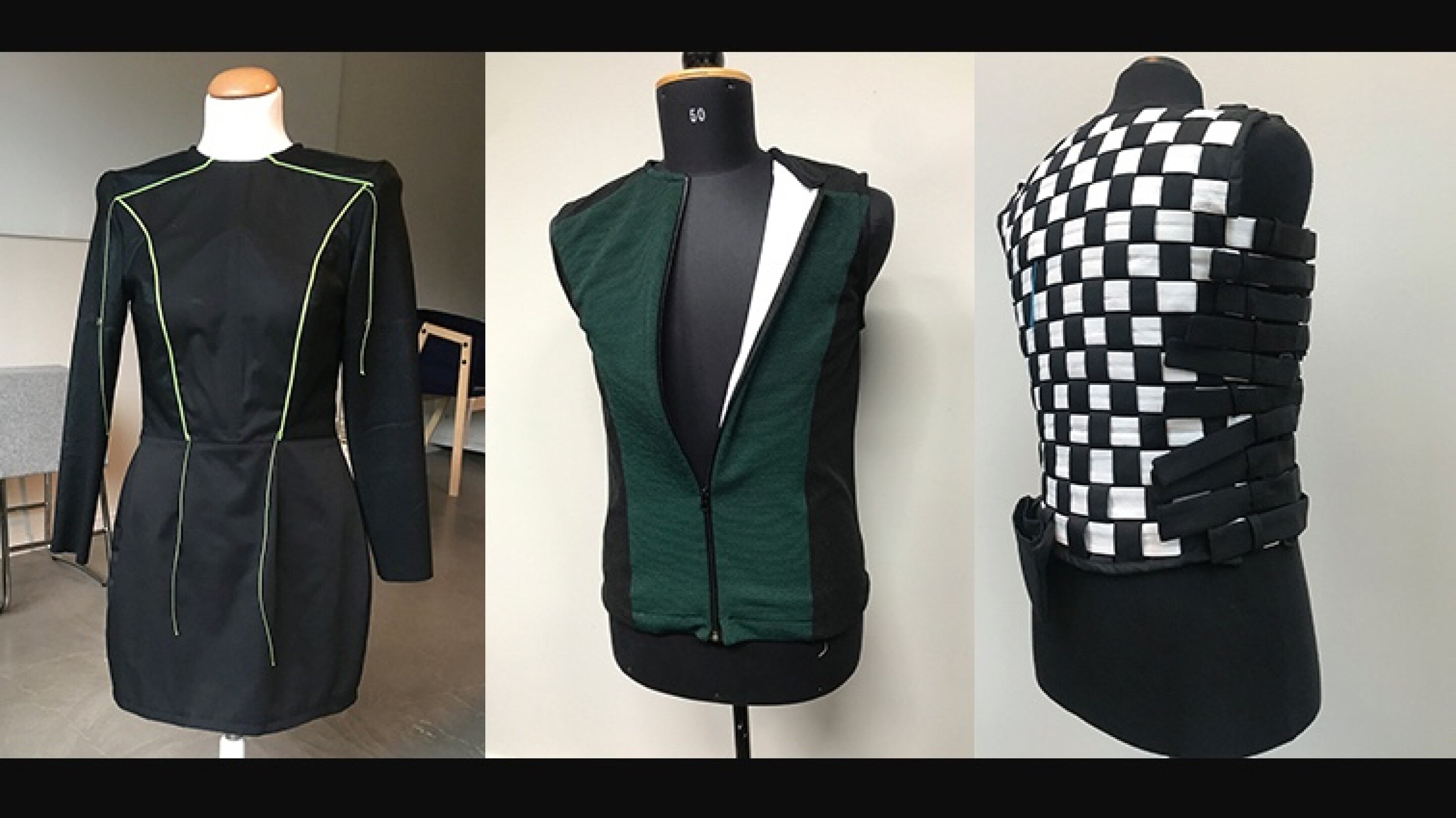
Also known as haptic feedback wearables, haptic feedback garment refers to a type of clothing that uses haptic feedback mechanisms to provide wearers with tactile sensations, vibrations, or forces. This technology has the potential to revolutionize the way we interact with technology, enabling us to feel and experience our surroundings in a more immersive and engaging way.
The core components of haptic feedback garment include:
- Haptic sensing e-textiles: These are textiles that detect the physical properties of objects or environments, providing wearers with information about their surroundings.
- Haptic feedback e-textiles: These are textiles that provide wearers with tactile sensations, vibrations, or forces, allowing them to interact with technology in a more immersive and engaging way.
Essential Features to Look for in Haptic Feedback Garment
When evaluating haptic smart clothing, it's essential to prioritize a few key features. Some of the most important features include:
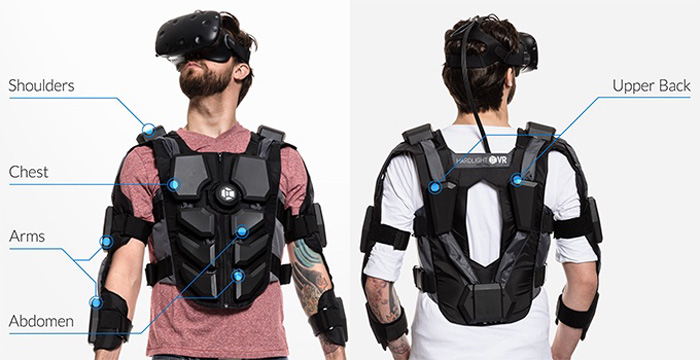
- Actuator density and resolution: This refers to the number of actuators (vibration motors or other haptic feedback devices) integrated into the garment. Higher actuator density and resolution provide more refined and precise feedback.
- Comfort and wearability: Haptic feedback garment should be designed to be comfortable and wearable, even during extended periods.
- Power supply and battery life: Wearable technology needs to be powered and have a long battery life to be useful and practical.
- Integration with other devices and platforms: Haptic feedback garment should be designed to be compatible with other devices and platforms, facilitating seamless integration and expansion.

Applications of Haptic Feedback Garment
Haptic feedback garment has a wide range of potential applications, including:
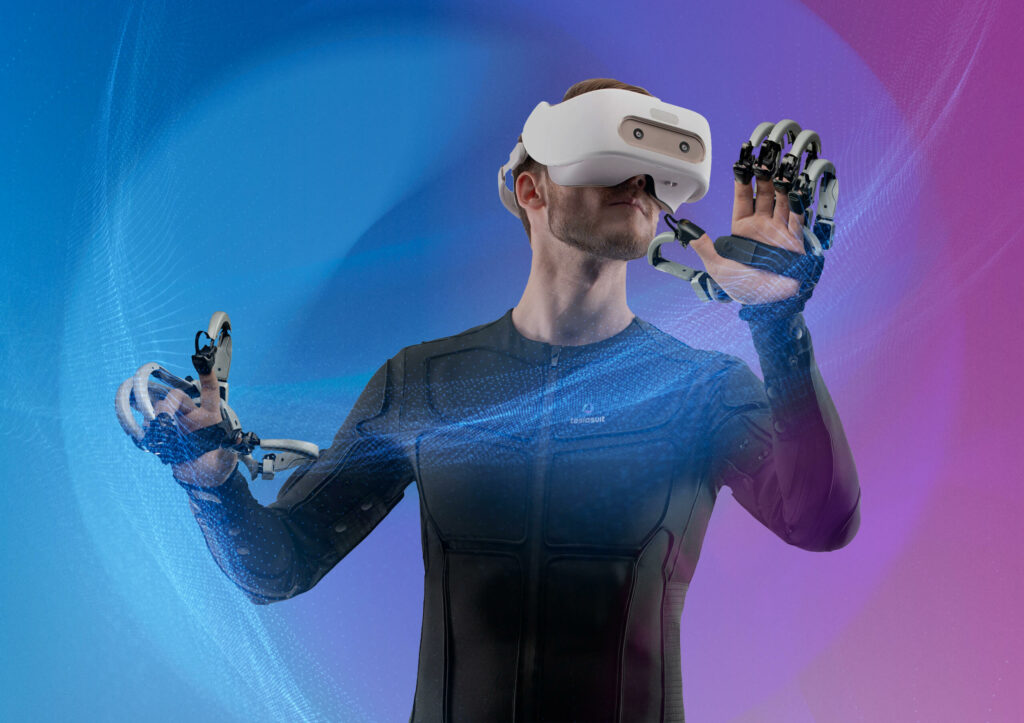
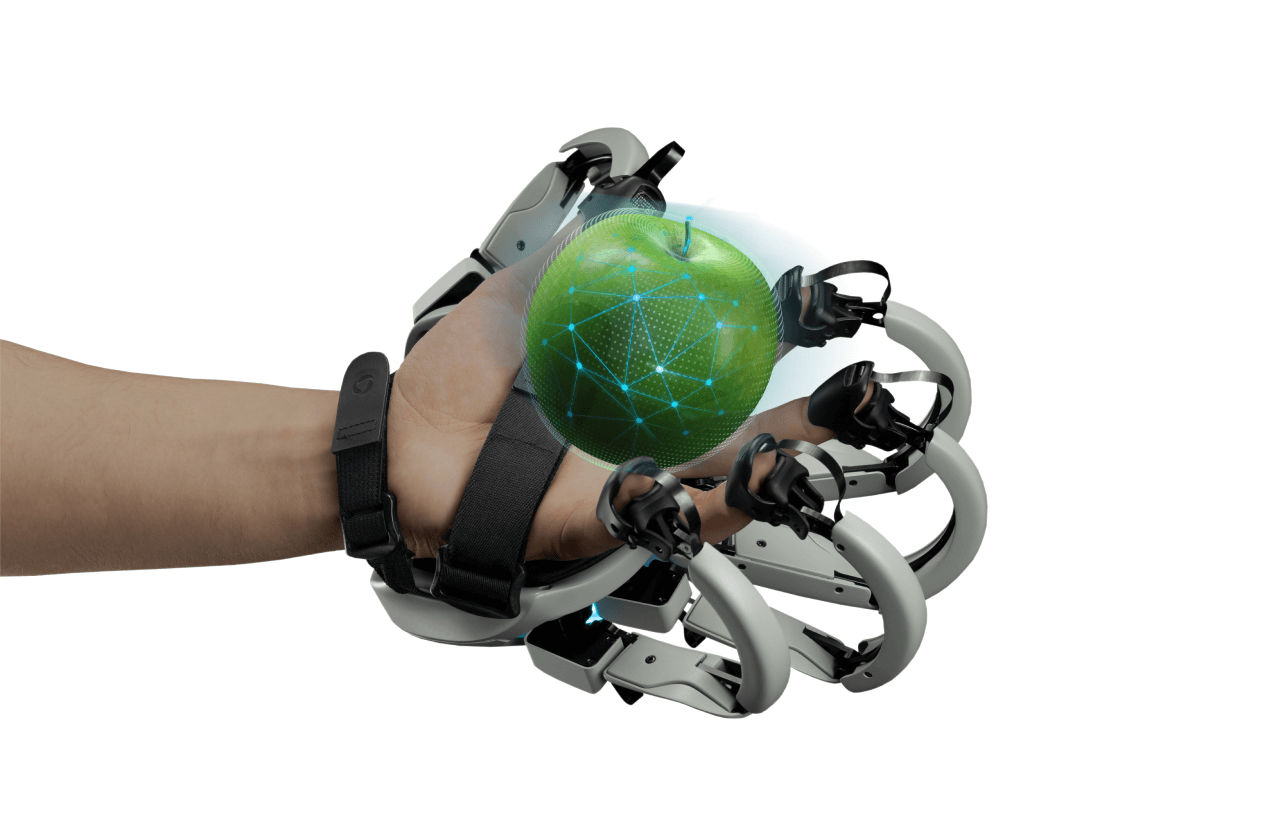
- Immersion in virtual reality: Haptic feedback garment can greatly enhance the immersion and engagement in virtual reality environments, providing wearers with authentic and lifelike sensations.
- Assistive technology for motor impairments: Haptic feedback garment can provide individuals with motor impairments with a new level of autonomy and control, enabling them to interact with their environment in a more meaningful way.
- Communication and accessibility: Haptic feedback garment can provide an alternative means of communication and accessibility for individuals who are deaf, hard of hearing, or have other sensory impairments.
Market Trends and Predictions
The market for haptic feedback garment is rapidly expanding, driven by growing demand from AR/VR wearables, immersive gaming, and smart clothing. According to a recent report, the haptic feedback yarns market is projected to reach **USD 923.4 million by 2036**, registering a **13.9% CAGR**.
Conclusion
As the world of wearable technology continues to evolve, haptic feedback garment is poised to play a significant role in revolutionizing the way we interact with technology. With its potential to provide immersive and engaging experiences, assistive technology for motor impairments, and alternative means of communication and accessibility, haptic feedback garment is an exciting and rapidly emerging field. By prioritizing essential features, exploring new applications, and leveraging market trends, we can unlock the full potential of haptic feedback garment and transform the future of wearable technology.