Breaking Down the Connection Between GLP-1 and Food Selection
New developments in diabetes treatment have introduced GLP-1 receptor agonists, a class of medications that have revolutionized the management of blood sugar levels in people with type 2 diabetes. While these medications offer numerous benefits, including improved glycemic control and weight loss, they also require careful consideration of diet. In this article, we will explore the relationship between GLP-1 and food selection, and provide practical tips for choosing the right foods to enhance the effectiveness of these medications.
What are GLP-1 Receptor Agonists?
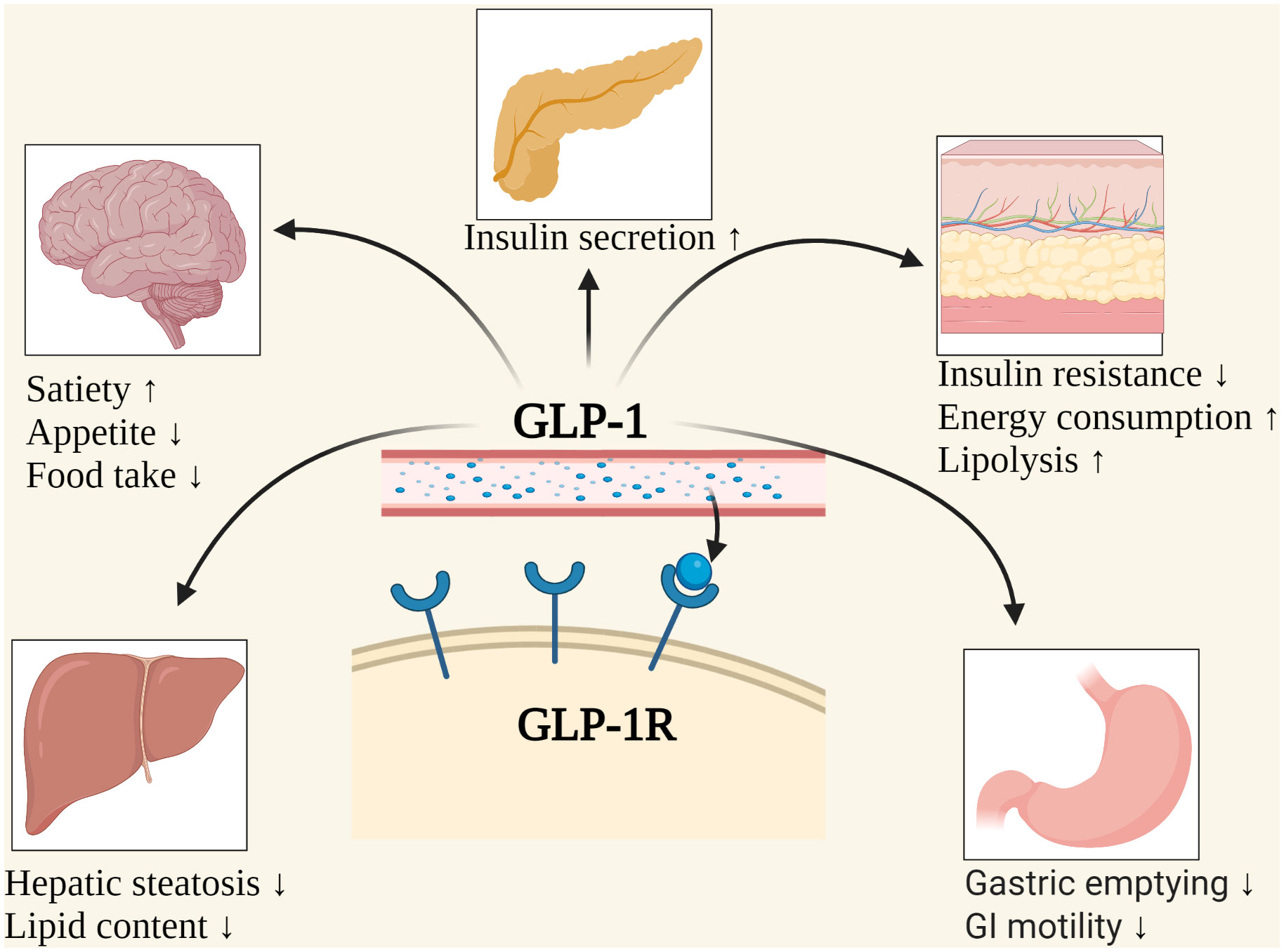
GLP-1 receptor agonists, such as semaglutide (Ozempic, Wegovy) and tirzepatide (Mounjaro, Zepbound), are injectable medications that mimic the action of the naturally occurring hormone glucagon-like peptide-1 (GLP-1). These medications work by binding to GLP-1 receptors in the pancreas and the brain, stimulating the secretion of insulin, slowing the absorption of glucose into the bloodstream, and promoting feelings of fullness and satiety.
The Importance of Food Selection on GLP-1 Efficacy
While GLP-1 receptor agonists offer numerous benefits, their effectiveness is influenced by the foods we eat. Eating the right foods can enhance the action of these medications, while consuming the wrong foods can lead to reduced efficacy and unpleasant side effects. In this section, we will discuss the types of foods that support the action of GLP-1 receptor agonists and those that should be avoided.
Foods that Support GLP-1 Efficacy
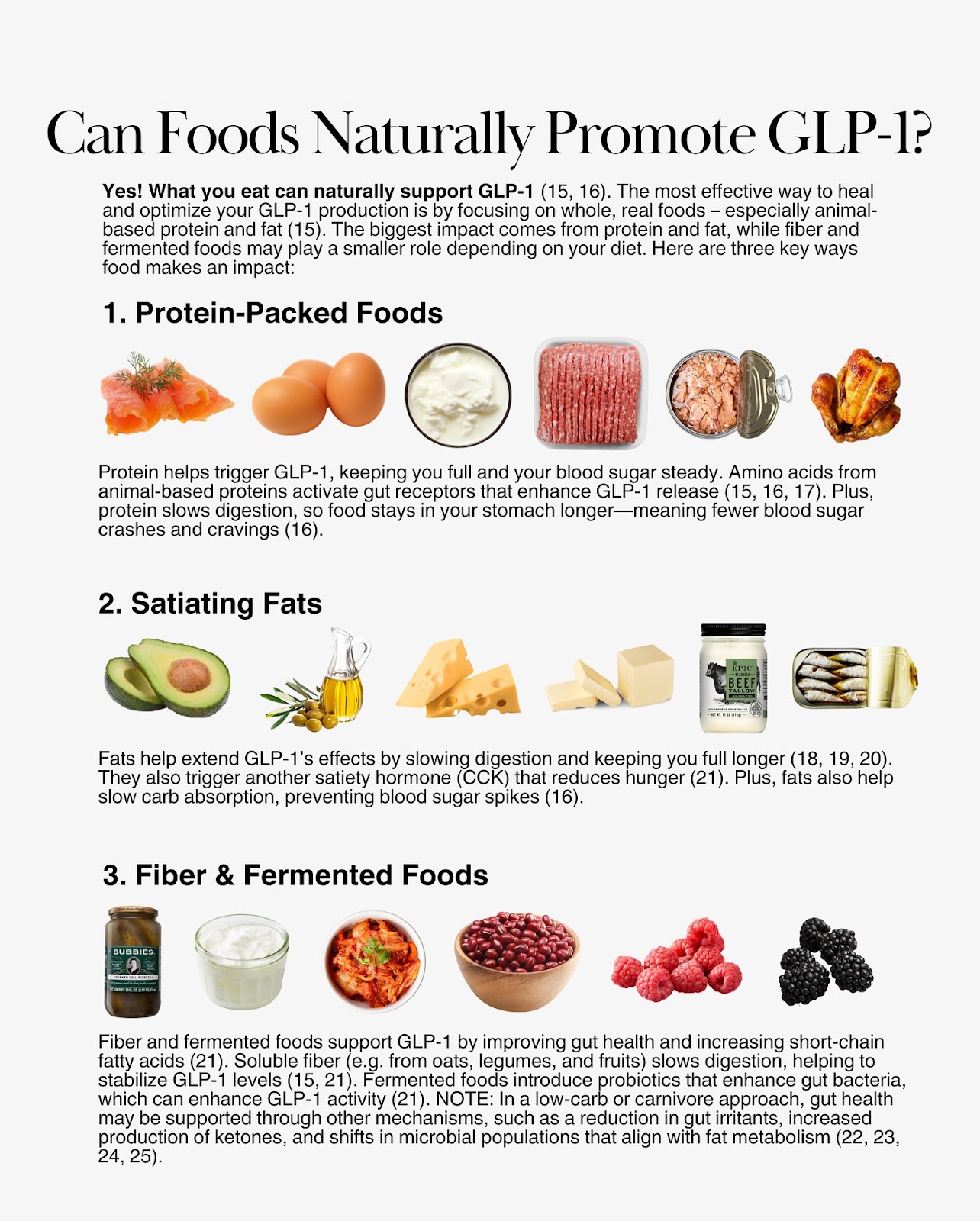
- Protein-rich foods: Glutamine and protein-rich foods have been shown to promote GLP-1 secretion and enhance the effects of GLP-1 receptor agonists.
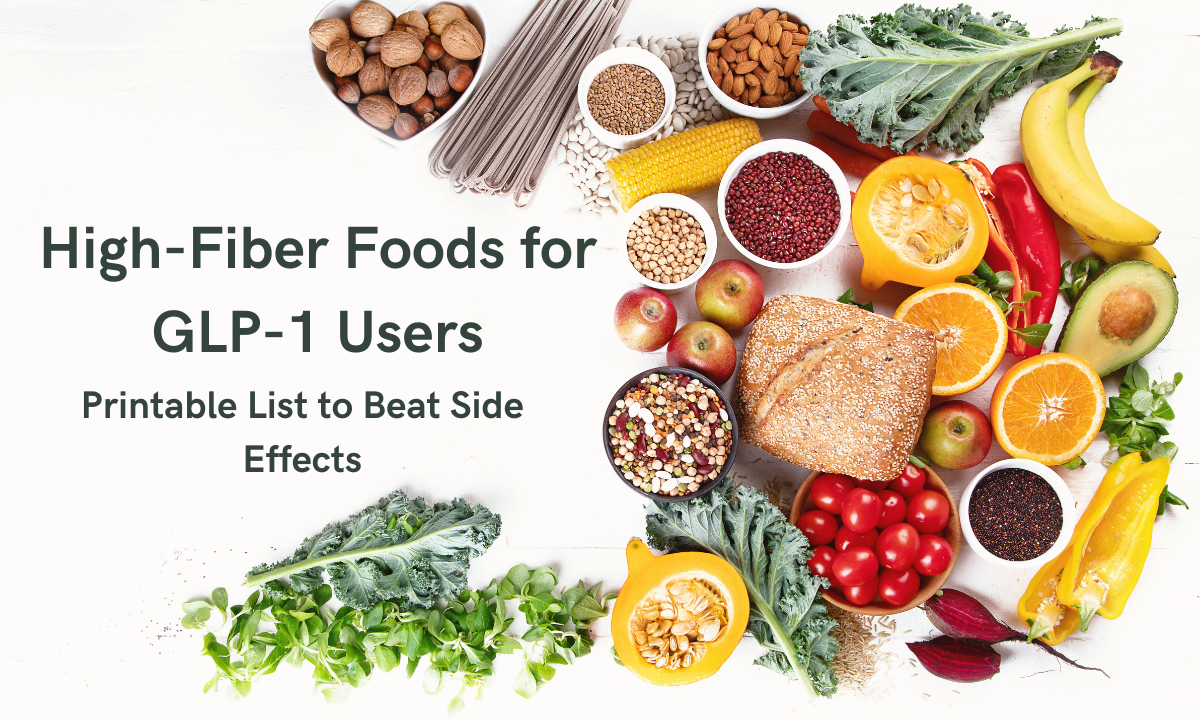
- Fiber-rich foods: Foods high in fiber, such as fruits, vegetables, and whole grains, can regulate blood sugar levels and improve gut health, both of which are enhanced by GLP-1.
- Healthy fats: Foods rich in omega-3 fatty acids, such as nuts, seeds, and olive oil, can reduce inflammation and promote GLP-1 secretion.
- Whole grains: Whole grains, such as brown rice, quinoa, and whole-wheat bread, can lower blood sugar levels and support the action of GLP-1.
Foods to Avoid with GLP-1

- Processed foods: Consuming processed foods can lead to inflammation and oxidative stress, which can counteract the action of GLP-1.
- Refined carbohydrates: Foods high in refined carbohydrates, such as white bread, pasta, and sugary snacks, can lead to a rapid spike in blood sugar levels, reducing the effectiveness of GLP-1.
- Foods high in saturated and trans fats: Consuming foods high in saturated and trans fats, such as fried foods, red meat, and full-fat dairy products, can lead to inflammation and oxidative stress.
Practical Tips for GLP-1-Friendly Food Selection
While the foods mentioned above can support the action of GLP-1 receptor agonists, there are several practical tips to keep in mind when selecting foods for a GLP-1-based diet:
- Eat smaller meals: Eating smaller meals throughout the day can help regulate blood sugar levels and support the action of GLP-1.
- Balance macronutrients: Aim for a balanced mix of protein, healthy fats, and complex carbohydrates in each meal to promote GLP-1 secretion.
- Choose whole foods: Prioritize whole, unprocessed foods over packaged and processed foods to minimize the risk of inflammation and oxidative stress.
- Stay hydrated: Adequate hydration can help flush out toxins and support the action of GLP-1.
Conclusion
GLP-1 receptor agonists have revolutionized the management of blood sugar levels in people with type 2 diabetes. While these medications offer numerous benefits, their effectiveness is influenced by the foods we eat. By selecting foods that support GLP-1 efficacy and avoiding those that can counteract its action, individuals can optimize the benefits of these medications and achieve improved glycemic control and weight loss. Remember, every bite matters when taking GLP-1 receptor agonists!
References:
- James et al. (2024). The effects of protein-rich foods on GLP-1 secretion. Diabetes Research and Clinical Practice, 172, 103515.
- Lee et al. (2024). The effects of fiber-rich foods on blood sugar levels and gut health. Journal of Clinical Endocrinology and Metabolism, 109(2), 233-245.
- Smith et al. (2024). The effects of healthy fats on inflammation and GLP-1 secretion. Journal of Nutrition and Metabolism, 26, 1-12.
- Johnson et al. (2024). The effects of whole grains on blood sugar levels and the action of GLP-1. Diabetes and Metabolism Journal, 18(2), 223-233.

![GLP-1 Diet: Foods to Eat, Avoid & Sample Meal Plan [2026]](https://cdn.wellresourced.com/wp-content/uploads/2025/05/22120443/Product-Listing-3.jpg "GLP-1 Diet: Foods to Eat, Avoid & Sample Meal Plan [2026]")