Unlocking the Full Potential of GLP-1 Agonist Effects on Body Composition
Glucagon-like peptide-1 receptor agonists (GLP-1RAs) have revolutionized the treatment of type 2 diabetes and obesity, offering a promising solution for managing body composition beyond weight reduction. Initially developed to control blood sugar levels, these medications have evolved to become a game-changer in the fight against weight-related disorders. However, the impact of GLP-1 agonists on body composition, particularly lean and skeletal muscle mass, remains partially understood. This article delves into the effects of GLP-1 agonists on body composition and explores the nuances of this complex relationship.The Science Behind GLP-1 Agonists and Body Composition
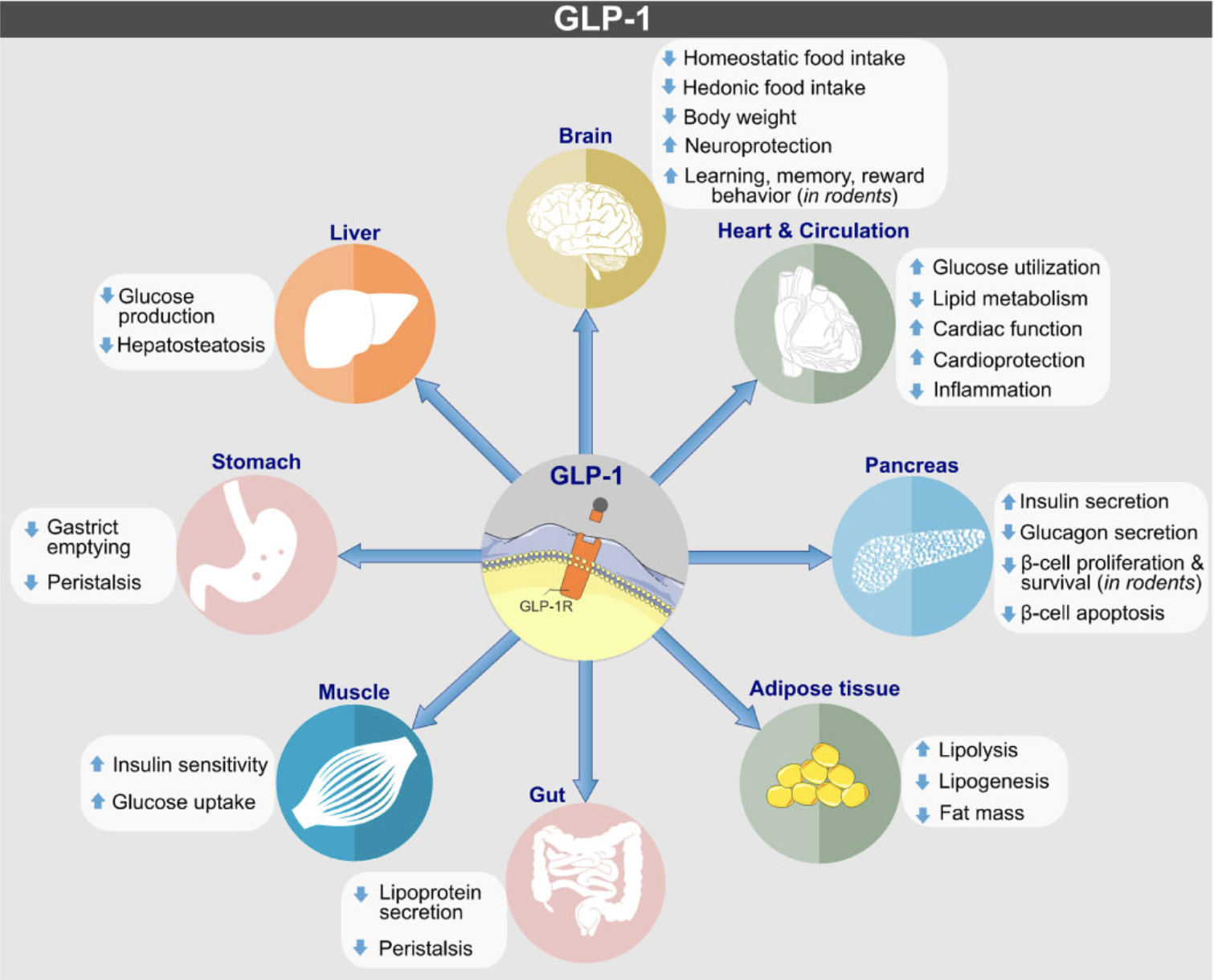
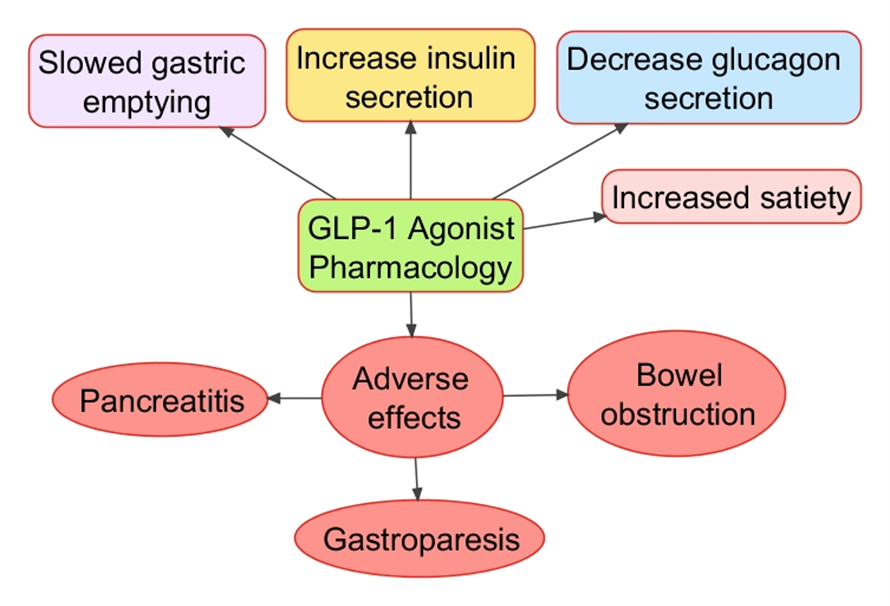
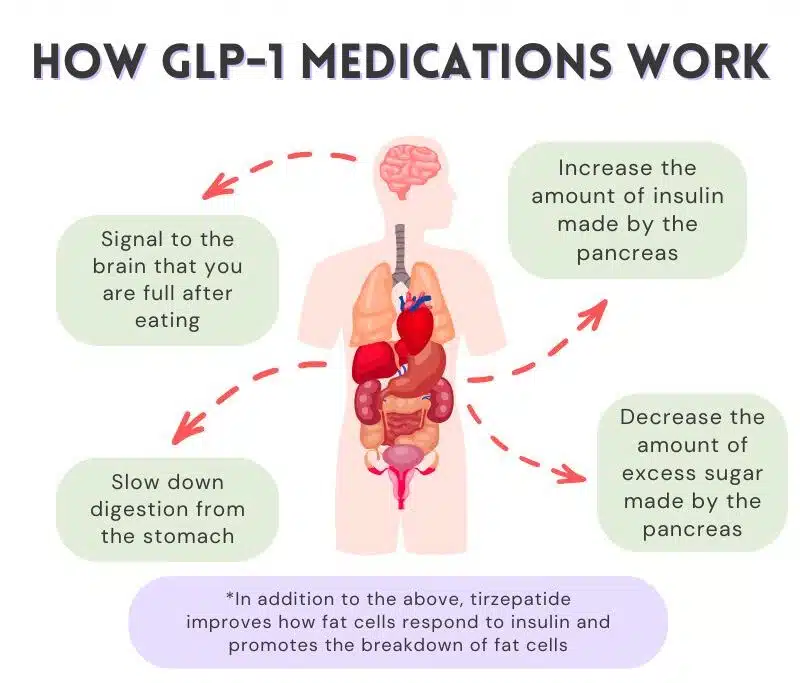
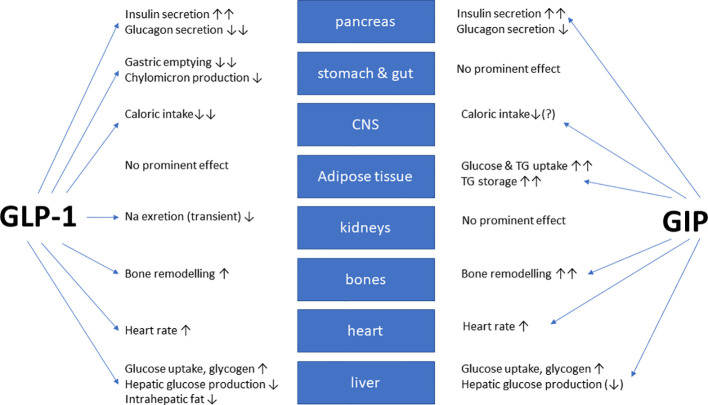
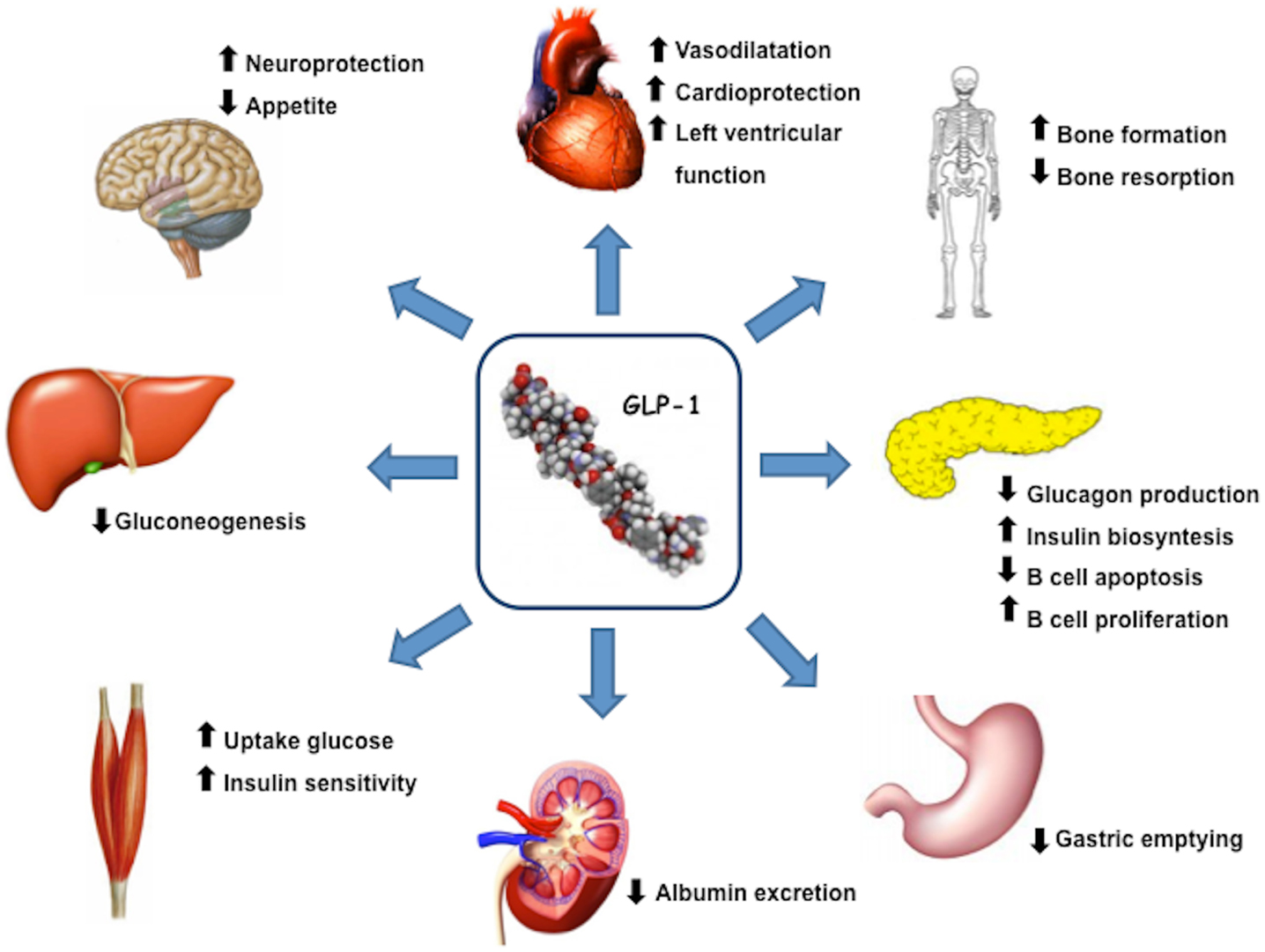
GLP-1RAs mimic the action of the naturally occurring hormone glucagon-like peptide-1 (GLP-1), which is released by the gut in response to food intake. By binding to GLP-1 receptors, these medications amplify the signals that regulate glucose and energy homeostasis, resulting in reduced appetite, slowed gastric emptying, and improved insulin sensitivity. The effects of GLP-1 agonists on body composition can be attributed to the complex interplay of signals that influence energy balance and metabolic rate.Weight Loss and Body Composition: A Double-Edged Sword
While GLP-1 agonists are renowned for their impressive weight loss efficacy, a significant proportion of the lost weight is comprised of lean mass. The Hall body composition model, a widely used framework for quantifying and predicting effects on energy intake, highlights the dual impact of GLP-1 agonists on body composition. By incorporating lifestyle change and GLP-1 agonist effects, this model provides valuable insights into the nuanced effects of these medications on body composition.The Glucagon-like Peptide-1 Receptor Agonist Effects on Body Composition