GLP-1 Medication for Eating Disorders: A Growing Concern
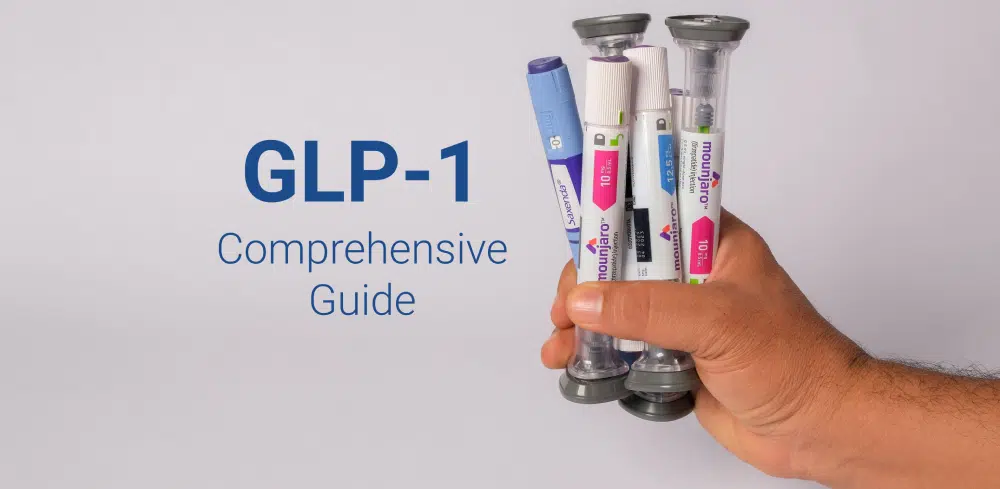
Recent years have seen a surge in popularity of GLP-1 medications, also known as glucagon-like peptide-1 receptor agonists, for weight loss and diabetes management. These medications have been touted as a miracle solution for obesity, but there is a growing concern that they may be exacerbating eating disorders. In this article, we will delve into the world of GLP-1 medications and eating disorders, exploring the benefits, risks, and potential consequences of using these medications for weight loss.
What are GLP-1 Medications?
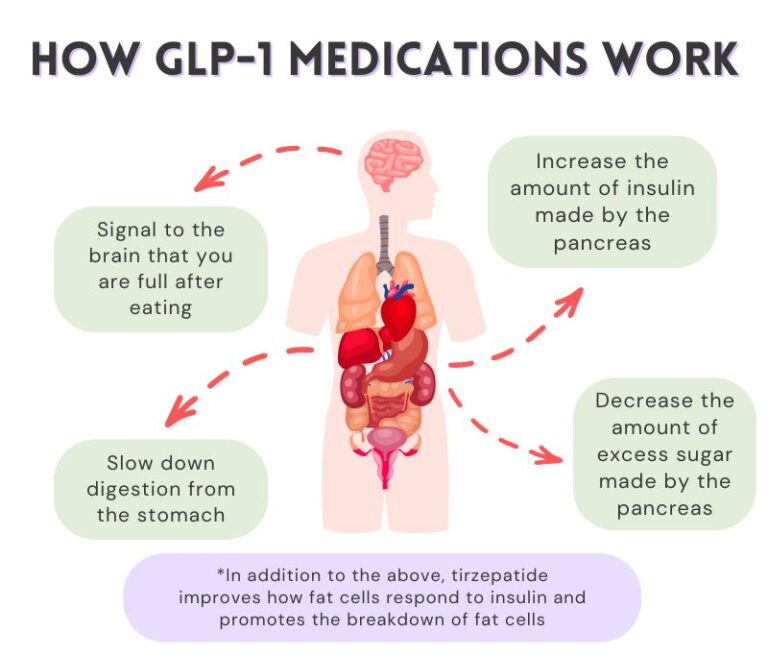
GLP-1 medications are a class of medications that mimic the action of the naturally occurring hormone glucagon-like peptide-1 (GLP-1). This hormone plays a crucial role in regulating appetite, digestion, and insulin release. By slowing gastric emptying, increasing satiety, and reducing hunger and food cravings, GLP-1 medications can lead to substantial weight loss in individuals with obesity.
Eating Disorders and GLP-1 Medications
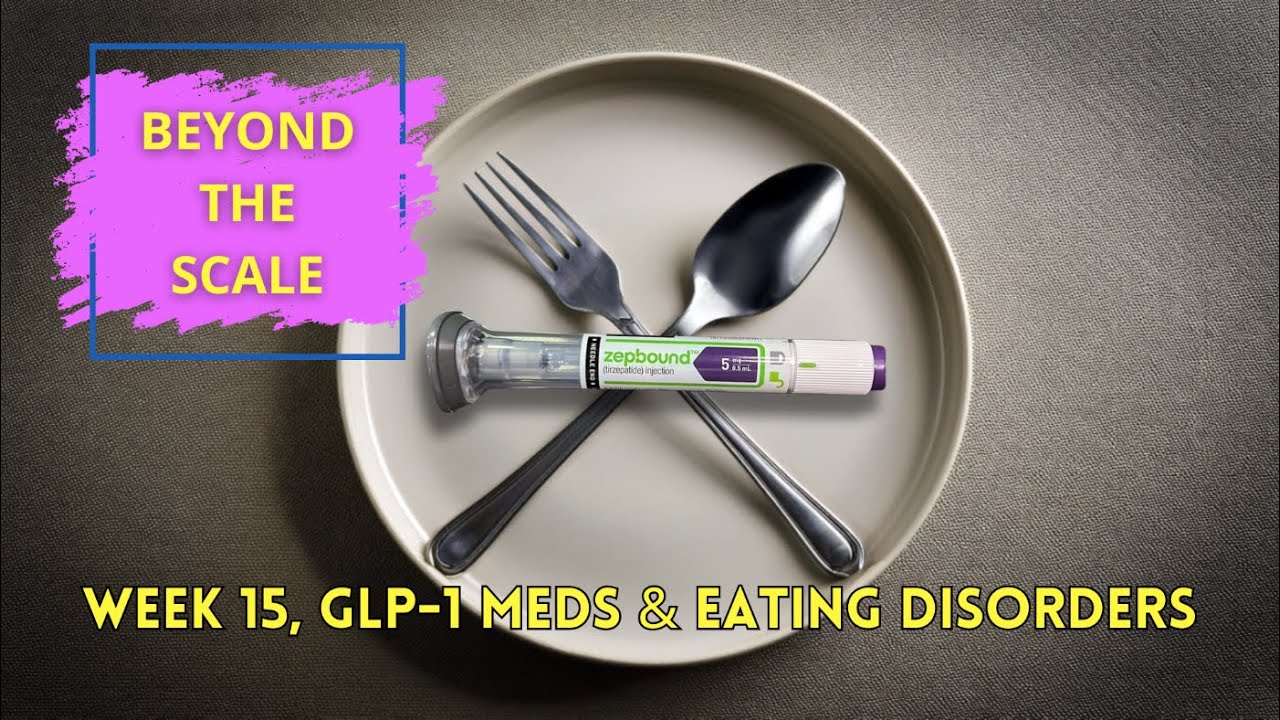
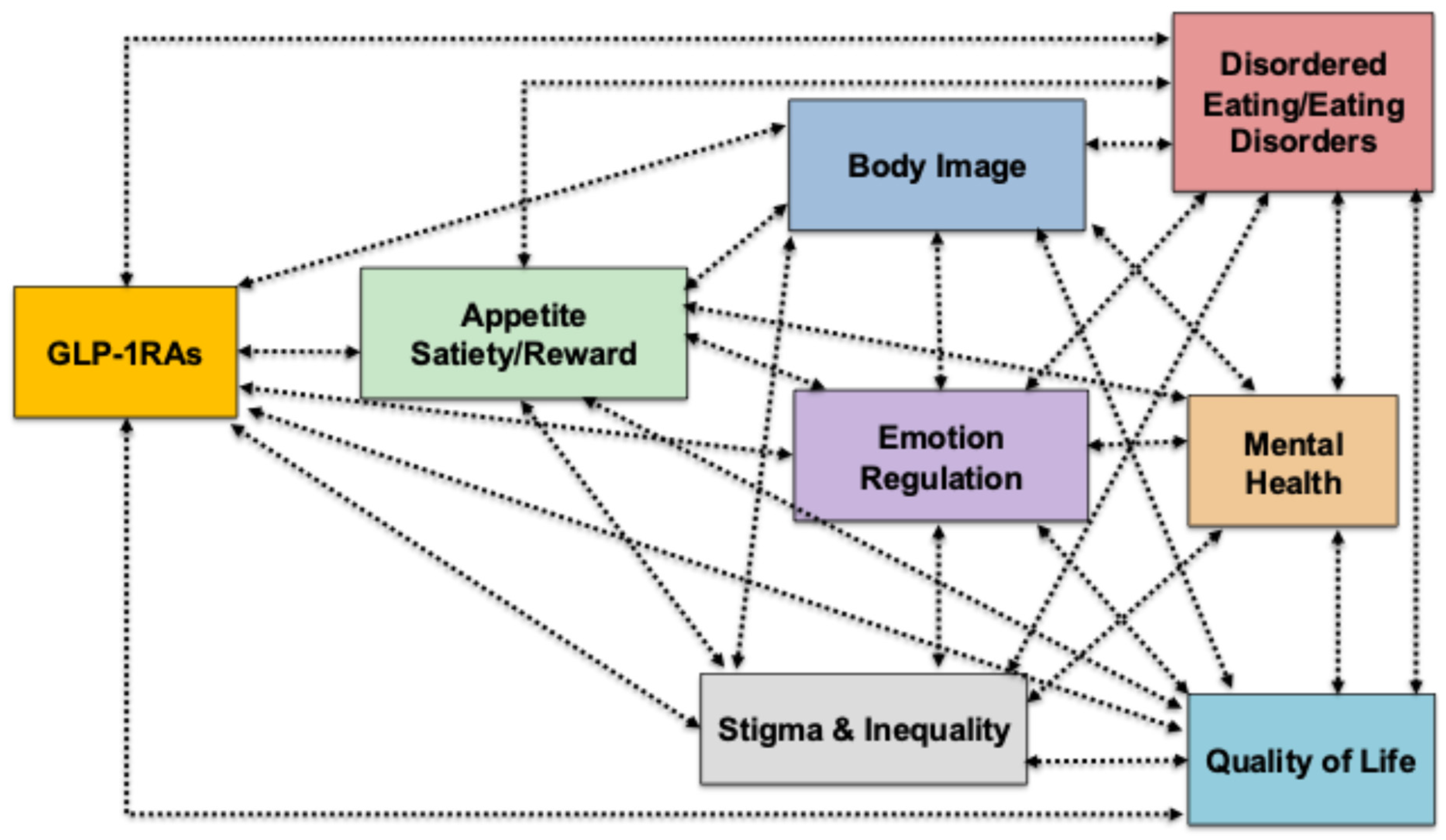
While GLP-1 medications have shown promise in managing type 2 diabetes and weight loss, their use for eating disorders is still largely unexplored. Many clinicians and researchers are sounding the alarm about the potential risks of using these medications for individuals struggling with eating disorders. GLP-1 medications can disrupt intuitive eating signals, exacerbating the symptoms of eating disorders such as anorexia nervosa, bulimia nervosa, and binge eating disorder.
Benefits and Risks of GLP-1 Medications
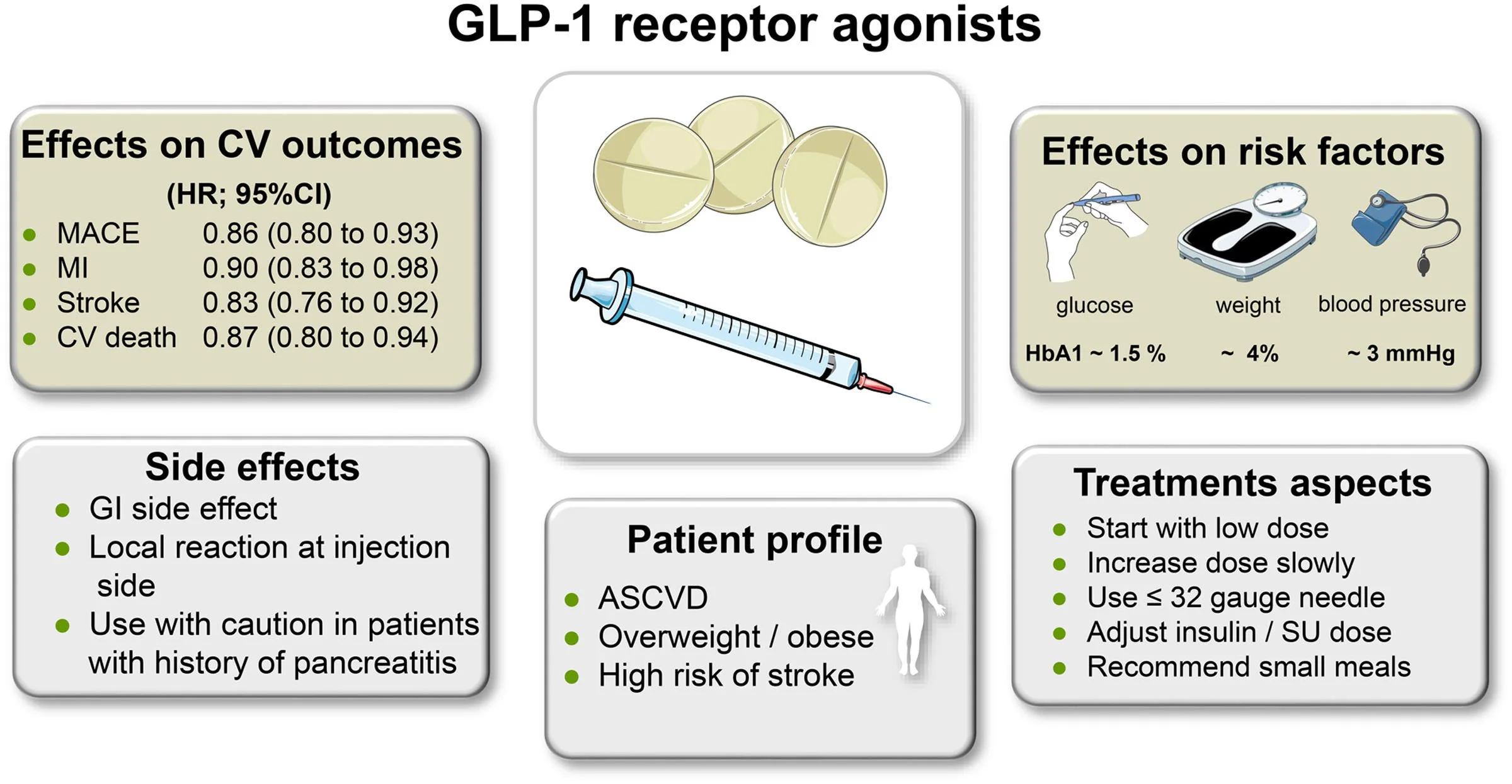
- Reduced appetite and food cravings
- Improved blood sugar control
- Substantial weight loss (often 10-20% of body weight)
- Improved mood and emotional regulation
- Risk of worsening or hiding eating disorders
- Risk of triggering relapse
- Risk of disrupting intuitive eating signals
Consequences of Using GLP-1 Medications for Eating Disorders
Using GLP-1 medications for eating disorders can have serious consequences. Rapid weight loss and appetite changes can mimic the symptoms of eating disorders, making it challenging to distinguish treatment effects from relapse. Clinicians are reporting increased cases of eating disorder relapse and worsening symptoms in individuals taking GLP-1 medications.
Screening for Eating Disorders

Given the potential risks of using GLP-1 medications for eating disorders, screening for eating disorders is crucial before prescribing these medications. A comprehensive evaluation by a mental health professional can help identify individuals who may be at risk of developing or exacerbating eating disorders.
Alternatives to GLP-1 Medications
While GLP-1 medications may seem like a quick fix for weight loss, there are alternative approaches that can help individuals struggling with eating disorders. Comprehensive eating disorder treatment typically involves a multidisciplinary approach, including psychotherapy, nutritional counseling, and medical monitoring, to address the root causes of eating disorders and promote long-term recovery.
Conclusion
GLP-1 medications hold promise for weight loss and diabetes management, but their use for eating disorders requires caution. By understanding the benefits and risks of GLP-1 medications, clinicians and individuals struggling with eating disorders can make informed decisions about treatment options. Screening for eating disorders and exploring alternative approaches can help minimize the risk of exacerbating or triggering eating disorders.
References
ANAD (2022). GLP-1 Medications and Eating Disorders. National Eating Disorders Association.
Meinzer, K. (2022). GLP-1 Medications: What You Need to Know. Healthline.
LifeStance Health (2022). GLP-1 Medications: A Promising Approach to Weight Loss and Mental Health.
Rebecca Boswell, PhD (2022). The Impact of GLP-1 Medications on Eating Disorders. Penn Medicine Princeton Center for Eating Disorders.